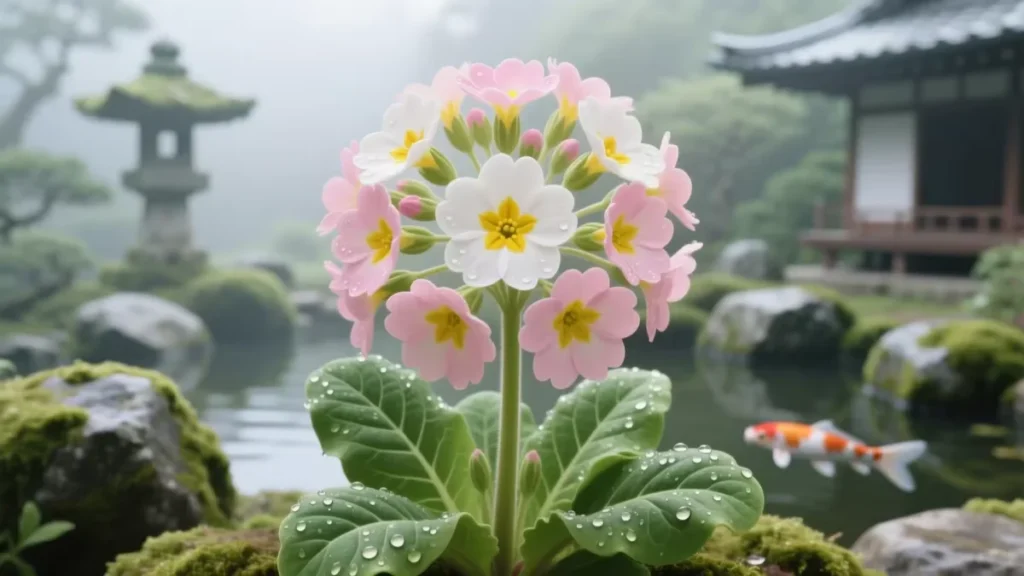
Primrose (Primula) is a cool-season perennial flower prized for early spring blooms in pink, yellow, red, and white. It thrives in moist, well-draining, slightly acidic soil with partial shade, needs consistent watering, and grows well both indoors and in garden beds.
Few flowers announce spring like the primrose. At Peeacelily, we get constant questions about primrose care, from soil needs to indoor survival. This guide breaks down everything about the primrose plant varieties, watering, blooming cycles, and meaning so your primrose flourishes indoors or outdoors, season after season.
Key Takeaways
-
Primrose thrives in cool temperatures, partial shade, and moist, well-draining, slightly acidic soil with a pH of 6.0 to 6.7.
-
Water your plant when the top inch of soil feels dry, and avoid soggy soil to prevent root rot.
-
Evening primrose is not a true primrose. It belongs to an entirely different plant genus called Oenothera.
-
The primrose flower symbolizes youth, renewal, and deep devotion in Victorian flower language.
What Is a Primrose Flower?
The primrose flower is a classic perennial that belongs to the genus Primula. The name itself comes from the Latin phrase prima rosa, which means the first rose. This name fits perfectly because this hardy primrose plant is often the very first flower to bloom as winter snow melts away.
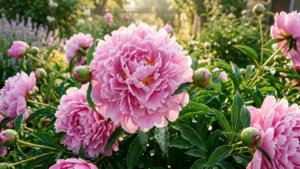
These plants are native to temperate regions across Europe, Asia, and North America. They form a low rosette of textured, crinkled green leaves. From the center of this rosette, cluster blooms emerge in almost every color imaginable. They are highly valued by gardeners who want to bring bright colors to shady spots early in the year.
Primrose vs. Evening Primrose: What’s the Difference?
Many people confuse the standard primrose with the evening primrose, but they are completely different plants. They do not share the same botanical family, and they have entirely different growth habits and care needs.
A true primrose belongs to the Primulaceae family. It is a low-growing, shade-loving plant that blooms during the daytime in early spring. On the other hand, the evening primrose belongs to the Onagraceae family. It grows much taller, loves full sun, and blooms during the hot summer months. Its flowers open late in the afternoon or at night.
Primrose vs. Evening Primrose Comparison
Popular Primrose Varieties to Know
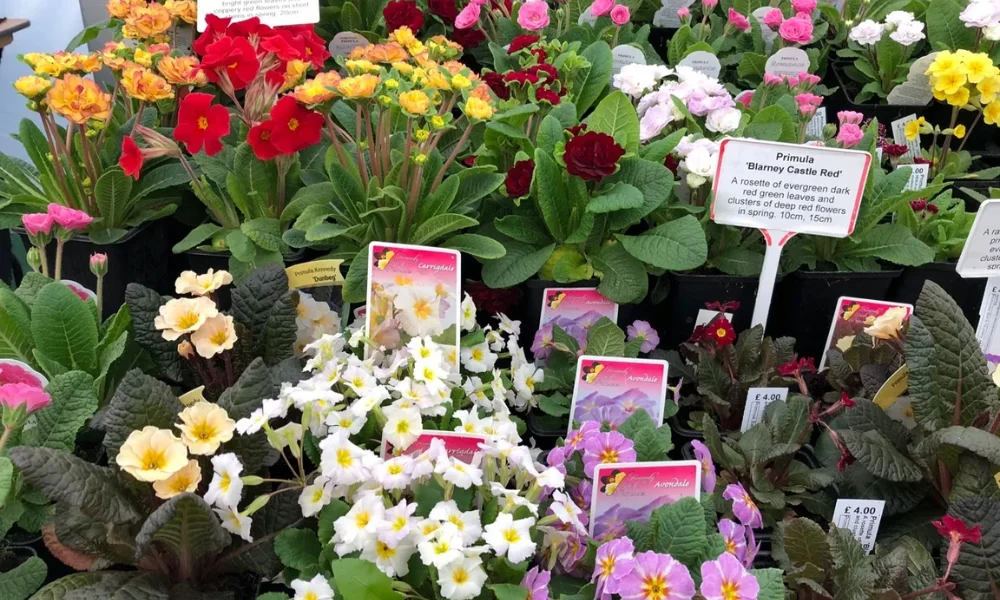
The genus Primula contains over 400 species, so you have many excellent options to choose from. Selecting the right primrose varieties will help you achieve the best color and growth pattern for your space.
-
Primula vulgaris (Common Primrose): This pale yellow European native features single blossoms on short stems. It is incredibly hardy and dependable.
-
Primula veris (Cowslip): This variety produces clusters of small, fragrant, bell-shaped yellow flowers that nod gently in the breeze.
-
Primula japonica (Candelabra Primrose): This unique plant sends up tall spikes with tiers of blossoms. It loves very wet soil near ponds.
-
Primula polyantha (Polyanthus Primrose): This is a popular modern hybrid available in garden centers. It offers intense, vibrant colors with distinct yellow centers.
-
Primula auricula (Auricula Primrose): This variety features thick, powdery leaves and striking, multi-colored blossoms that collectors adore.
How to Care for Primrose: Soil, Light and Temperature
Proper environmental conditions are essential if you want your plant to thrive. True primroses are woodland plants by nature, so they prefer cool, damp, and shaded environments over hot and dry spaces.
Best Soil for Primrose Plants
The ideal primrose soil must replicate a rich woodland floor. You must use a potting mix or garden soil that is rich in organic matter, such as compost or peat moss. The soil must drain water away quickly, yet it still needs to retain consistent moisture.
Aim for a slightly acidic soil pH between 6.0 and 6.7. Heavy clay soil will trap too much water around the roots, and that will lead to plant death. You can add perlite or coarse sand to improve drainage if your soil feels too dense.
Ideal Light and Temperature for Primrose Care
Successful primrose care depends heavily on temperature and light management. These plants thrive in partial shade to dappled sunlight. They do not tolerate intense, direct afternoon sun, which will quickly scorch their tender leaves.
Keep your plants in cool climates whenever possible. They prefer daytime temperatures between 50°F and 65°F, and nighttime temperatures around 50°F. If you live in a region with cool summers, your plants can handle more direct sun, but they need deep shade in hot regions.
How to Water Primrose the Right Way
Improper watering is the absolute quickest way to kill a primrose. Many gardeners hear that these plants love moisture, so they overwater and flood the soil, which destroys the roots.
You must use the top-inch-dry rule for primrose watering. Stick your finger into the soil every couple of days. If the top inch feels dry to the touch, it is time to water thoroughly. If the soil still feels damp, wait another day.
Always pour water directly onto the soil at the base of the plant. Do not pour water over the top of the leaves or flowers, because trapped droplets invite a nasty fungus called botrytis or gray mold.
-
Signs of Overwatering: Yellowing leaves, soggy stems, and a musty smell from the soil.
-
Signs of Underwatering: Wilting leaves, crispy brown edges, and dropping flower buds.
Growing Primrose Indoors: A Step-by-Step Guide
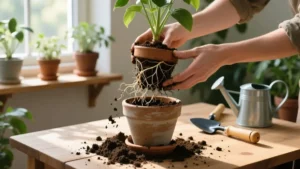
You can easily enjoy primrose indoors as a stunning, colorful houseplant during the winter and early spring months. However, indoor environments can often be too warm and dry for this plant, so you must follow specific steps to keep it happy.
-
Find the Right Spot: Place your potted plant on a window sill that receives bright, indirect sunlight. East-facing windows work beautifully.
-
Control the Temperature: Keep the room cool. Move the plant away from heating vents, radiators, and fireplaces.
-
Boost the Humidity: Indoor air is often dry. Place the pot on a tray filled with pebbles and water to raise the local humidity, but ensure the bottom of the pot does not touch the water.
-
Feed the Plant: Apply a balanced liquid fertilizer diluted to half-strength once every week while the plant is actively blooming.
-
Transition Outdoors: Indoor primroses are often treated as temporary gift plants, but you do not have to throw them away. Once the flowers fade in late spring, you can plant them outside in a shady garden bed to grow as perennials.
Primrose Blooming Season: When and How Long Do Primroses Bloom?
The natural primrose blooming window spans from late winter through early summer. The exact timing depends on your specific climate and local weather patterns. A single plant will typically hold its blooms for several weeks if temperatures remain cool.
You can easily extend this beautiful blooming period by practicing regular maintenance. You must deadhead the plant regularly. This means you pinch off the fading flowers and their stems at the base as soon as they wither.
Deadheading stops the plant from wasting energy on seed production, so it directs its strength into opening new flower buds instead. In some regions with mild autumn weather, a healthy primrose may even treat you to a second, smaller round of blooms in the fall.
Common Primrose Problems and How to Fix Them
Even with excellent care, pests and environmental stress can occasionally attack your plants. Use this quick-reference table to diagnose and treat issues before they ruin your garden display.
Primrose Problems, Causes and Fixes
Primrose Meaning: Symbolism Across Cultures
The primrose meaning is rich with historical lore, and this adds great depth to its beauty. In the famous Victorian language of flowers, gifting a primrose sent the clear message, I cannot live without you. It represented intense, young love and devotion.
Because it blooms so early in the year, the flower also serves as a universal symbol for youth, renewal, and new beginnings. It is the official birth flower for the month of February, making it a thoughtful winter birthday gift.
The individual colors of the blossoms carry specific meanings as well:
-
Red Primrose: Represents deep passion and shared affection.
-
Yellow Primrose: Symbolizes high energy, happiness, and new beginnings.
-
Pink Primrose: Stands for gentle admiration and grace.
-
White Primrose: Often associated with pure love, remembrance, and mourning.
Conclusion
Caring for a primrose comes down to cool temperatures, moist well-draining soil, and consistent watering. Whether grown indoors or in garden beds, this cheerful bloomer rewards attention with vivid spring color. For more expert plant care guides like this, explore Peeacelily’s full library of flower and houseplant resources.
Frequently Asked Questions
Is primrose the same as evening primrose?
No, they are completely different plants that belong to separate botanical families. True primroses (Primula) are shade-loving spring perennials, while evening primroses (Oenothera) are sun-loving summer plants.
How often should I water my primrose plant?
You should water your plant whenever the top inch of soil feels dry to the touch. This usually means watering two to three times a week, but you must check the soil moisture levels instead of relying on a strict calendar schedule.
Can primrose grow indoors year-round?
No, they do not thrive as permanent indoor houseplants because they require a cold winter dormancy period to survive long-term. You can keep them indoors while they bloom, but you should transition them outside to a garden bed once summer arrives.
What does a primrose flower symbolize?
The flower symbolizes youth, renewal, and new beginnings. In historical Victorian traditions, it also represents deep devotion and carries the hidden meaning, I cannot live without you.
When do primroses bloom?
They bloom from late winter through early summer when temperatures remain cool. You can keep them blooming longer by removing faded flowers and keeping the soil moist.