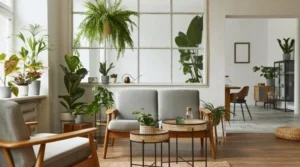
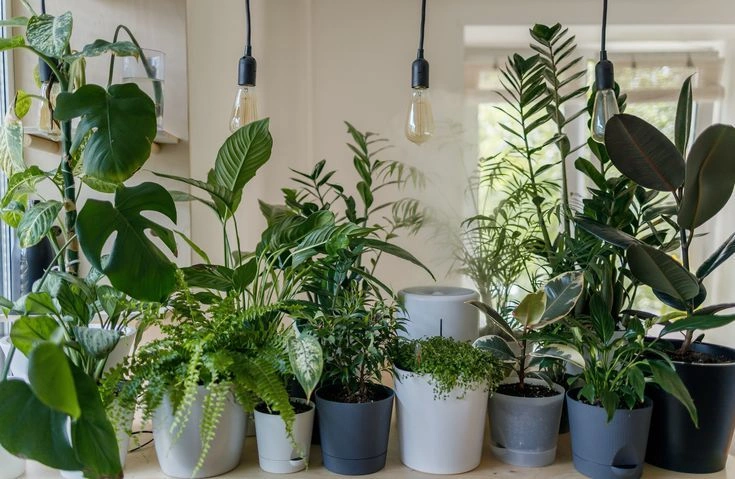
Indoor plants can completely change the mood of a room. But there is a big difference between simply placing a few plants around the house and styling them so they look like part of a professionally designed space.
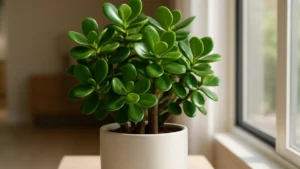
The good news? You do not need rare plants or expensive furniture to get that look. How to Make Indoor Plants Look Expensive is really about choosing the right pots, creating balance, using height, and keeping your plants healthy and well-groomed. A simple rubber plant in the right ceramic planter can look more impressive than a rare plant sitting in a cheap plastic pot.
Here are some designer-inspired ways to give your indoor plants a more polished and expensive appearance without spending a fortune.
Key Takeaways
- Choose attractive planters that complement your home’s colors and materials.
- Hide plain nursery pots inside decorative cachepots when appropriate.
- Match the size of the plant and planter to the surrounding furniture.
- Use plant stands and shelves to create different heights.
- Group plants in small, intentional arrangements instead of scattering them everywhere.
- Keep a consistent color palette for a more polished appearance.
- Use texture through ceramic, wood, stone, terracotta, or woven materials.
- Keep leaves clean, healthy, and properly groomed.
- Always consider light, watering, and drainage before choosing a styling location.
- Remember that you do not need expensive or rare plants to create an expensive-looking room.
Choose the Right Planter
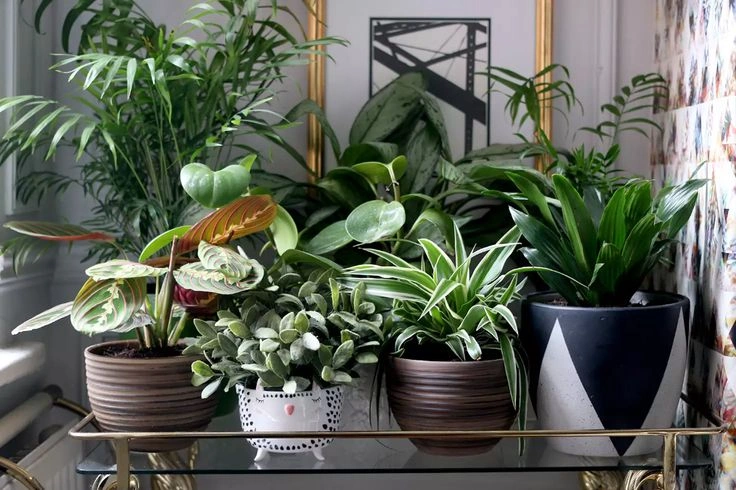
The planter is often the first thing people notice after the plant itself. A basic nursery pot can make even a beautiful plant look unfinished, while a well-chosen planter can instantly make it feel more intentional.
Look for materials such as ceramic, stone, terracotta, metal, or textured finishes. Neutral shades like cream, white, charcoal, beige, brown, and muted green usually create a more sophisticated appearance because they do not compete with the foliage.
You do not have to buy matching pots for every plant. Instead, choose planters that share something in common, such as color, material, or shape. This creates a coordinated look without making the room feel too perfect.
Hide Plastic Nursery Pots
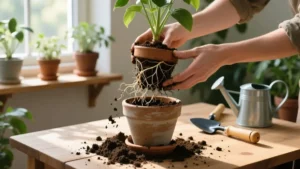
There is nothing wrong with keeping a plant in its original nursery pot. In fact, it can make watering and repotting easier. The trick is simply to hide it inside a decorative cachepot.
This small change can make an ordinary plant arrangement look much more finished. Just make sure excess water does not sit inside the outer pot, because constantly wet roots can lead to problems.
Pay Attention to Plant Size and Proportion
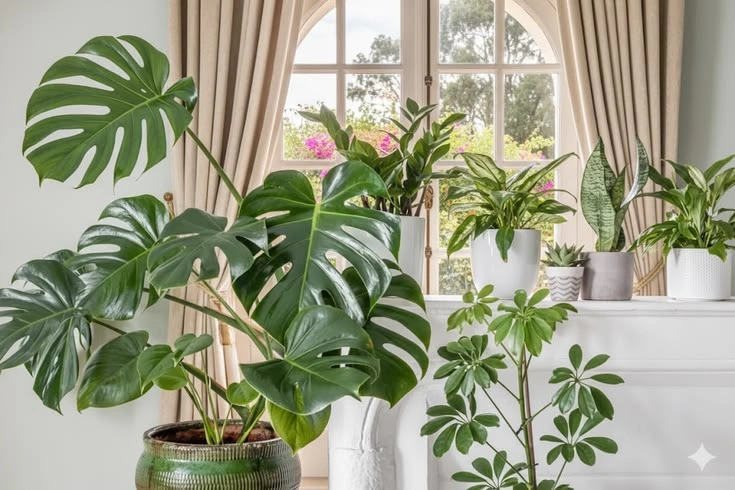
One of the easiest ways to make indoor plants look expensive is to get the scale right. A tiny plant placed inside a huge planter can look lost. A large plant squeezed into a small container can look unstable. The planter should feel proportional to the plant and the surrounding furniture.
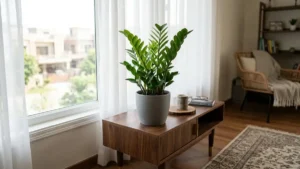
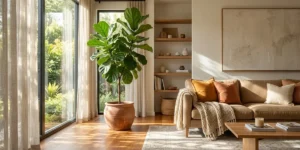
Large architectural plants such as rubber plants, fiddle leaf figs, monsteras, and tall palms can work beautifully beside sofas, consoles, or empty corners. Smaller plants are better suited to shelves, coffee tables, bedside tables, and desks.
Think about the entire space rather than choosing every plant separately. A tall plant can fill vertical space while smaller plants can create layers around it.
Create Height With Plant Stands
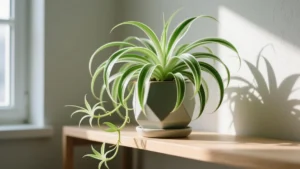
Not every plant needs to sit on the floor. Plant stands are one of the simplest styling tricks for creating a designer look because they introduce different heights. A plant stand can also turn an inexpensive plant into a stronger focal point.
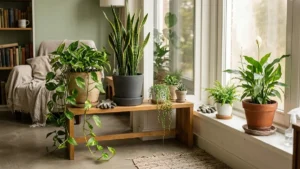
Try placing a medium-sized plant on a wooden, metal, or stone-look stand beside a lower plant on the floor. This creates visual movement and stops everything from sitting at the same level.
You can also use shelves, stools, consoles, or narrow plant tables to bring plants higher into the room.
Group Plants Instead of Spreading Them Everywhere
One plant in every corner can sometimes make a room feel cluttered. Grouping several plants usually creates a stronger visual effect.
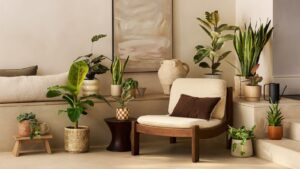
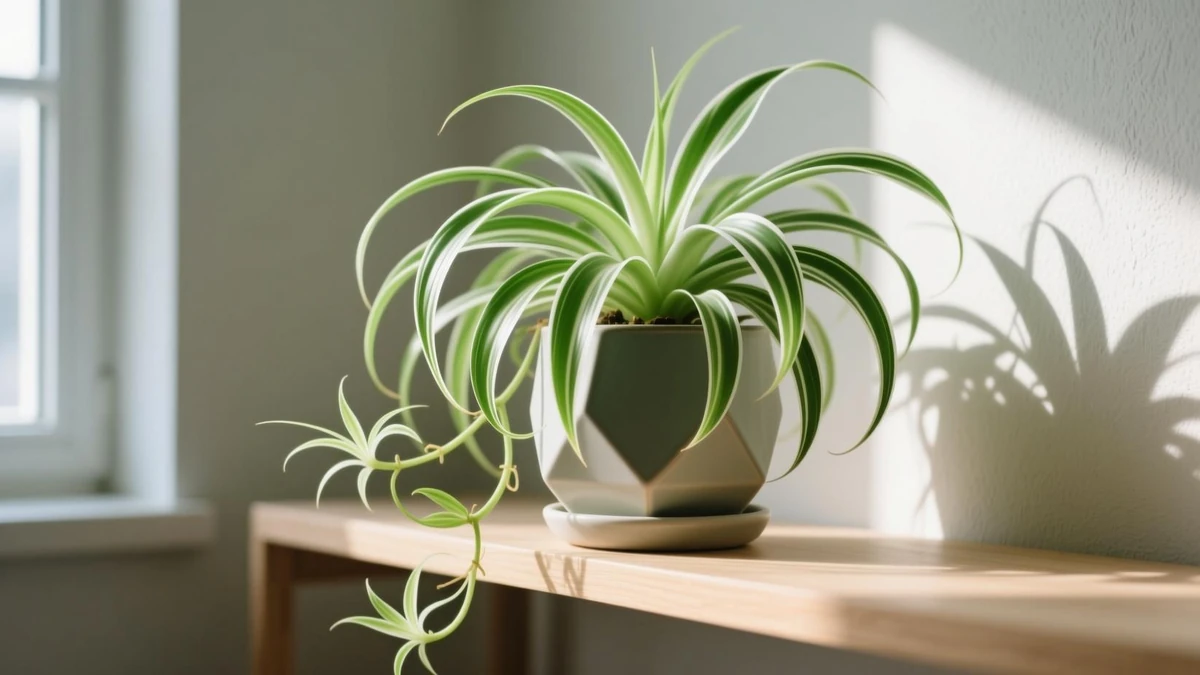
Try arranging three plants with different heights and shapes. For example, place one tall plant beside a medium bushy plant and a smaller trailing plant.
Odd-numbered groupings often feel more natural and balanced. The plants do not need to be identical. In fact, combining different leaf shapes and heights can make the display more interesting.
The key is to leave some breathing room. A luxury-looking plant corner should feel intentional, not overcrowded.
Use One Color Story
A room can quickly look messy when every planter is a different color and every plant has a completely different visual style.
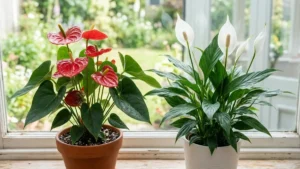
Instead, choose a simple color palette. Warm interiors may look beautiful with terracotta, cream, brown, and natural wood. Modern rooms can work well with black, white, gray, and simple ceramic planters.
You can still add personality, but keeping the main colors connected helps everything feel like part of the same design.
Make the Plant the Star
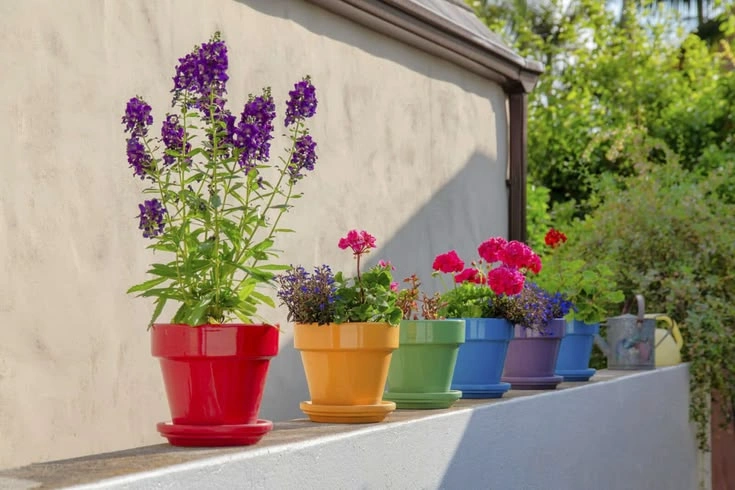
A common styling mistake is buying an expensive-looking planter and then choosing a plant that does not suit it. The plant and pot should work together.
A sculptural plant with strong leaves can look excellent in a simple pot because the foliage becomes the main feature. A plain leafy plant may benefit from a more interesting textured container.
You also do not need rare varieties. Designers often use familiar houseplants because mature, healthy plants already have strong visual impact. Rubber plants, monsteras, philodendrons, snake plants, ficus, palms, and trailing plants can all look sophisticated when styled well.
Use Texture to Add Luxury
Expensive-looking interiors rarely rely on one texture. They usually combine several.
The same idea works with plants. Pair smooth ceramic with natural wood. Place a leafy plant beside a woven basket. Add a stone-look planter to a room with soft fabrics.
You can also use natural top-dressing such as decorative stones or moss where appropriate. This hides exposed soil and gives the planter a more finished appearance.
Keep it subtle. Too many decorative details can make the plant look artificial rather than elegant.
Keep Your Plants Healthy and Groomed
This might be the most important tip of all.
No expensive planter can hide yellowing leaves, dusty foliage, dead growth, or a neglected plant. Healthy plants naturally look more luxurious because their leaves are fuller, cleaner, and more vibrant.
Remove dead or badly damaged leaves when appropriate. Clean dusty leaves gently according to the plant’s needs, check regularly for pests, and prune messy growth when necessary.
Water according to the plant and its environment rather than following a strict calendar. Indoor plants have different watering needs, and factors such as light, temperature, humidity, soil, and container type can change how quickly the soil dries.
Give Plants the Light They Need
A beautifully styled plant is only useful if it can actually thrive in the spot where you put it.
Before choosing a location, consider the plant’s light requirements. Many common houseplants perform well in bright, indirect light, although individual plants have different needs.
This is where good styling and good plant care meet. Do not put a sun-loving plant in a dark corner simply because it looks good there. Instead, choose a plant that naturally suits that location.
When a plant is healthy and growing well, your styling will always look better.
Use Empty Corners Strategically
An empty corner can become one of the best places for a statement plant.
Choose a plant with height and a naturally attractive shape. A tall rubber plant, ficus, palm, or similar architectural plant can add life without requiring additional furniture.
Avoid filling every empty space. One well-positioned plant can have much more impact than several small plants scattered around the room.
This is one of the secrets behind expensive-looking styling: space is part of the design too.
Style Plants With Your Furniture
Your plants should look connected to the rest of your room.
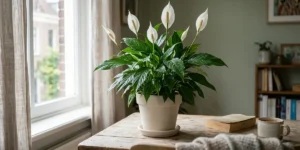
For a minimalist room, choose clean pots and plants with simple shapes. For a warm, earthy interior, terracotta, wood, woven baskets, and leafy plants can work beautifully. In a modern room, structured plants paired with smooth ceramic or dark planters can create a sharper appearance.
Look at the furniture around the plant. A large plant next to a low sofa can create beautiful contrast. A small plant on a wooden console can soften an otherwise plain surface.
Think of plants as part of your interior design rather than separate decorations.
Don’t Ignore the Pot’s Drainage
Good styling should never come at the expense of plant health.
Most houseplants need containers that allow excess water to drain. Without proper drainage, wet soil can remain around the roots for too long and increase the risk of root problems. A decorative outer pot can be used around a nursery pot when you want the appearance of a container without sacrificing practical drainage.
The best-looking plant is ultimately a healthy plant, so always consider what happens below the surface as well as what people see.
A Simple Designer Formula to Try
If you want an easy starting point, try this formula in one corner of your home:
One tall plant + one medium plant + one small plant + coordinated pots + one natural texture.
Place the tallest plant at the back, the medium plant slightly forward, and the smallest plant where its shape can be seen clearly. Keep the pots within the same general color family and leave enough space between each plant.
You can create an attractive display this way without buying a collection of expensive plants.
What Actually Makes Plant Styling Work?
Good indoor plant styling is not only about appearance. It also requires basic knowledge of plant care. A designer-looking arrangement will not stay attractive if the plants are placed in unsuitable light, watered incorrectly, or kept in poorly draining containers.
At Peeacelily, the best approach is to combine visual styling with practical plant care. Choose plants according to the conditions in your home, understand their watering and light needs, and then style them around your furniture and personal taste. This creates a display that looks good now and continues looking good as the plants grow.
That balance between appearance and real plant needs is what makes a styling idea genuinely useful rather than simply photogenic.
Frequently Asked Questions
How to Make Indoor Plants Look Expensive on a Budget?
Start with the pots. Replacing visible plastic nursery pots with simple ceramic, terracotta, or textured cachepots can make a surprisingly big difference. You can also create height with inexpensive plant stands and group existing plants together instead of buying new ones.
What Indoor Plants Look the Most Expensive?
Large, healthy plants with strong shapes often create the biggest visual impact. Rubber plants, fiddle leaf figs, monsteras, ficus, palms, and mature philodendrons can all look sophisticated when placed in suitable planters.
Do Indoor Plants Need Expensive Pots?
No. The shape, size, color, and condition of a planter matter more than its price. A simple, well-proportioned pot that matches the room can look better than an expensive container that clashes with the space.
Should All My Plant Pots Match?
Not necessarily. Matching every pot can sometimes feel too staged. A better approach is to repeat one or two elements, such as a color, material, or shape, while allowing some variation.
How Do I Make a Plant Corner Look More Luxurious?
Use different heights, keep the number of plants controlled, choose coordinated planters, and leave some empty space around the arrangement. Most importantly, keep the plants healthy and groomed.
Can Small Indoor Plants Look Expensive Too?
Absolutely. Small plants can look very polished on shelves, consoles, side tables, and plant stands. The secret is presentation. A healthy small plant in a beautiful pot can look more stylish than a large plant in an unsuitable container.