A room can look completely different with a few well-placed plants. Even a simple corner can feel warmer, fresher, and more alive when you add the right greenery. The good thing is that you do not need a huge collection or a complicated setup to create that look.
These common houseplants are popular for a reason. Many are easy to find, beginner-friendly, and able to grow well indoors when they get the right amount of light and water. From trailing pothos to bold monstera leaves, there is something for almost every room and style.
At Peeacelily, we believe choosing an indoor plant should be about more than just picking the prettiest one. The plant should also match the conditions in your home. Light, humidity, temperature, watering habits, and drainage all affect how well a houseplant grows.
Key Takeaways
- Pothos, snake plant, ZZ plant, and spider plant are excellent starting points for beginners.
- Monstera, rubber plant, and fiddle leaf fig can create a stronger statement in larger spaces.
- Calathea, prayer plant, and Boston fern are useful when you want softer, more detailed foliage.
- Always consider light before choosing a plant.
- Check soil moisture instead of watering every plant on the same schedule.
- Use pots with drainage holes to help prevent overly wet soil.
- If you have pets, check the safety of each plant before bringing it home.
20 Common Houseplants for a Lush Home
1. Pothos
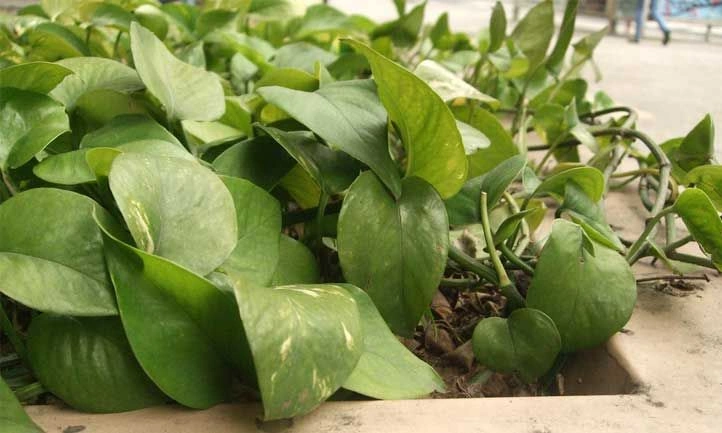
Pothos is one of the easiest ways to add a lush, trailing look to your home. Its heart-shaped leaves grow along long vines, making it perfect for shelves, cabinets, and hanging planters. It can handle a range of indoor conditions, although better light usually supports healthier growth.
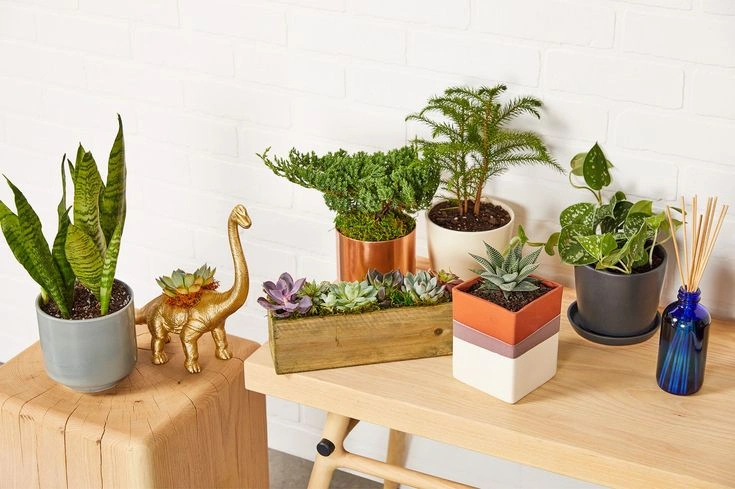
2. Snake Plant
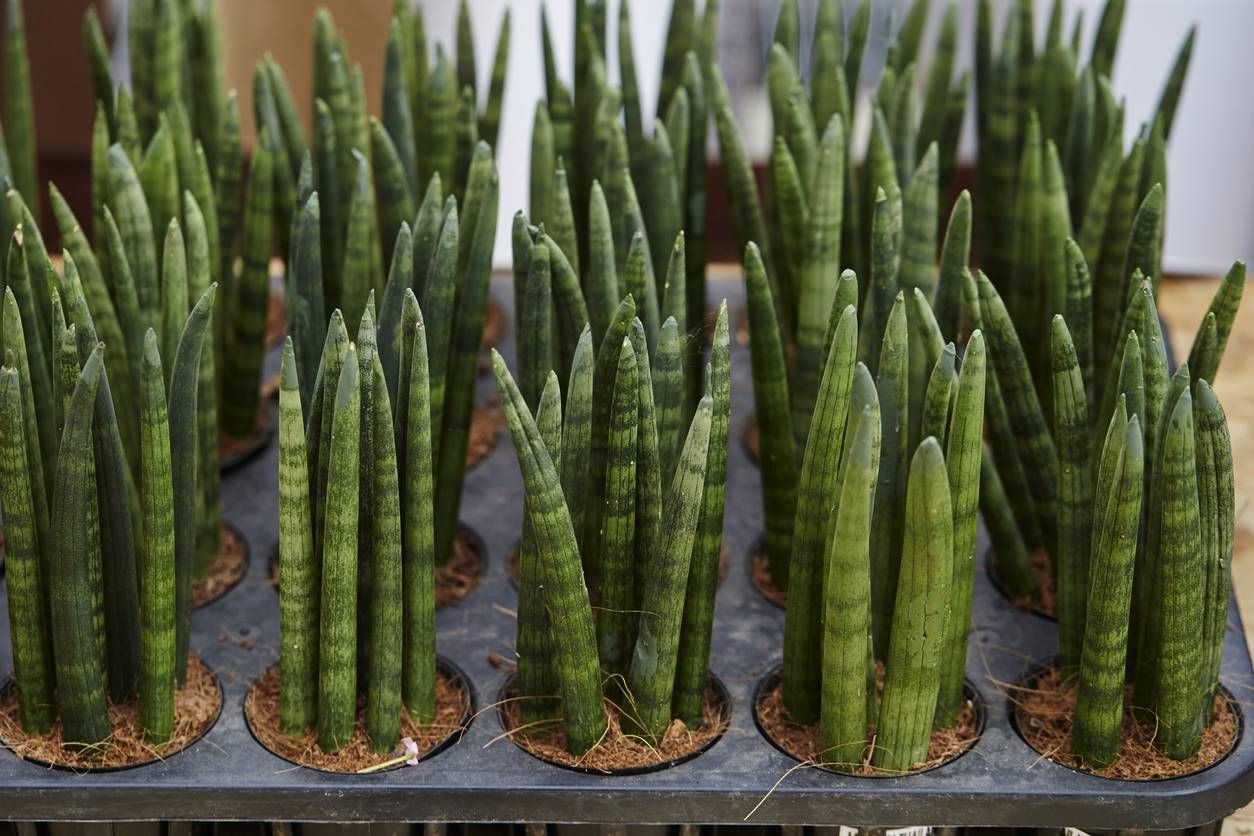
Snake plants have tall, upright leaves that instantly make a room look more structured. They are also a good choice if you sometimes forget to water your plants. Snake plants generally prefer allowing the soil to dry between waterings, so keeping them constantly wet is a poor idea.
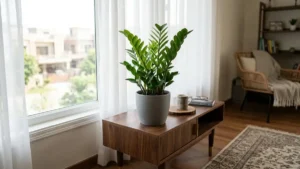
3. ZZ Plant
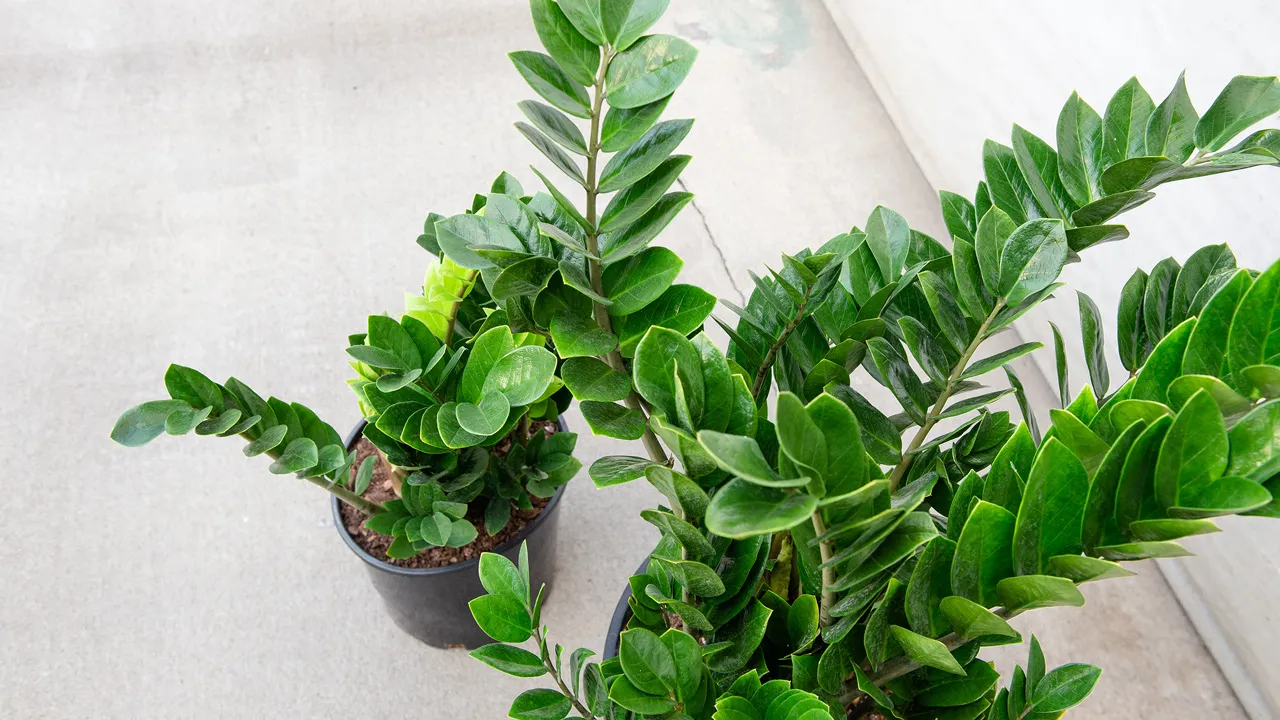
The ZZ plant has thick, glossy leaves that give it a polished appearance. It is especially useful for darker parts of a home where many other plants may struggle. Like other easy-care plants, it still needs some daylight and should not be placed in complete darkness.
4. Spider Plant
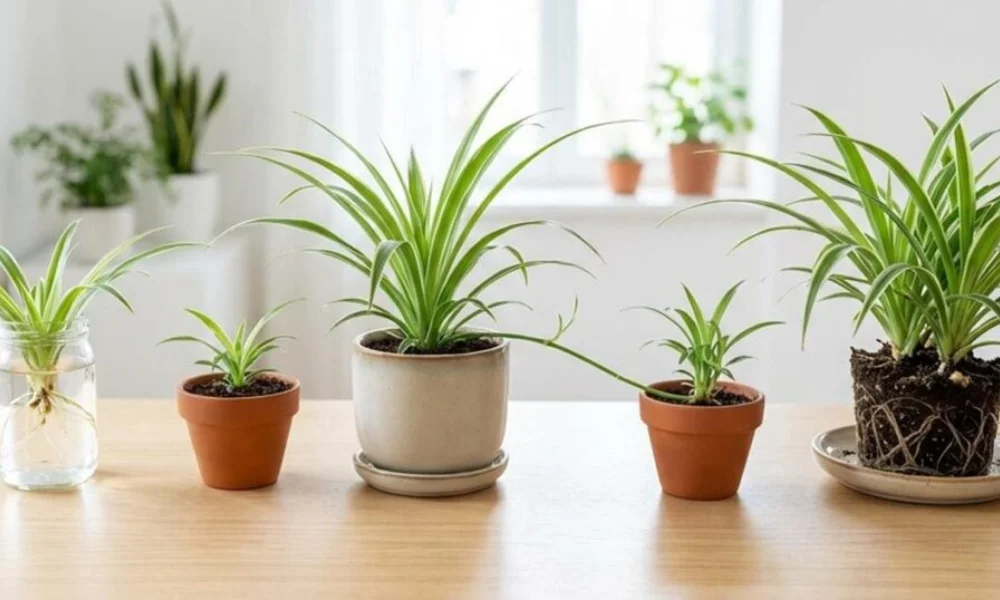
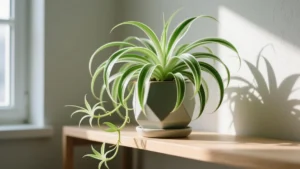
Spider plants bring a light and playful feel to a room. Their narrow leaves form attractive clumps, while mature plants can produce small plantlets that hang from the mother plant. They work especially well in hanging baskets or on high shelves. The ASPCA lists spider plant as non-toxic to both dogs and cats.
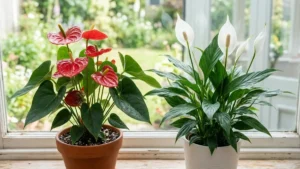
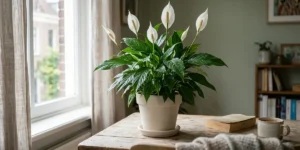
5. Peace Lily
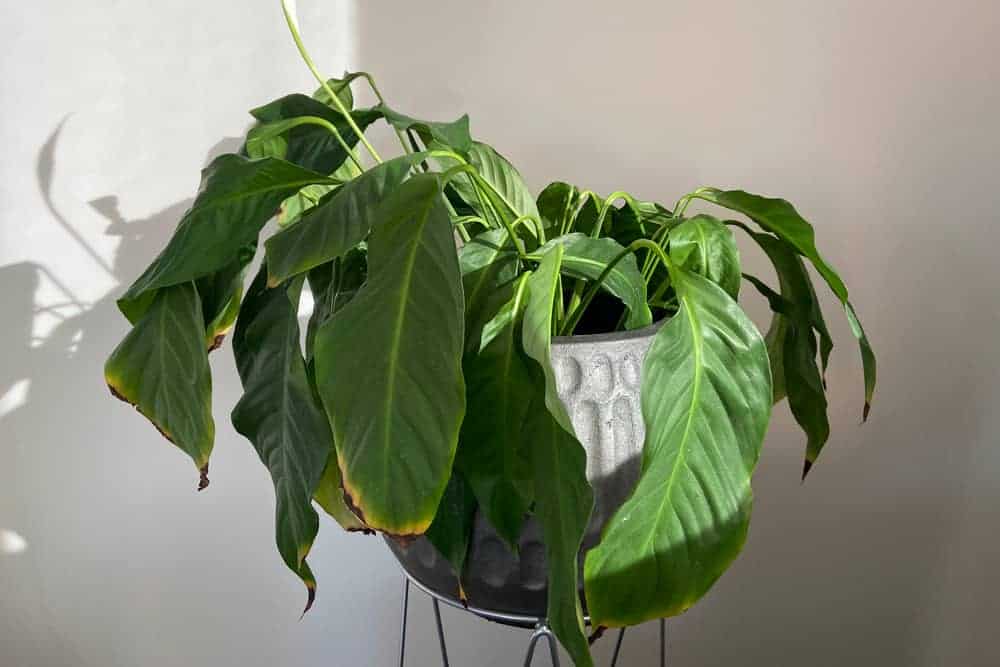
A peace lily adds both green leaves and elegant white flowers to an indoor space. It generally prefers bright, indirect light and evenly moist soil without becoming waterlogged. Its fresh appearance makes it a popular choice for bedrooms, living rooms, and other calm spaces.
Keep peace lilies away from pets that may chew plants because they contain compounds that can irritate if eaten.
6. Monstera
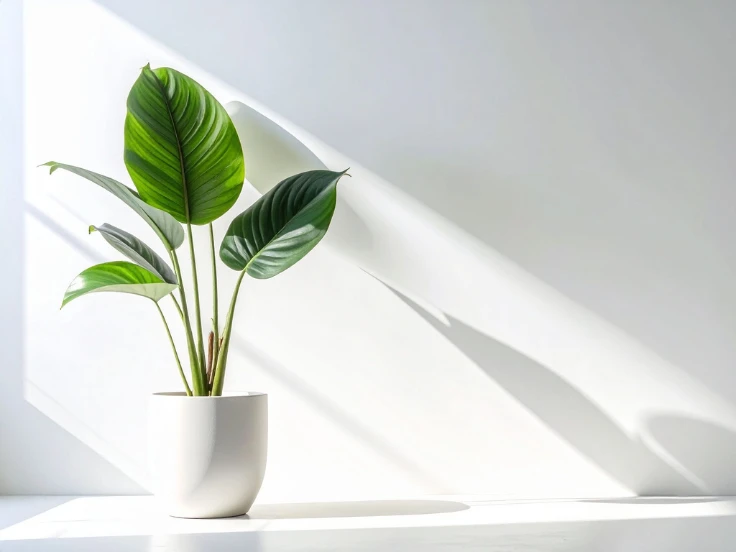
Monstera is perfect when you want a stronger tropical feeling. Its large leaves and natural splits can become a visual centerpiece in a room. Give it enough bright, indirect light and enough space for its leaves to spread.
7. Philodendron
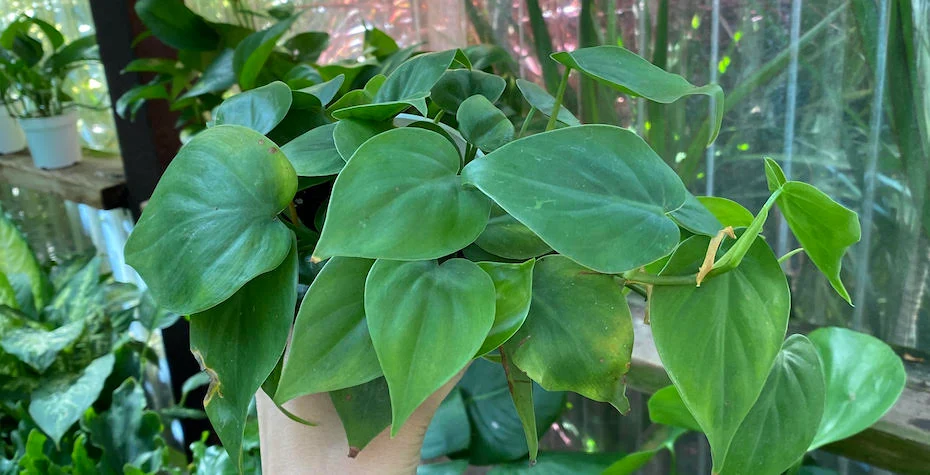
Philodendrons come in many forms, including climbing and compact varieties. Their attractive foliage makes them easy to use around shelves, desks, and living spaces. Many varieties are forgiving, but they still need suitable light and careful watering to stay healthy.
8. Rubber Plant
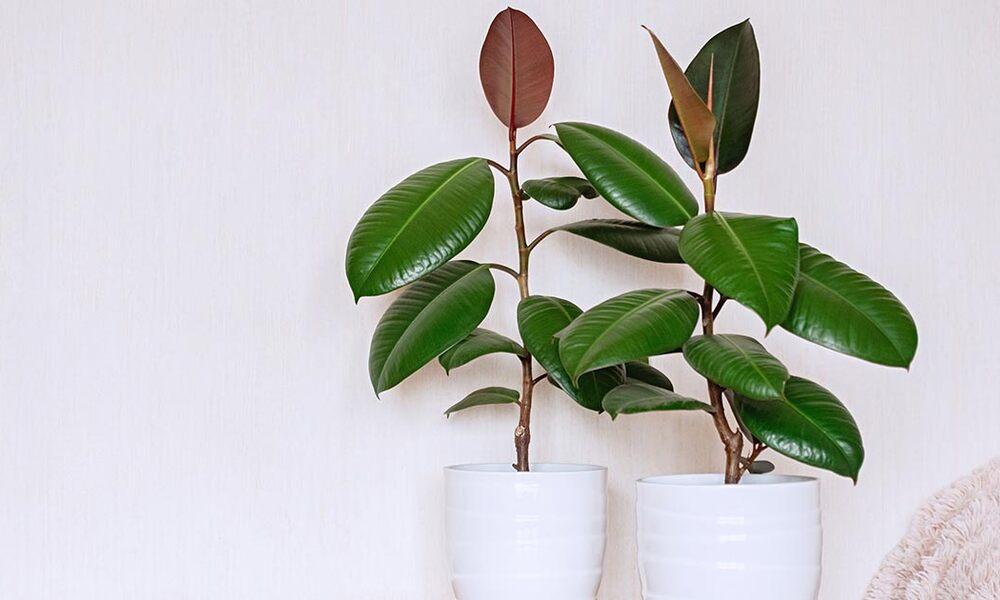
Rubber plants have large, thick leaves that can make an empty corner feel much fuller. They are a good option when you want a plant with a more upright shape rather than a trailing vine. Place one near bright, indirect light and give it enough room to grow.
9. Fiddle Leaf Fig
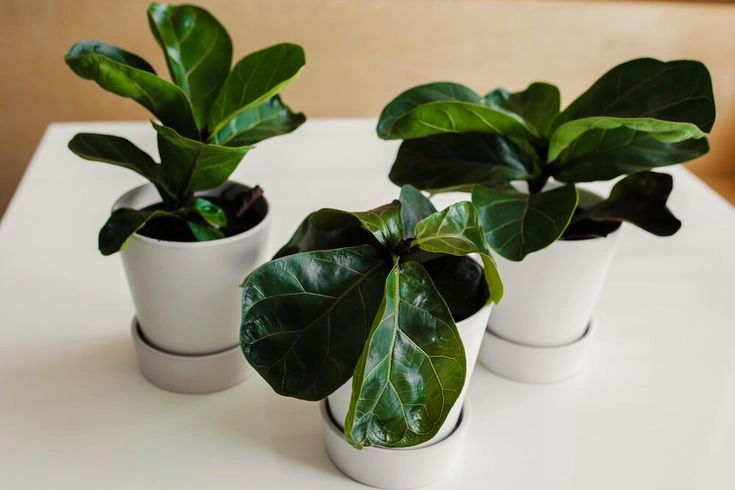
The fiddle leaf fig is known for its large, violin-shaped leaves. It can create a dramatic indoor look without needing several smaller plants. It is less forgiving than some beginner plants, so choosing a suitable position with good light is important.
10. Dracaena
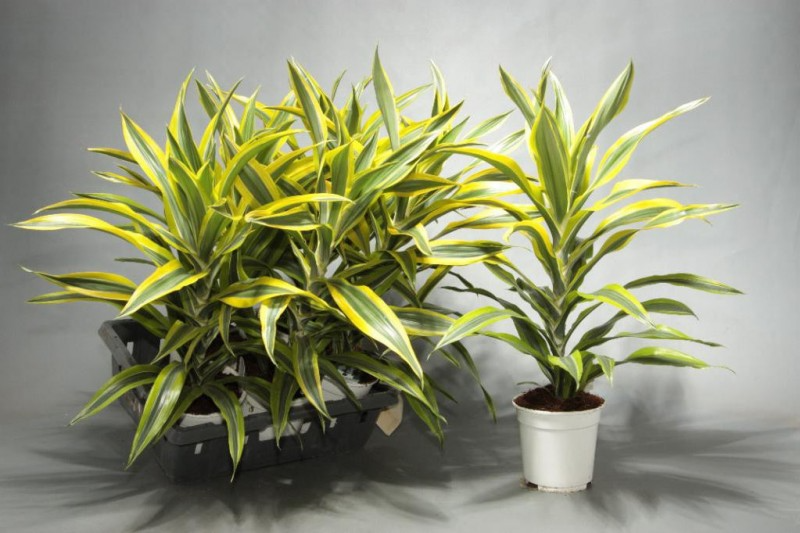
Dracaena plants have long leaves and an upright growth habit, making them useful when floor space is limited. Different varieties can have green, striped, or colorful foliage. They work well beside furniture, in corners, or near windows with suitable light.
11. Chinese Evergreen
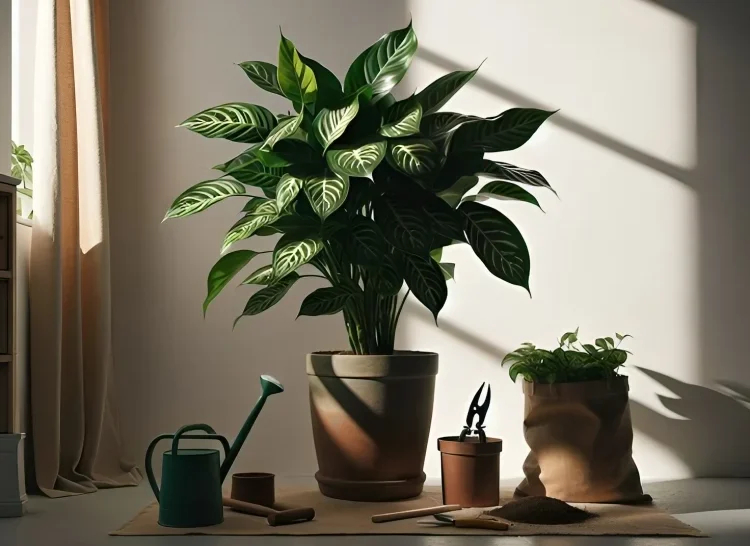
Chinese evergreen is a popular foliage plant with broad leaves and attractive patterns. It can add color without relying on flowers, which makes it useful for year-round indoor decoration. Different varieties have different light preferences, so check the needs of the specific plant you buy.
12. Parlor Palm
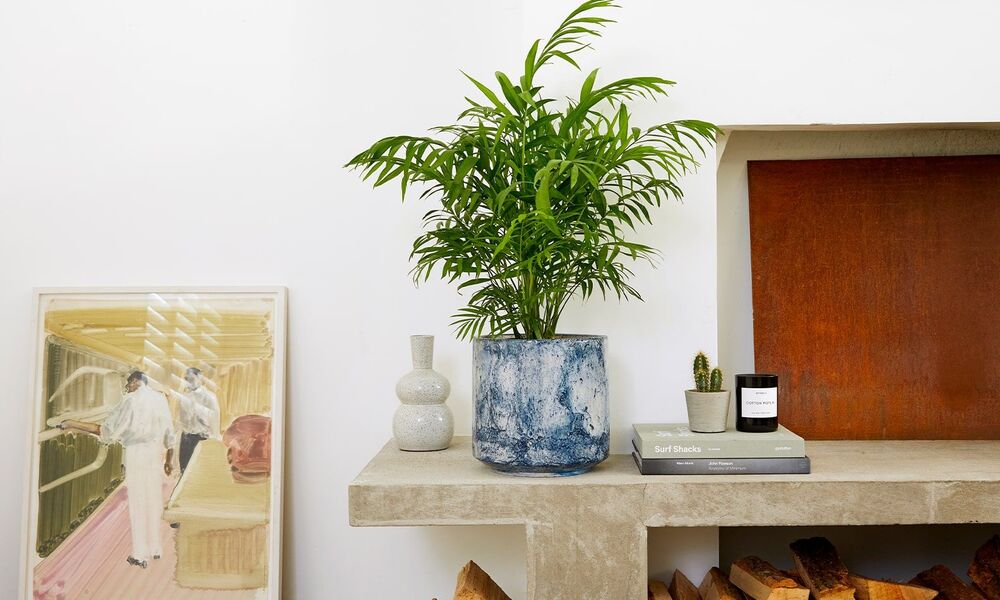
If you want your home to feel a little more tropical, try a parlor palm. Its soft, arching leaves create a relaxed appearance without the heavy look of some large tropical plants. It can work nicely in living rooms, bedrooms, and other bright indoor spaces.
13. Calathea

Calatheas are known for their patterned leaves, which can look almost painted. They are a great choice when you want foliage that stands out instead of simple green leaves. Many calatheas appreciate higher humidity, so a suitable bathroom or another humid area can work well.
14. Prayer Plant
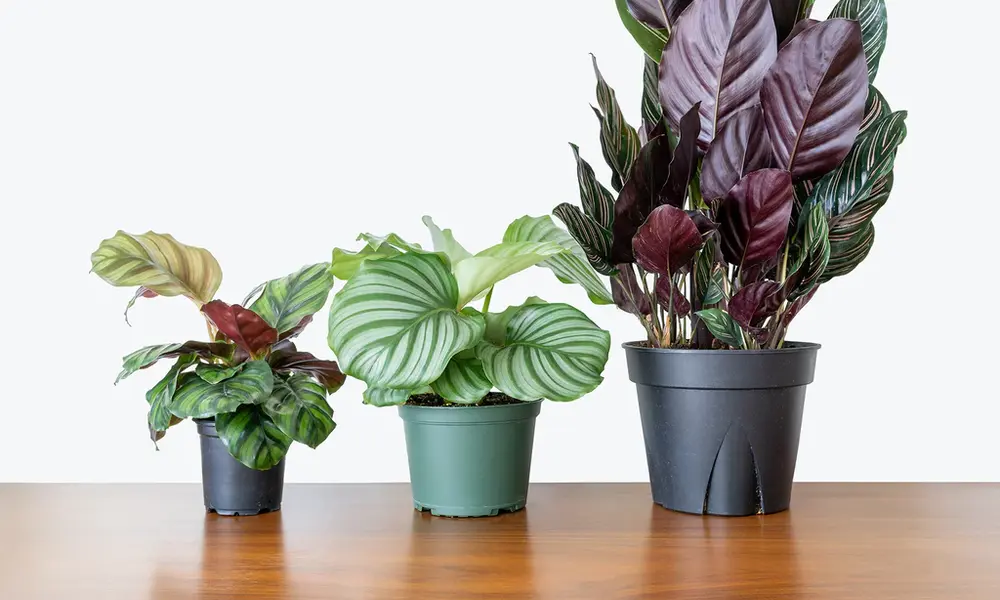
Prayer plants have colorful leaf patterns and a compact growth habit. Their leaves can also change position throughout the day, adding a little movement to your indoor garden. They usually look best when protected from harsh direct sunlight and given suitable humidity.
15. Aloe Vera
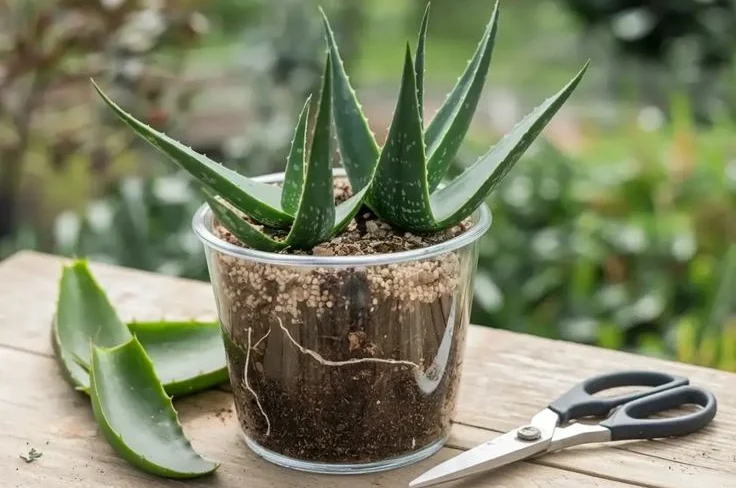
Aloe vera has thick, fleshy leaves that give it a clean and modern appearance. It is a useful option for sunny windows because it prefers brighter conditions than many tropical foliage plants. Allow the growing medium to dry between waterings rather than keeping it constantly damp.
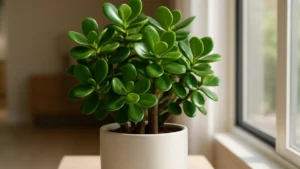
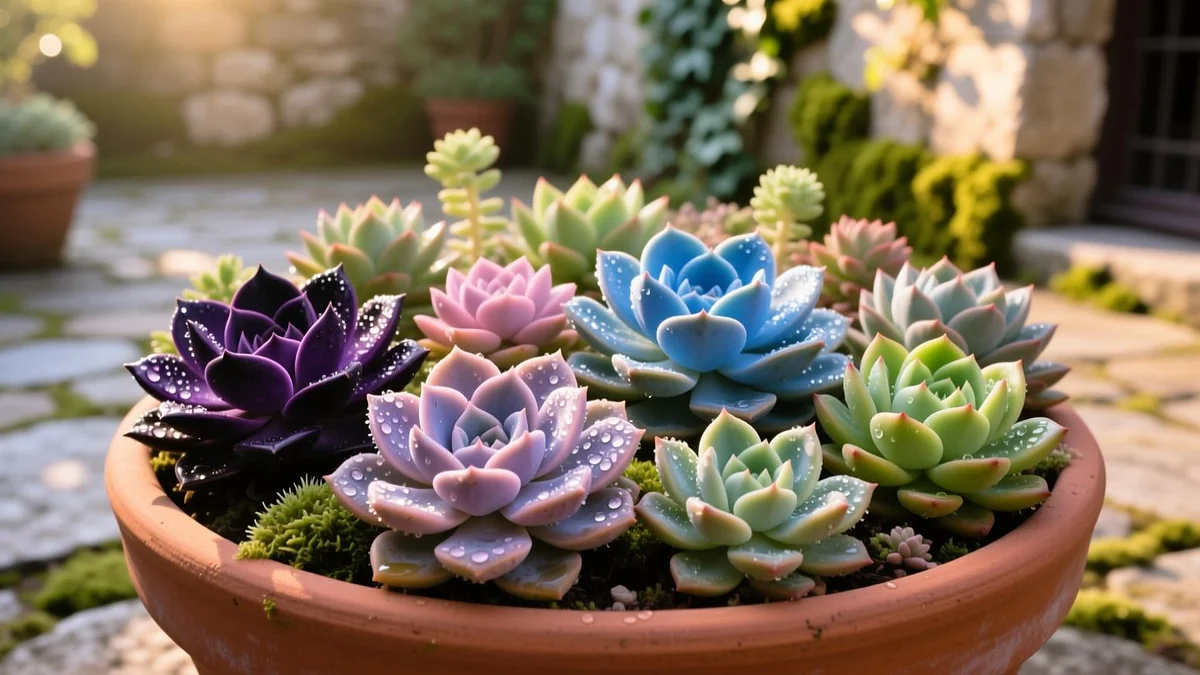
16. Jade Plant
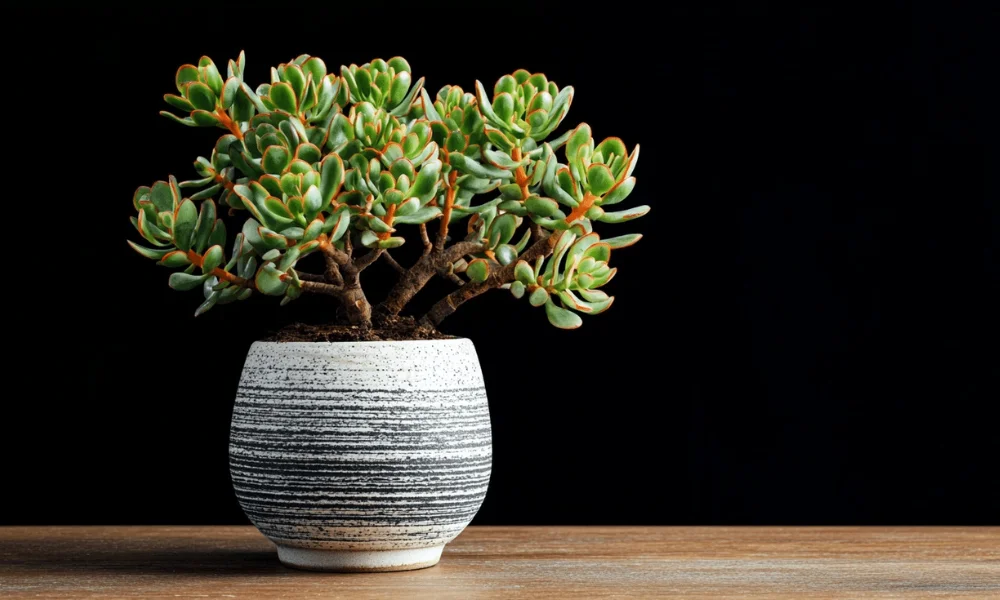
Jade plants have thick stems and fleshy leaves that give them a miniature tree-like appearance. They are excellent for desks, shelves, and sunny windows. As a succulent, jade stores water in its leaves, so excessive watering can create problems.
17. Peperomia
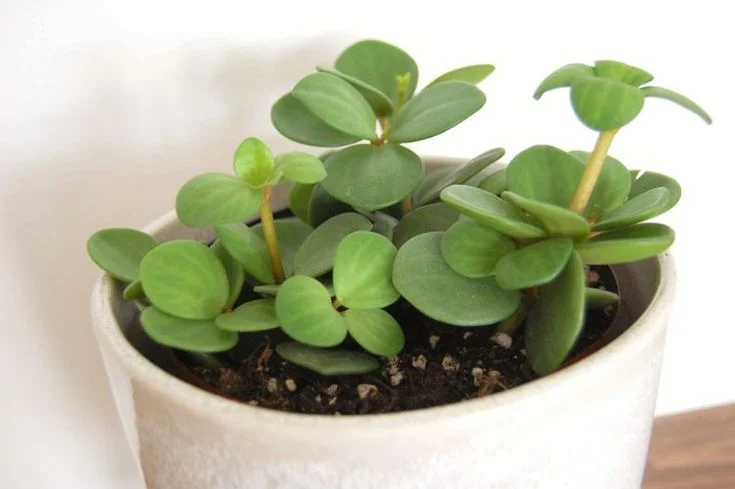
Peperomia is a great choice when you want something compact. Its many varieties offer different leaf shapes, colors, and textures, so you can easily find one that matches your interior style. It works particularly well on desks, side tables, and small shelves.
18. Hoya
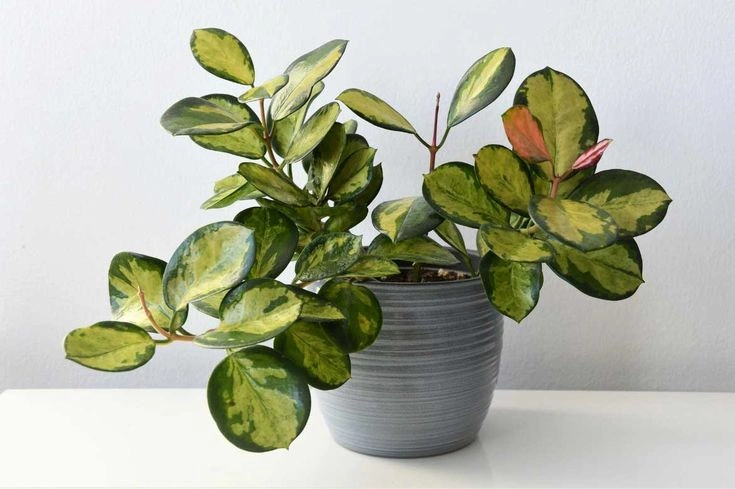
Hoya plants are known for their thick leaves and trailing growth. They can look especially attractive when allowed to hang from a shelf or planter. With the right conditions, some varieties can also produce clusters of unusual flowers.
19. String of Hearts

String of hearts is made for hanging displays. Its thin trailing stems and small heart-shaped leaves create a delicate waterfall effect. Place it somewhere where the vines can hang freely instead of getting tangled behind furniture.
20. Boston Fern
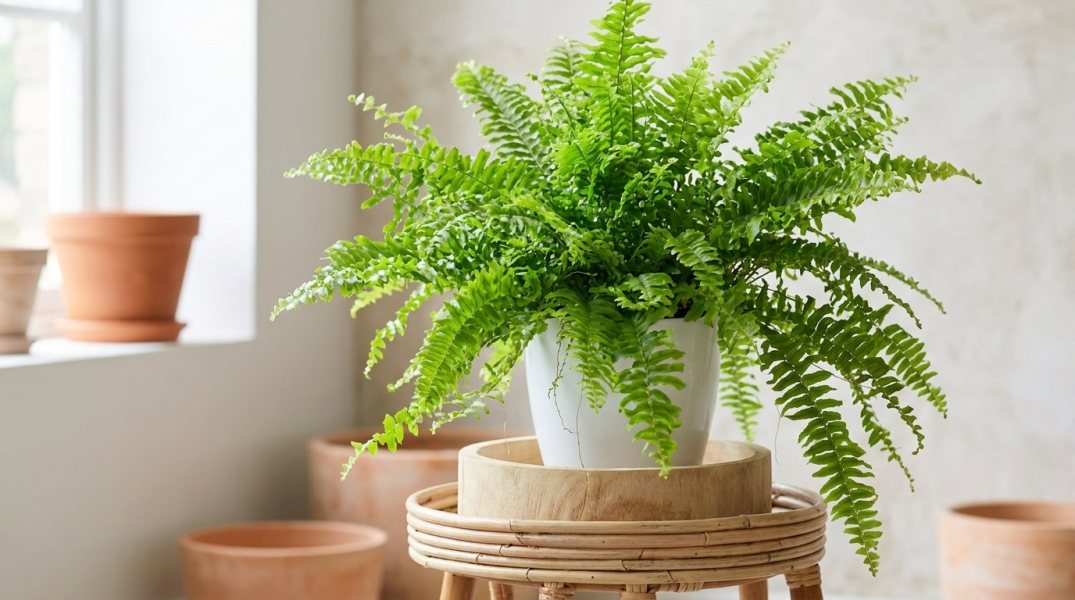
Boston fern can make a room feel instantly fuller because of its soft, dense fronds. It generally appreciates humidity, so it can be a good option for a suitable bathroom or another humid area. Dry air can cause problems such as brown or crispy leaf tips in humidity-loving plants.
How to Make Common House Plants Look More Lush
You do not need to fill every available surface with plants. The trick is to create layers. Place a tall plant such as a rubber plant or fiddle leaf fig on the floor, add a medium plant such as a peace lily nearby, and finish with a trailing plant such as pothos or string of hearts on a shelf.
Different leaf shapes also make a big difference. Pair large monstera leaves with smaller peperomia foliage or fine fern fronds. This creates contrast and makes a collection look more intentional.
Most importantly, choose plants according to the conditions they will actually receive. The RHS recommends considering light, temperature, water, and humidity before deciding where to position a houseplant.
Simple Care Tips for a Fuller Indoor Garden
Give Plants the Right Light
Light is one of the biggest factors behind healthy indoor growth. Some plants prefer bright indirect light, while others tolerate lower-light positions. However, no houseplant can thrive in complete darkness because plants need light to produce food.
Do Not Water on a Fixed Schedule
A common mistake is watering every plant on the same day each week. Instead, check the soil first. The RHS recommends watering when the surface of the growing medium becomes dry and making sure excess water can escape through a drainage hole.
Pay Attention to Humidity
Dry indoor air can cause brown leaf tips and crispy foliage, especially on tropical plants. Grouping plants or using a suitable humidity method can help increase moisture around them. Bathrooms and kitchens often naturally have higher humidity than living rooms.
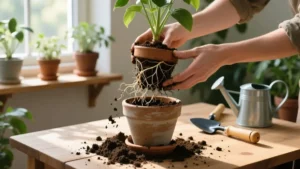
Use Pots With Drainage
A beautiful pot is not enough if water has nowhere to go. Containers with drainage holes allow excess water to escape and help reduce problems caused by overly wet soil.
What to Know Before Choosing Your Plants
Good houseplant advice should be based on the actual growing needs of each plant rather than appearance alone. This guide uses established horticultural guidance from the Royal Horticultural Society for light, watering, humidity, temperature, drainage, and general indoor plant care, along with ASPCA information where pet safety is relevant.
The most reliable approach is simple: identify the light and humidity conditions in your room first, then choose a plant that naturally fits those conditions. This is usually much more successful than buying a plant first and trying to change your home around it.
FAQs
What are the easiest common house plants for beginners?
Pothos, snake plant, ZZ plant, and spider plant are popular beginner choices because they can tolerate a range of indoor conditions and are generally more forgiving when care is not perfect.
Which common houseplants make a room look the most lush?
Monstera, pothos, Boston fern, peace lily, and philodendron can create a noticeably fuller look because of their large, dense, or trailing foliage.
How often should common house plants be watered?
There is no single schedule that works for every plant. Check the soil and water according to the plant’s needs and current indoor conditions. The RHS recommends checking whether the growing medium has dried rather than watering routinely.
What common house plants are good for low-light rooms?
Snake plants, ZZ plants, and some Chinese evergreen varieties can handle lower-light indoor positions better than many plants. However, low light does not mean no light, so a completely dark room is not suitable for houseplants.
Which common houseplant is safe for cats and dogs?
Spider plant is listed by the ASPCA as non-toxic to both cats and dogs. Other popular plants, including pothos and peace lily, can cause problems if pets chew or ingest them, so always check the specific plant before bringing it into a pet-friendly home.
How can I make my houseplants look fuller?
Use plants with different heights, leaf shapes, and growth habits. Combine an upright plant with a bushier plant and a trailing variety, then place them at different levels to create a natural layered look.