The psychology of flowers in the home explains how fresh blooms lift mood, lower stress, and make a space feel calmer within minutes. The effect is real and measured. Studies from Rutgers and Harvard link flowers and mood through color, scent, and the calm act of care. Soft blues and whites soothe, while warm yellows energize. Even one stem placed where you see it often can boost daily wellbeing.
The psychology of flowers in the home hit me on a rough Monday. I dropped grocery-store tulips into an old jar, and my whole kitchen softened in seconds.
That shift was not in my head. Flowers and mood are linked by real science, and the effect is warmer than you would guess. Here at Peeacelily, let me show you why blooms move us, and how to use that on purpose.
KEY TAKEAWAYS
- The psychology of flowers in the home shows fresh blooms can lift mood and lower stress within minutes.
- Flower psychology is backed by research. A Rutgers study found flowers triggered true smiles in every participant.
- Color matters. Soft blues and greens soothe, while warm yellows energize a room.
- Scent adds a second layer of calm and deepens the emotional effect of flowers.
- You do not need a big budget. One stem in a jar can shift how a whole room feels.
WHAT THE PSYCHOLOGY OF FLOWERS IN THE HOME ACTUALLY MEANS
The psychology of flowers in the home is the study of how living blooms affect your emotions, stress, and behavior. Flowers reach you through sight, scent, and the small acts of care they ask for.
Our brains evolved around plants. Bright blooms once meant food and safe ground, and that old wiring still fires today. So flower psychology is partly hard-coded comfort. The first time I added daffodils to a flat winter room, the space woke up, and so did I.
THE SCIENCE BEHIND FLOWERS AND MOOD
Yes, flowers and mood really do connect, and studies prove it. The link is measured, not just a nice feeling.
A Rutgers University study, led by Dr. Jeannette Haviland-Jones, found every woman who got flowers showed a true smile, and her happiness stayed higher for days. A Harvard Medical School study found people with fresh flowers at home felt less anxious and more energized in the morning. The emotional effect of flowers runs on brain chemistry too, nudging feel-good signals like dopamine and serotonin.
WHY COLOR CHANGES THE WAY A ROOM FEELS
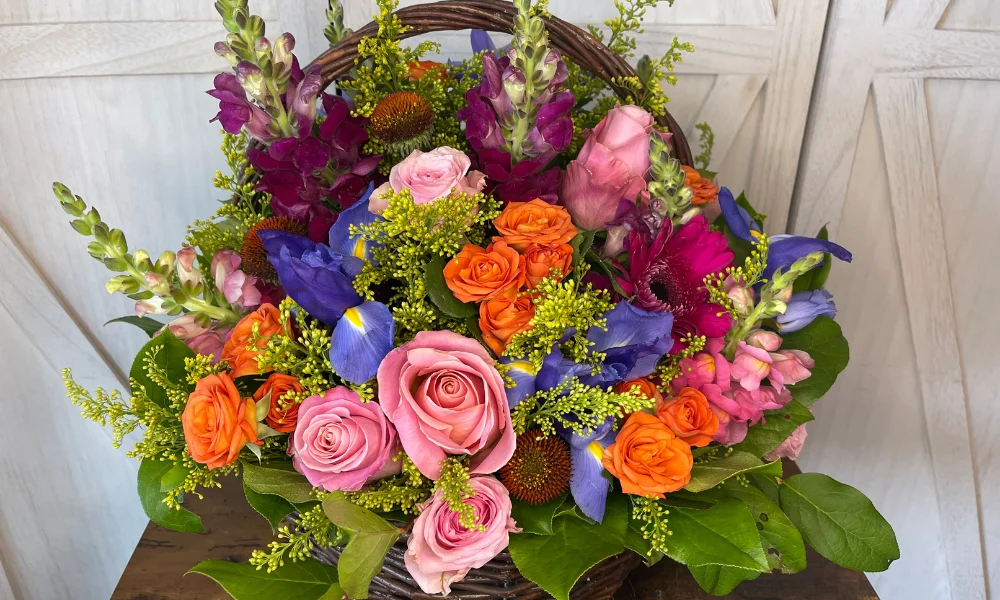
Yes. Color psychology shows that different bloom colors stir different feelings, so the shade you choose shapes the emotional tone of the room. Color is one of the strongest tools in flower psychology. Pick with intention, and you can steer how a space feels.
FLOWER COLOR AND MOOD
| Color | Emotional Effect | Best Room |
|---|---|---|
| Blue (hydrangea, delphinium) | Calm, restful, lowers tension | Bedroom |
| Green (foliage, hellebore) | Balanced, fresh, grounding | Living room |
| Yellow (daffodil, sunflower) | Cheerful, energizing, social | Kitchen |
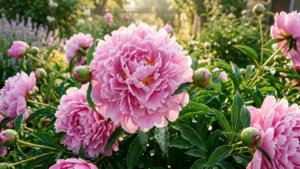
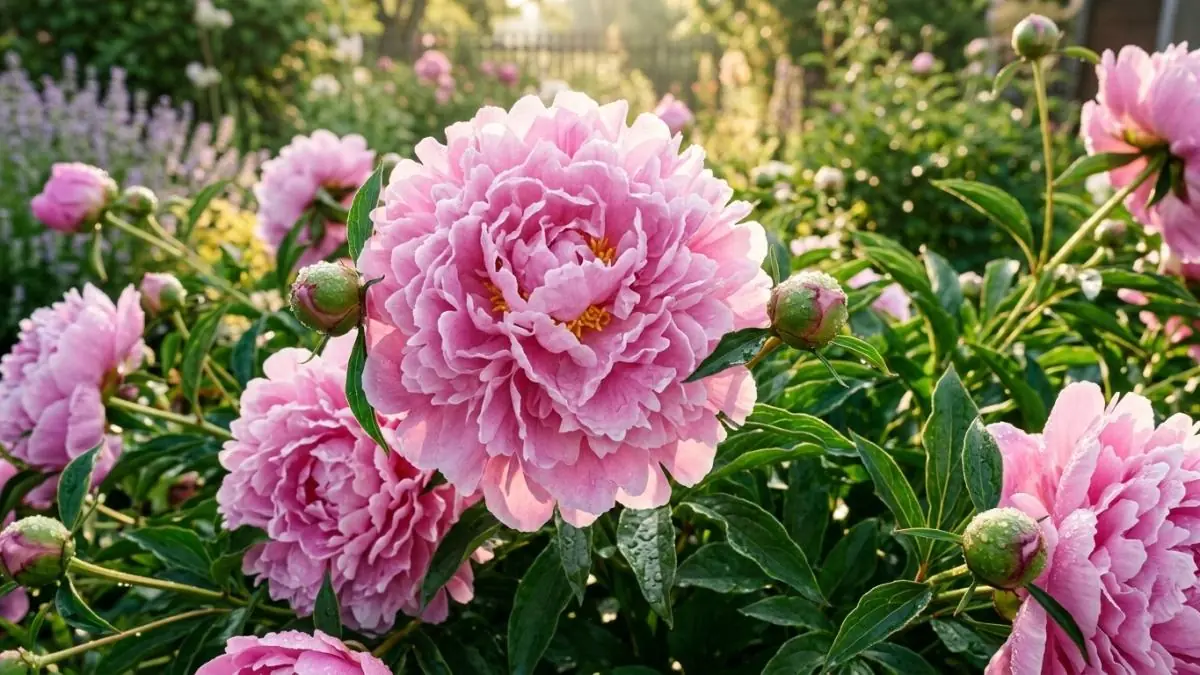
| Pink (peony, rose) | Gentle, comforting, tender | Reading nook |
| White (lily, tulip) | Peaceful, clean, spacious | Bathroom or office |
| Orange (ranunculus, marigold) | Warm, lively, bold | Entryway |
| Purple (lavender, lisianthus) | Soothing, creative, soft | Workspace |
I lean on blues and whites in my bedroom because they help me unwind. The kitchen gets the loud yellows. That bright corner makes breakfast feel like a small celebration. Warm colors push energy up. Cool colors pull it down. Neither is better. It depends on what your room needs that week.
HOW SCENT DEEPENS THE EMOTIONAL EFFECT OF FLOWERS
Smell links straight to memory and emotion in the brain. The path is short and fast, so the emotional effect of flowers often starts before you even think about it.
Here is how I match scent to a room:
- Lavender for calm. It is tied in research to lower stress and easier sleep. I keep stems by my bed in summer.
- Roses for soft comfort. Gentle and steady, good for cozy corners.
- Jasmine for an uplifting, romantic feel. Nice in living spaces.
- Freesia for a clean, sweet lift that makes a small room feel bigger.
- Tulips for low scent. They barely smell and still boost my mood, so they suit allergy-prone homes.
A quick safety note: Many lilies are highly toxic to cats, even the pollen and water. If you share your home with cats, skip true lilies and check the ASPCA toxic plant list before you buy. Pet safety always comes first in this house.
THE PEEACELILY 3-S BLOOM FRAMEWORK
I built this simple model to help you get real emotional value from flowers. I call it the 3-S Bloom Framework, and it covers the three ways blooms reach your mind.
- Sight: Choose color for the mood you want, and place the vase where you actually look often. Hidden flowers cannot do their job.
- Scent: Match fragrance to the room. Calming scents for rest spaces, fresh scents for work and social spaces.
- Stewardship: Use the care routine as a small ritual. Trim stems, change water, remove spent petals. These tiny acts pull you into the present and add quiet calm.
Run through all three S’s, and a five-dollar bunch turns into a real mood tool. I use this checklist every time I bring blooms home.
HOW FLOWERS HELP DIFFERENT ROOMS AND MOMENTS
The psychology of flowers in the home shifts depending on placement. Each room asks for a slightly different feeling.
- Bedroom. Aim for rest. Soft blue, white, or pale pink blooms with gentle scent. A small vase signals wind-down time.
- Kitchen. Aim for warmth. Bright yellow and orange blooms make this hub feel alive at breakfast.
- Home office. Aim for focus with calm. Green foliage and a few purple or white stems ease screen fatigue.
- Entryway. Aim for welcome. Bold, cheerful flowers set the tone the second you walk in.
- Hard days. Aim for comfort. A single soft stem near where you rest can be a quiet anchor. Flowers do not fix pain. They sit with you, and that helps.
REAL CARE TIPS SO YOUR BLOOMS LAST
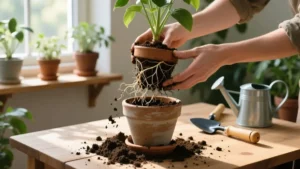
Healthy flowers lift you. Drooping, slimy ones do the opposite, so a little care protects the mood boost. I learned this after watching too many bouquets die fast on my counter.
- Trim the stems at an angle before they go in water. A fresh cut helps them drink.
- Strip any leaves that would sit below the waterline. Underwater leaves rot and cloud the water.
- Use cool, clean water and add the flower food packet if you have one.
- Change the water every two or three days. Fresh water alone doubles vase life for me.
- Keep blooms out of direct sun, away from heat vents, and away from ripening fruit. Fruit gives off ethylene gas that ages flowers fast.
These small steps cost nothing and stretch a bouquet from four sad days to a full bright week.
FRESH FLOWERS VERSUS HOUSEPLANTS FOR MOOD
Both help. Flowers give a fast, vivid lift. Leafy houseplants give a slower, steady calm.
| Feature | Fresh Flowers | Houseplants |
|---|---|---|
| Mood effect | Fast, bright, emotional | Slow, steady, grounding |
| Lifespan | Days to two weeks | Months to years |
| Care load | Low but frequent | Low and occasional |
| Cost over time | Repeats with each bunch | One-time per plant |
| Best for | Quick lift, gifts, events | Daily calm, long-term style |
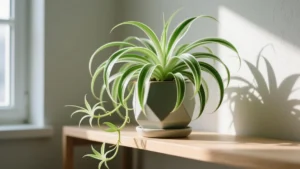
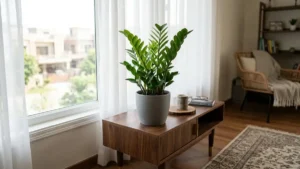
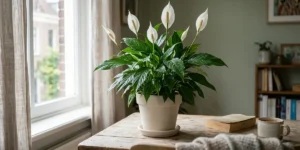
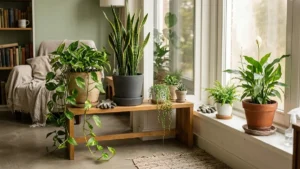
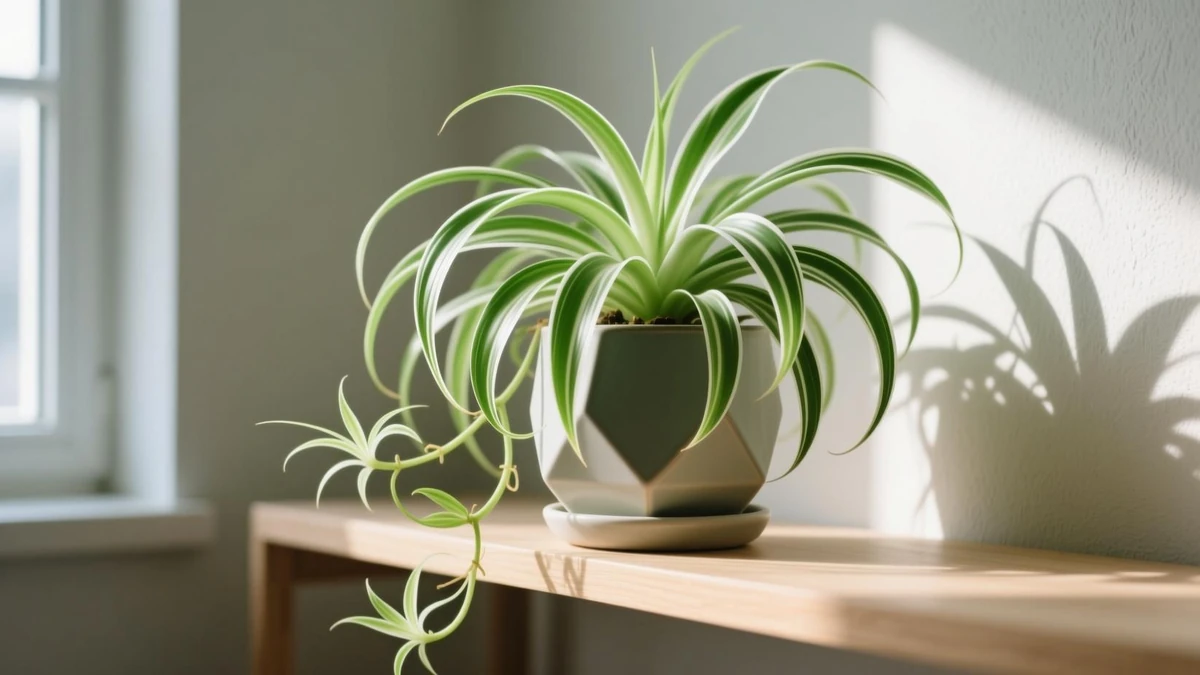
I keep both. A peace lily on the shelf gives me long, leafy calm. A jar of cut blooms gives me the quick spark. The emotional effect of flowers and the steady calm of plants work as a team, not rivals.
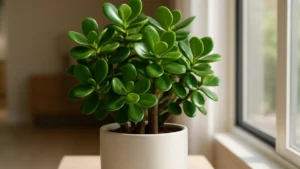
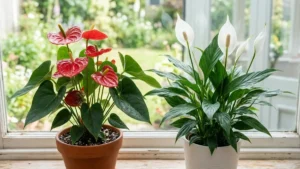
If you want a plant that bridges the two, a flowering houseplant like an African violet or a peace lily blooms indoors and lasts far longer than cut stems.
COMMON MISTAKES THAT WASTE THE FLOWER EFFECT
I have made every one of these. Skip them, and your blooms work harder for you.
- Hiding the vase. Flowers tucked in a corner you never look at do little. Put them in your daily path.
- Skipping water changes. Murky water shortens vase life and smells bad. That smell cancels the calm.
- Ignoring scent clashes. A heavy bloom next to dinner fights the food. Match scent to the space.
- Overcrowding a small room. Too many strong stems feel busy, not calm. Sometimes one perfect flower beats ten.
- Forgetting pet safety. A pretty bouquet is not worth a vet visit. Always check toxicity if pets roam your home.
BEST PRACTICES FROM A REAL PLANT LOVER
- Buy flowers slightly closed. Tight buds open over days and give a longer show.
- Shop in season. Seasonal stems cost less and last longer.
- Repeat small over big. A modest bunch every week beats one giant arrangement once a month.
- Mix textures. Pair showy blooms with simple greenery for a richer jar at low cost.
SEASONAL CONSIDERATIONS
The psychology of flowers in the home shifts with the seasons, and leaning into that makes the effect stronger.
- Spring. Daffodils and tulips fight off the last of the winter heaviness.
- Summer. Sunflowers and zinnias match the bright, social energy of the season.
- Fall. Chrysanthemums and dahlias bring cozy comfort indoors as days shorten.
- Winter. Blooms matter most now. Paperwhites or an amaryllis on a gray day truly lift the mood. I rely on them every January.
CONCLUSION
The psychology of flowers in the home comes down to one hopeful idea. A small living thing, placed where you can see it, can shift how you feel for the better. The research backs it, and so do my years of cut blooms and potted plants.
You do not need a florist budget or a green thumb. One honest stem in a clean jar is enough. That is the heart of Peeacelily. So grab a bunch this week, follow the 3-S framework, and watch your mood gently bloom.
Frequently Asked Questions
Do flowers in the home really reduce stress?
Yes. Studies from Harvard and Rutgers link fresh flowers to lower anxiety and better mood. The emotional effect of flowers comes from color, scent, and the calm act of care.
Which flower color is best for calm and sleep?
Soft blues, whites, and pale pinks work best. These cool shades lower visual tension and suit bedrooms. Pair them with lavender scent for a stronger wind-down.
How long do fresh flowers usually last at home?
Most cut flowers last five to twelve days with good care. Trim the stems, change the water often, and keep blooms out of sun, heat, and ripening fruit.
Are flowers or houseplants better for mood?
Both help. Flowers give a fast, bright lift for days. Houseplants give a slow, steady calm for months. Many people keep both for the best of flowers and mood.
Are any common home flowers dangerous for pets?
Yes. True lilies are highly toxic to cats, including pollen and vase water. Tulips and daffodils can harm pets too. Check the ASPCA list before buying.