Key Takeaways
- How Often Should You Fertilize Aloe Vera? Aloe vera is a light feeder.
- Feed mainly during spring and summer or whenever active growth is occurring.
- Every 6 to 8 weeks is a cautious schedule for many indoor plants.
- Monthly feeding is possible with a properly diluted fertilizer.
- Stop feeding during winter dormancy.
- Cactus or succulent fertilizer is a convenient choice.
- Avoid strong fertilizer and frequent applications.
- Good light, drainage, and watering matter more than heavy feeding.
- If an aloe looks unhealthy, find the underlying problem before adding fertilizer.
Quick Answer
For a simple aloe vera feeding schedule, fertilize your plant lightly during spring and summer, then stop when growth slows in fall and winter.
A practical routine is:
| Season | Feeding Schedule | What to Do |
|---|---|---|
| Spring | Every 4–8 weeks | Start with a diluted feed |
| Summer | Every 4–8 weeks | Continue only if the plant is actively growing |
| Fall | Usually none | Stop as growth slows |
| Winter | None | Let the plant rest |
The RHS recommends monthly feeding during the growing season for aloe plants, while other reputable plant-care guidance recommends fewer applications. This difference is why a conservative schedule is a good choice for home-grown aloe.
How Often Should You Fertilize Aloe Vera?
Aloe vera generally needs infrequent feeding because it is a succulent adapted to relatively lean, well-drained growing conditions.
For a healthy indoor plant, start with a diluted fertilizer every 6 to 8 weeks while it is actively producing new growth. If your aloe is growing strongly and your potting mix is low in nutrients, you can move closer to a monthly schedule.
However, more fertilizer does not mean faster or healthier growth. In fact, excessive feeding can contribute to salt buildup and root damage. The RHS also advises keeping fertilizer use to a minimum where possible.
A Simple Rule for Beginners
If you are unsure how often to feed your aloe, use this rule:
Feed lightly during active growth and skip fertilizer when the plant is resting.
That approach is safer than following an aggressive schedule.
When Is the Aloe Vera Growing Season?
Aloe vera’s active growing period is generally associated with warmer, brighter months. For many indoor plants, this means spring and summer.
The exact months can vary with your climate and growing conditions. A plant kept warm under strong indoor light may continue growing longer than one exposed to cool, darker conditions.
The RHS recommends feeding aloe plants during the growing season, with one guide specifying April through September and its Aloe vera care page recommending monthly feeding from May through August.
What About Fall and Winter?
As light levels and temperatures decrease, aloe often slows down.
Therefore, fertilizer should usually be stopped during fall and winter, particularly when the plant is barely producing new leaves. Feeding a resting plant can leave unused nutrients in the potting mix.
What Fertilizer Is Best for Aloe Vera?
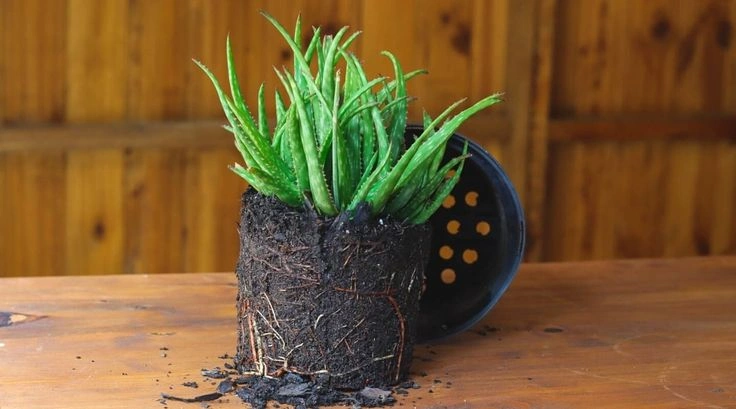
Aloe vera does not require a special “magic” fertilizer. A diluted cactus or succulent fertilizer is a convenient option because these products are intended for plants with relatively modest nutrient requirements.
A balanced houseplant fertilizer can also work when diluted appropriately. The key is using a mild dose rather than applying a concentrated solution. Some current plant-care recommendations specifically suggest half-strength liquid fertilizer for aloe.
Should You Choose Low-Nitrogen Fertilizer?
Aloe does not need heavy nitrogen feeding. If you are choosing between products, a fertilizer made for cacti and succulents is often a straightforward choice.
Rather than chasing a particular NPK number, follow the product label and use a conservative dilution. Different products have different concentrations, so the label matters more than a single universal ratio.
How to Fertilize Aloe Vera Safely
Fertilizing correctly is just as important as choosing the right product.
1. Check the Plant First
Do not automatically fertilize because the calendar says it is spring.
Look for active growth, such as new leaves or developing offsets. If the plant is struggling because of poor light, overwatering, root damage, or pests, fertilizer is unlikely to solve the real problem.
2. Use a Diluted Solution
For liquid fertilizer, many aloe-care recommendations suggest using about half the label strength. If your plant is small, recently repotted, or particularly sensitive, an even weaker solution can be reasonable.
3. Apply It to the Soil
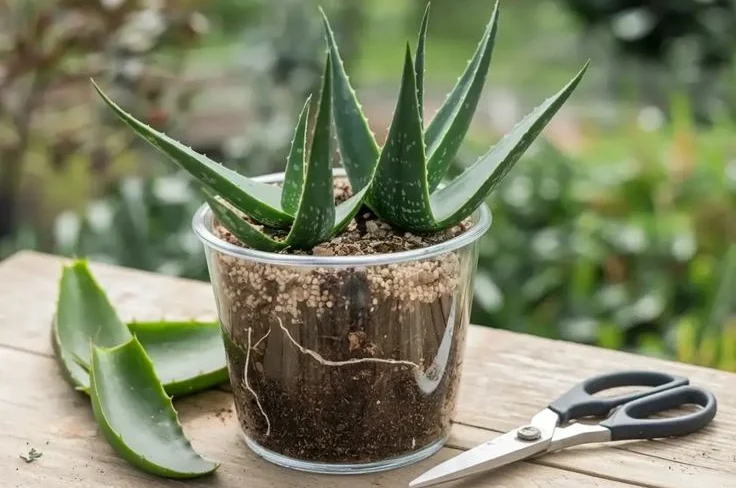
Pour the diluted fertilizer onto the soil rather than into the center of the leaf rosette.
Also, make sure the container has drainage holes so excess water can escape.
4. Do Not Fertilize Bone-Dry Soil
If the soil is completely dry, watering normally before feeding can help prevent a concentrated fertilizer solution from sitting around dry roots.
Most importantly, avoid leaving the plant standing in drainage water.
5. Wait Before Feeding Again
Once you have fertilized, give the plant time to use those nutrients.
For a cautious home schedule, waiting around 6 to 8 weeks before another application is a useful starting point.
Aloe Vera Fertilizer Schedule by Season
A seasonal approach makes aloe vera feeding much easier.
Spring
Spring is a good time to restart feeding if your aloe is showing new growth.
Give it one diluted application, then watch how the plant responds before deciding when to feed again.
Summer
If the aloe continues actively growing, another light application can be given after several weeks.
For many indoor plants, two or three light feedings across the growing season are plenty. Other horticultural guidance allows monthly feeding, so the plant’s growth and fertilizer strength should guide your choice.
Fall
As growth slows, gradually stop feeding.
There is usually little benefit in continuing a summer fertilizer routine when the plant is no longer actively growing.
Winter
Do not fertilize a normally resting aloe vera plant.
Instead, focus on bright light, good drainage, and careful watering. The RHS specifically advises against feeding aloe during winter.
Signs Your Aloe Vera May Need Fertilizer
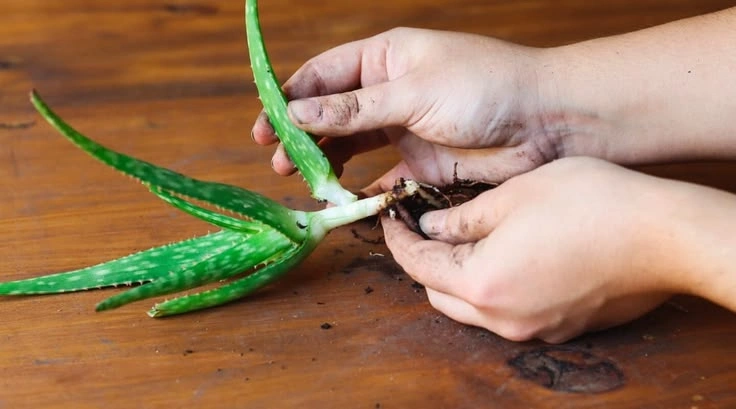
Slow growth does not automatically mean your aloe needs fertilizer.
First, check whether it receives enough light and whether the soil drains properly. Poor growing conditions can make an aloe appear unhealthy even when nutrients are not the problem.
Possible signs that deserve investigation include:
- Very slow new growth during the active season
- Pale-looking new growth
- Little development despite good light and proper watering
- A long period without fresh leaves or offsets
However, these symptoms can have several causes. Do not use fertilizer as a cure-all.
Signs You Are Using Too Much Fertilizer
Overfeeding is one of the biggest problems to avoid with aloe.
Possible warning signs include:
- Brown leaf tips
- Discolored leaves
- Weak or abnormal growth
- Salt deposits on the soil surface
- Declining roots
- Soft or stressed foliage
Aloe vera is particularly vulnerable to problems caused by poor drainage and excessive moisture, so fertilizer should always be considered alongside the plant’s overall care.
What Should You Do After Over-Fertilizing?
Stop feeding immediately.
If you suspect fertilizer salt buildup, thoroughly watering the pot with clean water and allowing it to drain freely can help move soluble salts through the growing medium. Do not repeat this if the plant has severe root-rot symptoms without first addressing the drainage problem.
Liquid vs. Slow-Release Fertilizer
Both types can work, but they require different approaches.
| Fertilizer Type | Advantages | Best Approach |
| Liquid | Easy to measure and adjust | Dilute and feed occasionally |
| Cactus/succulent liquid | Designed for similar plants | Good choice for beginners |
| Slow-release | Less frequent application | Follow the product label carefully |
| Organic amendments | Can add nutrients gradually | Use sparingly in well-draining mix |
Liquid fertilizer gives you more control over the amount supplied at each feeding. Slow-release products can be convenient, but you should avoid adding extra fertilizer on top of them unless the product instructions support it.
Common Aloe Vera Fertilizer Mistakes
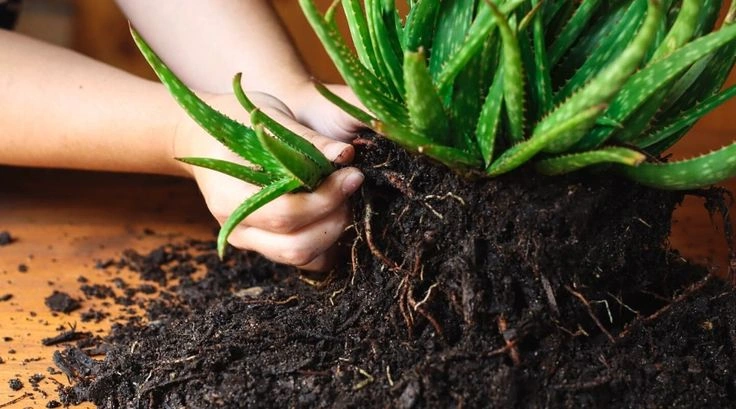
Fertilizing Every Week
Aloe is not a typical thirsty, fast-growing foliage plant.
Weekly feeding is generally unnecessary and can increase the risk of nutrient buildup.
Using Full-Strength Fertilizer
More is not better.
Instead, use the recommended dilution and, when appropriate, a weaker solution for this light-feeding succulent.
Feeding in Winter
If your aloe has stopped growing, continuing the same summer feeding routine is unnecessary.
Wait until active growth returns.
Blaming Fertilizer for Every Growth Problem
An aloe with poor light will not suddenly become healthy because you add fertilizer.
First check light, watering, drainage, temperature, pests, and roots.
Ignoring the Potting Mix
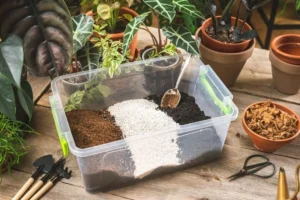
Aloe vera needs a fast-draining growing medium. The RHS recommends cactus or succulent compost and emphasizes good drainage because aloe does poorly in continuously wet compost.
Frequently Asked Questions
How often should I fertilize aloe vera indoors?
For most indoor aloe vera plants, every 6 to 8 weeks during active growth is a conservative schedule. Some established plants can be fed monthly, while others may need only two or three applications for the season.
Can I fertilize aloe vera every month?
Yes. Monthly feeding can be appropriate during active growth when the fertilizer is properly diluted. The RHS recommends monthly feeding for aloe plants during their growing season.
Should I fertilize aloe vera in winter?
Usually no. Aloe often grows more slowly during the cooler, darker months, so regular feeding should stop until active growth resumes.
Is cactus fertilizer good for aloe vera?
Yes. A cactus or succulent fertilizer is a practical option because aloe vera is a succulent with relatively modest nutrient needs.
Can I use regular plant fertilizer on aloe vera?
Yes, but use it carefully. A regular houseplant fertilizer should be diluted according to the product instructions, and many aloe-care sources recommend using a reduced-strength solution.
Does aloe vera need fertilizer to survive?
No. Aloe vera can grow successfully with very little supplemental fertilizer, especially when it has suitable light, drainage, and growing media.
Should I fertilize aloe vera after repotting?
Usually, wait until the plant has settled into its new pot and check whether the fresh potting mix already contains nutrients. Adding fertilizer immediately can be unnecessary.
Why are my aloe vera leaves turning brown after fertilizing?
Brown tips can occur for several reasons, including fertilizer stress, salt buildup, watering problems, or harsh environmental conditions. If the problem appeared soon after feeding, stop fertilizer and review the application strength.
Conclusion
So, how often should you fertilize aloe vera? For most home-grown plants, a light feeding every 6 to 8 weeks during active growth is a sensible starting point. Monthly feeding can also work when the fertilizer is diluted and the plant is growing strongly.
The important part is not feeding as often as possible. Instead, give your aloe enough nutrients to support healthy growth while avoiding the buildup that can damage its roots.
For more guidance, see Peeacelily’s Aloe Vera Plant Fertilizer guide for related fertilizer information, and its Low-Maintenance Indoor Plants guide for broader aloe care tips.