Key Takeaways
- How Often to Water a Peace Lily? Check the soil instead of watering strictly by the calendar.
- Water when the upper few centimeters have started to dry.
- Give the plant a thorough drink rather than tiny frequent sips.
- Always allow excess water to drain.
- Never leave the pot standing in water.
- Drooping with dry soil usually points toward underwatering.
- Drooping with constantly wet soil can indicate overwatering or drainage problems.
- Reduce watering when growth slows, but continue checking the soil.
- Bright indirect light can increase water use compared with low light.
- Hot, dry, air-conditioned, and humid environments can all change watering needs.
- Filtered or rainwater may help when tap-water minerals cause recurring leaf-tip problems.
Quick Answer
Most peace lilies should be watered when the top few centimeters of soil feel dry rather than according to a strict calendar. In many indoor homes, this may mean watering about once a week, but the exact timing can change considerably with light, temperature, humidity, pot size, soil, and drainage.
The RHS recommends watering peace lilies regularly but moderately and allowing the compost to dry slightly between waterings. Missouri Botanical Garden similarly recommends keeping the soil evenly moist without making it soggy.
Therefore, check the soil before every watering instead of automatically watering every seven days.
How Often to Water a Peace Lily
A peace lily likes moisture, but its roots should not sit in constantly wet soil. In other words, the goal is evenly moist soil with a little drying between waterings.
A useful starting point is:
| Indoor conditions | Typical watering pattern |
|---|---|
| Bright indirect light | Around once a week, sometimes more often |
| Medium light | Around every 7 to 10 days |
| Low light | Often every 10 to 14 days or longer |
| Hot, dry room | Check the soil more frequently |
| Cool room or winter conditions | Usually water less frequently |
| Small pot | May dry out faster |
| Large pot | May stay wet for longer |
These are starting points rather than fixed rules. Your plant may need water sooner or later because indoor conditions vary.
For example, a peace lily beside a bright window in a warm room may use water much faster than one sitting several feet away from a low-light window.
Peace Lily Watering Schedule
Instead of following a rigid schedule, create a soil-based watering routine.
Check your plant every few days. Push your finger into the top few centimeters of soil. If that area still feels noticeably moist, wait. If it feels dry and the pot is becoming lighter, it is usually time to water.
This method is more reliable than saying, “I always water my peace lily every Sunday.”
Missouri Botanical Garden notes that indoor plants should not generally be watered strictly by the calendar because their needs depend on the plant, environment, and soil.
A Simple Weekly Routine
Once a week, inspect your peace lily.
If the soil is still moist, leave it alone and check again later. If the upper soil has dried and the plant is beginning to show mild drooping, water it thoroughly.
Over time, you will learn how quickly your particular plant dries out. That becomes your personal watering schedule.
How to Know When Your Peace Lily Needs Water
The easiest test is the soil test.
Insert a clean finger a few centimeters into the soil. The upper layer should feel somewhat dry before you water again.
You can also lift the pot. A recently watered pot usually feels noticeably heavier, while a pot that has dried out becomes lighter.
Another clue is the foliage. Peace lilies can droop dramatically when they are thirsty. Fortunately, they often recover after receiving water, provided the roots are healthy.
However, do not wait for severe wilting every time. Regularly allowing a plant to become extremely dry can put unnecessary stress on it.
How Much Water Does a Peace Lily Need?
Do not measure water only with a fixed number of cups because pot size and soil composition are different from plant to plant.
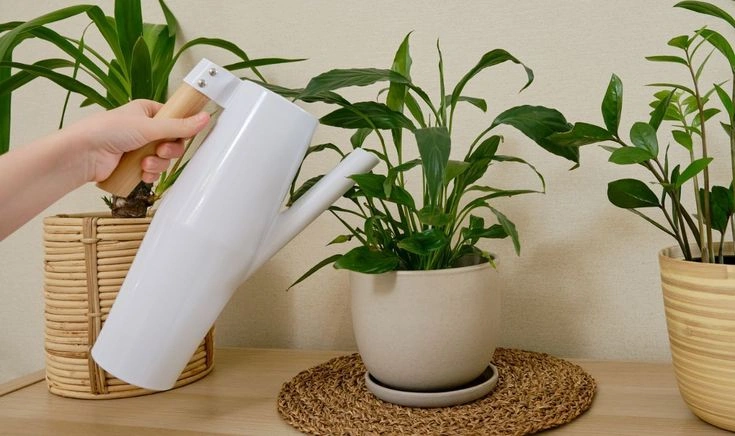
Instead, water slowly and thoroughly until some water begins to drain from the holes at the bottom of the pot.
This helps moisten the root zone rather than only wetting the surface. Afterward, empty excess water from the saucer or decorative container.
Missouri Botanical Garden specifically recommends allowing some water to drain through the pot and removing excess water so the plant does not sit in standing water.
How to Water a Peace Lily Correctly
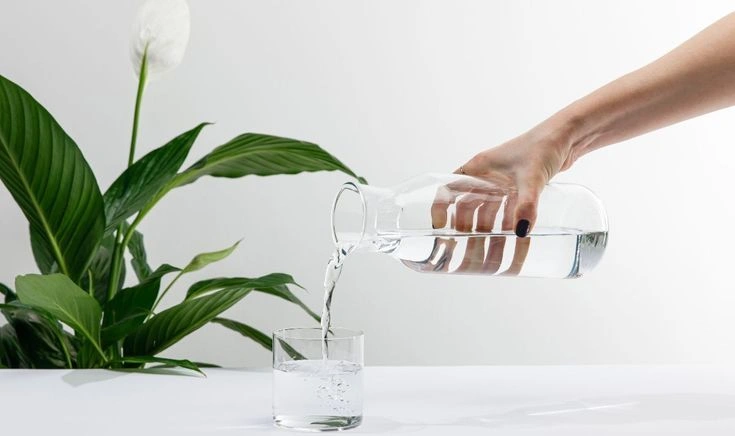
Follow these simple steps:
- Check the upper soil before watering.
- If it is still wet, wait.
- When it has started to dry, water slowly.
- Continue until excess water drains from the bottom.
- Allow the pot to drain completely.
- Empty water collected in the saucer.
- Return the plant to its normal location.
A pot with proper drainage is especially important because even a careful watering routine can cause problems if excess water has nowhere to escape.
The RHS also warns that keeping the compost damp for long periods can contribute to root problems.
Peace Lily Overwatering
Peace lily overwatering is usually not about giving the plant one large drink. The bigger problem is watering again before the soil has had enough time to dry slightly.
When soil stays saturated for too long, the roots have less access to air. Poor drainage can make the situation even worse.
Signs of Overwatering
Common warning signs include:
- Yellowing leaves
- Constantly wet soil
- Soft or weak growth
- Drooping even though the soil is wet
- Brown or damaged foliage
- A musty smell from the soil
- Poor growth
The RHS notes that overwatering can contribute to yellowing or browning leaves and root rot.
If the soil remains wet for many days, check the drainage holes and make sure the pot is not sitting in collected water.
Peace Lily Underwatering
Peace lily underwatering happens when the plant does not receive enough moisture for its needs.
The most recognizable symptom is dramatic drooping. Leaves may become soft and hang downward, especially when the soil is very dry.
Signs of Underwatering
Look for:
- Drooping leaves
- Very dry soil
- A noticeably light pot
- Dry or crispy leaf edges
- Leaves that perk up after watering
A thirsty peace lily can sometimes look surprisingly unhealthy even when the problem is simply a lack of water. The RHS notes that peace lilies can droop dramatically when they need water and may recover after a good drink.
If the soil has become extremely dry and water immediately runs down the sides or through the pot, the soil may have become difficult to re-wet. Missouri Botanical Garden recommends soaking a severely dried pot and allowing it to drain when this happens.
Overwatering vs Underwatering
Not every drooping peace lily needs more water. This is where checking the soil becomes important.
| Sign | More likely underwatering | More likely overwatering |
| Soil | Very dry | Wet for a long time |
| Leaves | Drooping and soft | Drooping despite wet soil |
| Yellow leaves | Less typical | Common |
| Pot weight | Very light | Heavy |
| Recovery after watering | Often improves | May remain stressed |
| Main problem | Not enough moisture | Too much moisture or poor drainage |
The key is to look at both the plant and the soil, rather than diagnosing the problem from leaf appearance alone.
Does the Season Change Watering?
Yes. Your peace lily may need different amounts of water throughout the year.
During periods of active growth and warmer indoor conditions, the plant may use water more quickly. In cooler periods, growth can slow and the soil may stay moist for longer.
The RHS recommends reducing watering somewhat during winter as growth slows.
However, indoor conditions matter more than the name of the season. A heated room in winter can dry a plant faster than a cool room, while strong summer air conditioning can also change humidity and watering needs.
Watering in Hot and Dry Climates
If you live somewhere with very hot summers, do not automatically water every day.
Instead, check the soil more frequently because heat, bright indirect light, airflow, and low humidity can make the pot dry faster.
In countries with hot climates, including Pakistan, India, parts of the Middle East, Africa, Australia, and southern regions of the United States, indoor conditions can vary greatly between homes.
Air conditioning can also change the environment. A peace lily sitting close to an AC vent may experience dry moving air, while a plant in a naturally humid room may dry more slowly.
So, temperature and humidity should influence how often you check the soil, not replace the soil test.
What Type of Water Should You Use?
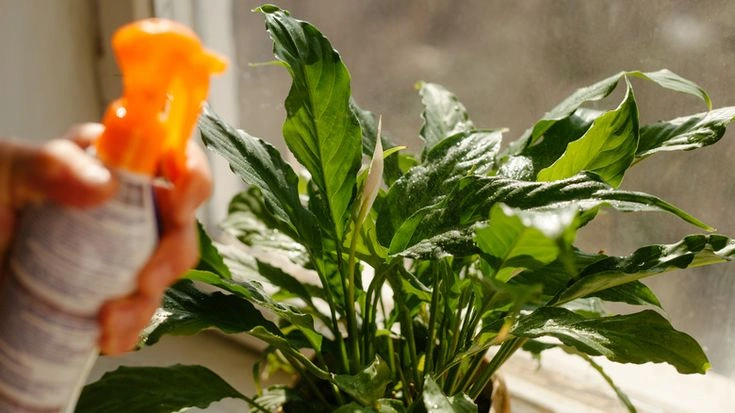
Peace lilies can be sensitive to some chemicals and minerals in water. If you repeatedly notice brown leaf tips despite otherwise good care, consider the quality of your water.
The RHS recommends rainwater or filtered water where possible because fluoride in tap water can damage foliage.
Missouri Botanical Garden also notes that some houseplants, including peace lilies, can be sensitive to chemicals in tap water and suggests filtered or distilled water when appropriate.
Room-temperature water is a sensible choice. Avoid using very cold water directly on the roots.
Common Watering Mistakes
Watering on a Fixed Calendar
Watering every Monday sounds convenient, but your plant does not know what day it is.
Check the soil first because changing light, temperature, humidity, and pot size can alter how quickly it dries.
Giving Small Sips Only
A tiny amount of water may wet the surface without properly reaching the root zone.
When watering is needed, water thoroughly and allow excess to drain.
Leaving Water in the Saucer
Standing water around the bottom of the pot can keep the roots too wet.
Always empty the saucer after watering.
Using a Pot Without Drainage
A beautiful decorative container is not automatically a good plant pot.
Make sure your peace lily has a way for excess water to escape.
Confusing Drooping With Thirst
Drooping often means a peace lily needs water, but not always.
If the soil is already wet, adding more water can make the problem worse.
Expert Tips for Healthier Peace Lilies
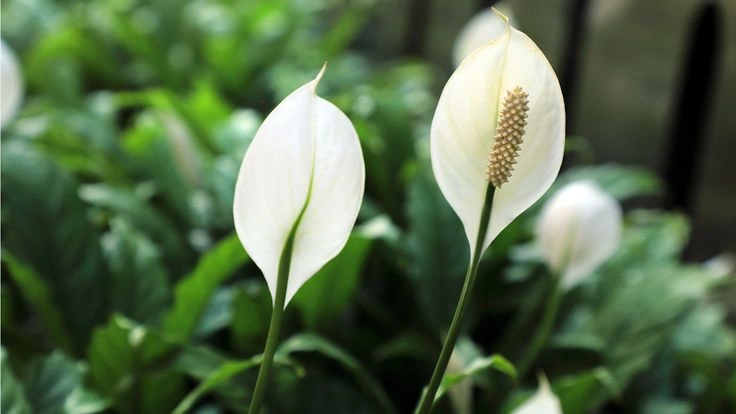
Keep your peace lily in bright, indirect light whenever possible. Although it tolerates lower light, too little light can slow growth and flowering.
Use a well-draining potting mix and avoid placing the plant in a container that is much larger than its root system. A very large pot can hold moisture for longer than necessary.
Humidity also matters. Peace lilies naturally come from tropical environments and generally appreciate moderate humidity. Dry air can contribute to brown leaf edges.
Most importantly, observe your plant. Healthy plant care is not about following one number perfectly; it is about noticing how your particular peace lily responds.
For more peace lily care advice, explore the Peeacelily Plant Care guides and related peace lily resources on Peeacelily.
Frequently Asked Questions
Can I water my peace lily every day?
Usually, no. Daily watering can keep the soil too wet unless the plant is in unusual conditions where it dries extremely quickly. Always check the soil first.
How do I know if my peace lily needs water?
Check the upper few centimeters of soil. If it has started to dry and the pot feels lighter, watering is generally appropriate.
How often should I water a peace lily in summer?
You may need to check it more frequently during hot weather, but there is no universal summer schedule. Water when the soil has started to dry rather than simply because it is summer.
How often should I water a peace lily in winter?
Usually less often because growth can slow and soil may stay moist longer. Still, check the soil rather than following a fixed winter schedule.
Why is my peace lily drooping after watering?
If the soil is wet and the plant continues to droop, the issue may not be underwatering. Poor drainage, prolonged wet soil, root damage, temperature stress, or other problems can cause similar symptoms.
Should I mist my peace lily?
Misting can temporarily increase moisture around the leaves, but it should not be used as a replacement for proper root watering. Maintaining suitable humidity and avoiding very dry air are more important.
Is tap water safe for peace lilies?
It depends on the water quality. If you notice recurring brown tips, filtered, distilled, or rainwater may be worth trying.
Can a peace lily recover from underwatering?
Often, yes. Peace lilies can droop dramatically from lack of water and may recover after thorough watering when the roots are still healthy.
Can a peace lily recover from overwatering?
It depends on how severe the problem is. If the roots have not suffered significant damage, correcting the watering routine and improving drainage may help. Severe root rot can require more extensive treatment.
Conclusion
So, how often should you water a peace lily? There is no single number that works for every plant. For many homes, checking the soil about once a week is a useful starting point, but the actual watering interval can be shorter or longer.
The most reliable routine is simple: check the soil, water thoroughly when the upper layer has started to dry, and let excess water drain away.
Once you understand the difference between peace lily overwatering and underwatering, caring for your plant becomes much easier. Instead of watching the calendar, watch the soil, pot, leaves, and growing conditions. That small change can make your watering routine far more accurate and help your peace lily stay healthy throughout the year.