Key Takeaways
- When to fertilize plants: Spring is often the main fertilizing season because many plants begin active growth.
- Summer feeding can help vegetables, annuals, containers, and other actively growing plants.
- Do not automatically fertilize every plant in fall or winter.
- Houseplants generally need fertilizer mainly during active growth.
- Always consider the plant, soil, weather, and growth stage.
- Follow fertilizer label directions carefully.
- More fertilizer is not necessarily better.
- A soil test can help identify nutrient needs.
- Correct watering, light, soil, and pest problems before assuming fertilizer is needed.
- Organic and conventional fertilizers can both be useful when applied appropriately.
Quick Answer
The best time to fertilize plants is usually during active growth, which often begins in spring. For many outdoor plants, fertilizer can be applied around the start of new growth and again during the growing season when the plant actually needs additional nutrients.
Nevertheless, there is no single fertilizing schedule for every plant. Vegetables, flowering plants, trees, shrubs, houseplants, and container plants can all have different needs.
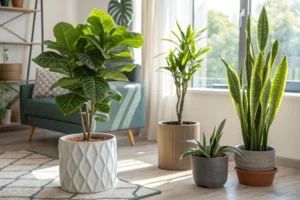
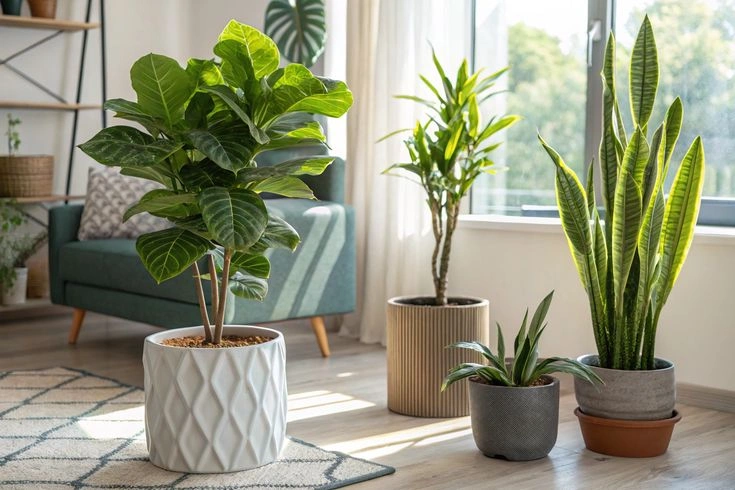
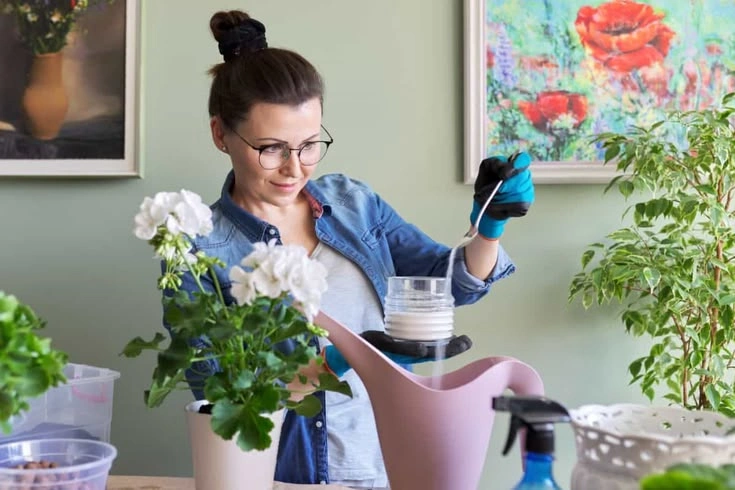
For houseplants, spring through summer is generally the main feeding period, while fertilizer should usually be reduced or stopped during winter when growth slows.
When Is the Best Time to Fertilize Plants?
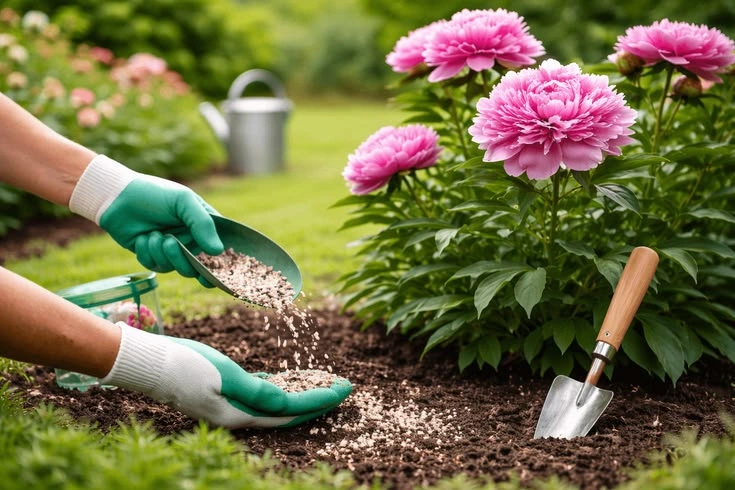
The best time to fertilize is when the plant can actively use the nutrients.
In general, spring is the main fertilizing season because many plants are producing new leaves, stems, roots, flowers, or fruit. Applying nutrients around active growth allows the plant to put them to work instead of leaving excess nutrients in the soil.
However, spring does not automatically mean every plant needs fertilizer. Some plants grow well in nutrient-rich soil without additional feeding. A soil test can also help determine whether nutrients are actually needed.
A Simple Rule to Remember
Think of fertilizer as plant food, not medicine.
If a plant is actively growing and its nutrient needs justify feeding, fertilizer can help. On the other hand, adding more fertilizer to a stressed, dormant, newly transplanted, or already well-fed plant can cause problems.
Best Fertilizing Season by Season
| Season | General Fertilizing Advice |
|---|---|
| Spring | Usually the most important feeding period |
| Summer | Feed actively growing plants when needed |
| Fall | Depends on the plant and fertilizer |
| Winter | Usually reduce or stop feeding dormant plants |
These are general guidelines rather than strict rules. For example, some fruiting plants need split applications through spring and summer, while certain trees have specific cutoff dates for fertilizer.
When to Fertilize Plants in Spring
Spring is often the ideal starting point for fertilizing because increasing daylight encourages new growth.
For outdoor plants, fertilizer may be useful around planting time or after perennial plants begin to green up. Nitrogen is especially important for leafy growth, while phosphorus and potassium perform different roles in plant development.
Wait for Active Growth
Do not assume that the first warm day means it is time to heavily fertilize.
Instead, look for signs of active growth such as new leaves, fresh shoots, or expanding stems. This approach is especially useful for perennial plants that are waking up after winter.
Furthermore, organic fertilizers can work more slowly because soil microorganisms need time to release nutrients into forms plants can use. This process can be slower in cold soil.
When to Fertilize Plants in Summer
Summer can also be an important fertilizing season, particularly for vegetables, annual flowers, container plants, and other plants that continue producing new growth.
Some vegetables may benefit from a midseason feeding. Oregon State University Extension, for example, recommends side-dressing certain vegetables at specific growth stages rather than simply applying fertilizer on a fixed calendar date.
For example, cucumbers and squash may be fed when vines begin growing rapidly, while peppers can benefit around fruit set when additional nutrients are needed.
Be Careful During Extreme Heat
Although summer plant fertilizer can be useful, avoid treating every hot day as a feeding opportunity.
Plants under severe heat, drought, or other stress may not respond well to aggressive fertilizing. First, make sure the plant has adequate moisture and suitable growing conditions.
Additionally, always follow the fertilizer label. Applying more than recommended does not make a plant grow faster. Instead, excessive fertilizer can damage roots and contribute to salt buildup.
Should You Fertilize Plants in Fall?
Fall fertilizing depends heavily on the plant.
Some plants can benefit from nutrients in fall, while others should not receive additional fertilizer late in the growing season. For example, excessive nitrogen late in the season can encourage soft new growth or delay fruiting in some plants.
Therefore, avoid following a blanket “fertilize everything in fall” rule.
Instead, check the specific requirements of the plant you are growing and the fertilizer product you plan to use.
Should You Fertilize Plants in Winter?
For most actively outdoor garden plants in cold climates, winter is generally not the time for routine fertilizing.
Houseplants are a little different. Many houseplants naturally slow down during the shorter days of winter and usually need little or no additional fertilizer during this period.
However, a houseplant kept under strong artificial lighting may continue growing. In that situation, its feeding needs can differ from a plant experiencing low winter light.
Best Time of Day to Fertilize Plants
There is no universal hour that is perfect for every fertilizer. More important than the clock is using the product correctly and preventing plant stress.
For many garden fertilizers, applying when the soil has adequate moisture and following the label directions is sensible.
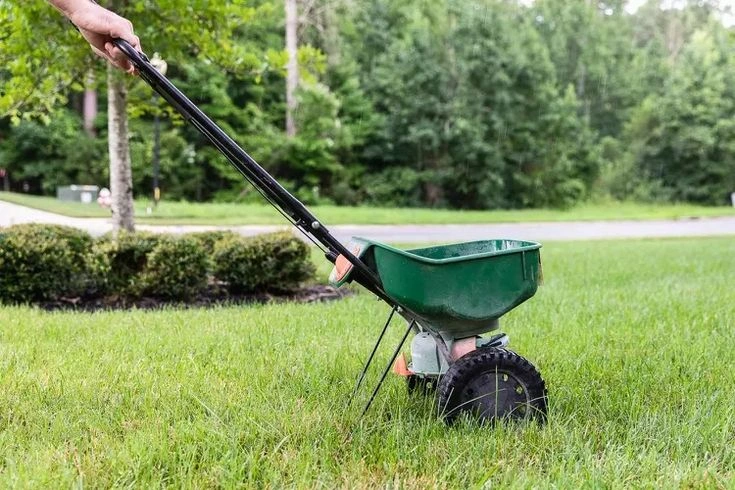
If you are using granular fertilizer, keep it away from direct contact with stems and foliage when the label recommends soil application. Watering after application may also be required.
For liquid fertilizer, correct dilution is especially important because concentrated products can injure plants.
How Often Should You Fertilize Plants?
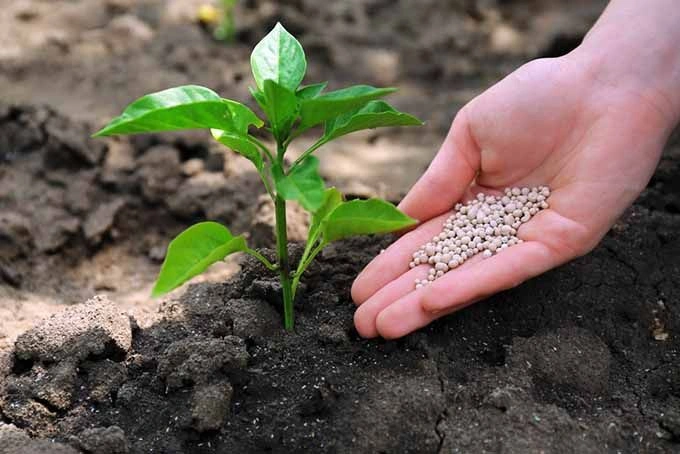
There is no single schedule that works for every plant.
Some slow-release fertilizers may only need occasional application, while liquid fertilizers can require more frequent feeding. Container plants may also need more regular attention because nutrients can be lost through watering.
For houseplants, Illinois Extension notes that many plants need feeding only every one to three months during the main March-to-September growing period.
Therefore, the fertilizer label, plant type, growing conditions, and plant response should guide your schedule.
Avoid the More Is Better Approach
Overfertilizing is one of the easiest mistakes to make.
Too much fertilizer can cause salt buildup, root damage, excessive leafy growth, or other problems. In addition, high nitrogen levels can encourage leaves at the expense of flowers or fruit in some situations.
When to Fertilize Different Types of Plants
Different plants have different nutritional needs.
| Plant Type | General Timing |
| Houseplants | Mainly spring through summer while actively growing |
| Vegetables | At planting and during growth when specific crops need additional feeding |
| Flowering annuals | During active growth, especially when grown in containers |
| Perennials | Around spring green-up or according to plant requirements |
| Fruit plants | Timing varies by crop and growth stage |
| Trees and shrubs | Depends on species, soil, age, and growth |
| Native plants | Often need little or no fertilizer once established |
Native plants deserve special attention because adding fertilizer simply because a plant is growing slowly may not be necessary. Some native species are adapted to naturally lean soils and can perform well without routine feeding.
How to Choose the Right Fertilizer
Before choosing a fertilizer, consider what your plant actually needs.
A fertilizer label usually shows an N-P-K ratio. Nitrogen supports leafy growth, phosphorus has important roles in roots and reproduction, and potassium supports several functions including plant hardiness.
What Does N-P-K Mean?
| Nutrient | Main Role |
| Nitrogen (N) | Supports leafy and vegetative growth |
| Phosphorus (P) | Supports root development and reproductive growth |
| Potassium (K) | Supports plant strength and several physiological processes |
Still, a high-number fertilizer is not automatically better.
If your soil already contains sufficient nutrients, adding more may be unnecessary. A soil test can provide useful information before making major fertilizer applications.
Organic vs Synthetic Fertilizer
Both organic and conventional fertilizers can provide nutrients when used correctly.
Organic fertilizers often release nutrients more slowly because microorganisms help make some nutrients available to plants. Conventional fertilizers can provide nutrients more quickly, but they can also be easier to overapply.
| Feature | Organic Fertilizer | Conventional Fertilizer |
| Nutrient release | Often slower | Often faster |
| Microbial activity | Important for many products | Less dependent on microbes |
| Concentration | Often lower | Often higher |
| Overapplication risk | Still possible | Can be easier to overapply |
| Best approach | Follow product directions | Follow product directions |
The important point is not choosing a fertilizer simply because it is labeled organic or synthetic. Instead, select a product that suits the plant and use it at the recommended rate.
Signs Your Plant May Need Fertilizer
A plant can show signs of nutrient deficiency, but these symptoms are not proof that fertilizer is the answer.
Yellow leaves, poor growth, small leaves, or weak development can also result from watering problems, pests, disease, poor light, unsuitable soil pH, root damage, or temperature stress.
Therefore, investigate the growing conditions before reaching for fertilizer.
A soil test can be especially useful when garden plants repeatedly show poor growth despite proper watering and light.
Common Fertilizing Mistakes
Fertilizing Dormant Plants
Plants that are not actively growing generally have less need for additional nutrients.
Using Too Much Fertilizer
More fertilizer does not mean faster or healthier growth. Excess nutrients can damage roots and create other problems.
Fertilizing Dry, Stressed Plants
If a plant is suffering from severe dryness or heat stress, correct the growing conditions first.
Ignoring the Soil
Healthy soil is a major part of plant nutrition. Building good soil with suitable organic matter can reduce the need for unnecessary fertilizer applications.
Using One Schedule for Every Plant
A tomato, houseplant, tree, and native perennial do not necessarily need the same fertilizer or timing.
A Simple Fertilizing Checklist
Before fertilizing, ask:
- Is the plant actively growing?
- Does this plant actually need additional nutrients?
- What does the fertilizer label recommend?
- Is the soil adequately moist?
- Could another problem be causing poor growth?
- Does the plant have enough light?
- Would a soil test be useful?
- Am I applying the correct amount?
- Does this plant have special feeding requirements?
If the answer to several of these questions is unclear, pause before applying fertilizer.
Frequently Asked Questions
What month is best to fertilize plants?
For many outdoor plants, spring is a good starting point because plants begin active growth. However, the exact timing depends on the plant, local climate, soil, and fertilizer.
Is spring or summer better for fertilizer?
Both can be appropriate. Spring is often important for starting active growth, while summer feeding can support plants that continue growing or producing flowers and fruit.
Can I fertilize plants every week?
Not unless the specific plant and fertilizer instructions call for it. Some liquid fertilizers are designed for frequent use, while other products are intended for much less frequent applications.
Should I fertilize plants before or after watering?
Follow the fertilizer label. Many granular products are watered after application, while liquid products are mixed with water before application.
Can you fertilize a plant that is stressed?
It is usually better to identify and correct the cause of stress first. Heat, drought, poor drainage, pests, disease, and unsuitable light can all affect plant health.
Should houseplants be fertilized in winter?
Most houseplants need much less fertilizer during winter because growth often slows in lower light. However, plants growing actively under strong light may have different needs.
What happens if you overfertilize plants?
Overfertilizing can cause salt buildup, root injury, excessive leafy growth, and other problems. If you suspect fertilizer damage, stop adding fertilizer and follow appropriate care guidance for the affected plant.
Conclusion
So, when is the best time to fertilize plants? For most plants, the answer is simple: feed them when they are actively growing and able to use the nutrients.
Spring is usually the most important time to begin because many plants are waking up and producing fresh growth. Nevertheless, summer can also be the right time for plants that continue growing, flowering, or producing vegetables and fruit.
Ultimately, successful fertilizing is less about following a rigid calendar and more about understanding your plant. Check its growth, soil, water, light, and nutritional needs first. Then choose the right fertilizer and apply it according to the label.
For more practical plant-care guides, explore Peeacelily for related articles on plant nutrition, watering, soil care, and growing healthy plants.