Key Takeaways
- How to Fix Overfertilized Plants: Too much fertilizer can create harmful salt buildup around plant roots.
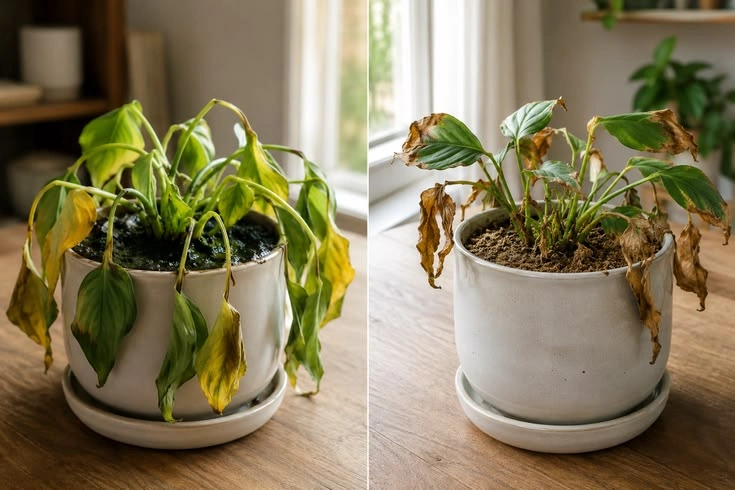
- Brown leaf tips, wilting, yellowing, and white soil crust can indicate fertilizer stress.
- Stop fertilizing as soon as overfertilization is suspected.
- Flush well-draining container soil with plain water to remove soluble salts.
- Remove visible slow-release fertilizer when possible.
- Repot severe cases when flushing is not enough.
- Damaged leaves will not turn green again, so focus on healthy new growth.
- Never assume every brown or yellow leaf is caused by fertilizer.
- Follow fertilizer labels and measure applications carefully.
- Healthy plants need the right amount of nutrients, not simply more nutrients.
Quick Answer
To fix an overfertilized plant, stop using fertilizer immediately and flush the soil with plain water if the pot has good drainage. Let excess water drain completely, then return the plant to suitable light and avoid fertilizing while it recovers.
If fertilizer granules are still present, the soil has severe salt buildup, or the roots are badly damaged, repotting into fresh potting mix may be necessary.
What Happens When a Plant Gets Too Much Fertilizer?
Fertilizers contain concentrated nutrients and salts. When too much is added, these soluble salts can build up around the roots.
A high salt concentration makes it harder for roots to take up water. As a result, a plant can look wilted even though its soil feels wet. Excess fertilizer can also damage roots and cause leaf scorch.
Quick-release fertilizers can be particularly easy to overapply because nutrients become available rapidly. Slow-release products reduce the chance of a sudden nutrient surge, but they can still cause problems when too much is used.
Signs of an Overfertilized Plant
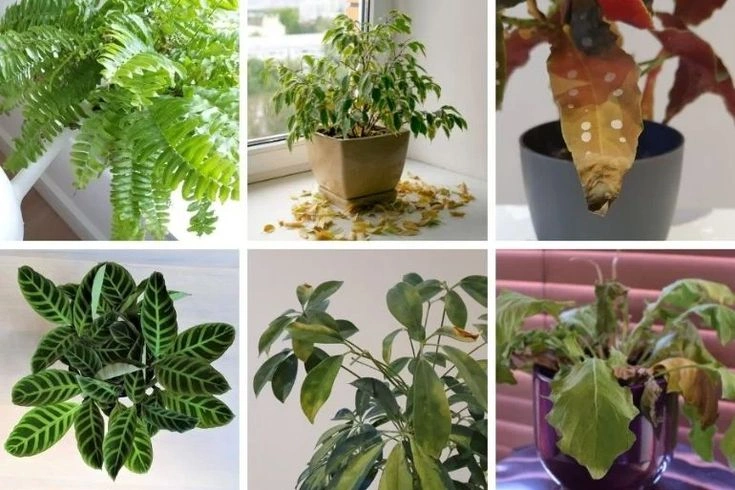
The symptoms can vary between plant species. Nevertheless, several warning signs are common.
| Sign | What it may indicate |
|---|---|
| Brown leaf tips or edges | Salt stress or root damage |
| Yellowing leaves | Root stress or nutrient imbalance |
| White crust on soil | Fertilizer salt buildup |
| Wilting while soil is moist | Roots struggling to absorb water |
| Slow or stunted growth | Root or nutrient stress |
| Leaf drop | Severe plant stress |
| Damaged roots | Advanced fertilizer injury |
A white crust on the soil surface is especially useful as a clue, although its absence does not rule out excess fertilizer. Salt injury can also occur without an obvious crust.
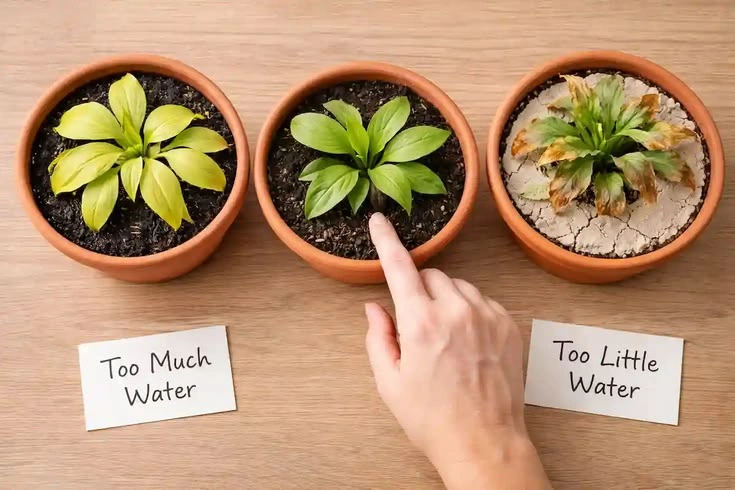
At the same time, do not assume every brown leaf means fertilizer burn. Too much water, underwatering, low humidity, pests, poor drainage, and excessive light can create similar symptoms.
How to Fix Overfertilized Plants Step by Step
1. Stop Fertilizing Immediately
First, stop adding fertilizer.
Do not try to balance the excess fertilizer by adding another nutrient. Adding more products can make the problem harder to diagnose and may increase salt levels further.
For now, the goal is simple: remove excess fertilizer and reduce stress on the roots.
2. Check the Pot and Drainage
Next, make sure the container has drainage holes.
Flushing works by allowing water to pass through the potting mix and carry soluble salts out through the drainage holes. A container without drainage cannot be flushed safely because water may remain around the roots.
Also remove any water sitting in the saucer after flushing. Keeping the pot in drained fertilizer water can allow salts to move back into the root zone.
For container plants, good drainage is an important part of managing salt buildup.
3. Flush the Fertilizer From the Soil
If the plant is in a well-draining container, move it to a sink, bathtub, shower area, or another place where excess water can drain away.
Slowly pour plain water through the soil. Allow the water to drain freely from the bottom rather than letting the pot sit in it.
Extension guidance on salt management shows that substantial amounts of water moving through soil can remove a significant portion of soluble salts. Colorado State University notes that about 12 inches of water moving through soil can leach roughly four-fifths of the salt under suitable conditions.
For a houseplant, there is no single water volume that works for every pot because container size, soil type, drainage, and fertilizer concentration differ. The important point is that water must actually pass through the root zone and leave the pot.
4. Remove Visible Fertilizer
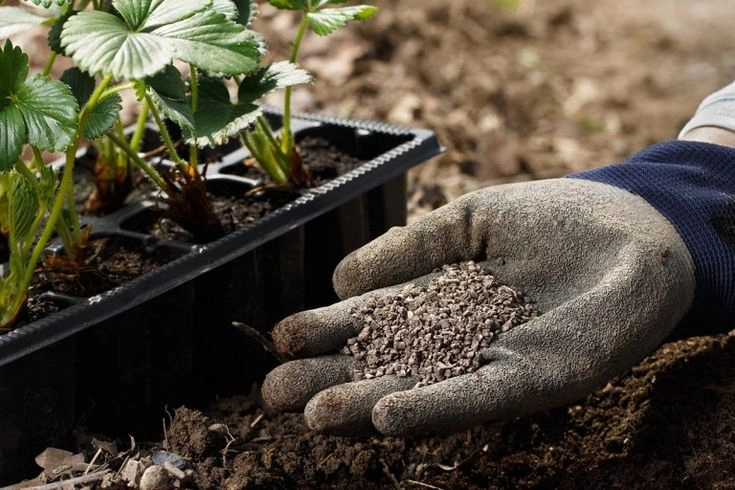
If you can see fertilizer granules on the soil surface, remove them carefully.
This is particularly important with slow-release fertilizer. Flushing can remove dissolved salts, but remaining pellets may continue releasing nutrients over time.
If a large amount of slow-release fertilizer was accidentally added, replacing the potting mix may be safer than repeatedly flushing the plant.
5. Let the Plant Drain Completely
After flushing, allow the pot to drain thoroughly.
Do not immediately place the plant into a decorative container that traps water. The roots need oxygen as well as moisture, and constantly wet conditions can create another problem: root damage from poor aeration.
Therefore, let excess water leave the container before returning the plant to its normal location.
6. Remove Severely Damaged Leaves
Brown, crispy tissue will not turn green again.
You can remove leaves that are completely dead. For partially damaged leaves, there is no need to remove them immediately if they still contain plenty of healthy green tissue.
Use clean scissors or pruners and avoid removing large amounts of healthy foliage at once. The plant needs its remaining leaves to produce energy while it recovers.
7. Give the Plant Stable Conditions
After treatment, avoid making several major changes at the same time.
Keep the plant in the light level it normally prefers, protect it from extreme heat, and water according to its actual moisture needs.
In particular, do not keep watering simply because you are worried about the fertilizer. The purpose of flushing is to remove excess salts, not to keep the soil permanently saturated.
When Should You Repot an Overfertilized Plant?
Flushing is often a reasonable first response for mild fertilizer buildup. However, repotting may be better when the situation is severe.
Consider replacing the soil when:
- A large amount of fertilizer was accidentally added.
- Slow-release granules remain throughout the pot.
- The soil has heavy salt buildup.
- The potting mix drains poorly.
- The roots show serious damage.
- Flushing does not improve the situation.
- The plant continues declining despite proper care.
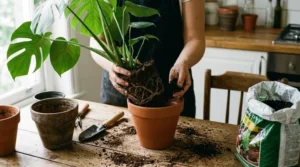
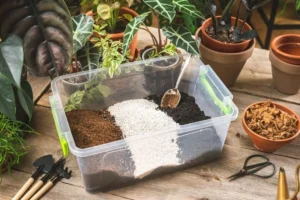
When repotting, use fresh, suitable potting mix and a container with drainage holes.
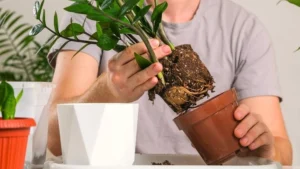
Do not automatically cut off every discolored root. Remove roots that are clearly dead, mushy, or severely damaged while keeping healthy firm roots whenever possible.
Fertilizer Burn vs Other Plant Problems
One of the biggest mistakes is treating every brown leaf as fertilizer burn.
| Symptom | Possible cause |
| Brown crispy edges after heavy feeding | Fertilizer burn |
| Wilting with constantly wet soil | Root or drainage problem |
| Brown patches after intense sunlight | Light or heat stress |
| Yellow leaves with soggy roots | Overwatering or root damage |
| Fine webbing and speckled leaves | Possible spider mites |
| White crust after repeated feeding | Salt accumulation |
These signs can overlap, so look at the complete picture. Think about what changed before the symptoms appeared, including fertilizer type, amount, watering, light, and drainage.
Nutrient excesses and deficiencies can also resemble disease or environmental stress, which is why soil testing can be useful when the problem is persistent or unclear.
How Long Does Fertilizer Burn Recovery Take?
There is no fixed recovery time for every plant.
A mildly overfertilized plant may begin producing healthier growth after the excess salts are removed and care becomes consistent. A plant with significant root damage may take much longer.
Remember that damaged leaves do not heal back to their original condition. Instead, look for signs of recovery such as stable stems, healthier new leaves, and the absence of new burn symptoms.
Therefore, judge recovery by new growth rather than expecting old damaged leaves to become perfect again.
How to Prevent Overfertilizing
Prevention is easier than fertilizer burn recovery.
Follow the Product Label
Measure fertilizer rather than guessing. More fertilizer does not automatically mean more growth.
Penn State Extension specifically warns that excessive fertilizer can burn roots and stunt plants, while current guidance emphasizes following the recommended application rate.
Match Feeding to Plant Growth
Plants do not need the same amount of fertilizer throughout the year.
Active growth generally increases nutrient demand, while plants growing slowly or entering dormancy usually need less. Avoid creating a feeding schedule that ignores the plant’s actual growth.
Understand NPK
The three numbers on a fertilizer label represent nitrogen, phosphorus, and potassium.
A higher number does not automatically mean a better fertilizer. The right formulation depends on the plant, growing medium, water, and existing nutrient availability.
Do Not Mix Multiple Fertilizers Without a Reason
Using several fertilizers at once can make it difficult to know how much nutrition the plant is receiving.
For routine houseplant care, keeping the feeding routine simple makes overapplication less likely.
Common Mistakes to Avoid
Adding more fertilizer to fix yellow leaves: Yellowing does not always mean nutrient deficiency.
Flushing a pot with poor drainage: Excess water can leave the roots sitting in saturated soil.
Fertilizing again too soon: Stressed roots need time to recover.
Ignoring slow-release granules: They may continue releasing nutrients after the initial mistake.
Removing every damaged leaf: Keep healthy green tissue when possible.
Using homemade fertilizer remedies: Kitchen scraps, concentrated compost liquids, or other DIY mixtures can make nutrient levels difficult to control. A clear fertilizer label makes application easier to measure.
Overfertilized Plant Recovery Checklist
Use this quick checklist if you suspect fertilizer burn:
- Stop fertilizing.
- Check the drainage holes.
- Remove visible fertilizer granules.
- Flush well-draining soil with plain water.
- Allow the pot to drain completely.
- Empty standing water from the saucer.
- Remove only severely damaged foliage.
- Keep light and temperature stable.
- Avoid unnecessary watering.
- Watch new growth for improvement.
- Repot if salt buildup or root damage is severe.
- Resume feeding only when the plant has recovered and is actively growing.
FAQs
Can an overfertilized plant be saved?
Yes, many plants can recover from fertilizer stress, especially when the problem is identified early. The chances depend on how much fertilizer was applied, how long the roots were exposed, the plant species, and the condition of the root system.
How do you flush too much fertilizer from soil?
For a container plant with good drainage, slowly run plain water through the potting mix and allow it to drain completely. The water carries soluble fertilizer salts out of the root zone.
Should I repot an overfertilized houseplant?
Not always. Mild salt buildup can often be managed by flushing. However, repotting may be appropriate when fertilizer was heavily overapplied, slow-release granules remain, drainage is poor, or the roots are badly damaged.
Should I cut off fertilizer-burned leaves?
Completely dead leaves can be removed. If a leaf still has substantial green tissue, you can usually leave it until the plant produces healthier new growth.
Can too much fertilizer cause brown leaf tips?
Yes. Excess fertilizer can increase salt levels around roots and contribute to leaf scorch, including brown or burned leaf margins. However, brown tips can have several other causes, so consider watering, humidity, light, and root health too.
Is organic fertilizer safer?
Organic fertilizers are often slower to release nutrients and may have lower immediate salt concentrations, but they are not impossible to overapply. Any fertilizer can cause problems when used excessively.
Conclusion
Knowing how to fix overfertilized plants can save a stressed houseplant from becoming a lost one. The first step is always to stop feeding and identify whether excess fertilizer is actually causing the symptoms.
For mild cases, flushing fertilizer from well-draining soil can reduce soluble salt buildup. In more serious cases, removing remaining fertilizer and repotting into fresh mix may give damaged roots a better environment for recovery.
Most importantly, give the plant time. Fertilizer burn recovery is not about forcing new growth overnight. Stable light, proper watering, good drainage, and a sensible feeding routine give the plant the best chance to recover.
For more practical plant care guides, visit Peeacelily and explore related articles on houseplant nutrition, watering, soil care, and common plant problems.