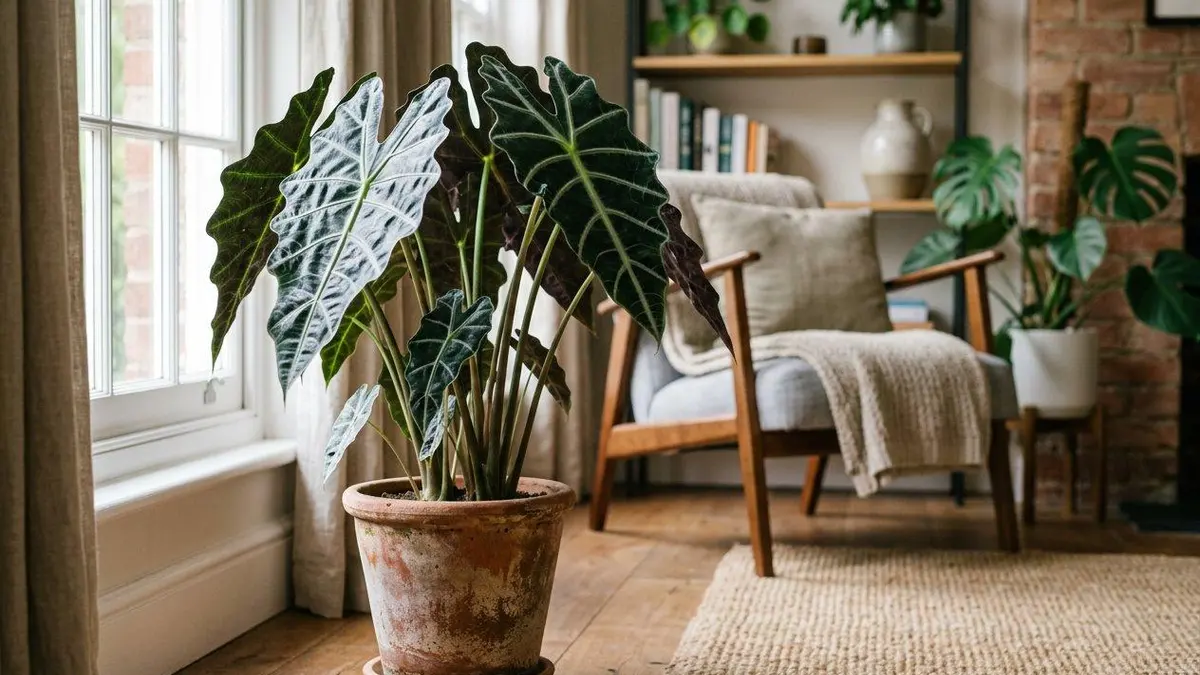
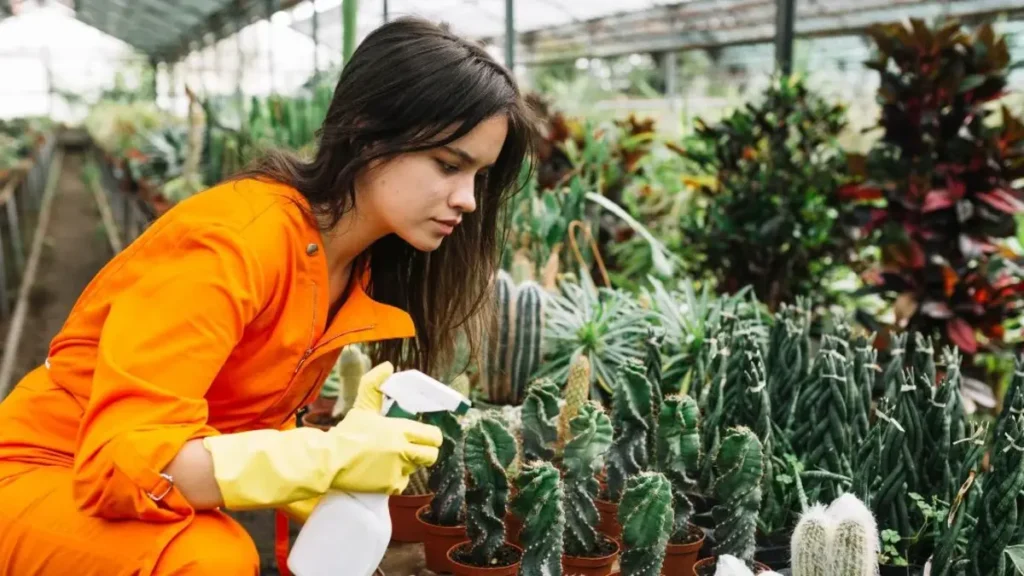
Winter houseplant care focuses on mimicking natural dormancy: give more light, reduce watering, maintain humidity, avoid drafts, and skip fertilising. Clean leaves, group plants for microclimates, and monitor pests. Seasonal holiday plants like Poinsettias, Cacti, and Amaryllis need consistent attention to thrive until spring growth resumes.
As the frost starts creeping across your windows and days go shorter, your indoor jungle is beginning to realise that things are changing. Winter houseplant care isn’t only about being green; it is about fitting your schedule to fit the biological slowdown of your plants. If you want your plants to survive the colder months, it means watering less often, giving them more light, and controlling humidity indoors.
Here at Peeacelily, we want to help you navigate through seasonal changes because deciphering these tell-tale signs can either make or break your leafy Monstera.
This can be an enormous shock for tropical species that are unaccustomed to dry furnace air or drafty windowsills. But with some initiative by mimicking their natural dormancy cycles, you can make sure they pop up in spring even stronger.
Why Winter Changes Everything for Your Plants
In nature, winter is a season to rest. Many of our favourite houseplants, such as Pothos, Philodendrons, and Ferns, all come from tropical areas where there is no snow in “winter,” but winter for many plants means a change in light and moisture availability. And they walk into our homes, and the light intensity experiences a steep decrease while the dry heat from our radiators springs up relentlessly.
It creates a dilemma: the plant knows it should go to rest, because there’s less sun, but the heater is telling it to transpire. Winter houseplant care, at its root, is about finding the balance. In other words, you are being a seasonal transition manager to the plant so that it does not get confused by feeling like its growing season is changing simply because it is now in an artificially controlled modern home.
Light: The Declining Resource
Maybe the biggest obstacle to overcome in the wintertime is the sun. The days are shorter, yes, but with the sun at a lower angle, the light penetrating into your windows is far less than it was in July.
Moving Plants Closer to Windows
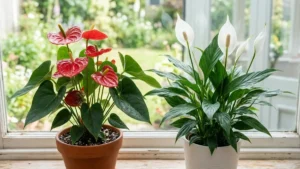
A south-facing window could be too harsh in the summer, burning leaves. That same window is also prime real estate in the winter. You might have to move your plants from the middle of the room out to the windowsill, straight up, so that you maximise every photon.
Cleaning the Foliage
In the winter, dust is a killer but silent. With little light, your plants must be as effective at photosynthesis as possible. A layer of dust on a leaf is like a curtain that prevents the sun from doing its job. Get a damp cloth, and gently wipe down the leaves of your bigger plants. This little winter houseplant trick can help them recharge dramatically.
The Golden Rule: Water Less
If you really want to kill a plant in February, then keep giving it the July watering schedule. The plant’s “metabolism” decreases because growth that requires energy slows down. Because it simply doesn’t require that much H2O to work.
Check the Soil, Not the Calendar
Forget “Watering Wednesdays.” Instead, check the soil with your finger. For most plants, you allow the top two inches of soil to dry completely before watering. This is a perfect storm for root rot; if you inundate now, those roots will be in cold, stagnant water. At Peeacelily, during this time of the season, we often recommend the use of Terracotta pots rather than the standard plastic beige white ones to allow evaporation to take place naturally.
Temperature of the Water
Avoid using ice-cold tap water. Freezing water will shock the roots, which can result in leaf drop. Apply room temperature water to keep the root system “comfortable” and stable. This is an often subtle but essential part of winter houseplant care that is being overlooked by most beginners.
Managing Temperature and Humidity
Indoor heating is incredibly drying. You are used to 72°F and think it is comfortable, but your plants are dealing with humidity levels below 20%. Tropical plants do best at humidity levels closer to 50% or now at 60%.
Avoiding Drafts and Heaters
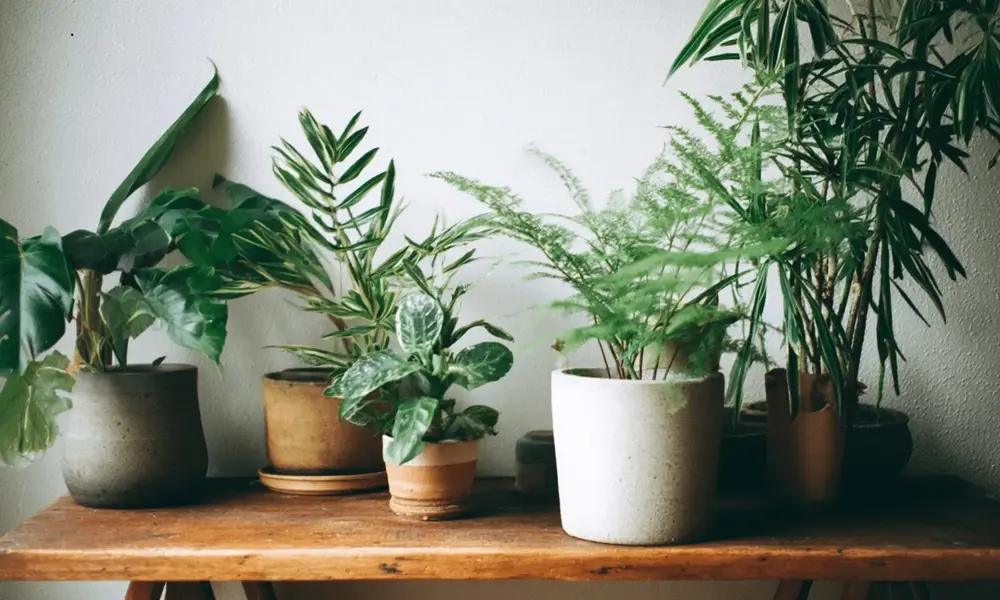
Do not expose your plants to the gust of a heater vent or the icy stream of air from an unsealed window. Constantly, slightly cool temperatures are less stressful for a plant than fluctuating hot and cold temperatures. If your leaves are turning brown and crispy on the edges, that’s probably due to humidity or heat stress.
Creating a Microclimate
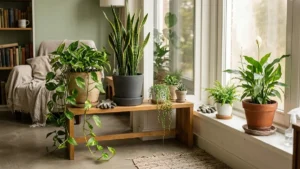
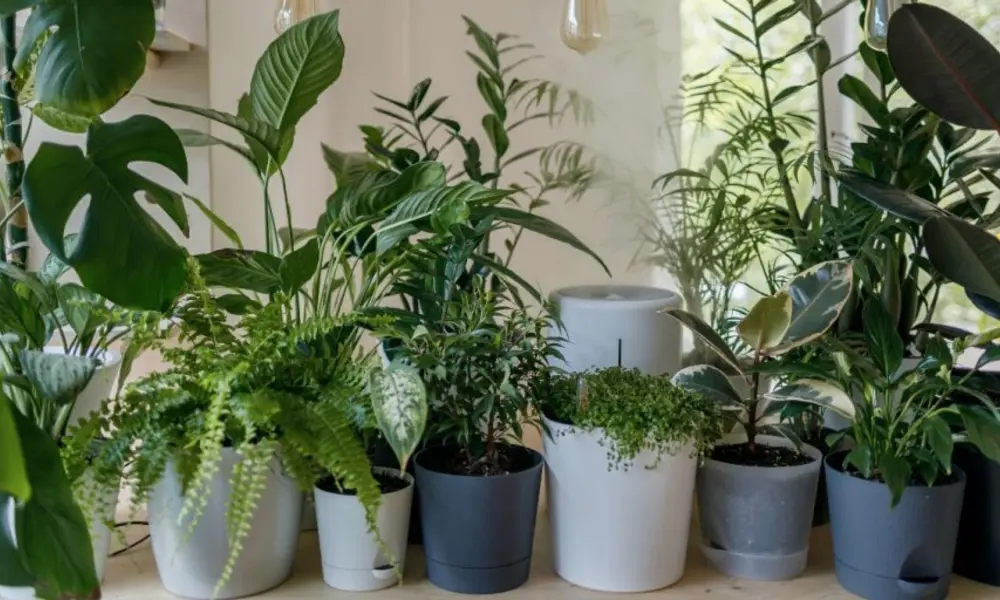
Group your plants together. Transpiration — how plants “breathe” moisture out. They bunch them up, which generates a mini pocket of humid air and supports the overall wellbeing of all. It is a simple, cheap way to anxiously tending your houseplants in winter without spending too much money on other equipment.
| Common Winter Issue | Visual Sign | Quick Fix |
| Low Humidity | Brown, crispy leaf tips | Mist nearby or use a pebble tray |
| Overwatering | Yellowing leaves / Mushy stems | Stop watering immediately; check roots |
| Lack of Light | Small leaves / Leggy stems | Move closer to a south-facing window |
| Cold Shock | Sudden leaf drop | Move away from drafty doors/windows |
| Pests (Gnats) | Tiny flies around the soil | Let the soil dry out completely |
Holiday Plant Care: Keeping Festive Favourites Alive
Fueled by the spirit of giving, we receive a lot more Poinsettias, Christmas Cacti or Amaryllis. These need a special kind of holiday houseplant care to make it past the New Year.
Take, for example, the poinsettia – notoriously picky. They despise “wet feet” but are also droopy the moment they dry out. Poinsettia care over the holiday season consists of one key: consistency. Maybe keep them in a brighter spot, but not in front of the door where they can get blasted with cold air every time someone comes and goes.
While Christmas Cacti are indeed succulents, they are not desert plants. Not because they are “epiphytes,” a plant which perhaps originated from the Brazilian rainforest. These beauties thrive when their soil is allowed to remain a bit more moist than what you would normally give a cactus, and they love indirect light. If you see buds dropping off before they open, it is normally a response to warmth or light changes.
Finally, don’t forget the Amaryllis. Most people throw away the bulb when the stunning bloom dies off. But if cared for properly as a holiday plant, you could save that bulb until next Christmas. Cut the spent flower stem, but leave the leaves; they are collecting energy for next year’s show.
Nutritional Needs: Step Away from the Fertiliser
Another point that is important is not to feed the plant during cold months, one of the biggest mistakes enthusiasts make. Just like you, fertiliser is unnecessary in the winter houseplant care world.
Those nutrients have nowhere to go, as the plant is not producing much new foliage. However, they sit in soil that will either burn roots or form and tighten salts. If you are not growing indoors in a tropical environment using high-intensity grow lights, stop fertilising at the end of October and do not whiff anything until the first signs of renewed growth show up come spring.
Dealing with Winter Pests
It may seem like bugs hibernate for the winter; however, the dry, warm air of a heated house is a utopia for Spider Mites and Fungus Gnats! Neglected winter houseplant care can lead to these pests.
Spider Mites
If you spot miniature webs between stems, you have mites. They love dry air. You can also dry out the extra humidity and shower, and light the plant in the sink to remove them. We always recommend a check of the undersides of leaves on a weekly basis for all insects.
Fungus Gnats
These are those little black flies that hang out around the apple core in the soil. They are drawn to moist, rotting organic material. The appearance of gnats is an indication that you are overwatering. And if you let the soil dry out, they will often crash on their own.
Essential Winter Maintenance Tasks
However, they aren’t all about repotting and fertilising; you can be active with your indoor garden even if you can’t do that. Such jobs are done to keep the environment clean and prepare the plant for its explosive growth in spring.
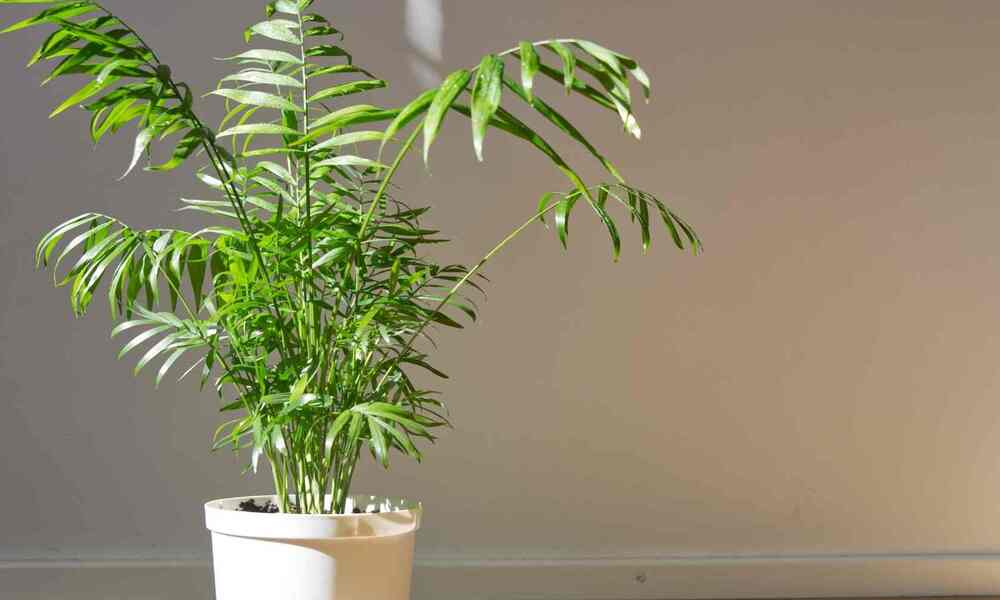
- Turn your pots regularly: After each watering, turn the pot a quarter turn. This will allow all sides of the plant to reach the limited winter sun evenly, so it won’t lean or turn one-sided.
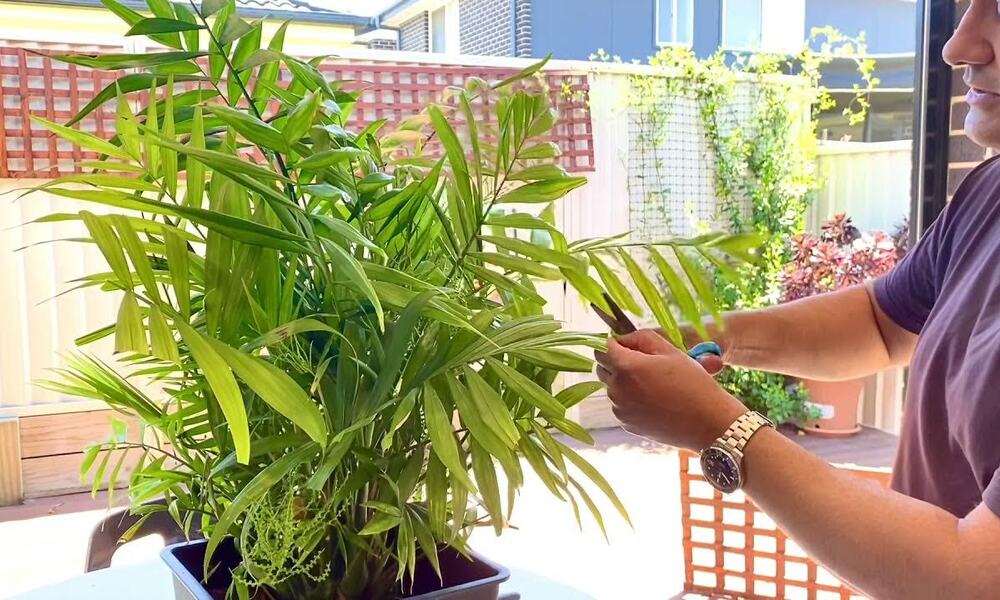
- Cut off dead material: When a leaf goes completely yellow or brown, give it a snip. The plant is expending resources keeping a limb alive that is, realistically, dying. It also increases air circulation around the base of the plant.
- Watch Out For Salt Buildup: A telling sign of mineral buildup when using tap water is white crust or deposit on the soil surface. Carefully scrape this off to balance the soil pH.
- Inspect the ‘Feet’: Confirm Your Pots Aren’t in a Saucer-Cycle Water well, wait 15 min. and pour out any excess water accumulated in the drainage tray
Preparing for the Spring Wake-Up
By late February, you might start to see tiny nubs of new growth. This is the signal that your winter houseplant care has been successful. As the days lengthen, you can slowly increase your watering frequency.
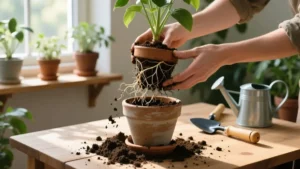
Don’t rush to repot just because it’s March 1st. Wait until the plant is actively growing and the outdoor temperatures have stabilised. Peeacelily advocates for a slow transition; moving a plant too quickly from a dormant state to a high-growth state can cause unnecessary stress.
The Importance of Air Circulation
In winter, we keep our homes sealed tight. This leads to stagnant air, which can encourage powdery mildew. Even on a cold day, if the sun is out, cracking a window in a different room for ten minutes can help refresh the air in your home, benefiting both you and your plants.
Summary of Success
Taking care of plants in the winter is about restraint. It is the art of doing less so the plant can do more for itself. By mastering winter houseplant care, you aren’t just a plant owner; you are a steward of a living ecosystem.
Remember the pillars: more light, less water, and higher humidity. If you can manage those three, your indoor jungle will remain a lush sanctuary regardless of the blizzard outside. And when you bring home those seasonal beauties, a little extra holiday plant care ensures your home stays festive and vibrant all the way through the new year.
FAQs
Should I repot in winter?
Usually, no. Repotting stresses plants, and dormant plants can’t recover well. Wait until spring unless there’s severe root rot.
How do I know if my plant gets too much winter light?
Rare, but bleached or scorched leaves (especially on low-light plants like Snake Plants) mean move it a few feet from the window.
Can I use a humidifier?
Yes! It’s excellent for tropical plants and prevents skin dryness during winter heating.
My Poinsettia is dropping leaves. Is it dying?
Not always. Temperature swings or overly wet soil can cause leaf drop. Keep soil barely moist and avoid drafts.
Do I need grow lights?
Only if your home is very dim or in northern areas with short days. Grow lights provide full-spectrum light that winter often lacks.