Build a custom wooden plant stand to elevate plants and enhance décor. Measure your pot, cut legs and cross-supports, use a cross-lap joint, pre-drill holes, and glue for stability. Sand and finish for durability. Choose the right wood, protect from moisture, and style creatively for a boutique-quality DIY piece.
An ideal weekend project, a wooden plant stand allows you to present your favorite greenery and provide that sleek, tailored feel to your décor. It is easy to make, just saw 4 equal legs, and create a support base by making a cross-lap joint and fix with wood glue and screws. You are working with something that is as easy to do (if not a bit easier) than any home decor project and the results look just like luxury boutiques.
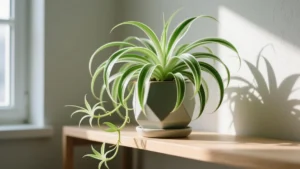
At Peeacelily, we know that when it comes to the right elevation, a well-placed plant can make all the difference in how our favorites thrive and even the feel of a room. Raising your plants not only looks good, but it also allows air to circulate around the foliage and brings them that much closer to the light they so desperately desire.
Why a Custom Wooden Plant Stand Beats Store-Bought Options
Most of the time if you just go to buy a like big box brand stand, they have these flimsy thin materials that are lightweight but can never really support the weight of say a fully saturated terra cotta pot on them, either made out of particle board or some kind of pressed wood or cheap plastic.
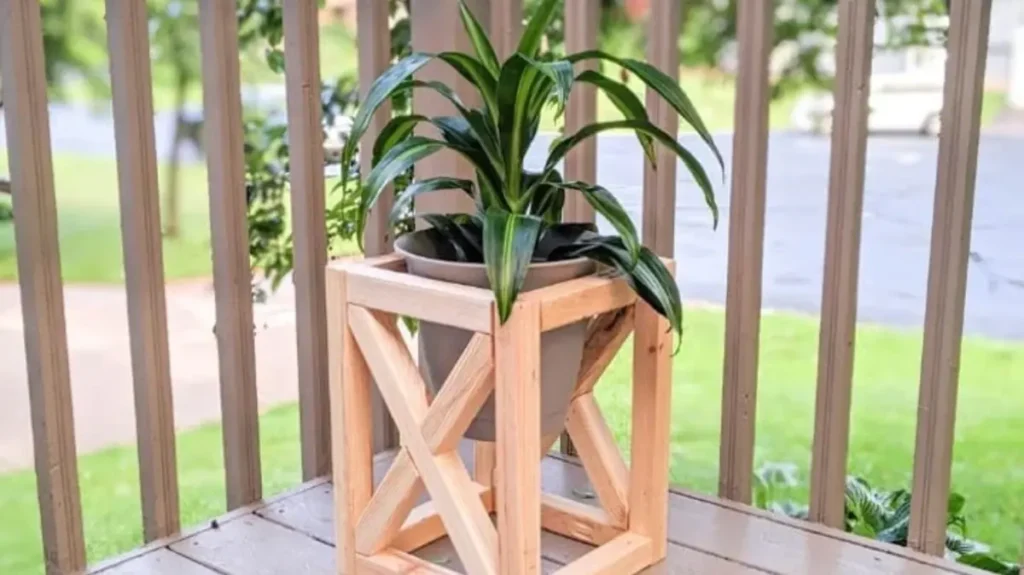
Choosing a customized wooden plant stand lets you choose durable pieces of lumber such as oak, walnut, or cedar that gives the solid structural support required for bigger plants. On top of that, DIYing a plant stand gives you the ability to customize the height and diameter — just right for that one spot in your room or that weird-sized planter.
Gathering Your Materials and Tools
In woodworking, 90 percent of success is in the preparation. Clean your workspace and set out all of your supplies before you grab that first cut. When shopping for a simple mid-century modern style wooden plant stand, you will want to look for an “1×2” or “2×2” lumber Wood sections at the local hardware store. Oak will give you strength and a nice grain, but pine is so much cheaper for your first DIY plant stand to practice with!
Required Tool List
- Miter Saw or Hand Saw: For producing square, clean cross-cuts.
- Drill is necessary when pre-drilling holes because wood can split.
- A Level: No stand would be complete without utmost precision.
- Wood Glue: Has a bond stronger than the wood.
- Sandpaper — 120 grit for a start, and 220 grit for a smooth hand feel.
Lumber and Hardware Specifications
| Item | Dimensions | Purpose |
| Vertical Legs | (4) 1.5″ x 1.5″ x 15″ | The primary support structure |
| Cross Supports | (2) 1″ x 2″ x 10″ | The base where the pot sits |
| Wood Screws | 1.25″ or 1.5″ | Joining the legs to the base |
| Wood Filler | N/A | Hiding screw heads for a clean look |
Step 1: Measuring for Your Specific Pot
The most common mistake in a plant stand DIY project is building a stand that is too narrow for the intended pot. Measure the diameter of your pot at its widest point and add about half an inch for “wiggle room.” This ensures you won’t struggle to drop the pot into place or scratch the wood later on.
If you are following our standard measurements, a 10-inch cross support will comfortably hold an 8-inch to 9-inch pot. At Peeacelily, we suggest building a few stands of varying heights—12 inches, 18 inches, and 24 inches—to create a tiered “stadium” effect in your plant corner.
Step 2: Cutting the Legs and Support Arms
Once your measurements are set, it is time to cut. Ensure your saw blade is sharp to avoid “tear-out,” which can make the edges look ragged. For a standard wooden plant stand, cut four legs to your desired height. Ensure they are exactly the same length; even a 1/16th of an inch difference can cause a frustrating wobble.
Next, cut your two cross-support pieces. These will be joined in the middle to form an “X.” This “X” is the foundation of your wooden plant stand, so take your time making sure the ends are cut at perfect 90-degree angles. Use your sandpaper to lightly deburr the edges immediately after cutting to prevent splinters.
Step 3: Creating the Cross-Lap Joint
This is the “secret sauce” of a professional-looking plant stand DIY. A cross-lap joint allows the two support pieces to overlap while remaining flush on the top and bottom. To do this, find the center of each support board. Mark a notch that is as wide as the board’s thickness and half as deep.
Use a saw to make multiple small cuts within that marked area, then pop the wood out with a chisel or a flat-head screwdriver. Smooth the bottom of the notch with sandpaper. When done correctly, the two boards should slide together tightly. Apply a bead of wood glue inside the joint and clamp it together until dry. This joint is what gives the wooden plant stand its incredible weight-bearing capacity.
Step 4: Attaching the Legs
Now that your center “X” is dry, it’s time to add the height. Position a leg against the end of one of the cross-arms. Decide how high up the leg you want the pot to sit. Most people prefer the pot to sit about 4 to 6 inches from the top of the leg to help “cradle” the planter.
Always pre-drill your holes! Hardwoods will split almost instantly if you drive a screw without a pilot hole. Apply glue to the end of the cross-arm, clamp the leg in place, and drive a screw through the leg into the support. Repeat this for all four legs. For a cleaner finish on your plant stand DIY, you can countersink the screws and fill the holes with wood filler or decorative wooden plugs.
Step 5: Sanding and Finishing Touches
With the assembly complete, your wooden plant stand is almost ready for its debut. Sanding is the most tedious but important step. Start with a medium grit to level any joints that aren’t perfectly flush. Move to a fine grit until the wood feels like satin.
For the finish, you have several options depending on the wood type. A clear polyurethane provides the best protection against the occasional water spill during your Peeacelily care routine. If you prefer a more natural look, a “hardwax oil” or Danish oil will deepen the color of the wood while providing a water-resistant barrier. Apply the finish in thin coats, allowing for proper drying time between each layer.
Essential Safety and Maintenance Tips
Wood is an organic material that reacts to its environment. Because your wooden plant stand will be holding moisture-loving plants, you need to be mindful of long-term care. Even the best finish can be damaged by standing water.
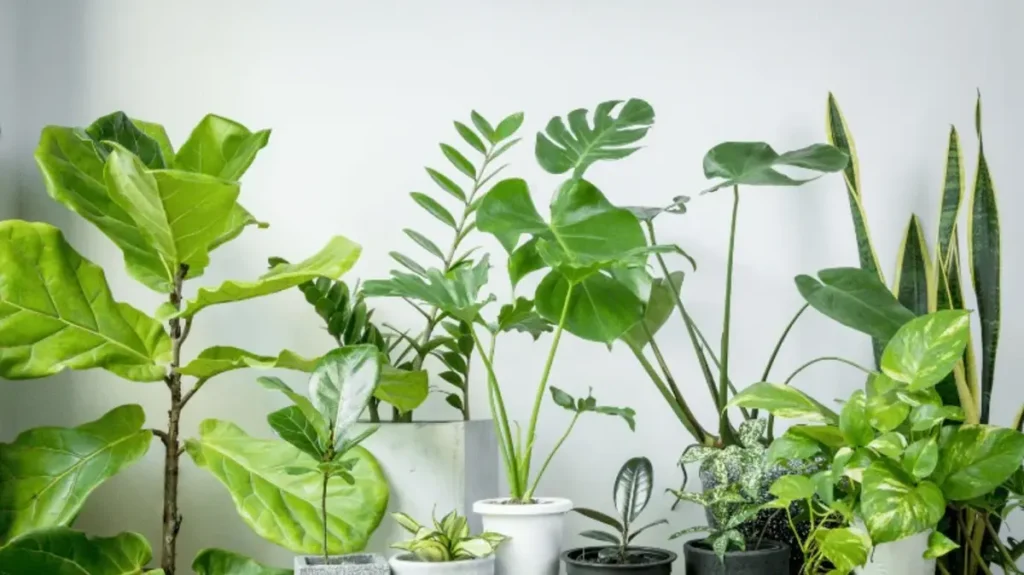
- Use a Saucer: Always place a plastic or ceramic saucer under your pot to catch drainage.
- Check the Joints: Once a year, give the stand a quick wiggle to ensure the screws haven’t loosened due to seasonal wood expansion.
- Wipe Spills Immediately: If you splash water during a feeding, wipe it off the wood promptly.
- Avoid Direct Heat: Placing your stand directly over a floor vent can cause the wood to dry out and crack over time.
Styling Your New Stand in Your Home
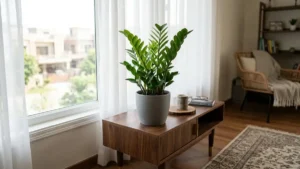
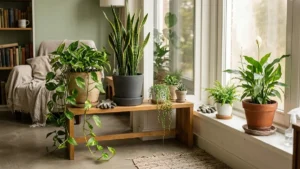
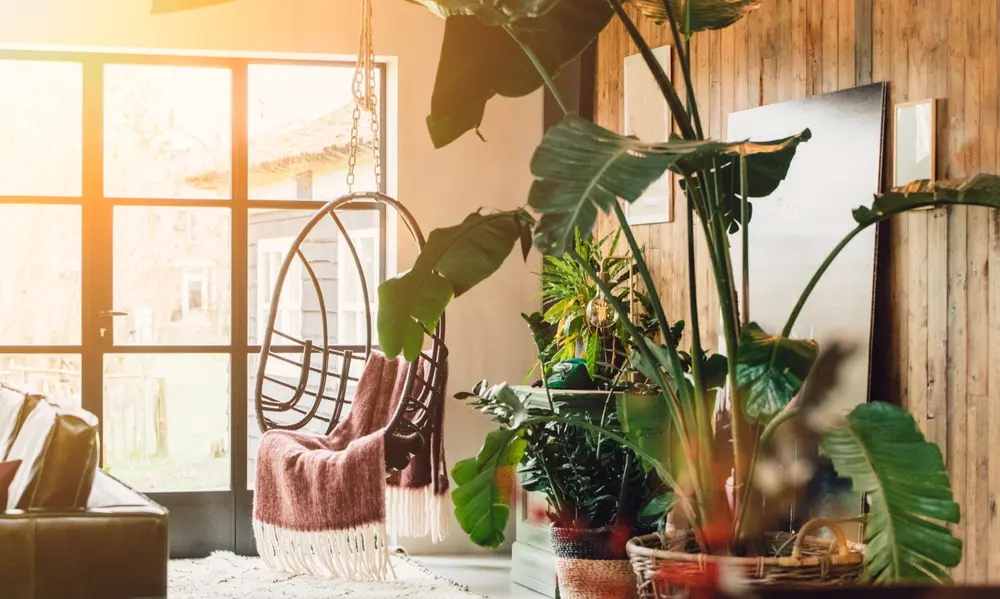
A wooden plant stand is more than a utility; it’s a design element. Consider the “rule of threes” when placing your stands. Grouping three stands of different heights together creates a more visually interesting display than three stands of the same height.
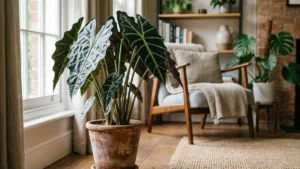
At Peeacelily, we love pairing light-colored woods like Maple with dark, moody foliage like a Rubber Tree. Conversely, a dark Walnut stand looks stunning when topped with a bright, trailing Neon Pothos. The contrast between the wood grain and the leaf texture is what makes a plant stand DIY project so rewarding once it is finally styled in your living room.
Summary of the Build Process
Creating your own furniture is a milestone for any home gardener. By following this guide, you’ve moved beyond simple decor and into the world of functional craftsmanship.
- Measure your pot diameter and add 0.5 inches for a perfect fit.
- Cut legs and cross-supports with precision to avoid wobbling.
- Use a cross-lap joint for maximum structural strength.
- Always pre-drill holes and use wood glue for a permanent bond.
- Sand through the grits to achieve a professional, boutique-quality finish.
- Protect the wood from moisture to ensure your stand lasts for decades.
Conclusion
Building a wooden plant stand is the ultimate way to show your plants some love while honing your DIY skills. It’s a project that rewards patience and precision, resulting in a piece of furniture that you can be proud of for years to come. At Peeacelily, we believe that the environment you create for your plants is just as important as the water and light you give them.
By taking the time to complete a plant stand DIY, you aren’t just saving money—you’re creating something unique that reflects your style and your dedication to your indoor jungle. Whether you’re building a single stand for a statement Monstera or a whole set for a sunroom, the principles of solid joinery and careful finishing remain the same. Grab your tools, pick out some beautiful lumber, and start building. Your plants are waiting for their new home!
FAQs
Q: What is the best wood for a plant stand DIY?
A: Indoor: White Oak, Walnut, or Pine (budget-friendly). Outdoor: Cedar or Redwood.
Q: How much weight can a wooden plant stand hold?
A: 50–75 lbs with cross-lap joints and wood glue—enough for a large pot.
Q: Do I need expensive tools for this project?
A: No, just a hand saw, miter box, and basic drill will do.
Q: How do I fix a wobbly plant stand?
A: Sand the long leg or add felt pads to the shorter legs to level it.