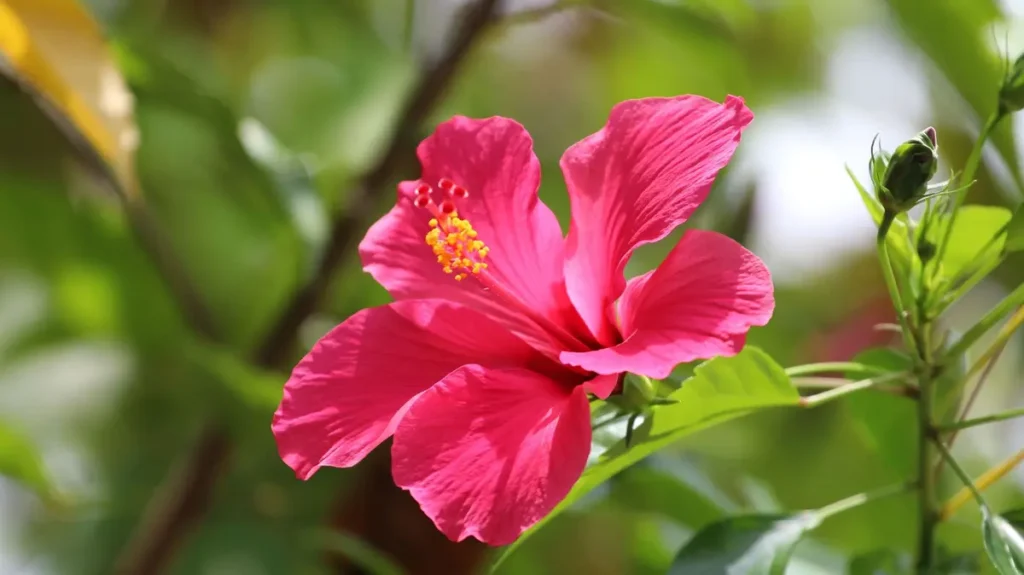
You can let your garden feel like a tropical paradise at home with a hibiscus care. They are unmistakable in their brilliant colors, and if they fail to bloom, you may not get a second chance. Whether you’re cultivating them outdoors or indoors, knowing what it takes to care for them is essential for successful growth and vibrant blooms.
Introduction
You can let your garden feel like a tropical paradise at home now when nothing catches the eyes such as a tea-plate-sized hibiscus flower right in the garden. They are so unmistakable in their brilliant colors that if your hibiscus fails to bloom, you may not get a second chance.
Whether you are cultivating them in an unshaded garden plot or want blooming plants indoors, knowing what it takes to care for hibiscus is the key that unlocks those traditional, vivid hues. Hibiscus is the queen in the kingdom of flowers, at Peeacelily we want every home to get some natural beauty.
At the heart of proper hibiscus care is giving it warmth; sunlight of good quality, and a watering schedule that controls soil moisture (keeping things moist but never saturated). These plants have a reputation though, as “divas” but once you know the basics (light, food and humidity) they are pretty predictable.
Understanding Your Hibiscus: Tropical vs. Hardy
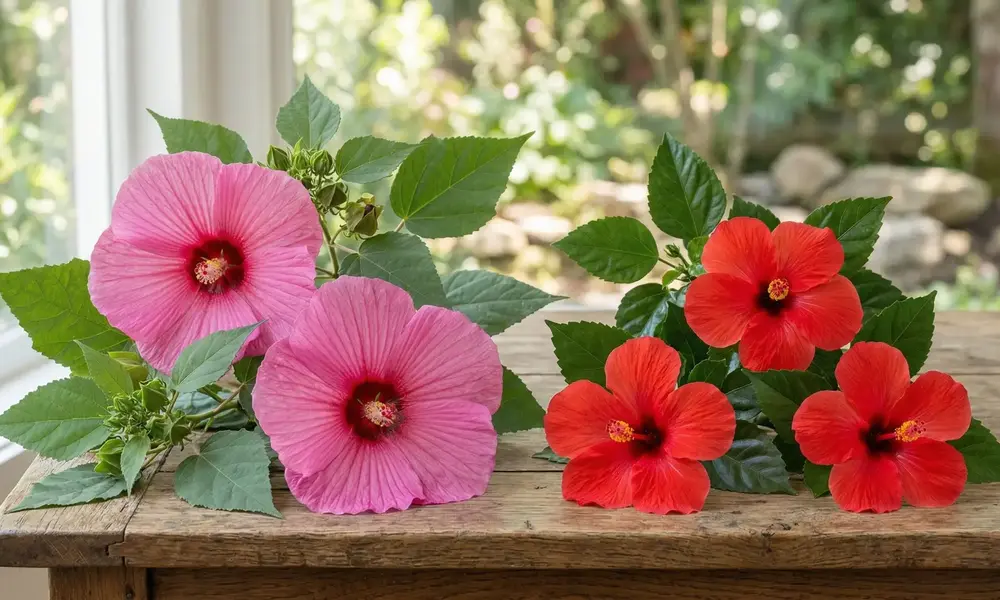
Knowing what type of hibiscus you have is your first step, before you dig a hole or buy a pot. This difference is what all hibiscus care routines are built off of.
Tropical Hibiscus (Hibiscus rosa-sinensis)
This is what you see on the postcards of Hawaii. They have dark glossy green leaves and bright orange, yellow, pink and red flowers. They are strictly warm-weather plants. They start to show difficulty when the temperature falls below 50°F. These flowering plants indoor are popular with many enthusiasts during the cold months.
Hardy Hibiscus (Hibiscus moscheutos)
Patently, With a name like Rose Mallows, these are the “bad-boys” of the family. They can overwinter deep in the soil and come up every Spring. Although the leaves are generally larger (and a more subdued green colour) and heart-shaped, their flowers have a diameter of up to 12 inches.
Sunlight: The Fuel for Vibrant Blooms
Your hibiscus is not flowering, and the given reason is that you do not have enough flowers,make sure your hibiscus receive bright light. Instead, these plants use light as their primary energy source for manufacturing such resource-rich flowers.
6 to 8 hours of direct sunlight is the gold standard for outdoor tropical varieties. Yet a little bit of afternoon shade can also prevent the leaves from scorching even in rocky locations in the really hot areas like Arizona or Florida. For people keeping flowering plants indoors, when growing hibiscus plant keep them in a south-facing window. Also, if your indoor setting does not receive at least 6 hours of brilliant, filtered sun every day, Peeacelily specialists commonly suggest using a supplemental grow light.
Watering Requirements for Hibiscus Care
Watering is where most gardeners run into trouble. The hibiscus is a thirsty plant, but it hates “wet feet.”
| Season | Watering Frequency | Soil Condition |
| Summer/Growth | Daily (sometimes twice) | Consistently moist |
| Spring/Fall | Every 2-3 days | Top inch dry before watering |
| Winter (Dormancy) | Once a week | Barely moist |
| Indoor Plants | As needed | Check moisture with a finger |
When practicing hibiscus care, always use lukewarm water. Cold water from a hose or tap can shock the tropical roots, leading to bud drop, a frustrating phenomenon where the flower buds fall off right before they open.
Soil and Potting Essentials
The proper “habitat” for your roots is truly life changing. Hibiscus also like their soil pH at a little on the acid side: 6.0 to 7.0 is about perfect.
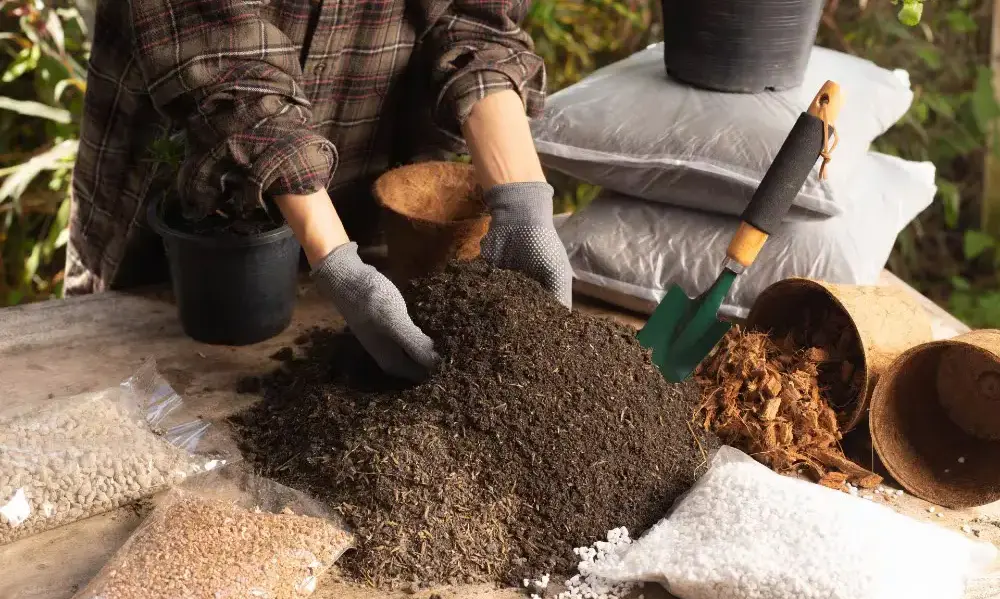
- Drainage Is Non-Negotiable: Choose a potting mix that includes perlite or vermiculite. This means that water will move through the soil quickly.
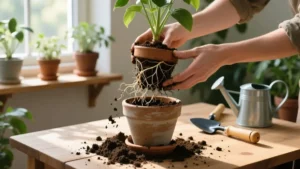
- Pot Size: Hibiscus even do better when they are slightly pot bound. Do not move them into a huge pot right away. A tight fit means the plant will direct energy to blooming rather than steady root growth.
- The Peeacelily Way: For outdoor plants, we suggest a layer of organic mulch on top (it also helps prevent overheating during heatwaves).
Feeding for “Flower Power”
According to flower garden tips, Fertilizer is like the vitamins for your plant. A Potassium-rich fertilizer — Hibiscuses like Potassium and need it more than Phosphorus!
Hold on, isn’t Phosphorus the “bloom booster? Not for hibiscus. An abundance of Phosphorus can accumulate in the soil and become more harmful to the plant over time. Seek an N-P-K ratio such as 10-4-12 or 12-4-18. Use a weak solution frequently to prevent nutrient levels from dropping too much during the growing season (March – October).
Maintaining Flowering Plants Indoor
One characteristic of Peeacelily style is bringing the natural world. Hibiscus are flowering plants that thrive as outdoor shrubs but if you control the surroundingswell they will grow nicely inside.
The challenge indoors is humidity! In the winter, central heating dries out the air and that is when we tend to see spider mites! This can be avoided by placing your pot on a tray of pebbles and water (the pot must sit on top of the pebbles not in the water). It also does a pretty solid imitation of the humid tropical air they love by misting the leaves every day.
Do not place the pot in front of an AC vent or by a drafty door. The main factor that ails their foliage in this way for indoor specimens is erratic temperatures.
Pruning and Shaping for Success
It can feel like you are harming this beautiful plant it does not feel that way pruning is an important part of hibiscus care. Because hibiscus bloom on new wood, pruning encourages new growth, and in this case, more branches means more flowers!
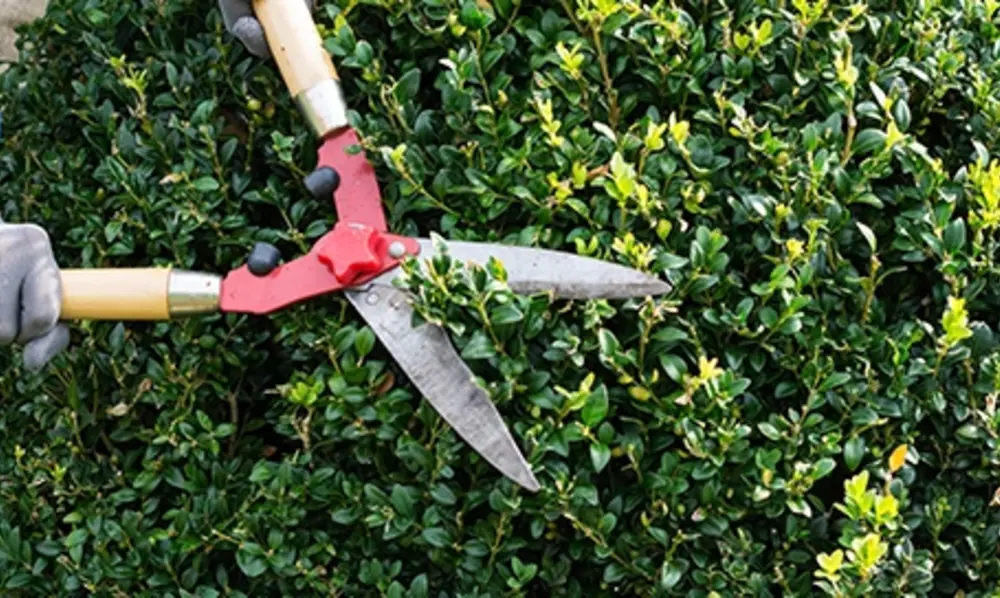
To prune late winter or early spring is the best time. You can prune the plant up to a maximum of one third, keeping its shape. Make sure to cut at a 45-degree angle about a quarter-inch above the node where one grows from. It channels this expedient growth out into the periphery of the plant, exposing its center for greater air flow and sunlight.
Common Pests and Troubleshooting
This means that your hibiscus will always attract a few unwelcome guests even with the best of care.
- Aphids: You may see these small green or black pests congregating on tender new growth and buds. Usually blast them off with water or spray neem oil and that does the trick.
- Whiteflies: If you shake the plant and a cloud of “dust” flies up, you have whiteflies. Spray them with insecticidal soap every few days until they disappear.
- Yellow Leaves: This is the plant’s way of complaining This can be an excessive amount of water, inadequate water or a fast temperature change. The first step in diagnosing the problem is to check soil moisture.
Why Choose Hibiscus for Your Home?
But more than their beauty, hibiscus plants give a sense of accomplishment. Hibiscus care is one of those things that successfully really connects you to the rhythms of nature. It does not matter if you have a big area or a small flat, these plants glow joy. We at Peeacelily have witnessed how flowering plants indoor can change an irritating workspace to a peaceful home.
In flower garden tips, the hibiscus is more than just a plant; it is a statement. Meaning you like bright, beautiful and tropical. This guide is written in a way that enables you to keep your statement lively and healthy for the long-term.
FAQs
How often should I fertilize my hibiscus?
Fertilize once every two weeks during spring and summer with a water-soluble fertilizer, or every two months with a slow-release formula.
Why are my hibiscus buds falling off before they open?
This is usually caused by environmental stress, such as underwatering, extreme heat, or sudden light changes (like moving the plant indoors).
Can I keep tropical hibiscus outside in the winter?
Only if you live in a frost-free zone (USDA Zones 9-11). In colder climates, bring tropical varieties inside and treat them as indoor flowering plants until spring.
How do I get my hibiscus to grow more flowers?
Ensure plenty of sunlight, use a potassium-rich fertilizer, and prune in early spring to encourage more flower buds.
Is hibiscus safe for pets?
Most hibiscus varieties are non-toxic, but some (like Rose of Sharon) can cause mild digestive upset in pets if ingested in large amounts. Keep plants out of reach of pets.