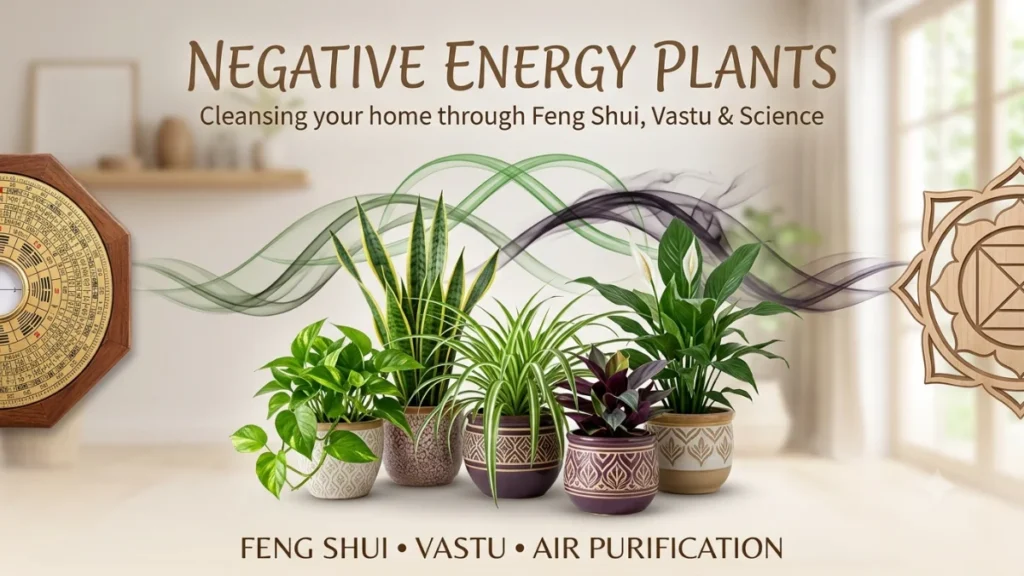
Negative energy plants can mean two things. Some houseplants remove unwanted energy, while other plants seem unfavorable in Feng Shui or Vastu. This guide explores both meanings, links cultural beliefs with science, and shares healthy alternatives for a balanced home.
Many people look for negative energy plants to create a calmer home, but the term causes confusion. At Peeacelily, we combine plant care, Feng Shui traditions, Vastu insights, and science. We help you choose plants that truly boost your atmosphere and daily well-being.
Key Takeaways
-
Learn the difference between plants that clear bad vibes and plants that attract them.
-
Get expert placement tips based on Feng Shui and Vastu guidelines.
-
Compare cultural traditions with scientific facts about plants and mental health.
-
Find pet-safe, beginner-friendly options with easy care tips.
What Are Negative Energy Plants?
The phrase negative energy plants confuses many people because it has two opposite meanings. Some plant parents use this term to find energy cleansing plants that absorb stress, clear tension, and clean the air.
Other people use the term to avoid specific greenery. They want to identify plants that traditional systems say attract bad luck or disrupt peace.
Google shows mixed search results for this reason. The search engine tries to serve both ideas at once, and it mixes spiritual guides with botanical advice.
Cultural Beliefs vs Scientific Evidence About Negative Energy Plants
Cultural systems look at indoor plants through a spiritual lens. Feng Shui focuses on the flow of invisible life force, or Chi. It warns against sharp shapes that cut through this energy.
Vastu Shastra focuses on spatial harmony and direction, so it bans certain species to protect household peace.
Science views the subject through environmental psychology and biology. Plants cannot measure or alter spiritual vibes, but they change your physical environment. Greenery lowers cortisol levels, cleans indoor air, and improves your mood.
Negative Energy Plants vs Energy Cleansing Plants
| Negative Energy Plants (Traditional Belief) | Energy Cleansing Plants |
| Cactus | Peace Lily |
| Dead Plants | Lucky Bamboo |
| Thorny Plants | Money Tree |
| Neglected Plants | Areca Palm |
Negative Energy Plants That Are Traditionally Considered Unfavorable
Cacti are beautiful, but traditional Feng Shui marks them as unfavorable indoors. Sharp thorns create Sha Chi, which translates to piercing or harsh energy.
The spikes act like tiny arrows that direct tense vibes into your living space, and this can cause arguments among family members.
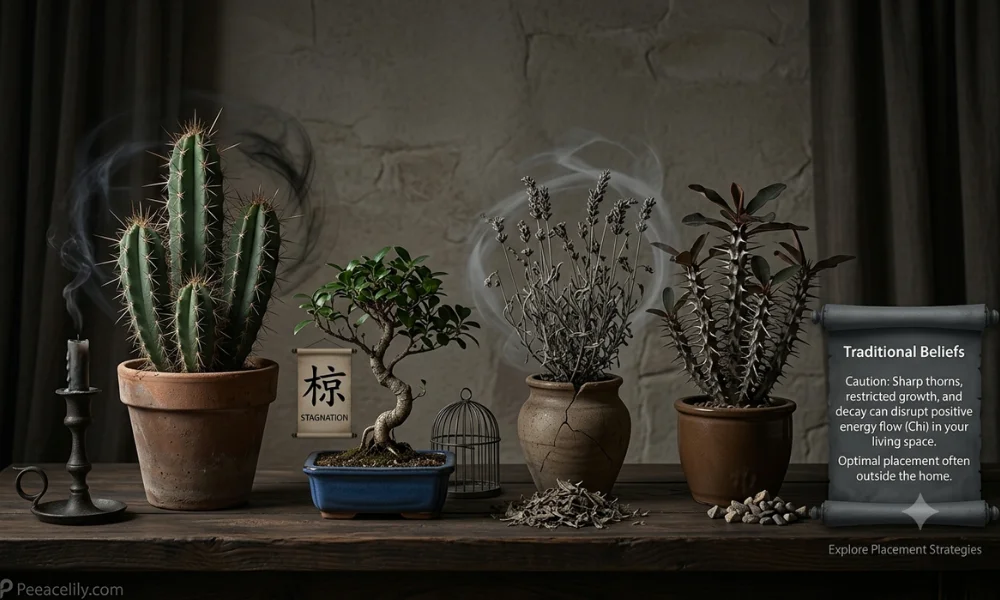
If you already own a cactus and love it, move it outside. A sunny balcony or a patio works perfectly, and the spikes will guard your home instead of disrupting your interior peace.
Bonsai Trees and Restricted Growth Symbolism
Bonsai trees require talent and patience, yet Vastu and Feng Shui experts view them with caution. The art of bonsai relies on deliberate pruning and root restriction to keep trees small.
This artificial blocking symbolizes stunted career growth, limited income, and blocked potential. Keeping them in your main living areas might make you feel stuck in your daily life.
Dead, Dry, or Dying Plants
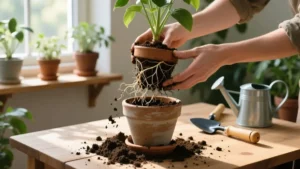
Nothing drains a room faster than a dying plant. Crispy leaves and rotting roots symbolize decay, stagnation, and a lack of life force.
When a plant dies, it stops filtering the air and starts gathering dust, so it pulls down the room’s vitality. Remove dead plants instantly to keep your home’s vibe fresh and moving.
Thorny Indoor Plants
Most plants with prominent thorns or prickly stems belong outside. Thorns trigger a subconscious defense mechanism in humans because your brain senses a physical threat. This subtle tension makes it hard to relax in your own living room.
Artificial Plants vs Living Plants
Fake plastic plants do not emit negative energy, but they do not offer positive energy either. They gather heavy dust and represent stagnant, dead elements. Living plants breathe and grow, so they provide true vitality.
Expert Insight: Plant condition matters far more than the exact species. A highly prized Vastu plant that is neglected, dusty, and dying will generate worse energy than a healthy, vibrant cactus kept in the right outdoor spot.
Plants That Are Believed to Remove Bad Energy
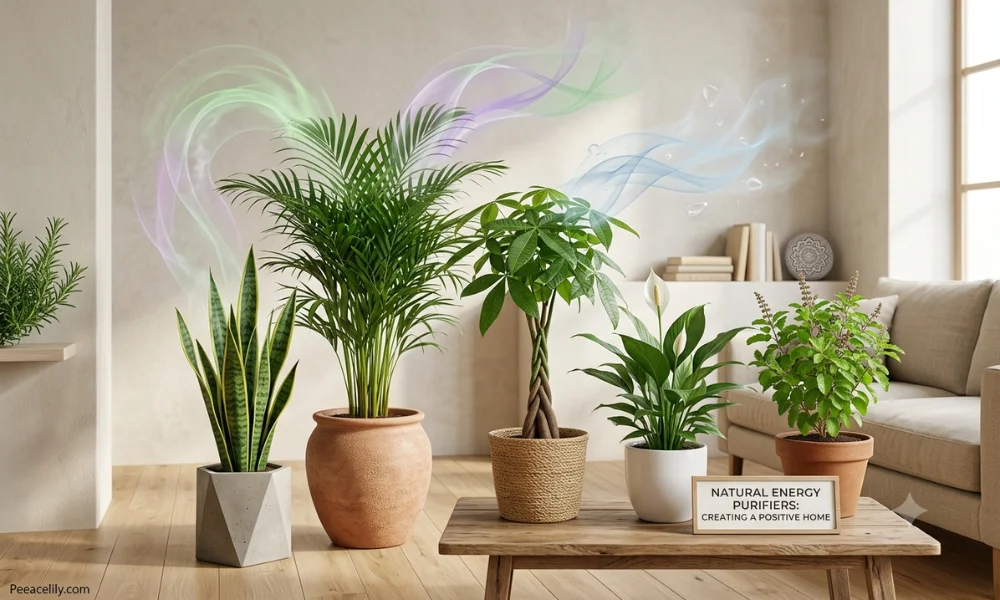
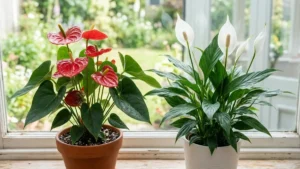
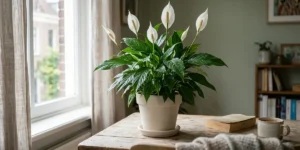
- The Peace Lily is a top choice for a spiritual plants home collection. It works hard as one of the best air purifying plants you can buy. It clears toxic gases like benzene and formaldehyde from your room, and this physical cleaning creates a sense of harmony. The gentle white blooms also symbolize peace and emotional balance.
- Snake Plant: The Snake Plant acts like a protective shield. Its tall, upright leaves cut through heavy vibes and block negative influences. Some Feng Shui practitioners debate its sharp shape, but most experts agree its protective quality outweighs the sharpness. Place it near your front door to guard your space.
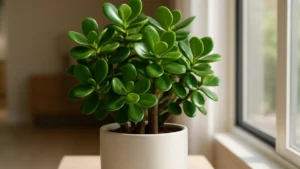
- Lucky Bamboo: Lucky Bamboo brings immediate wood element energy into a room, and it attracts wealth, health, and general prosperity. It grows well in low light, so it easily revives dark, stagnant corners.
- Money Tree: The Money Tree features a braided trunk that locks in positive energy and fortune. It reduces stress and anxiety, which makes it perfect for high-pressure areas.
- Holy Basil (Tulsi): Tulsi offers incredible vastu plants benefits. This sacred plant acts as a spiritual filter, clears negative energy, and releases massive amounts of oxygen.
- Rosemary: Rosemary lifts your mood and improves memory. Its pleasant scent clears out mental fatigue and dispels dark, heavy thoughts from your workspace.
- Aloe Vera: Aloe Vera fights bad luck and negative vibes. It shows physical signs of environmental stress by developing brown spots when the air quality is poor, so it helps you monitor your home’s health.
Plants Placement Guide According to Feng Shui and Vastu
Here is the complete breakdown:
Where to Place Plants for Positive Energy
The entryway dictates how energy flows into your house. Place Lucky Bamboo or a Snake Plant here to welcome fresh opportunities and block negative exterior vibes.
The living room hosts family gatherings, so use an Areca Palm here to maintain smooth relationships.
Your home office benefits from a Money Tree, which boosts focus, encourages creative thinking, and attracts financial growth.
Rooms Where Certain Negative Energy Plants Should Be Avoided
Avoid putting sharp or highly active plants in the bedroom. This space requires calm, restful energy for sleep, so sharp plants can cause insomnia.
Bathrooms gather damp, heavy energy, so do not crowd them with plants that rot easily.
The kitchen represents the fire element, so placing clashing plants directly next to the stove disrupts household peace.
Vastu Plants Benefits for Different Directions
-
North: Place green plants here to attract new career options and wealth.
-
East: Use healthy plants in this direction to improve family health and social connections.
-
Southeast: Choose money plants here to fuel financial growth and prosperity.
-
Southwest: Avoid water-based plants here, but use heavy potted plants to stabilize life.
Best Plant Placement Guide
| Room | Recommended Plant | Reason |
| Bedroom | Peace Lily | Creates a calm, restful atmosphere |
| Living Room | Areca Palm | Radiates positive, lively energy |
| Office | Snake Plant | Sharpen focus and drive |
| Entrance | Lucky Bamboo | Welcomes good luck and wealth |
Scientific Benefits of Negative Energy Plants and Air Purifying Plants
Science does not validate the existence of spiritual energy or bad vibes. However, research proves that plants change human psychology and biology.
Studies show that interacting with indoor plants lowers blood pressure and calms the nervous system.
Biophilic design research proves that humans have an innate need to connect with nature, so seeing green leaves satisfies this need and reduces mental fatigue.
Air Purifying Plants and Indoor Wellness
Air purifying plants remove invisible toxins from your indoor environment. Poor air quality causes headaches, fatigue, and irritability, which people often mistake for bad spiritual energy.
When a plant cleans the air, you breathe better, sleep deeper, and feel more comfortable. The psychological lift comes from a healthier physical body and a cleaner room.
How to Choose the Best Negative Energy Plants for Your Home
Beginners should start with tough options like the Snake Plant or Lucky Bamboo because they survive minor neglect. Busy homeowners should choose low-maintenance plants that do not need daily watering.
Families with toddlers and pet owners must check toxicity lists first, so choose safe options like the Areca Palm or the Money Tree to keep everyone secure.
Signs Your Plant Is Creating Problems
-
Overwatering: Yellow, mushy leaves mean the roots are drowning.
-
Mold: White fuzz on the soil surface ruins air quality and indicates poor drainage.
-
Pest Infestation: Sticky residue or tiny webs attract annoying bugs.
-
Dead Leaves: Constant leaf drop means your plant lacks light or water.
Negative Energy Plants vs Energy Cleansing Plants
Modern homes need a balance of visual style, easy care, and wellness benefits. Traditional negative energy plants like the cactus are great for outdoor spaces, but they do not fit busy indoor walkways.
| Feature | Negative Energy Plants (Traditional) | Energy Cleansing Plants |
| Symbolism | Mixed or protective | Purely positive and welcoming |
| Maintenance | Varies widely | Generally simple and easy |
| Beginner Friendly | Some species | Most options |
| Wellness Support | Indirect benefits | Strong, proven practical benefits |
Conclusion
Choosing your greenery is about blending cultural traditions with practical plant care. At Peeacelily, we suggest picking healthy plants that fit your lighting and your daily routine. Whether you follow Feng Shui, want Vastu benefits, or just need clean air, healthy choices create a welcoming home.
Frequently Asked Questions
What plant removes negative energy from a home?
The Peace Lily and Holy Basil are excellent choices. They clear out stale energy, filter the air, and bring a sense of peace to your rooms.
Which plants are believed to bring bad luck?
Cacti, bonsai trees, and dead plants often represent bad luck in traditional Feng Shui and Vastu because they symbolize sharp vibes or restricted growth.
Are negative energy plants scientifically proven?
Science proves that plants clean the air and lower stress, but it does not measure or track spiritual energy.
Are air purifying plants also energy cleansing plants?
Yes, they often overlap. Cleaning the physical air removes toxins that cause fatigue, which makes the room feel lighter and happier.
Which negative energy plants are safe around pets?
The Areca Palm and Money Tree are safe for dogs and cats, but keep Peace Lilies and Snake Plants out of their reach.
What are the best spiritual plants home enthusiasts choose?
Enthusiasts love Lucky Bamboo, Holy Basil, and Rosemary for their historical meanings, rich symbolism, and positive vibes.