The lucky bamboo plant is one of the easiest indoor plants to master, even for those who lack a green thumb. Often mistaken for true bamboo, this hardy member of the Dracaena family brings life to homes and offices with minimal effort. Whether you want to attract prosperity or simply enjoy a touch of greenery, this guide covers everything you need to know about growth, placement, and long-term health. PeaceLily provides the expert insights you need to become a confident plant parent.
Key Takeaways
-
The lucky bamboo plant is actually Dracaena sanderiana, not true bamboo.
-
Expert lucky bamboo plant care relies on clean water, indirect light, and stable temperatures.
-
People grow the Chinese bamboo lucky plant to invite prosperity, often enhancing the setup with pictures of lucky bamboo plant wealth success crystals.
-
Learning how to take care of a lucky bamboo plant and how to plant lucky bamboo is straightforward for any skill level.
What Is a Lucky Bamboo Plant?
The lucky bamboo plant serves as a staple in modern interior design because it offers elegance without the demand of high-maintenance flora. It brings a touch of nature into small spaces like desks, bookshelves, and windowsills. You might find it arranged in intricate spirals, braids, or straight stalks. It adapts well to low light and works for both homes and offices.
Is a Lucky Bamboo Plant Real Bamboo?
Despite the common name, the lucky bamboo plant is not a true bamboo. True bamboo belongs to the grass family and grows rapidly in outdoor environments. Instead, your lucky bamboo is a member of the Dracaena genus. Specifically, botanists classify it as Dracaena sanderiana.
Its native habitat includes the tropical rainforests of Central Africa. The plant earned the name lucky bamboo because its stalks look remarkably similar to true bamboo canes. You will notice the segmented stems and the way the leaves sprout from the nodes. This resemblance makes it a perfect aesthetic substitute for true bamboo in indoor settings.
Why Is the Chinese Bamboo Lucky Plant So Popular?
The Chinese bamboo lucky plant holds a special place in global culture, especially within the practice of Feng Shui. Practitioners believe the plant attracts positive energy and brings prosperity to its owners. It often serves as a traditional housewarming gift. People exchange it to wish friends or family members good luck and success.
-
Symbolic Value: Each arrangement of stalks holds a specific meaning, such as health, happiness, or wealth.
-
Office Appeal: It fits perfectly in professional workspaces because it requires little attention and survives under fluorescent lights.
-
Minimal Maintenance: It tolerates neglect better than most indoor plants.
-
Longevity: With proper care, these plants remain vibrant for many years.
Lucky Bamboo Plant Image: How to Identify a Healthy Plant
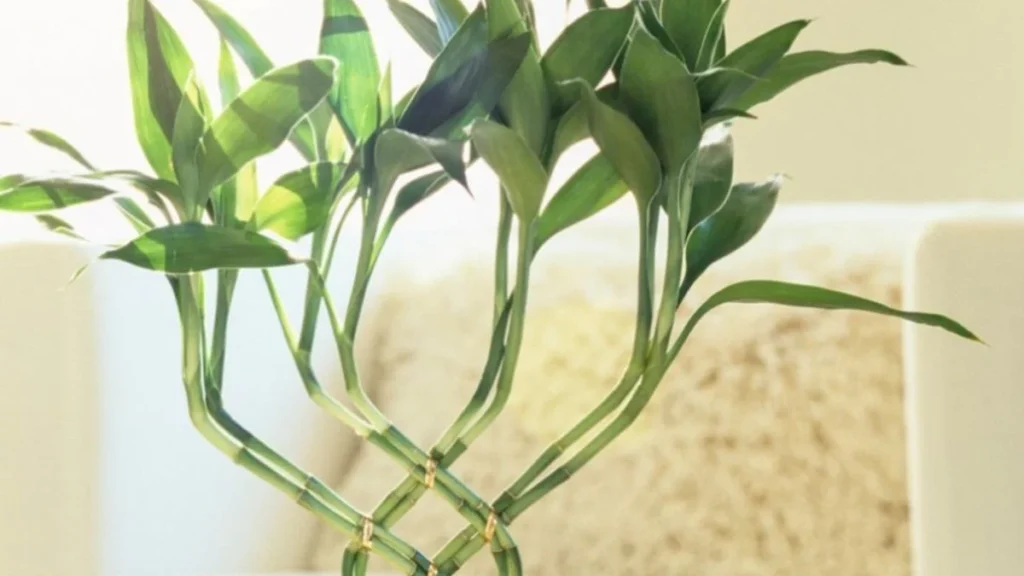
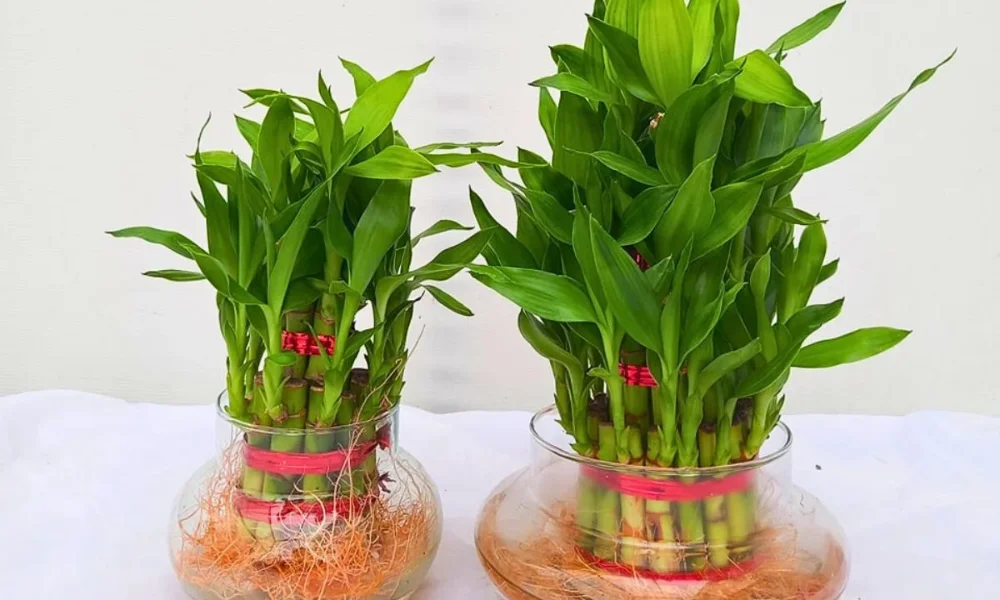
When you search for a lucky bamboo plant image to use as a reference, you must know what a thriving specimen looks like. Visual cues reveal the health of your plant long before physical changes occur. You want to ensure you bring home a vibrant plant that will grow well.
-
Healthy Leaves: The leaves should appear a bright, rich green. They must feel firm to the touch and show no signs of yellowing or browning at the edges.
-
Healthy Stalks: The main stems should feel solid and firm. A soft or mushy stalk indicates rot.
-
Root Appearance: In water-grown plants, roots should look red or orange. These colors represent health in this species.
-
Water Color: If you keep it in water, the liquid should remain clear. Murky or foul-smelling water suggests bacterial growth.
-
Stem Color: Look for a consistent, healthy green color. Any black or dark mushy spots near the base signal a severe issue that requires immediate attention.
Comparing a healthy plant to an unhealthy one helps you spot trouble early. A sick plant often shows drooping leaves or yellowing stems. If you see these signs, you must check the roots and the water quality immediately. PeaceLily offers further resources if you need to diagnose specific plant ailments.
Lucky Bamboo Plant Care for Long-Lasting Growth
Successful lucky bamboo plant care depends on replicating its natural tropical environment inside your home. It needs stable conditions to flourish, but it remains remarkably forgiving if you get the basics right. Use the following guide to ensure your plant stays green and vibrant for years.
Lucky Bamboo Plant Care Requirements at a Glance
How to Care for a Lucky Bamboo Plant Indoors
You must choose the right spot to help your plant thrive. It prefers bright, indirect light. Direct sunlight scorches the leaves, but low light causes the plant to stretch and lose its deep green color. Good airflow prevents fungal growth, so place it in a room with gentle air circulation.
-
Humidity: This plant loves humidity. You can mist the leaves occasionally or place the container on a pebble tray filled with water to boost local moisture.
-
Water Quality: Tap water often contains chlorine or fluoride. These chemicals cause brown tips on the leaves. Use filtered, bottled, or distilled water to keep your plant happy.
-
Cleaning Leaves: Dust blocks light absorption. Gently wipe the leaves with a damp, soft cloth to keep them clean and efficient at photosynthesis.
How to Take Care of a Lucky Bamboo Plant Throughout the Year
Your plant adjusts its growth based on the season. You should tweak your routine to match these cycles.
-
Spring: This acts as the primary growth season. You might notice new shoots. Start a light fertilization schedule now.
-
Summer: The heat increases evaporation. Check the water level daily if you grow your plant in water. Keep it away from harsh, direct afternoon sun.
-
Fall: Growth slows as days shorten. Reduce the amount of fertilizer you provide.
-
Winter: The plant enters a rest phase. Keep it away from cold drafts and heating vents, as dry heat stresses the stems. Still, ensure the plant stays in a warm, consistent spot.
When to Plant Lucky Bamboo
The timing of your planting affects how quickly the roots establish themselves. You want to give the plant the best chance to adapt to its new home.
When to Plant Lucky Bamboo for the Best Growth
You can plant lucky bamboo at any time if you keep it indoors. The ideal time for repotting or moving from water to soil is during the early spring. This aligns with the natural start of the growing season. Warm temperatures between 70°F and 80°F help the roots settle into the medium quickly. If you decide to move a plant from water to soil, do it gradually so the roots adjust to the change in density and moisture.
How Do You Plant Lucky Bamboo?
Follow these steps to ensure a strong start for your lucky bamboo.
-
Select a healthy stalk: Look for firm, green stems without any signs of mushiness or discoloration.
-
Prepare the container: Use a clean glass vase for water growth or a pot with drainage holes for soil.
-
Add support: Place decorative stones or marbles in the vase to anchor the stalks. Use a loose, peat-based potting mix if you choose soil.
-
Position the roots: Gently place the root system into your chosen medium. Ensure the roots have enough space to spread.
-
Add water: Fill the container with enough filtered water to cover the roots. Do not submerge the stems too high, or you risk rot.
-
Find the light: Place the plant in a spot that receives bright, indirect light.
Lucky Bamboo Plant in Water vs Soil
Choosing a growth medium changes how you manage your plant. Both methods work well, yet they require different levels of attention.
Which Growing Method Is Better?
Growing in water offers a clean, minimalist look. You can watch the roots grow and easily spot when the water needs changing. It stays mess-free, but you must change the water every two weeks to prevent algae.
Soil provides more nutrients and structural stability. The plant grows faster and usually lives longer because it has access to a wider range of minerals. Yet, you must monitor the soil moisture closely to avoid overwatering. Choose water if you want a simple desk decoration, but select soil if you want a larger, more robust plant that lives for many years.
Lucky Bamboo Plant Meaning and Feng Shui Symbolism
The lucky bamboo plant carries significant weight in various cultures, specifically within the practice of Feng Shui. People often keep it to shift the energy of a room and invite positive vibes. While these associations remain rooted in tradition rather than biological fact, they provide a sense of purpose and connection to the space you create.
Lucky Bamboo Plant Meaning Explained
This plant symbolizes several core human desires. You might place it in your home to represent these ideals:
-
Prosperity: Many believe the vertical growth of the stalks mirrors the upward trajectory of one’s career or finances.
-
Harmony: The flexibility of the stems suggests a life that bends without breaking under stress.
-
Longevity: It remains a durable, long-living plant, so people view it as a symbol of endurance.
-
Health: A vibrant, green plant serves as a visual reminder of vitality.
-
Good Fortune: It acts as a focal point for positive intention in your living environment.
Remember that these meanings represent cultural traditions. They serve as a wonderful way to personalize your plant collection, but they do not guarantee specific life outcomes.
Lucky Bamboo Stalk Numbers and Their Meanings
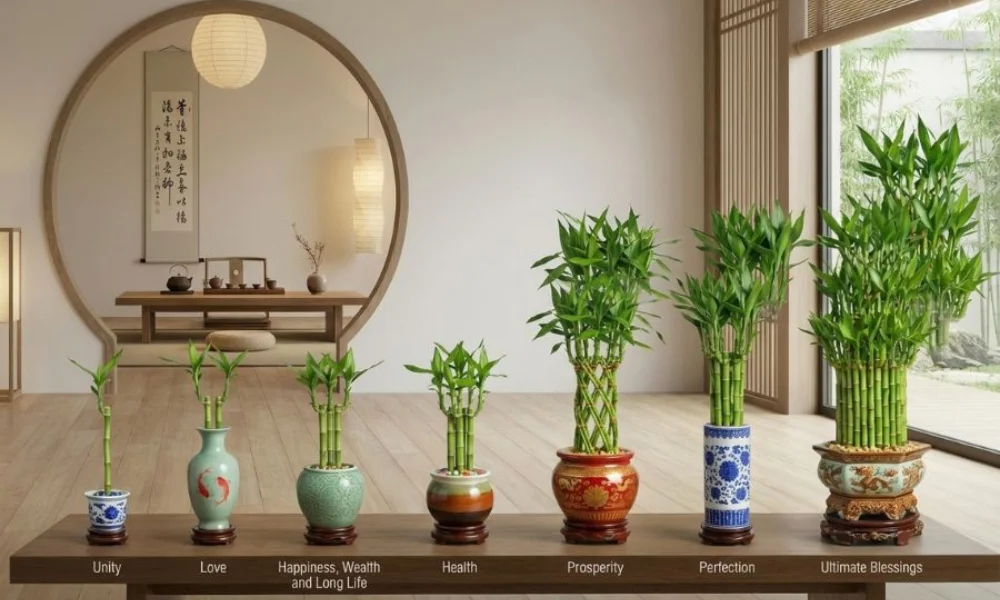
The number of stalks in an arrangement dictates the specific energy the plant brings into your space.
| Stalks | Traditional Meaning |
| 2 | Love |
| 3 | Happiness |
| 5 | Health |
| 6 | Wealth |
| 7 | Good Health |
| 8 | Growth |
| 9 | Good Fortune |
| 10 | Completeness |
| 21 | Powerful Blessings |
Can You Pair Lucky Bamboo with Wealth Success Crystals?
Yes, many enthusiasts incorporate wealth success crystals into their plant displays to amplify their personal focus or decor aesthetic. You can arrange these stones around the base of your vase or pot.
-
Green Aventurine: Often called the Stone of Opportunity, it pairs well with the green tones of the leaves.
-
Citrine: People use this for its association with abundance and mental clarity.
-
Pyrite: Known as Fool’s Gold, it adds a metallic luster that contrasts nicely with the bamboo stalks.
-
Clear Quartz: This stone acts as a general amplifier for your intentions.
Combining plants and minerals is a personal creative practice. It allows you to build a tabletop display that reflects your style and goals.
Common Lucky Bamboo Plant Problems and Solutions
Even hardy plants experience issues if their environment shifts. Keep a close watch on your lucky bamboo plant so you can act before damage spreads.
Why Is My Lucky Bamboo Plant Turning Yellow?
Yellowing leaves signal that your plant feels stressed. Check these common culprits first:
-
Chlorine and Fluoride: Tap water often contains these chemicals. They build up in the plant and cause the leaf tips to turn yellow or brown. Switch to distilled water to see if the problem stops.
-
Sunburn: Too much direct sun bleaches the chlorophyll. Move the plant to a spot with filtered light.
-
Root Rot: If the base feels soft, the plant suffers from rot. You must trim the mushy parts and refresh the water or soil.
-
Fertilizer Burn: Too much fertilizer salts the water and burns the roots. Flush the container with fresh water and wait a few months before feeding again.
Brown Tips, Curling Leaves, and Soft Stalks
If your plant shows these signs, you must investigate the environment immediately.
-
Brown Tips: Usually, dry air or low humidity causes this. Try grouping the plant with others or using a pebble tray.
-
Curling Leaves: This often happens when the plant struggles to take up water. Check the roots to ensure they have not died back.
-
Soft Stalks: This is the most dangerous sign. It indicates advanced rot. You must remove the plant from the water or soil, cut off the rotten section, and let the remaining healthy part callus over before restarting it.
Pest Problems
Indoor plants occasionally attract unwanted visitors.
-
Spider Mites: These leave tiny webs on the underside of leaves. Wipe them off with a damp cloth or use insecticidal soap.
-
Mealybugs: These look like small, white cotton balls. Dab them with a cotton swab dipped in rubbing alcohol to eliminate them.
-
Scale Insects: These appear as brown, raised bumps on the stems. Scrape them off gently with your fingernail.
How to Propagate a Lucky Bamboo Plant
Propagation lets you turn one healthy plant into many. It is a satisfying way to share your hobby with friends.
Propagation in Water
-
Select a healthy stalk: Find a mature stalk that has a node.
-
Make the cut: Use sterilized shears to cut a side shoot. Ensure your cut is clean and just above the main stalk.
-
Place in water: Submerge the bottom of the cutting in fresh, filtered water.
-
Root development: Place the cutting in bright, indirect light. You will see new roots emerge in a few weeks. Change the water weekly to keep it fresh.
Propagation in Soil
-
Prepare the cutting: Use the same method as water propagation to get a healthy shoot.
-
Rooting: Many people prefer to root the cutting in water first until you see at least an inch of roots.
-
Transplant: Once roots appear, move the cutting into a well-draining potting mix. Keep the soil moist but not soggy.
-
Timing: Early spring provides the best environment for your new plant to establish itself.
Where Should You Place a Lucky Bamboo Plant?
Practical placement focuses on the needs of the plant, while Feng Shui placement focuses on the energy of the room. A great spot satisfies both.
-
Best Locations: A living room, office, or bathroom often provides the right balance of light and humidity. You want a spot that stays bright but avoids the intensity of high-noon sun.
-
Avoid: Keep the plant away from HVAC vents, as the blast of dry, hot or cold air causes rapid dehydration. Also, do not place it on a windowsill during winter, as cold glass chills the stems.
Positioning your plant effectively means prioritizing stable, moderate light and temperature. If you find a spot that keeps the leaves green and the roots healthy, you have found the perfect home for your lucky bamboo. PeaceLily encourages you to continue exploring our site for more guides on creating a lush, thriving indoor garden.
Conclusion
The lucky bamboo plant rewards your minimal effort with vibrant, long-lasting greenery. You achieve the best results by using filtered water, providing bright indirect light, and maintaining a stable, draft-free environment. While cultural symbolism offers a layer of personal meaning and intent to your home, the physical health of your plant remains rooted in consistent, attentive maintenance.
Explore more indoor plant guides on PeeaceLily to gain practical insights, troubleshoot common issues, and find further inspiration for your thriving home garden.
Frequently Asked Questions
Is lucky bamboo safe for pets?
No, the lucky bamboo plant is toxic to cats and dogs. It contains saponins, which cause vomiting, diarrhea, and abdominal pain if ingested. If you have pets, you must place your lucky bamboo out of their reach to ensure they do not nibble on the leaves.
How long does a lucky bamboo plant live?
A well-maintained lucky bamboo plant can live for several years or even decades. Its longevity depends entirely on your commitment to lucky bamboo plant care, specifically providing clean, filtered water and avoiding harsh direct sunlight. Consistent maintenance keeps the stalks healthy and vibrant for a very long time.
Can lucky bamboo grow only in water?
Yes, you can grow a lucky bamboo plant in water indefinitely. Many people prefer this method because it is clean and allows you to monitor root health easily. You must use distilled or filtered water and change it every two weeks to keep the plant thriving without soil.
How often should I change the water?
You should change the water for your lucky bamboo plant at least every two weeks. If you notice the water becoming cloudy or developing an odor, change it immediately. Always use filtered or distilled water to avoid mineral buildup, which helps maintain the health of your lucky bamboo.
Why are my lucky bamboo leaves turning yellow?
Yellowing leaves usually occur due to poor water quality, such as high chlorine or fluoride levels, or too much direct sunlight. Over-fertilizing or root rot also causes this issue. Review your lucky bamboo plant care routine and switch to distilled water or move the plant to indirect light.
Can lucky bamboo survive in low light?
The lucky bamboo plant tolerates low light conditions well, making it ideal for offices or dim rooms. While it survives, it grows slower and may lose some vibrancy. For the best growth, place it in bright, indirect light rather than placing it in complete darkness or deep shade.
Should lucky bamboo be fertilized?
Yes, you should fertilize your lucky bamboo plant every two to three months. Use a specific, diluted water-soluble fertilizer to provide essential nutrients. You must not over-fertilize, as excess salts cause brown leaf tips or root damage, so always follow the instructions for your specific fertilizer product.