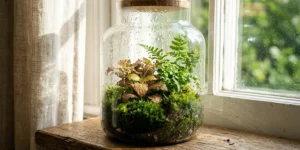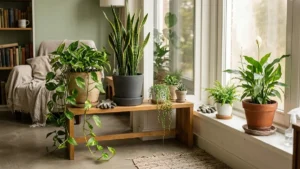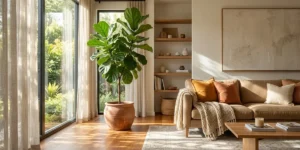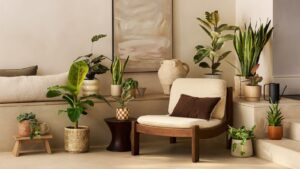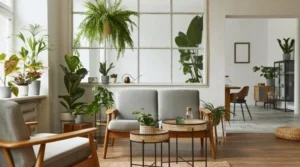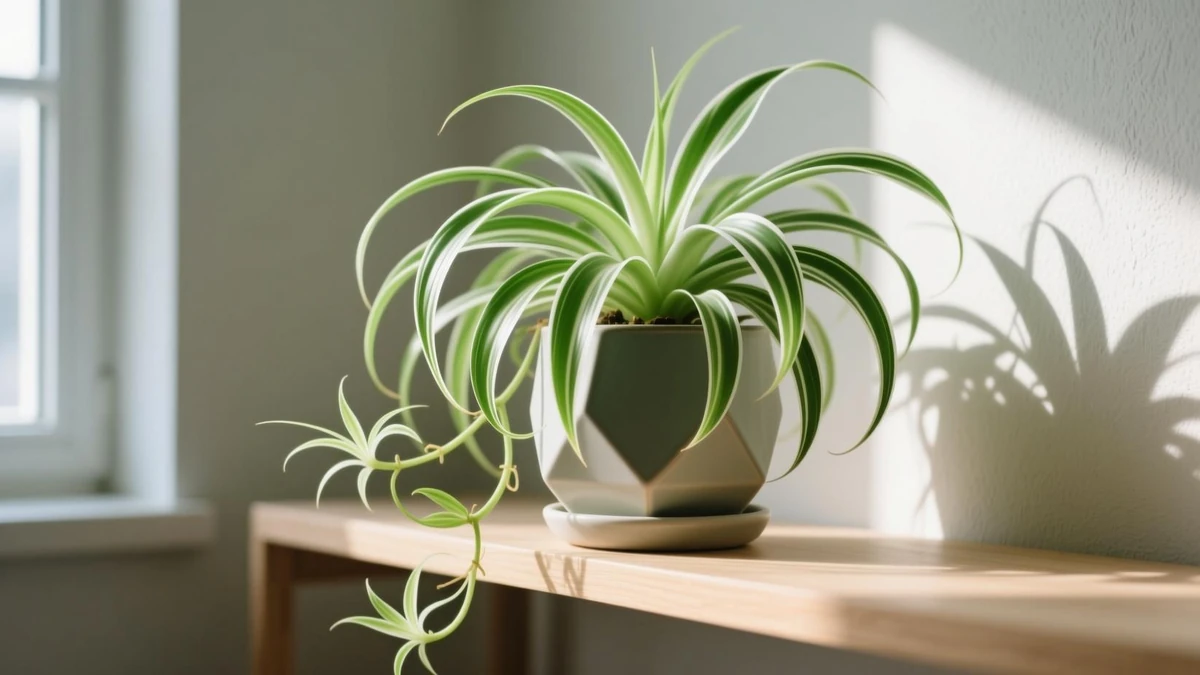
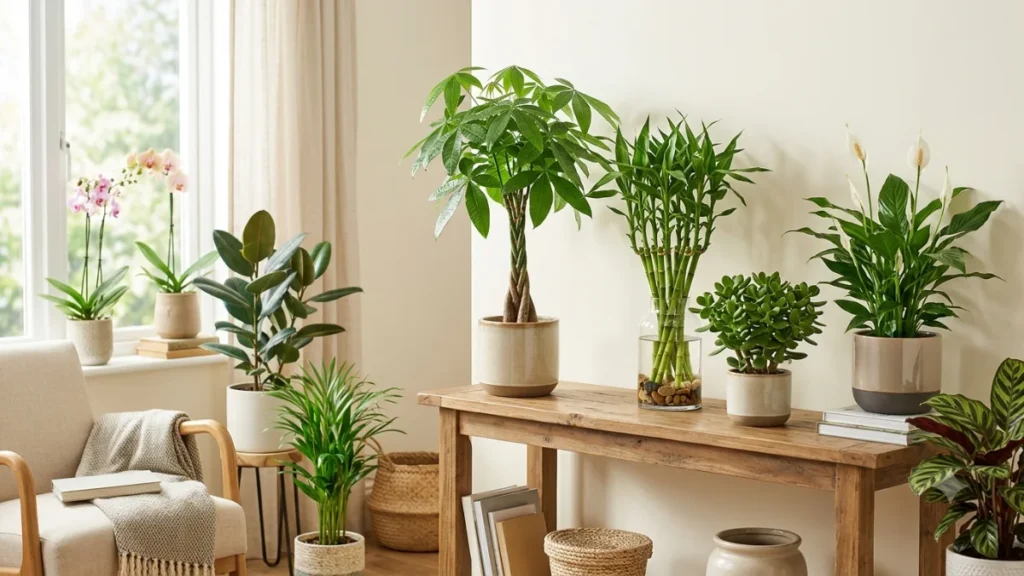
Money trees, lucky bamboo, jade plants, peace lilies and rubber plants are popular feng shui plants. The right choice depends on symbolic intention, room placement, natural light, maintenance needs and household safety. Choose healthy plants to support optimal balance.
Integrating feng shui plants into your space offers a living connection to growth, balance, prosperity and positive energy. At Peeacelily, we help you choose healthy plants based on traditional meaning, bagua placement, available light, care difficulty and pet safety. We focus on real horticultural success rather than unsupported promises of guaranteed wealth or luck.
Key Takeaways
-
Healthy plants create better symbolism than neglected, poorly placed plants.
-
Money trees, jade and bamboo traditionally represent prosperity and growth.
-
Natural light should guide placement before symbolic direction alone.
-
Pet safety matters when choosing plants for accessible indoor areas.
What Are Feng Shui Plants and How Do They Influence a Home?
Feng shui plants are living plants used to support the movement and quality of qi, or life energy, within a space. In traditional practices, these plants commonly represent the wood element. This specific element is associated with growth, renewal and flexibility.
Living greenery can soften visually empty or harsh areas in a room. However, you should view these feng shui meanings as cultural associations rather than scientifically guaranteed outcomes.
How to Choose Feng Shui Plants That Can Stay Healthy
Symbolism should never override real plant requirements. If a plant declines, it defeats the purpose of encouraging vibrant energy. Consider these practical selection factors before buying:
-
Natural light levels
-
Room temperature and humidity
-
Available floor or shelf space
-
Personal watering habits
-
Safety for children and pets
-
Upright, rounded or trailing growth habits
A healthy plant in a practical location is better feng shui than a declining plant in a symbolically perfect corner.
Feng Shui Plants Comparison Guide
No single plant suits every home perfectly. The best selection depends on your specific intention, room placement, available light and your ability to maintain the species over time.
Best Feng Shui Plants at a Glance
| Feng Shui Plant | Traditional Association | Best Placement | Light Requirement | Care Level | Pet Safety |
| Money Tree | Wealth and opportunity | Office or southeast area | Bright indirect | Easy | Use caution |
| Lucky Bamboo | Growth and resilience | Entryway or office | Indirect | Easy | Toxic to pets |
| Jade Plant | Prosperity and success | Entrance or workspace | Bright light | Easy | Toxic to pets |
| Peace Lily | Calm and harmony | Living or family area | Low to medium indirect | Easy | Toxic to pets |
| Rubber Plant | Abundance and stability | Living room | Bright indirect | Moderate | Toxic to pets |
| Orchid | Love and refinement | Relationship area | Bright indirect | Moderate | Generally pet-safe |
| Areca Palm | Expansion and vitality | Living or dining room | Bright indirect | Moderate | Generally pet-safe |
| Calathea | Balance and renewal | Bedroom or living room | Medium indirect | Moderate | Generally pet-safe |
8 Best Feng Shui Plants for Wealth, Luck and Positive Energy
Here is the breakdown:
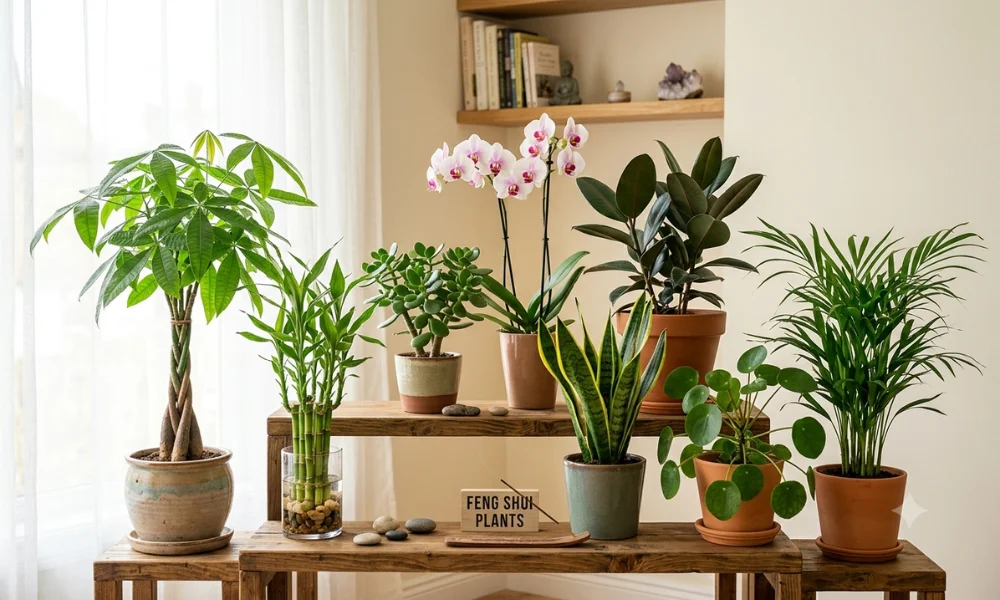
1. Money Tree: One of the Best Feng Shui Plants for Prosperity
-
Botanical Name: Pachira aquatica
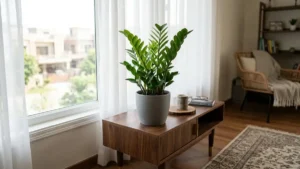
The Money Tree stands out as one of the best-known wealth energy plants in modern interior design. Practitioners associate its vibrant canopy with opportunity, growth and financial stability.
Place this plant in offices, workspaces or your southeast wealth area for the best traditional alignment. It requires bright, indirect light and moderate watering to thrive.
The braided trunks you see in stores are commercially created and not necessary for authentic feng shui meaning. While it serves as a beautiful reminder of your professional goals, it will not directly increase your income.
2. Lucky Bamboo: Feng Shui Plants for Growth and Good Fortune
-
Botanical Name: Dracaena sanderiana
This species symbolizes flexibility, resilience and steady development. It makes an excellent addition to an entryway, desk or career-related area.
Stalk-number meanings vary by tradition, so select a grouping that matches your specific intent. It needs indirect light and clean, regularly changed water to prevent root rot.
Note that this species is not true bamboo, but rather a member of the dracaena family. Keep it away from animals, as it is toxic to pets. It remains one of the top lucky plants for easy indoor care.
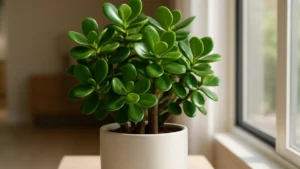
3. Jade Plant: Feng Shui Plants for Business and Wealth Energy
-
Botanical Name: Crassula ovata
The rounded, coin-like leaves of this succulent support its long-standing prosperity symbolism. Owners often position it near business entrances and in home offices to welcome success.
It requires much brighter light than many online listicles acknowledge, so place it near a sunny window. This plant is ideal for readers who prefer low-frequency watering habits.
Because it is highly toxic to cats and dogs, keep it out of their reach. Avoid placing it in a dark money corner where it will quickly weaken and drop leaves.
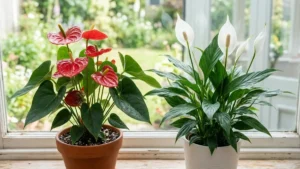
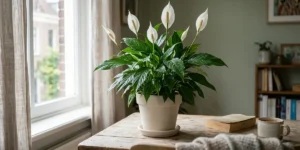
4. Peace Lily: Feng Shui Plants for Calm and Harmony
-
Botanical Name: Spathiphyllum species
The peace lily is traditionally associated with peace, balance and gentle energy. This topic is highly relevant to our core expertise at Peeacelily, where we value balanced indoor spaces.
It is well-suited for living rooms or family areas with low to medium indirect light. You must keep the soil evenly moist, though you should never let it remain waterlogged.
This plant is toxic if chewed by cats or dogs, so place it on elevated furniture. Avoid exaggerated indoor air-purification claims and focus instead on its elegant visual calm. For step-by-step guidance, view our comprehensive peace lily care guide.
5. Rubber Plant: Feng Shui Plants for Abundance and Stability
-
Botanical Name: Ficus elastica
The broad, thick, rounded leaves of this ficus variety are associated with soft and abundant energy. It works beautifully as a larger statement plant in spacious living rooms or dining areas.
Use its large form to visually soften empty corners and balance room proportions. It needs bright, indirect light to maintain its deep coloration.
The milky sap can irritate skin, and the plant is unsafe for pets. It serves best in homes with enough floor space to accommodate its vertical growth.
6. Orchid: Feng Shui Plants for Love and Relationships
-
Botanical Name: Phalaenopsis species
The orchid is traditionally associated with beauty, partnership and refinement. We highly recommend it for relationship areas or calm living spaces where you want to foster connection.
It suits readers wanting elegant abundance feng shui decor without overwhelming a room. Provide bright, indirect light and careful, well-timed watering.
Most commonly sold moth orchids are generally considered pet-safe, making them excellent choices for animal owners. Remove declining flowers promptly to keep the energy fresh and vibrant.
7. Areca Palm: Plants for Vitality and Open Spaces
-
Botanical Name: Dypsis lutescens
This large palm is associated with expansion, vitality and welcoming energy. It functions best in active spaces like living rooms, dining areas and spacious home entrances.
The soft, arching fronds visually soften hard furniture lines and harsh wall angles. It requires bright, indirect light and consistent moisture to prevent brown leaf tips.
It is generally pet-safe, which makes it a fantastic alternative to toxic floor plants. However, it is not ideal for very small or dark apartments where it can crowd the layout.
8. Calathea: Feng Shui Plants for Balance and Renewal
-
Botanical Name: Goeppertia species
The striking, decorative foliage of the calathea supports themes of personal balance and daily renewal. Its habit of folding leaves at night makes it suitable for bedrooms or relationship-related spaces.
Many common varieties are generally pet-safe, giving you total peace of mind. It requires high humidity, indirect light and careful watering with filtered water.
This species is better for attentive plant owners than complete beginners. Position it as a safer, vibrant alternative to toxic decorative plants in high-traffic rooms.
Where to Place Feng Shui Plants for Wealth and Balance
Place plants where they receive suitable light and do not obstruct doors, walkways or comfortable movement. Use the bagua map as a flexible placement framework rather than an absolute rule.
Best Money Corner Plants for the Southeast Area
The southeast area of a home or room is commonly associated with wealth in many feng shui interpretations. Excellent money corner plants for this zone include the Money Tree, Jade Plant, Lucky Bamboo, Rubber Plant and Chinese Money Plant.
Identify the specific feng shui system you are using before applying directional advice, as bagua methods differ between schools. Always prioritize the plant’s light needs over strict directional placement.
Abundance Feng Shui Decor That Supports Healthy Plants
Complement your greenery with clean, intentional surroundings to allow energy to flow smoothly. Use these elements near your plants:
-
Uncluttered surfaces
-
Stable, high-quality planters
-
Natural wood textures
-
Thoughtful, warm lighting
-
Ample space for upward growth
-
Clean leaves and healthy soil
Avoid excessive coins, red ribbons or symbolic objects that make the area feel visually crowded and messy.
Plant Placement by Intention
| Intention | Suggested Plants | Possible Location |
| Wealth | Money tree, jade, rubber plant | Office or southeast area |
| Love | Orchid, calathea | Bedroom or relationship area |
| Career | Lucky bamboo, snake plant | Desk or home office |
| Family Harmony | Peace lily, areca palm | Living or family room |
Choosing Feng Shui Plants by Room, Light and Pet Safety
Recommending plants symbolically without confirming whether the room can support them is a common mistake. The matrix below ensures your selections match your physical environment.
Practical Plants Selection Matrix
| Household Situation | Better Choices | Avoid or Reconsider |
| Low-light room | Peace lily, some calatheas | Jade and citrus trees |
| Bright office | Jade, money tree, rubber plant | High-humidity plants |
| Cat or dog household | Orchid, areca palm, calathea | Pothos, jade, peace lily |
| Small apartment | Lucky bamboo, orchid | Large, spreading palms |
| Beginner plant owner | Money tree, jade, bamboo | Sensitive calatheas |
| Bedroom | Orchid or one soft-leaved plant | Large, crowded plant displays |
Pet-Safe Feng Shui Plants for Homes With Cats and Dogs
If you share your home with animals, look toward orchids, areca palms and calatheas. Always verify the exact botanical species using a recognized animal poison control database before bringing a new plant home.
Feng Shui Plants Mistakes That Can Create Stagnant Energy
-
Putting a high-light plant in a dark wealth corner.
-
Keeping dead, diseased or severely declining plants in your living space.
-
Blocking doorways and natural room movement with oversized pots.
-
Crowding small rooms with too many large, overwhelming plants.
-
Ignoring pet toxicity risks for the sake of traditional placement.
-
Treating dusty artificial plants as equal to healthy living plants.
-
Expecting plants to guarantee money, romance or perfect health.
-
Overwatering plants to keep them looking full, which causes root rot.
Plant condition, proportion and environmental suitability matter far more than owning the largest possible collection of lucky plants.
Conclusion
The best feng shui plants combine meaningful symbolism with realistic care, appropriate placement and household safety. Use Peeacelily’s plant care resources when selecting your next money corner plants, lucky plants or abundance feng shui decor. Healthy, vibrant growth matters far more than rigid placement rules or promised outcomes. Explore our collection to find your perfect match today.
Frequently Asked Questions
What are the luckiest feng shui plants?
Money tree, lucky bamboo, jade, orchid and citrus are common traditional choices for good fortune.
Which feng shui plants are best for wealth?
The money tree, jade plant and rubber plant work best, depending on available natural light.
What are the best money corner plants?
Choose healthy, upward-growing plants that suit the actual natural light in your southeast area.
Are artificial feng shui plants bad?
Healthy living plants are preferred, but clean, realistic artificial plants can support your decor beautifully.
Can feng shui plants go in a bedroom?
Yes, but use one or two gentle plants and avoid overcrowding the sleeping area.
Is a snake plant good feng shui?
Some practitioners value its protective, upward growth while others caution against its sharp leaves.