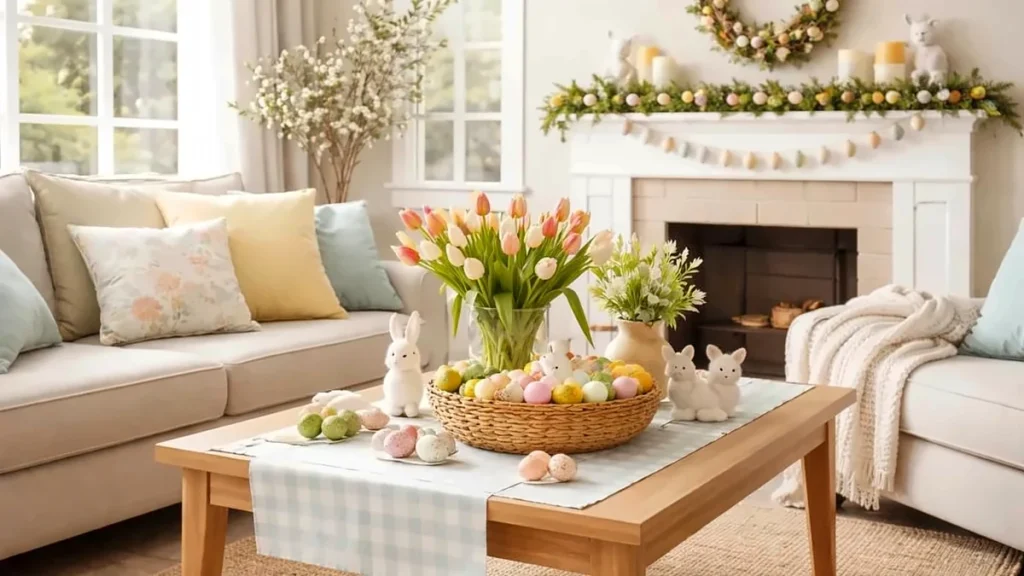
Easter plant decor can make a home feel fresh and welcoming with very little effort. Easter lilies, tulips, hyacinths, daffodils, and Easter cactus are popular choices, but each needs slightly different care. Choose plants with plenty of unopened buds, arrange them where they won’t get in the way, and keep true lilies out of homes with cats.
The best part is that some Easter plants can live well beyond the holiday. You can move an Easter lily into the garden after flowering, try planting spent spring bulbs outdoors, or keep an Easter cactus as a houseplant for future blooms.
Key Takeaways
- Choose plants with mostly closed buds so you can enjoy the flowers as they open.
- Easter lilies need bright, indirect light and evenly moist soil while flowering indoors.
- True lilies are extremely dangerous to cats. The safest option in a home with cats is not to bring them inside.
- Low arrangements work better than tall centerpieces on dining tables.
- You can keep an Easter lily, try saving spring bulbs, or grow an Easter cactus after the holiday.
- Check plant labels and inspect foliage before buying to avoid bringing home an unhealthy plant.
Which Plants Are Best for Easter Decor?
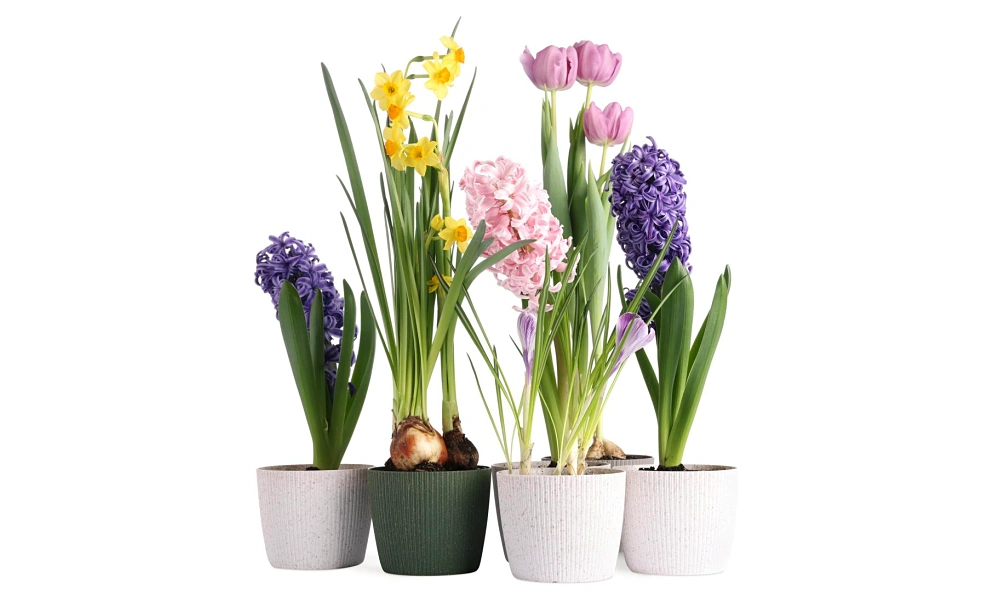
The classic Easter plants each bring something different to a room. Some offer fragrant flowers, others add bright spring color, and a few can become long-term houseplants.
Here are five popular choices:
| Plant | What it adds to a display | What to know |
| Easter lily | White trumpet-shaped flowers and fragrance | Highly toxic to cats |
| Tulip | Clean shapes and a wide range of colors | Usually treated as a seasonal bulb display |
| Hyacinth | Dense flower clusters and a noticeable fragrance | Its scent may be strong in small rooms |
| Daffodil | Bright yellow or white spring flowers | Indoor-forced bulbs may not bloom well again |
| Easter cactus | Soft, seasonal flowers and attractive foliage | Can be kept as a houseplant |
When shopping, look for a plant with healthy leaves and several unopened buds. A plant that is already covered in open flowers may have less time left at its peak.
Check the soil and the underside of the leaves, too. Avoid plants with soggy compost, visible pests, damaged stems, or yellowing foliage that has no obvious explanation.
One more useful habit: read the botanical name on the label. Common names can be confusing, especially with holiday cacti. An Easter cactus is not the same plant as a Christmas or Thanksgiving cactus, and identifying it correctly helps you follow the right care routine.
How to Care for an Easter Lily Indoors
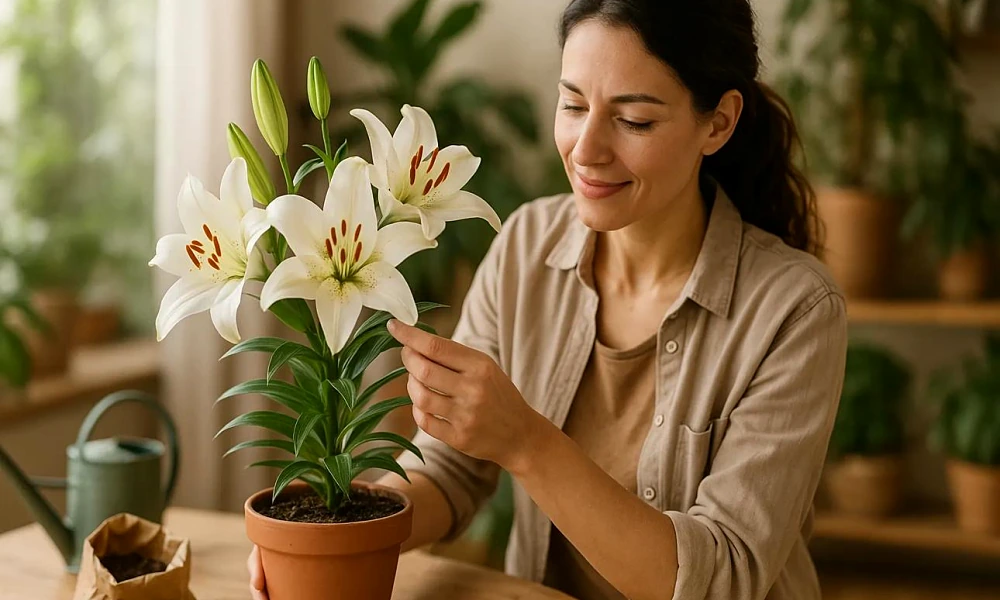
An Easter lily can look beautiful for days or weeks, but warm rooms and excess water can shorten its flowering period. A few simple adjustments help the flowers last longer.
Give it bright, indirect light. Place the pot near a bright window, but avoid harsh direct sunlight that heats the plant. A cooler room can also help the flowers last longer.
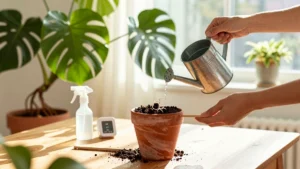
Keep the soil lightly moist. Check the compost with a finger. Water when the surface begins to dry, then allow excess water to drain away. Do not leave the pot standing in a saucer full of water.
Remove the pollen-bearing anthers. Once a flower opens, you can carefully remove the orange anthers before the pollen falls. This helps prevent stains on petals, clothing, and table linens.
Remove faded flowers. Pick off individual flowers as they wilt. This keeps the plant looking tidier and prevents it from putting energy into seed production.
Can You Plant an Easter Lily Outside After It Blooms?
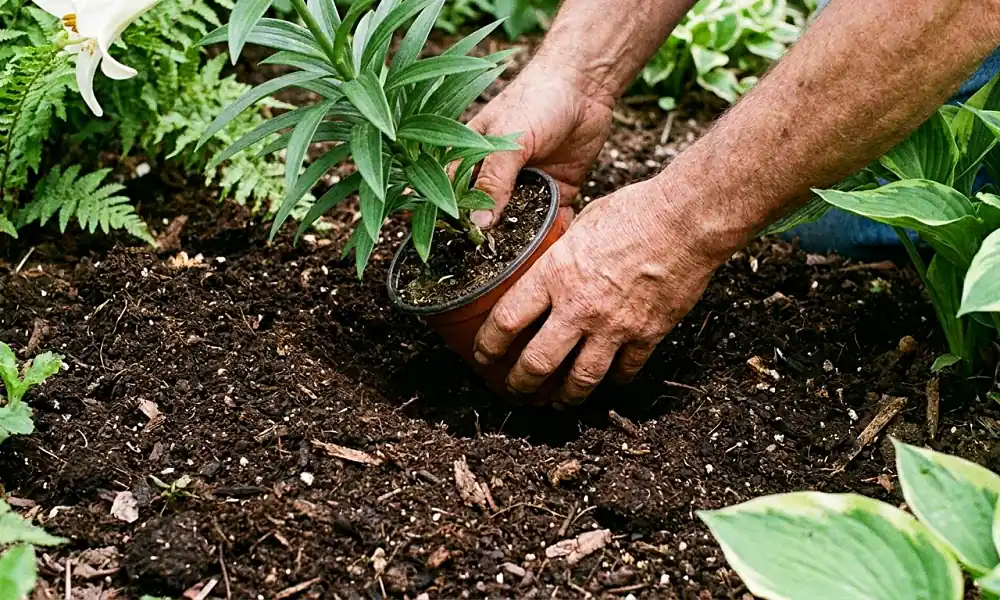
Yes. An Easter lily does not have to be thrown away when its flowers fade. You can keep the plant in a bright spot indoors while its foliage remains green, then move it into the garden when outdoor conditions are suitable.
Choose a sunny or lightly shaded location with well-drained soil. Plant the bulb at an appropriate depth and water it in. Keep the foliage intact while it is still green because the leaves help the bulb store energy.
There is one important qualification: a forced Easter lily may not flower again immediately or at the same time the following year. Its performance outdoors depends on growing conditions and how well the bulb recovers. If it does not bloom the next season, that does not necessarily mean you cared for it incorrectly.
Easter Lilies and Cats: The Safety Warning You Shouldn’t Ignore
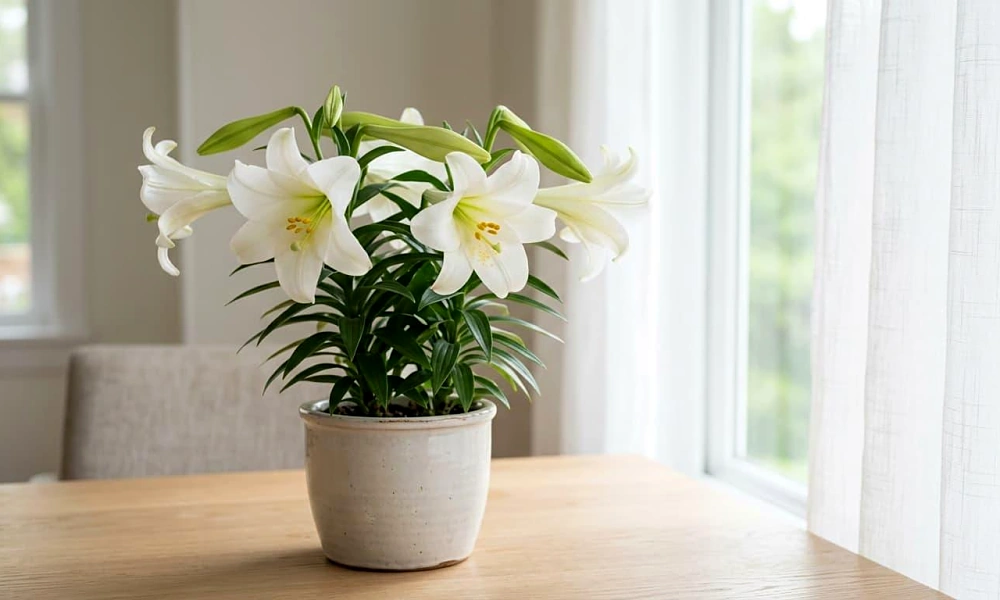
This is more important than any decorating decision.
True lilies, including Easter lilies, are severely toxic to cats. Even a small amount of a true lily can cause serious kidney injury. The danger is not limited to eating a flower: leaves, stems, and pollen can also be hazardous. Cats may even be exposed when they groom pollen from their fur.
The safest approach in a home with cats is simple: do not bring true lilies indoors.
If you think your cat has chewed or licked any part of a lily, or may have come into contact with its pollen, contact a veterinarian or animal poison-control service immediately. Do not wait for symptoms to appear.
For a more suitable Easter display, consider alternatives such as an Easter cactus or another plant confirmed to be safe for cats. Tulips and daffodils should not automatically be treated as pet-safe alternatives; check the exact plant against a reliable toxicity guide before bringing it home.
You can also browse our guide to cat-safe plants before choosing greenery for a pet-friendly space.
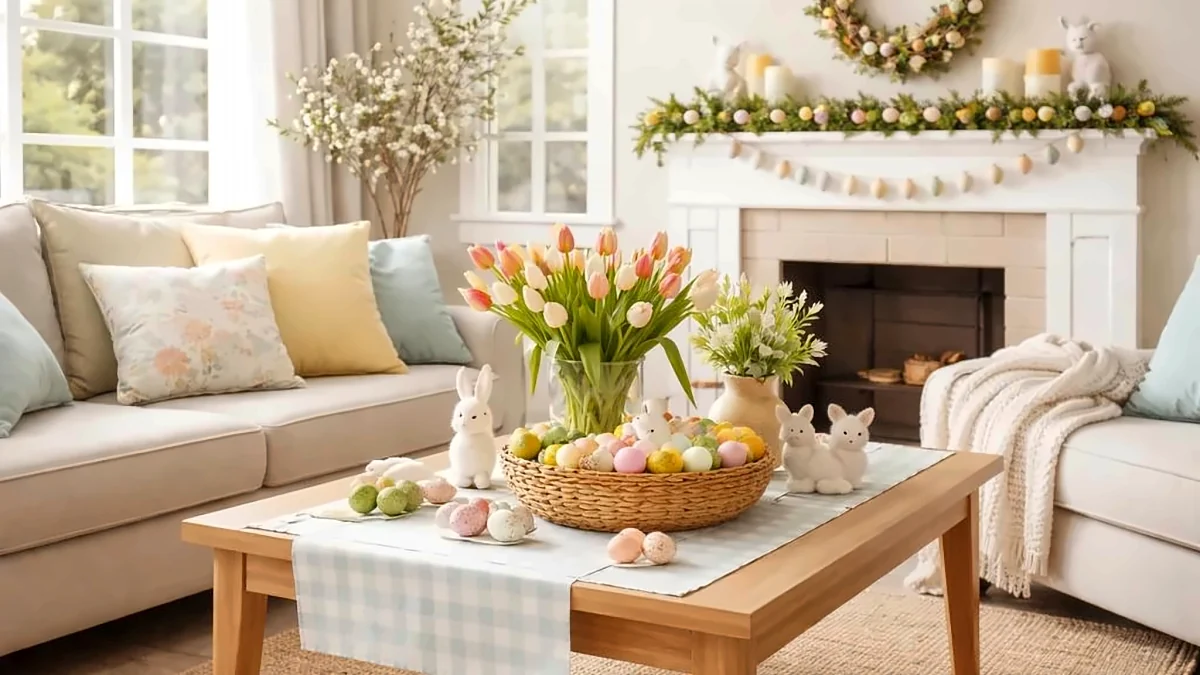
Easter Table Decor: Simple Plant Arrangements That Work
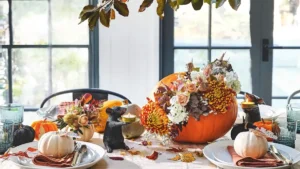
A beautiful Easter table does not need a tall arrangement or a collection of expensive decorations. In fact, low displays are usually more practical because guests can see one another and reach the food easily.
Create a Low Easter Centerpiece
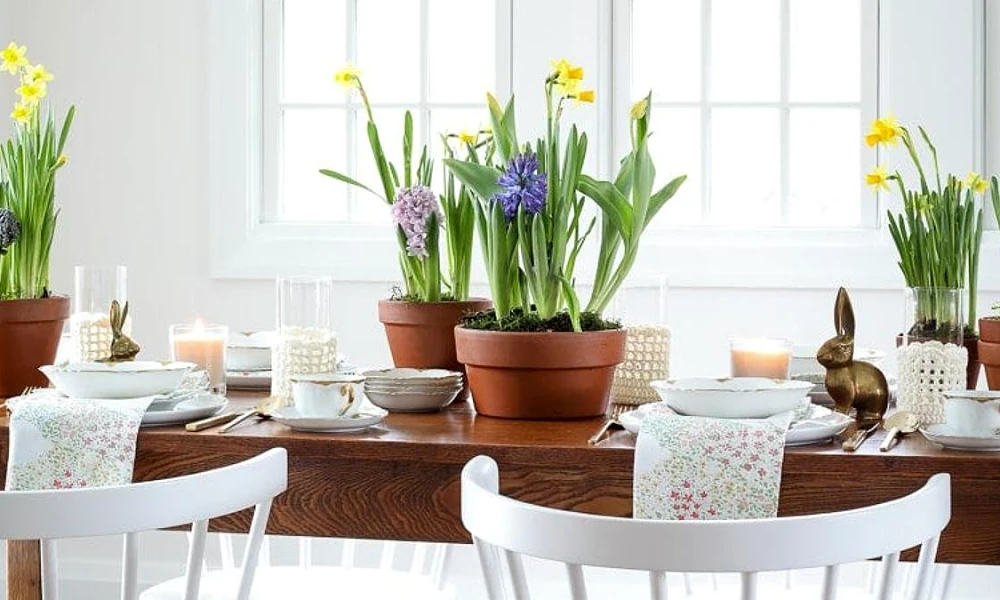
Try placing two or three small pots of spring bulbs along the middle of the table. Set them on a tray or a simple runner, then add a few decorative eggs around the pots.
Keep the arrangement below seated eye level. It should add color without blocking conversation or taking up too much serving space.
If you are using moss or other decorative materials, keep them away from food and make sure the plant pots cannot leak onto the table.
Decorate the Entryway With Flowering Pots
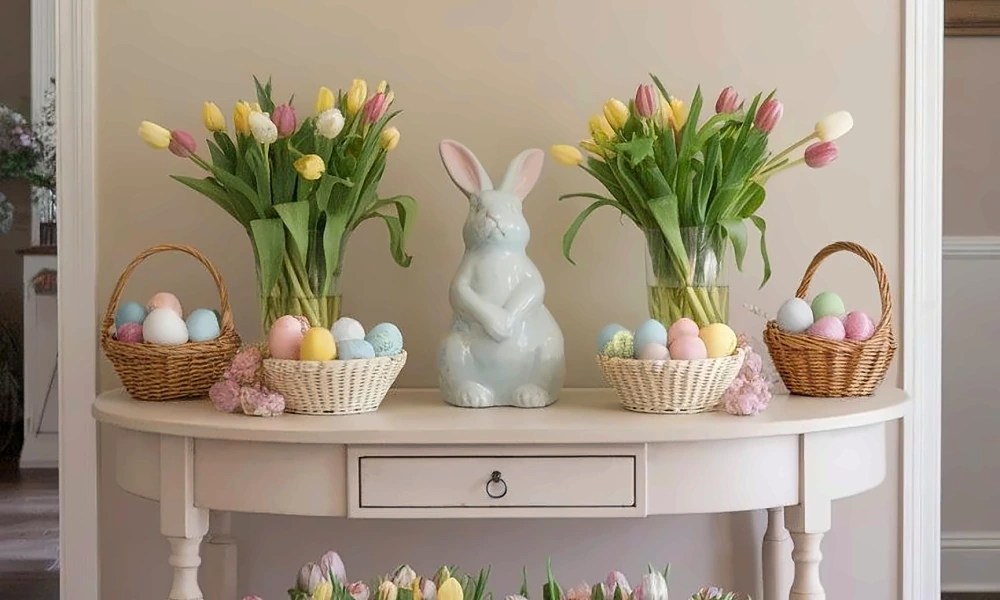
The entryway gives you more room to play with height. Arrange three pots at different levels, using one slightly taller plant as the focal point. A trailing plant can soften the edges and make the display feel less formal.
You can also place single flowers in small bud vases along a shelf or console table. A few simple stems often look more balanced than a crowded arrangement.
Use What You Already Have
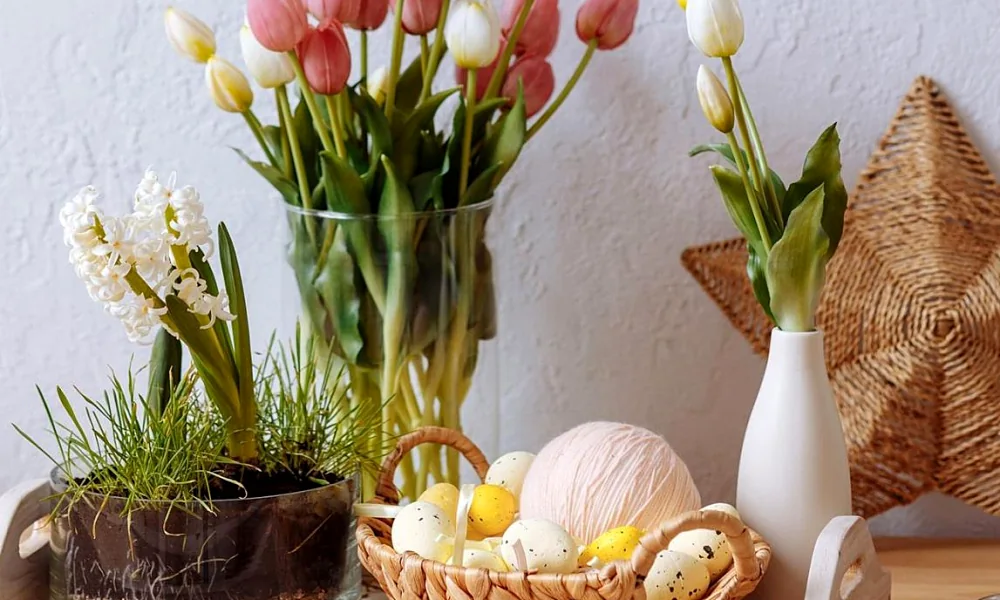
You do not need to buy new containers for every seasonal display. Clean jars can become bud vases, baskets can hold decorative plant pots, and a plain terracotta pot can be dressed with ribbon or fabric.
Just remember that decorative containers should not prevent water from draining. If a basket or decorative cover has no drainage hole, keep the plant in its original nursery pot and remove it when watering.
For more ideas, explore our guides to creative planters and ways to repurpose items around the home.
What Should You Do With Easter Plants After the Holiday?
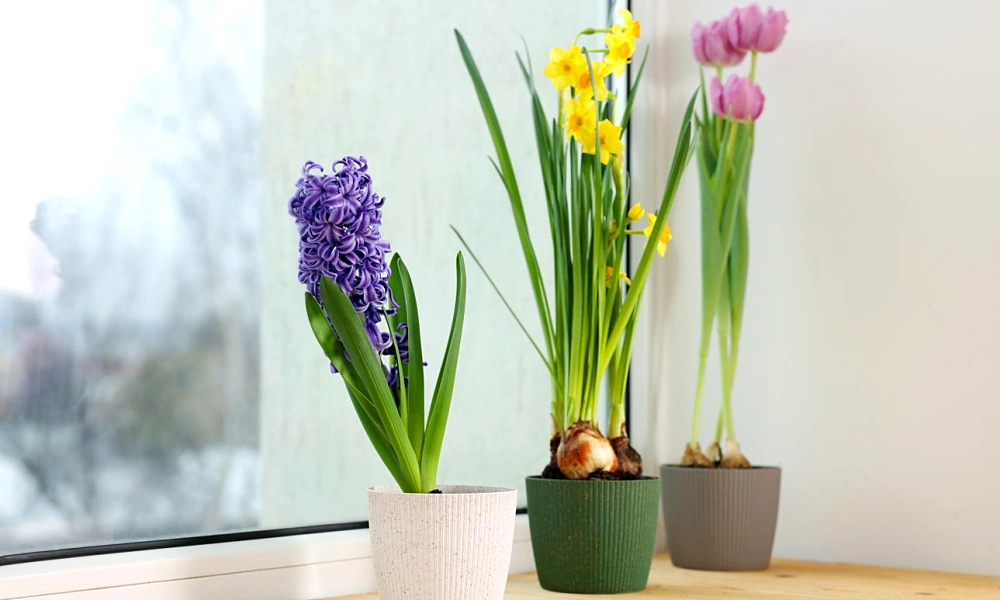
Some Easter plants are worth keeping, while others may be easier to treat as seasonal displays. The right choice depends on the plant and your growing conditions.
| Plant | What to do after Easter | Will it flower again? |
| Easter lily | Keep the foliage growing, then plant outdoors when conditions allow | It may flower again in a future growing season |
| Tulip | Let the leaves die back naturally; try planting the bulb outdoors | Indoor-forced bulbs may not flower well again |
| Daffodil | Allow the foliage to fade before deciding whether to plant the bulb outside | Reblooming is uncertain after indoor forcing |
| Hyacinth | Let the foliage die back naturally before storing or planting the bulb | Future flowering can vary |
| Easter cactus | Keep it as a houseplant in bright, indirect light | It can bloom again when given suitable seasonal conditions |
How to Keep an Easter Cactus After Easter
 y
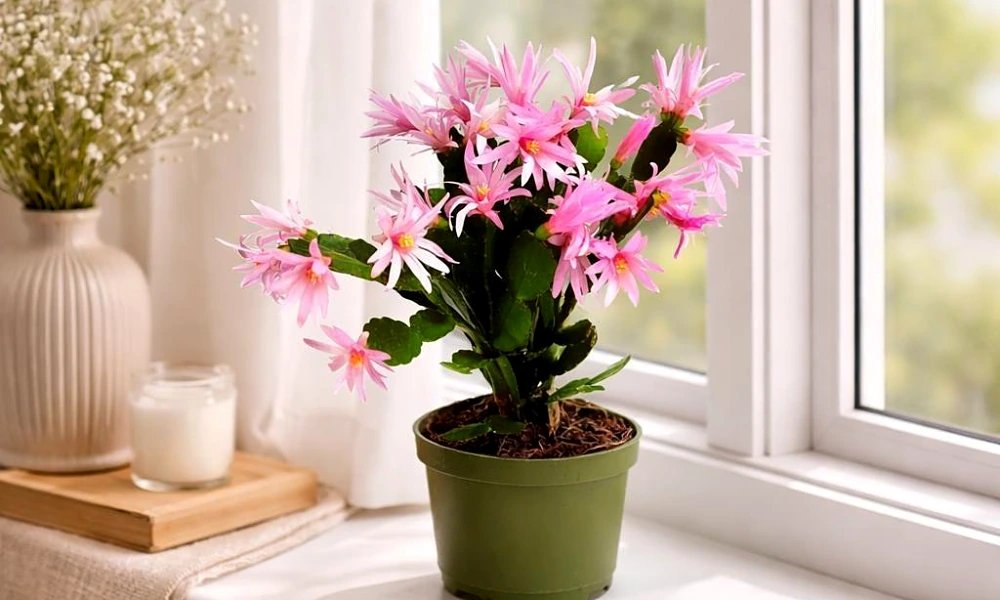
The Easter cactus is one of the better choices if you want a plant that stays with you after the holiday. Unlike a short-lived flower arrangement, it can continue growing as a houseplant.
Place it in bright, indirect light and water when the top layer of the potting mix begins to dry. Avoid leaving its roots in standing water.
Easter cactus is a short-day plant. It needs longer periods of darkness, along with suitable cooler conditions, to encourage flower buds. If it does not bloom again straight away, give it time rather than changing its care routine every few days.
The distinction between Easter, Christmas, and Thanksgiving cactus matters because they are different holiday cacti with different flowering seasons and identifying features.
For more seasonal ideas that make use of plants you already own, see our green living guide.
Frequently Asked Questions About Easter Plant Decor
1. What are the most popular plants for Easter decor?
Easter lilies, tulips, hyacinths, daffodils, and Easter cactus are popular choices. They bring spring flowers, fragrance, and seasonal color into the home. However, households with cats should avoid true lilies because of their severe toxicity.
2. How do I make Easter lilies last longer indoors?
Keep an Easter lily in bright, indirect light and a relatively cool room. Water when the soil begins to dry, but do not let the pot sit in excess water. Removing faded flowers and the pollen-bearing anthers can also help keep the display tidy.
3. Are Easter lilies poisonous to cats?
Yes. Easter lilies are true lilies and can cause serious kidney injury in cats. Any suspected contact or ingestion should be treated as an emergency. Contact a veterinarian immediately rather than waiting for symptoms.
4. Can I plant an Easter lily in the garden?
Yes. After flowering, keep the foliage growing until outdoor conditions are suitable, then plant the bulb in well-drained soil. It may bloom again in a future growing season, although immediate reblooming is not guaranteed.
5. Can tulip and daffodil bulbs be saved after Easter?
You can try. Let the foliage die back naturally so the bulb can store energy, then plant the bulbs outdoors if your climate and growing conditions are suitable. However, bulbs forced indoors for flowering may not perform well in the next season.
6. How do I decorate an Easter dining table with plants?
Use a low arrangement of small flowering pots, a simple runner, and a few decorative eggs. Keep the display below seated eye level and leave enough space for serving dishes. A tray also makes it easier to move the arrangement when needed.
7. Is Easter cactus a good plant to keep after the holiday?
Yes. Easter cactus can be kept as a houseplant. Give it bright, indirect light, water when the top layer of soil begins to dry, and provide suitable long-night and cooler conditions when you want to encourage flowering.
8. Which Easter plants are suitable for homes with pets?
Do not assume a plant is safe just because it is not a lily. Check the exact plant species against a reliable veterinary or animal-poison authority before buying it. An Easter cactus may be an option, but verify the plant’s identity and suitability for your particular pets.
Final Thoughts
Easter plant decor is at its best when it looks good without creating extra work. A few flowering bulbs, a simple centerpiece, or an Easter cactus can bring the season into your home without filling every surface with decorations.
Think beyond the day itself, too. Some plants can move into the garden, while others can stay on a windowsill and become part of your regular indoor greenery.
And if you share your home with a cat, make the plant choice before you start decorating. True lilies are not worth the risk because even small exposures can be extremely dangerous to cats. Check the ASPCA’s toxic plant guide before bringing unfamiliar plants into your home.