
Key Takeaways
- Nature at home anxiety is gaining attention as people look for simple ways to support mental well-being.
- Indoor nature mental health benefits often come from combining plants, natural light, and fresh air.
- Biophilia anxiety research suggests that stronger connections with nature may promote relaxation.
- Beginner friendly plants make it easy to introduce greenery into any home.
- Small, consistent changes often have a greater long-term impact than dramatic makeovers.
- Indoor nature should be viewed as one part of a healthy lifestyle, not a replacement for professional mental health care.
Quick Answer
Nature at home may help lower anxiety by creating a relaxing environment through indoor plants, natural light, fresh air, calming colors, and natural materials. These changes can support mental well-being, improve mood, and reduce everyday stress when combined with healthy habits and professional care if needed.
Why Nature Helps the Human Mind
Humans have lived alongside nature for thousands of years. Although modern life has become more urban, our minds still respond positively to natural surroundings. Looking at greenery, hearing birds, or sitting near a sunny window often creates a sense of calm without requiring much effort.
Researchers continue to explore why this happens. One explanation is that natural environments gently capture our attention without overwhelming the brain. As a result, the mind has an opportunity to recover from mental fatigue caused by busy schedules, screens, and constant notifications.
Nature also encourages slower breathing and relaxation. Even simple activities like watering a plant or opening a window can become mindful moments that help reduce daily tension.
What Is Biophilic Design?
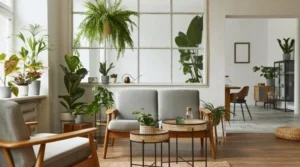
Biophilic design is an approach to creating indoor spaces that strengthen the connection between people and nature. Instead of filling a room with only artificial materials, it includes natural elements that make a home feel warmer and more welcoming.
These features may include:
- Indoor plants
- Natural daylight
- Wooden furniture
- Stone or bamboo textures
- Water features
- Views of gardens or trees
- Natural colors inspired by forests, rivers, and the sky
The goal is not to recreate a forest inside your home. Instead, it is about introducing enough natural elements to make indoor spaces feel healthier and more relaxing.
Why Biophilic Design Matters
Modern homes often contain bright screens, artificial lighting, and limited ventilation. While these features are convenient, they may leave indoor environments feeling less comfortable over time.
Adding nature inspired elements creates visual variety and a softer atmosphere. Many people report feeling calmer, more focused, and more comfortable in spaces designed with nature in mind.
The Connection Between Indoor Nature and Mental Health

Mental health is influenced by many factors, including sleep, exercise, relationships, diet, and environment. Although indoor nature cannot solve every challenge, it can become one helpful part of a healthier lifestyle.
Imagine returning home after a stressful day. A room filled with soft natural light, healthy green plants, and fresh air often feels different from a room with closed curtains, clutter, and harsh lighting.
Small environmental changes influence how comfortable and relaxed people feel. Over time, these positive experiences may support emotional well-being and reduce everyday stress.
Indoor Nature Supports Relaxation
Natural surroundings often encourage people to slow down. Caring for a plant, watching leaves move near a window, or sitting beside natural light creates moments of quiet that many people miss during busy days.
These small routines can become healthy habits that make daily life feel less overwhelming.
It Encourages Mindfulness
Indoor nature naturally invites people to notice the present moment. Looking at the details of a leaf or listening to rainfall outside shifts attention away from racing thoughts.
This gentle focus is one reason why nature is commonly included in relaxation practices.
How Nature at Home May Lower Anxiety
Different natural elements work together to create a calmer environment. While each home is unique, combining several of these ideas often provides the greatest benefit.
Indoor Plants Create a Calming Atmosphere
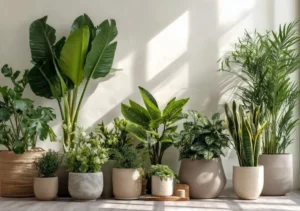
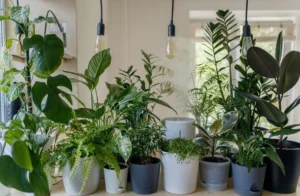
Plants add life and color to indoor spaces. Their natural shapes soften rooms filled with straight lines, electronics, and artificial materials.
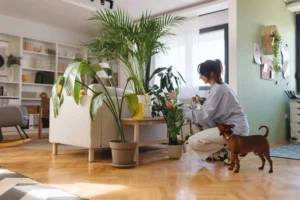
Many people enjoy caring for plants because watering, pruning, and watching new growth provide a relaxing routine. These simple activities encourage patience and create small moments of accomplishment.
Plants also improve the overall appearance of a room, making it feel more inviting and peaceful.
Natural Light Can Improve Mood
Sunlight changes how a room feels almost instantly. Bright natural light makes indoor spaces appear larger, warmer, and more welcoming.
Whenever possible:
- Open curtains during the day.
- Sit near windows while working.
- Arrange furniture to receive more daylight.
- Keep windows clean to maximize sunlight.
If natural light is limited, choose warm indoor lighting that creates a comfortable atmosphere rather than harsh brightness.
Fresh Air Makes Indoor Spaces Feel Better
Fresh air is often overlooked when discussing mental wellness. A room that feels stuffy can become uncomfortable and tiring.
Simple habits include:
- Opening windows each morning.
- Using fans to improve airflow.
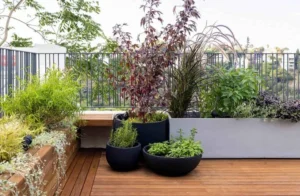
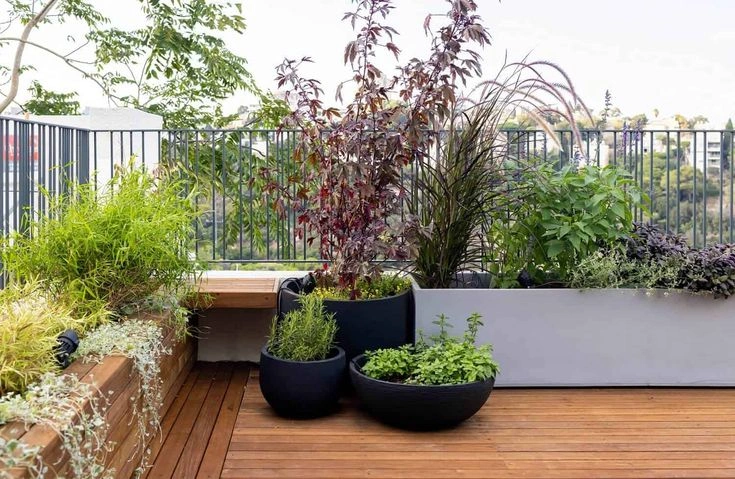
- Spending a few minutes on a balcony or patio.
- Letting fresh air circulate whenever weather allows.
These habits help create an indoor environment that feels cleaner and more refreshing.
Nature Sounds Promote Relaxation
Nature is not only something you see. It is also something you hear.
Sounds such as gentle rain, ocean waves, birds singing, or flowing water may help create a peaceful atmosphere while reading, working, or relaxing.
Many people enjoy playing nature sounds during meditation, yoga, or before bedtime because they help reduce background distractions.
Simple Ways to Bring Nature Into Your Home
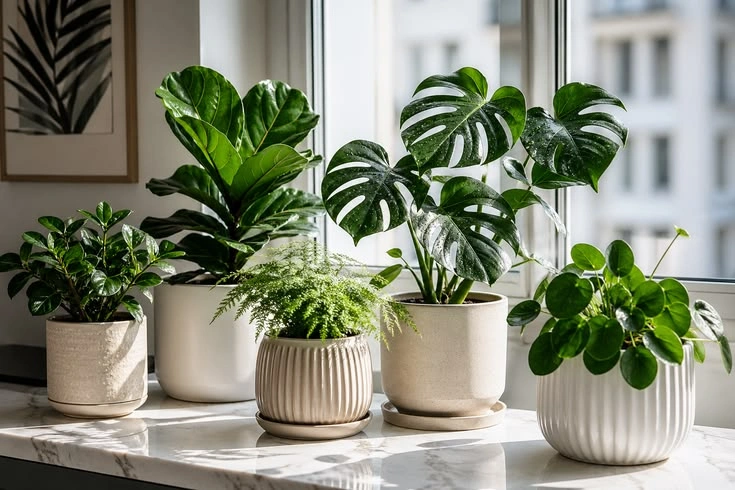
Creating a nature-inspired home does not require expensive renovations. Small changes often have the biggest impact because they are easier to maintain.
Here are practical ideas anyone can try.
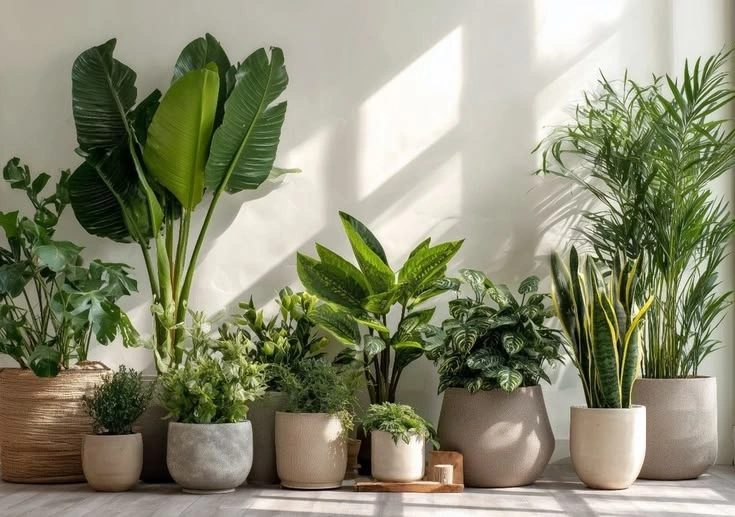
Add One or Two Indoor Plants
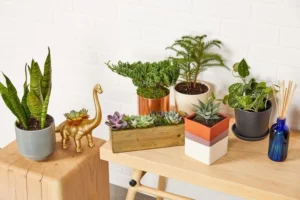
Start with low-maintenance plants if you are new to gardening. Place them where they receive appropriate light and remember to water them according to their needs.
Use Natural Materials
Replace some plastic decorations with wood, bamboo, cotton, linen, or stone. These materials create a warmer and more comfortable living space.
Keep a Window View Clear
If your window overlooks trees, flowers, or even the sky, avoid blocking that view with heavy furniture. Looking outside for a few minutes during the day can become a refreshing mental break.
Decorate With Nature-Inspired Colors
Soft greens, earthy browns, warm beige, and calming blues can make rooms feel more relaxing without changing the entire design.
Best Indoor Plants That May Support a Calmer Home
Not every plant has the same care needs, but many are suitable for beginners. The best choice depends on your home’s light, available space, and how much time you can spend on maintenance.
Snake Plant
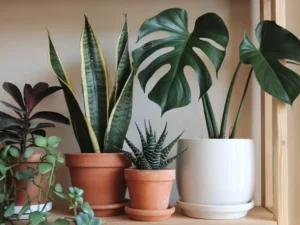
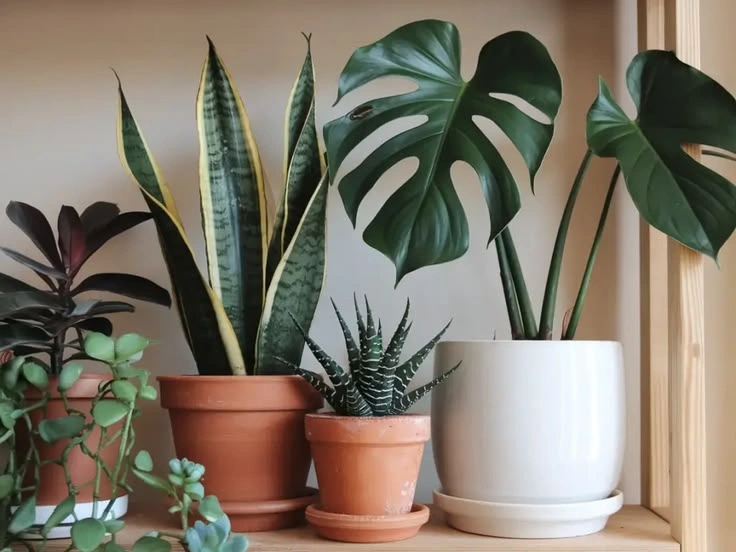
The snake plant is one of the easiest houseplants to grow. It tolerates low light, needs little watering, and stays healthy with minimal care. Its upright leaves also add a clean, modern look to any room.
Peace Lily
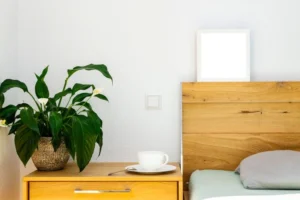
Peace lilies have attractive white flowers and glossy green leaves. They grow well indoors and can make living spaces feel fresh and welcoming. Keep in mind that they are toxic to pets if eaten.
Pothos
Pothos is a popular choice because it grows quickly and adapts to different lighting conditions. Its trailing vines make shelves and hanging baskets look more natural.
Spider Plant
Spider plants are beginner friendly and easy to care for. They produce small offshoots over time, making them enjoyable for anyone who likes watching plants grow.
ZZ Plant
The ZZ plant survives well in low light and needs very little attention. It is a practical option for busy people who still want greenery at home.
Comparison of Indoor Nature Ideas
| Natural Element | How It May Help | Difficulty | Cost |
|---|---|---|---|
| Indoor plants | Creates a calming atmosphere and encourages mindful care | Easy | Low to Medium |
| Natural light | Makes rooms feel brighter and more uplifting | Easy | Free |
| Fresh air | Improves comfort and freshness indoors | Easy | Free |
| Wooden furniture | Adds warmth and natural texture | Medium | Medium |
| Nature sounds | Creates a peaceful environment for relaxing | Easy | Free |
| Indoor water feature | Adds gentle background sound | Medium | Medium |
Benefits of Bringing Nature Indoors
Adding natural elements to your home offers several everyday benefits beyond improving the appearance of a room.
Creates a More Relaxing Environment
Greenery, sunlight, and natural textures can make a room feel less stressful. Even small changes may help your home become a place where you can unwind after a busy day.
Encourages Healthy Daily Habits
Looking after plants creates a simple routine. Watering, trimming, and checking their growth can become calming moments during the day.
Supports Better Focus
Many people find it easier to concentrate in spaces that include natural elements. A pleasant environment can make reading, working, or studying feel more comfortable.
Makes Small Spaces Feel More Inviting
Even apartments with limited space can benefit from a few carefully placed plants or a sunny reading corner.
Limitations to Keep in Mind
Nature at home can support mental well-being, but it is not a replacement for professional care.
Keep these points in mind:
- Indoor plants do not cure anxiety disorders.
- Every person responds differently to their surroundings.
- Some plants require regular care and suitable lighting.
- Certain plants may not be safe for homes with curious pets or small children.
- Severe or ongoing anxiety should always be discussed with a qualified healthcare professional.
Using indoor nature as part of a balanced lifestyle is the healthiest approach.
Expert Tips for Creating a Calming Home
Start Small
You do not need to fill every room with plants. Begin with one or two and add more only if you enjoy caring for them.
Let in More Daylight
Open curtains each morning and keep windows clear whenever possible. Natural light can completely change the feel of a room.
Reduce Clutter
Nature stands out more in tidy spaces. Clearing unnecessary items from tables and shelves can make a room feel calmer.
Mix Different Natural Elements
Plants work well alongside wooden furniture, woven baskets, soft fabrics, and nature inspired artwork. Combining these features creates a balanced look.
Create a Relaxation Corner
Choose one quiet area of your home with a comfortable chair, a plant, natural light, and perhaps a favorite book. This space can become your daily place to unwind.
Common Mistakes to Avoid
- Buying difficult plants as your first choice.
- Forgetting to water or care for plants regularly.
- Keeping plants in unsuitable lighting conditions.
- Expecting immediate improvements in anxiety.
- Filling rooms with too many decorations instead of keeping them balanced.
- Ignoring ventilation and natural light.
- Choosing plants without checking if they are safe for pets.
Nature at Home Checklist
Use this simple checklist to create a more peaceful living space.
| Task | Complete |
|---|---|
| Add at least one indoor plant | □ |
| Open curtains every morning | □ |
| Improve fresh air circulation | □ |
| Include natural materials in your décor | □ |
| Use calming natural colors | □ |
| Keep one clutter free relaxation space | □ |
| Spend a few quiet minutes with nature daily | □ |
Frequently Asked Questions
Does nature at home really help with anxiety?
Many people find that natural elements create a calmer environment. While indoor nature is not a medical treatment, it may support emotional well-being alongside healthy habits and professional care when needed.
Which indoor plants are best for beginners?
Snake plants, pothos, spider plants, and ZZ plants are popular beginner choices because they are generally easy to maintain.
Can artificial plants provide the same benefits?
Artificial plants improve the appearance of a room, but they do not provide the experience of caring for living plants. Many people prefer real plants for that reason.
Is biophilic design expensive?
No. Simple changes such as adding a plant, opening curtains, using natural fabrics, or placing furniture near a window can introduce biophilic design without a large budget.
How many plants should I keep indoors?
There is no perfect number. Start with one or two healthy plants and increase them gradually if they suit your space and lifestyle.
Conclusion
Creating a home that feels connected to nature does not require major renovations or expensive furniture. Small additions like indoor plants, natural light, fresh air, and natural materials can make your surroundings feel calmer and more welcoming.
Although these changes are not a cure for anxiety, they may support better mental health by encouraging relaxation, mindfulness, and healthier daily routines. Start with one simple improvement, notice how your space feels, and build from there at a pace that works for you.