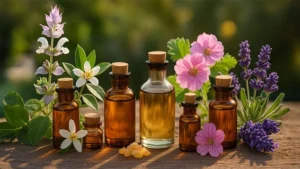
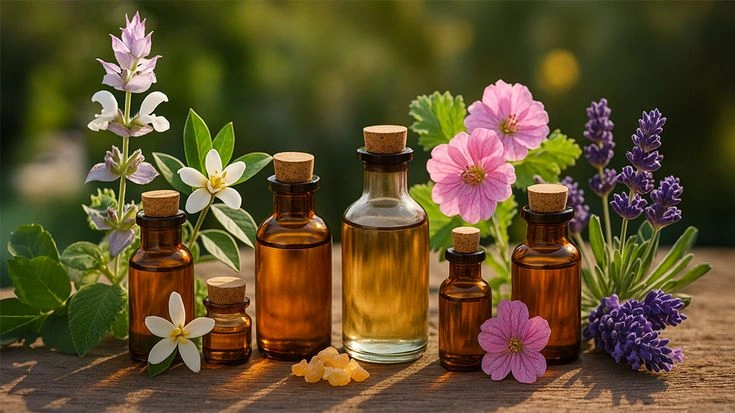
A pleasant floral scent has a unique way of changing the atmosphere of a room. The calming fragrance of lavender, the rich aroma of rose, or the delicate sweetness of jasmine can make your home feel more peaceful and welcoming. This is one of the reasons floral aromatherapy has become a popular part of many people’s self-care routines.
If you’re new to aromatherapy, getting started can feel confusing. There are dozens of essential oils to choose from, different types of diffusers, and plenty of advice online—some of it helpful, some of it not. The good news is that you don’t need an expensive collection of oils or years of experience to enjoy floral aromatherapy. With a few quality essential oils and a basic understanding of how to use them safely, you can create a relaxing environment in almost any room of your home.
This beginner’s guide explains what floral aromatherapy is, how it works, the benefits it may offer, and which floral essential oils are the best place to start. Whether you want to create a calming bedtime routine, enjoy a spa-like bath, or simply make your living space feel more inviting, you’ll find practical advice to help you begin with confidence.
Quick Answer
Floral aromatherapy is the practice of using essential oils extracted from flowers such as lavender, rose, jasmine, chamomile, and geranium to create a pleasant and relaxing environment. Beginners can enjoy floral aromatherapy by diffusing essential oils, using properly diluted blends for massage or baths, or making simple room sprays. Choosing pure essential oils and following basic safety guidelines helps you enjoy these natural fragrances as part of a healthy self-care routine.
What Is Floral Aromatherapy?
Floral aromatherapy is a form of aromatherapy that focuses on essential oils made from flowers. These oils are valued for their natural fragrances and are commonly used to create a calm, comfortable atmosphere at home. Unlike synthetic air fresheners, essential oils are extracted from plant material using methods such as steam distillation or solvent extraction, depending on the flower.
Each floral oil has its own unique scent and character. Lavender is known for its fresh, herbal aroma, while rose has a rich and elegant fragrance. Jasmine offers a warm, exotic scent, and chamomile is often described as soft and comforting. Because every oil is different, exploring floral aromatherapy can become an enjoyable way to discover the scents that best suit your personal preferences.
It’s important to understand that aromatherapy is intended to support relaxation and well-being rather than replace professional medical care. While many people enjoy using essential oils as part of their daily routines, they should not be viewed as treatments for health conditions.
Essential Oils vs. Fragrance Oils
One of the first things every beginner should know is the difference between essential oils and fragrance oils.
Essential oils are derived from natural plant sources and capture the characteristic aroma of the flower. Fragrance oils, however, are often created with synthetic ingredients or a mixture of natural and artificial compounds. Although they may smell similar, fragrance oils are designed mainly for perfumes, candles, and cosmetics rather than traditional aromatherapy.
When shopping for oils, look for products that clearly identify the botanical name of the plant and list the contents as 100% pure essential oil. Reputable brands are usually transparent about how their oils are sourced and packaged.
How Floral Aromatherapy Works
Our sense of smell is closely connected to memory and emotion. When you inhale the aroma of a floral essential oil, tiny scent molecules reach receptors inside your nose. These receptors send signals to areas of the brain that process smells and emotional responses. This connection explains why certain fragrances can remind you of a place, a season, or a pleasant memory.
Many people use floral aromatherapy simply because they enjoy the experience. Diffusing a favorite scent while reading a book, practicing yoga, or relaxing after work can make those moments feel even more enjoyable.
There are several ways to use floral essential oils at home.
Diffusing Essential Oils
Using a diffuser is one of the easiest methods for beginners. An ultrasonic diffuser combines water with a few drops of essential oil and releases a fine mist into the air, filling the room with fragrance.
Most manufacturers recommend starting with three to five drops of essential oil for a small room. If you’re using a larger space, you can gradually adjust the amount according to the diffuser’s instructions.
Topical Application
Some floral essential oils can be applied to the skin when properly diluted with a carrier oil such as jojoba, sweet almond, or fractionated coconut oil.
Applying undiluted essential oils directly to the skin is not recommended because it may cause irritation or sensitivity. Always perform a patch test before using a new oil on a larger area.
Aromatherapy Baths
Adding diluted floral essential oils to a warm bath is another popular way to enjoy their fragrance. Since essential oils do not mix with water, they should first be blended with a suitable carrier oil or bath dispersant before being added to the bath.
This simple step helps distribute the oil more evenly and reduces the chance of skin irritation.
Benefits of Floral Aromatherapy
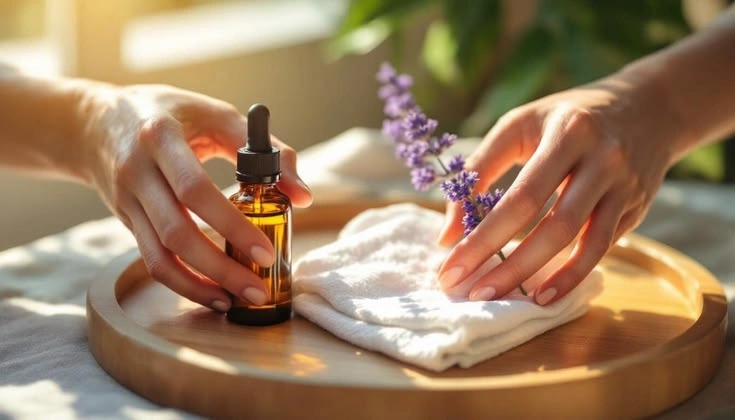
People enjoy floral aromatherapy for different reasons, but most appreciate the way it helps create a pleasant atmosphere at home. While experiences vary from person to person, these are some of the most common reasons beginners choose floral essential oils.
Creates a Calm Environment
A gentle floral fragrance can make a room feel more peaceful and welcoming. Many people diffuse floral oils while reading, meditating, stretching, or simply unwinding after a busy day.
Supports Relaxing Evening Routines
Certain floral oils, especially lavender and chamomile, are often included in bedtime rituals because their calming aromas pair well with quiet evening activities like reading or taking a warm bath.
Rather than expecting instant results, think of aromatherapy as one part of a consistent relaxation routine.
Enhances Your Home Naturally
Instead of relying on synthetic air fresheners, many homeowners prefer the subtle fragrance of essential oils. A diffuser placed in the living room, bedroom, or home office can provide a fresh botanical scent without overpowering the space.
Complements Self-Care Practices
Floral aromatherapy fits naturally into activities such as:
- Yoga
- Meditation
- Journaling
- Reading
- Gentle stretching
- Deep breathing exercises
- Home spa sessions
The fragrance becomes part of the overall experience, helping create a more relaxing environment.
Encourages Mindful Moments
In today’s busy world, setting aside even ten minutes to enjoy a favorite floral scent can become a small daily ritual. Whether you’re sipping tea, listening to music, or simply sitting quietly, aromatherapy can help signal that it’s time to slow down and recharge.
Best Floral Essential Oils for Beginners
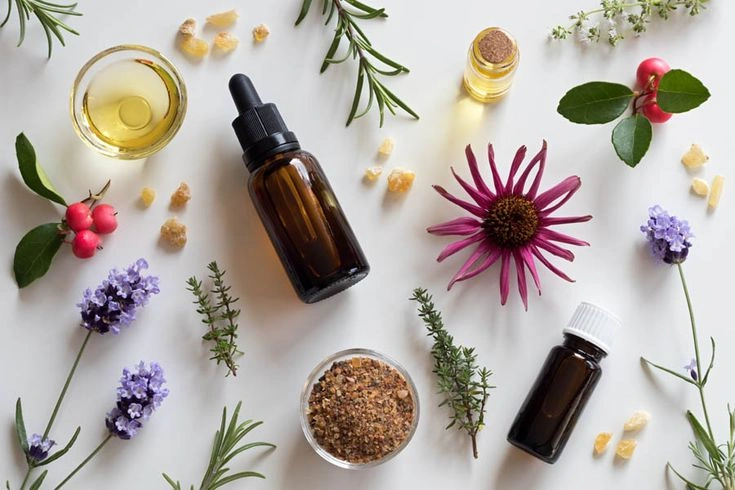
Choosing your first essential oils doesn’t have to be difficult. Instead of buying a large collection, start with two or three versatile options that suit your preferences and daily routine.
Lavender
To begin with, lavender is often the first essential oil recommended to beginners, and for good reason. Its fresh, floral, and slightly herbal aroma is widely appreciated for creating a peaceful atmosphere. For example, many people enjoy diffusing lavender in the evening, adding it to a relaxing bath, or blending it with a carrier oil for a gentle massage after a long day.
In addition, because lavender blends well with many other floral oils, it serves as an excellent foundation for simple DIY aromatherapy recipes. As a result, it is one of the most versatile essential oils for everyday use. Moreover, its gentle scent makes it suitable for a variety of settings. Likewise, it pairs beautifully with oils such as rose and chamomile.
For this reason, many beginners choose it as their first essential oil. Overall, lavender remains a favourite choice for creating a calm and relaxing environment. Finally, its versatility makes it a valuable addition to almost any aromatherapy collection.
Rose
Rose essential oil is known for its rich, elegant fragrance. Although it is usually more expensive than many other floral oils due to the large number of petals required for production, only a small amount is needed because of its concentrated aroma.
Rose is often chosen for special occasions, self-care rituals, or creating a luxurious home spa experience. It blends beautifully with lavender, geranium, and jasmine, making it a versatile addition to a beginner’s collection.
suit comparison
Chamomile
Chamomile essential oil has a soft, sweet, and herbaceous floral scent that many people associate with comfort and relaxation. It’s a great choice for evening routines and pairs well with lavender for a gentle, calming blend.
Jasmine
Jasmine offers a rich, warm floral fragrance that adds a luxurious touch to any room. Many people use it during meditation, quiet evenings, or special self-care rituals because of its elegant aroma.
Geranium
Geranium essential oil has a fresh floral scent with subtle herbal notes. It’s a versatile oil that blends easily with lavender, rose, and citrus oils, making it a favorite for everyday home aromatherapy.
Neroli
Extracted from orange blossoms, neroli has a light, fresh, and slightly citrus-floral fragrance. Its uplifting scent works well in living rooms or workspaces where you want a bright yet relaxing atmosphere.
Ylang-Ylang
Ylang-ylang is known for its rich, exotic floral aroma. Since its fragrance is quite strong, beginners usually need only one or two drops when blending or diffusing it.
Best Floral Essential Oils at a Glance
| Essential Oil | Aroma | Best For | Beginner Friendly |
| Lavender | Fresh, herbal floral | Evening relaxation | ⭐⭐⭐⭐⭐ |
| Rose | Rich, classic floral | Home spa, self-care | ⭐⭐⭐⭐☆ |
| Chamomile | Soft, sweet floral | Bedtime routine | ⭐⭐⭐⭐⭐ |
| Jasmine | Warm, exotic floral | Meditation | ⭐⭐⭐⭐☆ |
| Geranium | Fresh floral | Everyday use | ⭐⭐⭐⭐⭐ |
| Neroli | Light citrus-floral | Mood-lifting spaces | ⭐⭐⭐⭐☆ |
| Ylang-Ylang | Rich tropical floral | Special occasions | ⭐⭐⭐☆☆ |
Choosing High-Quality Essential Oils
Buying quality essential oils makes a noticeable difference in both fragrance and overall experience. A pure oil often has a more balanced scent and is less likely to contain unnecessary additives.
When shopping, look for oils labeled as 100% pure essential oil, along with the plant’s botanical name. Dark glass bottles help protect oils from light, while clear information about sourcing and ingredients is usually a good sign of a reputable manufacturer.
Essential Oil vs. Fragrance Oil
| Feature | Essential Oil | Fragrance Oil |
| Source | Natural plant extract | Usually synthetic or blended |
| Used for Aromatherapy | Yes | No |
| Botanical Name Listed | Usually | Rarely |
| Natural Aroma | Yes | Artificial or enhanced |
Ways to Use Floral Aromatherapy at Home
Use a Diffuser
An ultrasonic diffuser is one of the easiest ways to enjoy floral essential oils. Add water according to the manufacturer’s instructions, then use a few drops of your chosen oil to fill the room with a gentle fragrance.
Make a Room Spray
Mix distilled water with a suitable emulsifier and a few drops of floral essential oil in a spray bottle. It’s an easy way to freshen bedrooms, living rooms, or linens.
Enjoy an Aromatherapy Bath
Blend essential oils with a carrier oil before adding them to bathwater. This helps disperse the oil more evenly and reduces the chance of skin irritation.
Create Massage Oil
Dilute floral essential oils with a carrier oil before applying them to the skin. A light massage can become a relaxing part of your evening routine.
Refresh Your Pillow
A lightly scented pillow mist or diffuser used before bedtime can add a pleasant floral aroma to your sleep environment.
Choosing the Right Method
| Method | Best For | Difficulty |
| Diffuser | Whole room | Easy |
| Room Spray | Quick freshness | Easy |
| Bath | Evening relaxation | Easy |
| Massage Oil | Self-care | Moderate |
| Pillow Mist | Bedtime routine | Easy |
Safety Tips Every Beginner Should Know
Always use essential oils responsibly and follow the instructions provided by the manufacturer. By following these simple precautions, you can enjoy aromatherapy while reducing the risk of irritation or misuse.
- First, dilute essential oils before applying them to your skin.
- Next, perform a patch test before trying a new oil to check for any sensitivity.
- Also, keep essential oils away from children and pets unless you know they are safe for your specific situation.
- In addition, avoid contact with your eyes, mouth, and other sensitive areas.
- To maintain their quality, store bottles in a cool, dark place with the lids tightly closed.
- If you notice any irritation or discomfort, stop using the oil immediately.
- Finally, remember that aromatherapy can support your overall well-being, but it should not replace professional medical advice, diagnosis, or treatment.
Common Mistakes to Avoid
Many beginners buy too many oils at once or use more drops than necessary. Starting with a few versatile oils and using them in moderation usually provides a better experience.
Another common mistake is choosing fragrance oils instead of pure essential oils. Reading product labels carefully helps ensure you’re buying the right product for aromatherapy.
| Mistake | Better Approach |
| Using too much oil | Start with 3–5 drops |
| Applying directly to skin | Dilute with a carrier oil |
| Buying synthetic fragrance oils | Choose pure essential oils |
| Mixing many scents | Blend two or three oils first |
| Poor storage | Keep bottles away from heat and sunlight |
Frequently Asked Questions
What is floral aromatherapy?
Floral aromatherapy uses essential oils extracted from flowers to create a pleasant atmosphere and support relaxation as part of a wellness routine.
Which floral essential oil is best for beginners?
Lavender is usually the easiest starting point because it has a gentle scent, blends well with other oils, and is widely available.
Do I need a diffuser?
No. While a diffuser is popular, you can also enjoy floral oils through room sprays, diluted massage oils, or aromatherapy baths.
Can I mix floral essential oils?
Yes. Simple combinations such as lavender and chamomile or rose and geranium are popular among beginners because their scents complement each other well.
How should I store essential oils?
Store them in tightly sealed dark glass bottles away from heat, sunlight, and moisture to help preserve their quality.
Conclusion
Floral aromatherapy is an easy and enjoyable way to bring natural fragrances into your home. Starting with beginner-friendly oils like lavender, chamomile, or geranium allows you to explore different scents without feeling overwhelmed.
The key is to keep things simple. Choose high-quality essential oils, use them safely, and experiment with different methods until you discover what works best for your lifestyle. Over time, floral aromatherapy can become a relaxing part of your daily routine, helping you create a home that feels calm, comfortable, and inviting.
Key Takeaways
- Floral aromatherapy uses essential oils extracted from flowers.
- Lavender is the best starting oil for most beginners.
- Always choose 100% pure essential oils instead of fragrance oils.
- Diffusers, room sprays, baths, and massage oils are simple ways to enjoy floral scents.
- Dilute oils before applying them to the skin.
- Store essential oils in dark glass bottles away from heat and sunlight.
- Start with a few versatile oils before expanding your collection.