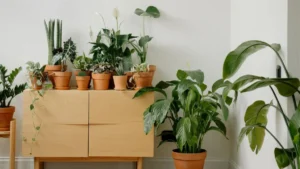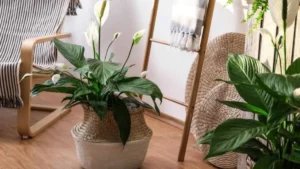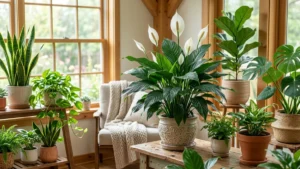
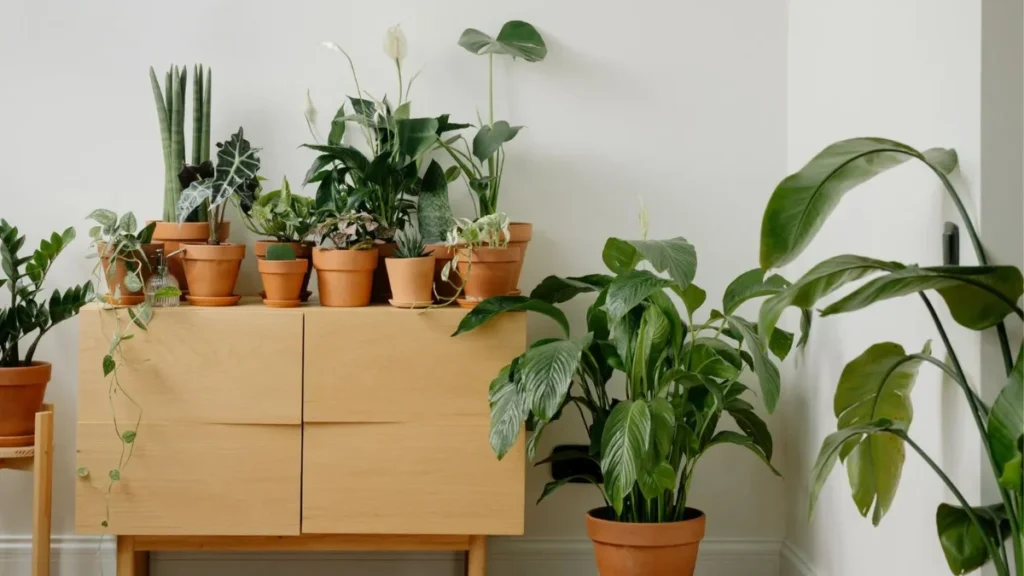
Peeacelily Green Living defines an eco-conscious lifestyle. It combines sustainable gardening practices, eco friendly plants, and indoor green living techniques. This approach reduces household chemical exposure, cuts water waste, cleans indoor air, and lowers your ecological footprint for long-term environmental wellness.
Welcome to peeacelily, your dedicated hub for sustainable botanical care. Many homeowners want beautiful plants, but traditional methods often harm local ecosystems. Peeacelily brings years of practical plant-care expertise to help you build a healthier home and a greener planet.
Key Takeaways
-
Peeacelily Green Living integrates eco friendly plants with low-impact lifestyle habits.
-
Core sustainable gardening principles prioritize organic waste reuse, peat-free soil, and water conservation.
-
Specific indoor plants act as natural biofilters to cleanse toxic compounds from indoor air.
-
Simple daily routines establish thriving botanical spaces in every room of your home.
What Is Peeacelily Green Living?
Peeacelily Green Living is a practical strategy that connects indoor plant care with broader environmental conservation. It unites Peeacelily plant wellness, sustainable gardening, and eco friendly plants into one cohesive philosophy.
Standard indoor plant care often relies on synthetic fertilizers, plastic pots, and mined peat moss. Peat extraction destroys fragile wetland ecosystems and releases stored carbon dioxide into our atmosphere.
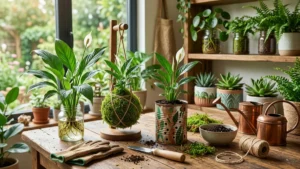
This framework changes that cycle completely. You select resilient species, use organic compost, and conserve fresh water. You also choose sustainable materials like clay or terracotta. So, you create a regenerative home space. Plants purify your living area naturally, and your daily choices preserve outdoor natural resources. You can read more about selecting plants in our peeacelily-indoor-plants guide.
Why Peeacelily Plant Wellness Matters for a Healthier Home
Modern building materials and household cleaners release harmful chemicals into indoor air. Indoor air often contains high levels of formaldehyde, benzene, and trichloroethylene. Synthetic carpets and synthetic furniture continuously off-gas these volatile organic compounds. High concentrations of these toxins trigger chronic headaches, respiratory irritation, and severe fatigue.
Mental ans Physical Benefits of Indoor Green Living
Indoor green living acts as a biological defense system against these everyday toxins.
- Plants absorb volatile organic gases through tiny pores on their leaves called stomata. Soil microbes then metabolize these chemicals into harmless nutrients. Research shows that specific plant leaves remove up to ninety percent of airborne toxins within twenty-four hours.
- Plants also improve physical and mental health through biophilic design mechanisms. Human biology reacts positively to visual elements of nature. Studies show that active contact with leaf foliage reduces human cortisol levels by fifteen percent within fifteen minutes.
- Plants also release natural moisture vapor during transpiration. Higher humidity levels suppress airborne dust and prevent dry skin conditions during winter months. So, investing in Peeacelily plant wellness transforms your indoor living spaces into healthier sanctuaries.
Peeacelily Gardening Guides: Core Principles of Sustainable Gardening
Traditional plant care often depends on chemical additives and heavy water consumption. Peeacelily gardening guides shift your focus toward regenerative biological systems. You work alongside natural cycles rather than forcing synthetic solutions. For detailed routines, review our full peeacelily-gardening-guides resource.
Soil, Water and Composting Basics for Sustainable Gardening
Soil quality dictates plant longevity. Commercial potting mixes rely heavily on mined peat moss. Mined peat bogs store roughly thirty percent of global land-based carbon, so harvesting peat accelerates atmospheric warming. Switch to coconut coir or wood fiber alternatives. These renewable materials hold moisture well and protect wild peat ecosystems.
Water conservation forms another central pillar of sustainable gardening. Standard tap water contains chlorine and heavy salts that accumulate in potted plant soil. Save rainwater in collection barrels or capture leftover water from cooking vegetables.
Rainwater carries zero harsh chemicals and provides neutral acidity levels. Also, turn kitchen scraps like fruit peels and coffee grounds into rich home compost. Compost feeds soil bacteria and eliminates synthetic fertilizer needs entirely.
Choosing Native and Low-Maintenance Eco Friendly Plants
Select plant species that thrive in your local climate zone without massive intervention. Non-native plants require extra synthetic fertilizers, intense pest control treatments, and constant irrigation. Native flora already adapts to local temperatures and local insect populations.
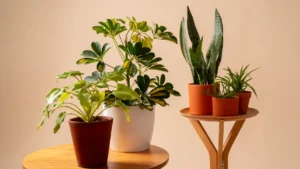
Also, select drought-tolerant plants like succulents, ZZ plants, or snake plants for your indoor collection. These resilient species hold excess water in thick fleshy leaves or thick rhizomes. They survive extended dry spells and cut domestic water usage dramatically.
Best Eco Friendly Plants for Indoor Green Living
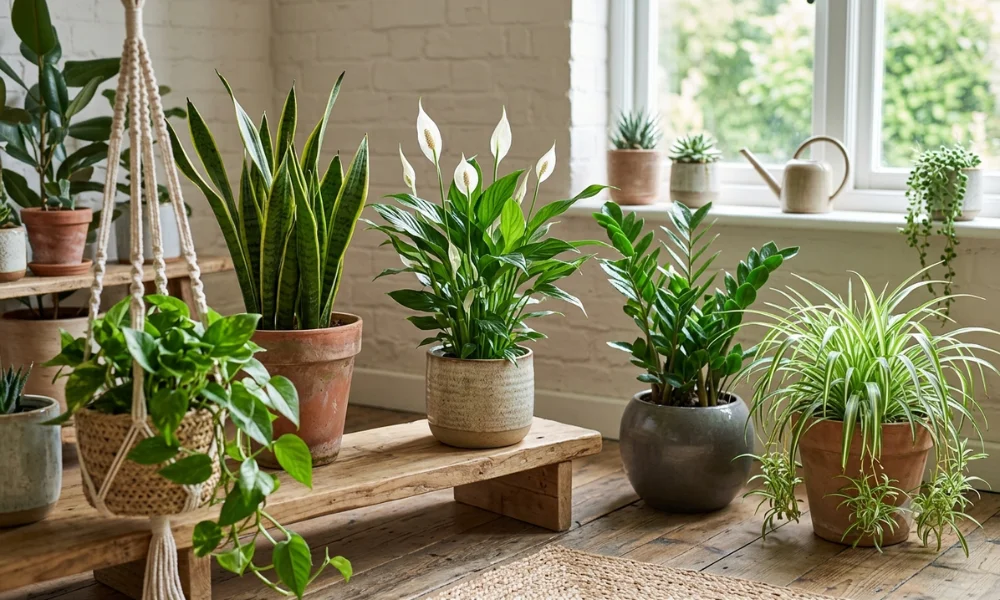
Selecting the right eco friendly plants makes indoor care simple and effective. The following species deliver maximum air purification while requiring minimal water and minimal nutrient inputs.
| Plant Name | Light Needs | Water Frequency | Sustainability Benefit |
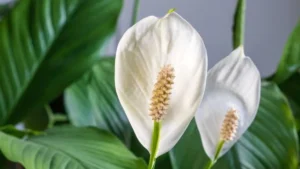
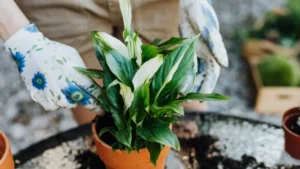
| Peace Lily | Medium to Low Light | Every 7 to 10 days | Removes formaldehyde and ammonia; signals water needs clearly |
| Snake Plant | Low to Bright Indirect | Every 14 to 21 days | Converts carbon dioxide to oxygen at night; drought-hardy |
| Pothos | Low to Moderate Light | Every 7 to 14 days | Traps dust; thrives in low-nutrient soil without chemical fertilizers |
| ZZ Plant | Very Low to Bright Light | Every 20 to 30 days | High drought resistance; uses minimal water over long periods |
| Spider Plant | Bright Indirect Light | Every 7 to 10 days | Easy to propagate via plantlets; eliminates synthetic plant purchases |
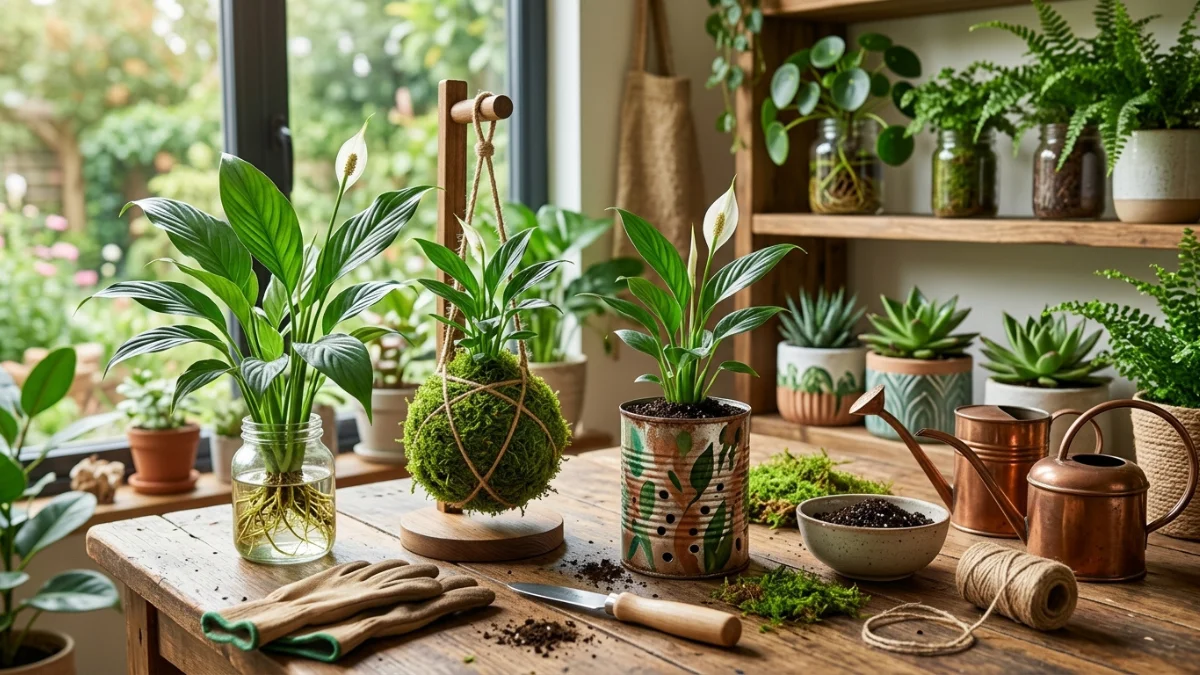
These plants thrive in diverse home environments. They also propagate easily, so you can expand your plant collection without purchasing new plastic pots or commercially grown stock.
Sustainable Gardening vs. Traditional Gardening
Standard gardening relies heavily on finite natural resources and chemical inputs. The Peeacelily framework focuses on renewable materials and organic longevity.
| Factor | Traditional Gardening | Sustainable Gardening (Peeacelily Approach) |
| Water Usage | High municipal water reliance; frequent overhead watering | Rainwater collection; targeted bottom-watering practices |
| Chemical Use | Synthetic nitrogen and chemical pesticides | Organic compost teas and biological pest controls |
| Soil Health | Non-renewable peat moss; depleted topsoil | Renewable coconut coir; rich microbial compost mixes |
| Cost Over Time | High recurring costs for chemical feeds and replacement soil | Low long-term costs through home propagation and compost |
| Environmental Impact | High carbon footprint; chemical runoff into waterways | Zero toxicity; protected natural peat bogs and water tables |
This comparison highlights clear structural benefits. Sustainable care protects local soil ecosystems and reduces long-term maintenance costs for every plant owner.
How to Build Your Own Peeacelily Green Living Routine
Establishing an eco-conscious plant routine requires simple step-by-step actions. You can transform individual rooms by pairing specific plant species with target sustainability habits. Check our guide on peeacelily-plant-styling to design your plant layout seamlessly.
Room-by-Room Guide to Eco Friendly Plants
Practical design combines functional plant features with room-specific microclimates.
-
Kitchen: Place a small Peace Lily or pothos near food prep zones. These plants absorb volatile cooking fumes. Collect residual pasta cooking water, let it cool completely, then use it to supply rich starch nutrients to your soil.
-
Bedroom: Position a Snake Plant near your nightstand. Snake plants release oxygen during night hours, so they improve sleep quality naturally. Use breathable terracotta pots to prevent moisture trapped around root zones.
-
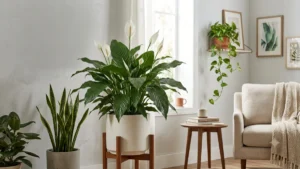
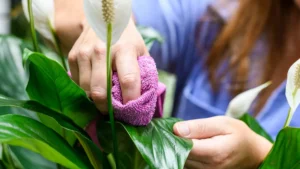
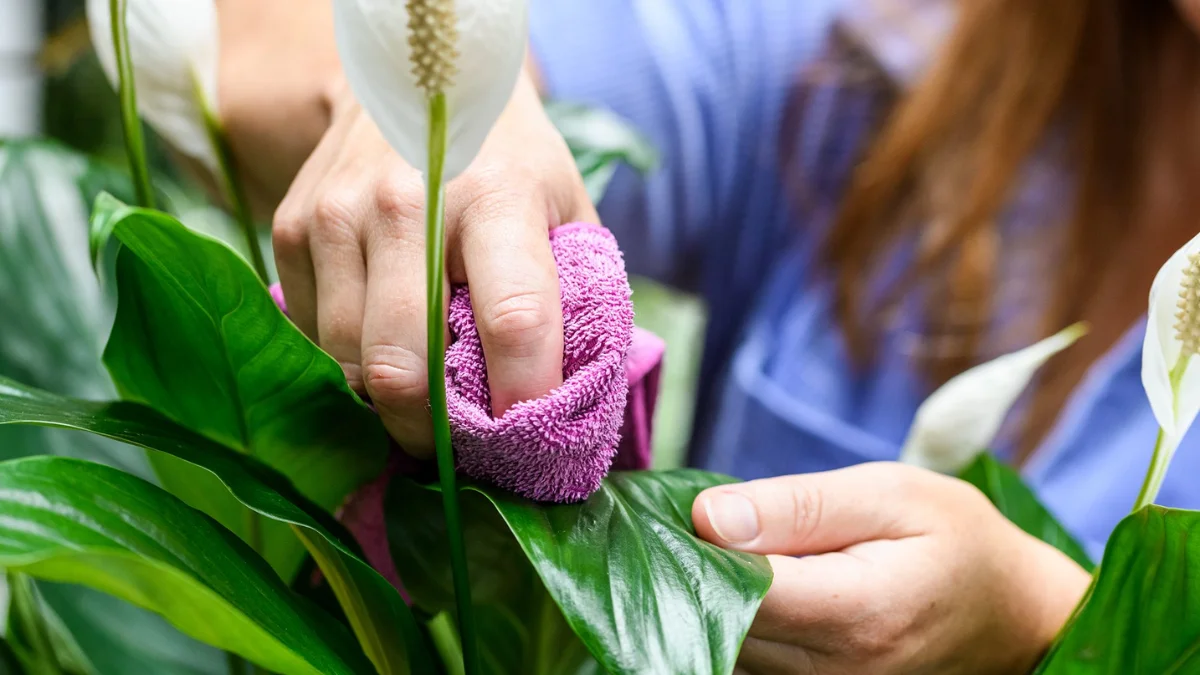
Living Room: Set a sturdy ZZ plant or Spider Plant in high-traffic seating areas. These plants filter dust and synthetic carpet gases. Wipe leaf surfaces with a damp cloth bi-weekly to boost photosynthesis rates.
-
Home Office: Add a small fern or succulent to your desk surface. Green foliage reduces eye strain caused by computer screens. Use recycled ceramic mug containers with added drainage holes to reduce landfill waste.
Common Mistakes to Avoid in Sustainable Gardening
Many well-meaning plant owners make mistakes that disrupt natural plant ecosystems. Avoiding these common habits protects your plants and preserves natural resources.
-
Overwatering Roots: Excessive water starves root systems of oxygen and causes root rot. Always test soil moisture two inches below the surface before adding water.
-
Using Synthetic Fertilizers: Chemical plant foods kill beneficial soil bacteria and create salt buildup. Switch to natural compost tea or liquid kelp solutions instead.
-
Ignoring Light Requirements: Placing low-light plants in direct sunlight burns sensitive leaves. Match your plant species directly to your window orientation.
-
Buying Non-Native Outdoor Plants: Exotic outdoor species require excess pesticide treatments and constant artificial irrigation. Native species resist local pests naturally and save valuable water resources.
Conclusion
Adopting Peeacelily Green Living changes how you interact with nature inside your home. You clean indoor air, cut chemical waste, and protect vital global ecosystems. Visit peeacelily.com today to explore comprehensive Peeacelily gardening guides and elevate your eco-friendly lifestyle.
Frequently Asked Questions
What is Peeacelily Green Living?
Peeacelily Green Living is an eco-conscious framework that unites sustainable indoor plant care, organic soil practices, and water conservation. It eliminates synthetic chemicals and non-renewable peat moss to create healthier living spaces and protect natural environments.
How do eco friendly plants support sustainable gardening?
Eco friendly plants require fewer chemical interventions, lower water volumes, and zero synthetic pest sprays. They adapt easily to home conditions, reduce indoor air toxins naturally, and propagate cleanly without extra environmental waste.
What are the easiest plants for indoor green living beginners?
Snake plants, ZZ plants, pothos, and Peace Lilies offer the best results for beginners. These hardy species withstand light fluctuations, survive irregular watering schedules, and filter common indoor toxins efficiently.
How does Peeacelily plant wellness improve mental health?
Peeacelily plant wellness leverages biophilic design principles to lower physiological stress. Interacting with indoor foliage lowers blood pressure, reduces stress cortisol levels, and improves focus in daily living environments.