Peeacelily Plant Wellness means combining the right watering schedule, balanced plant nutrition, and disease prevention to keep peace lilies thriving. Consistent moisture, light feeding, and early symptom checks form the foundation of long-term healthy houseplants.
Welcome to Peeacelily, where we help you build real Peeacelily Plant Wellness habits — not just basic care. This guide blends Peeacelily plant care, Peeacelily gardening, plant nutrition, watering schedule tips, and plant disease prevention into one wellness routine so your peace lily stays healthy, vibrant, and blooming year-round.
Key Takeaways
-
Peeacelily Plant Wellness depends on soil-check watering, not calendar watering.
-
Light, balanced plant nutrition every 4–6 weeks prevents weak growth.
-
Most peace lily diseases start with overwatering — prevention beats treatment.
-
A seasonal wellness routine keeps healthy houseplants thriving indoors year-round.
What Is Peeacelily Plant Wellness?
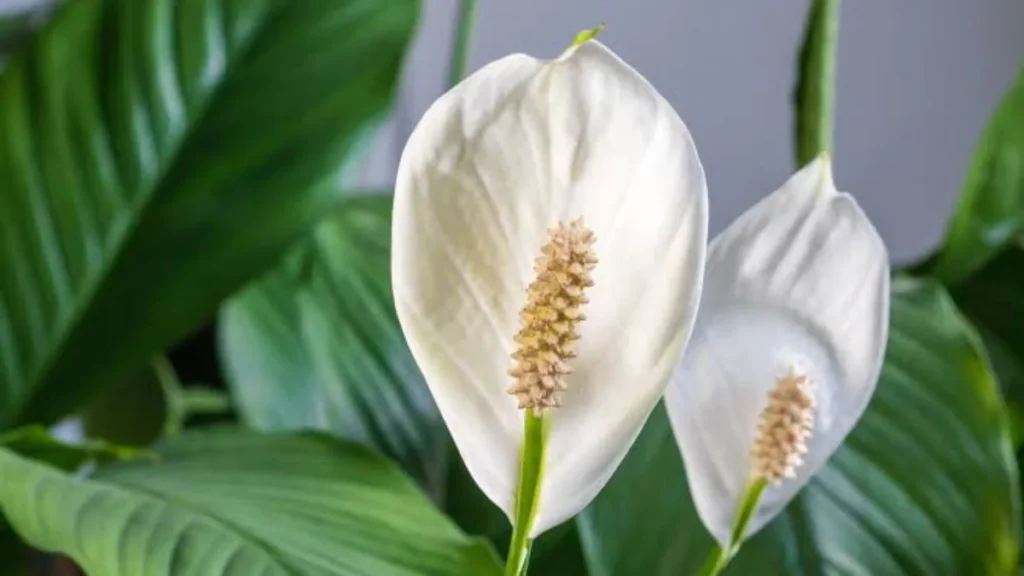
Peeacelily Plant Wellness goes beyond basic survival. Many plant owners only react when leaves droop or turn yellow. Real plant wellness creates a proactive environment where Spathiphyllum species naturally resist stresses.
Tropical rainforest floors mark the natural home of these plants. They grow under dense tree canopies in moist, highly organic soil with continuous warm air movement. Indoor spaces often lack this natural balance. Dry indoor air, tap water minerals, and static pot soil create constant stress for root systems.
True wellness connects three core pillars: precise moisture management, steady cellular nutrition, and active disease barriers. When you align these three elements, you strengthen the cellular walls of your plant. This structural strength allows your peace lily to produce glossy foliage and bright white spathes without suffering from sudden root collapse or leaf burn.
Peeacelily Plant Wellness Watering Schedule for Healthy Houseplants
Watering on a strict calendar schedule causes many plant deaths. Ambient humidity, indoor temperature, pot material, and light intensity alter how fast soil loses moisture. You must check the soil directly before adding water.
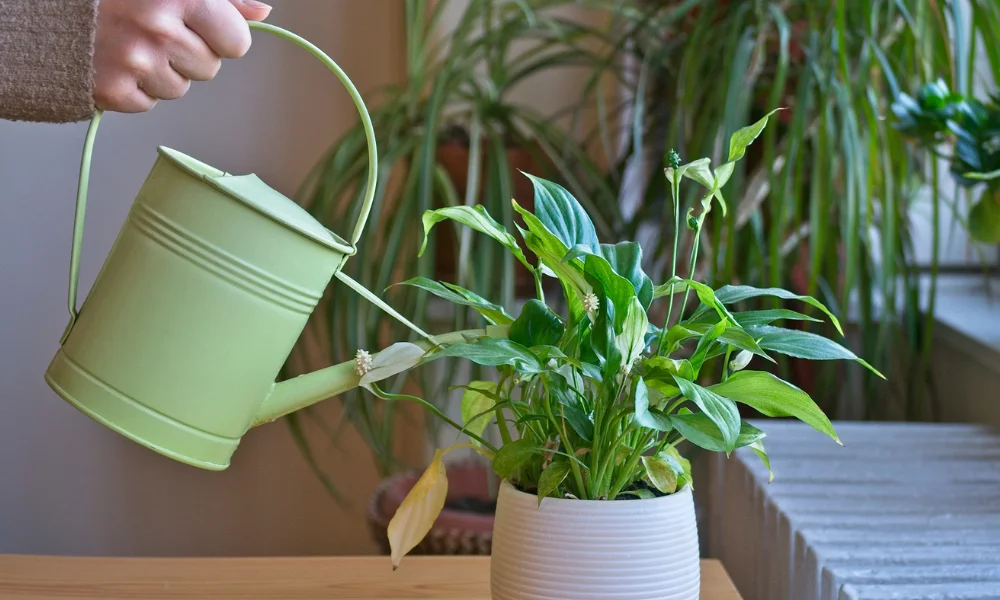
Insert your finger two inches into the potting mix. Water the plant only when those top two inches feel dry to the touch. Tap water often contains chlorine, fluoride, and dissolved minerals. Peace lilies store these compounds in leaf tips, which causes dark burn marks. Use distilled water, rainwater, or filtered water to keep root membranes clean.
Light levels directly dictate how fast your peace lily uses water. Plants in brighter areas process moisture rapidly through transpiration. Plants in dim spots use water slowly. Adjust your habits based on available light.
Watering Schedule by Light Level
| Light Level | Watering Frequency | Wellness Signal |
| Bright indirect | Every 4–7 days | Drooping = needs water |
| Medium light | Every 5–9 days | Slower soil drying |
| Low light | Every 7–12 days | Watch for soggy soil |
Peeacelily Plant Wellness Signs of Watering Stress
-
Severe wilting with dry, crunchy soil means acute underwatering.
-
Wilting paired with wet soil indicates severe root rot from overwatering.
-
Yellowing lower leaves usually show that roots cannot breathe in waterlogged soil.
-
Brown, crisp leaf tips signal high mineral accumulation from hard tap water.
Peeacelily Plant Wellness and Plant Nutrition Essentials
Peace lilies need light, steady feeding rather than heavy doses of fertilizer. High chemical concentration burns delicate root hairs and destroys beneficial soil microbes. Select a balanced, water-soluble liquid fertilizer with an equal N-P-K ratio, such as 10-10-10 or 20-20-20. Dilute the mix to half strength before applying it to wet soil.
Never fertilize completely dry soil, as raw salts will shock dry roots. Apply this diluted feed every four to six weeks during active growth in spring and summer. Stop feeding completely during late fall and winter when plant metabolism slows down.
Proper plant nutrition supports chlorophyll production, leaf cell density, and spathe formation. Yet, over-fertilizing causes salt crusts on soil surfaces and black leaf tip burn. Flush the pot with pure distilled water if you suspect salt buildup.
Peeacelily Plant Wellness Nutrient Deficiency
| Symptom | Likely Deficiency | Wellness Fix |
| Pale/yellow leaves | Nitrogen | Balanced liquid fertilizer |
| Weak stems, no blooms | Phosphorus | Bloom-boosting feed |
| Brown leaf edges | Potassium/mineral buildup | Flush soil, use distilled water |
Peeacelily Plant Wellness Disease Prevention Checklist
Disease prevention relies on smart environmental control rather than chemical sprays. Pythium root rot, Phytophthora fungal leaf spot, and powdery mildew target stressed plants. Keep your peace lily safe with this proactive checklist:
-
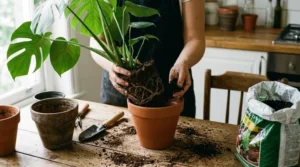
Choose pots with clear drainage holes so excess water escapes freely.
-
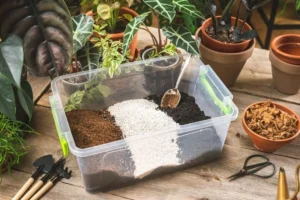
Mix perlite or orchid bark into peat potting soil to ensure continuous root airflow.
-
Water soil directly at the base rather than pouring water over leaves.
-
Space plants several inches apart to maintain steady air movement around foliage.
-
Clean pruning shears with rubbing alcohol before trimming old leaves.
-
Empty drainage saucers twenty minutes after watering so roots do not sit in stagnant water.
Peeacelily Plant Wellness Early Warning Signs Before Disease Spreads
Catastrophic plant collapse gives early clues days before visible leaf death happens. Check your plant weekly for these subtle warnings:
-
A sour, musty smell coming from the soil indicates anaerobic bacterial growth.
-
Blackened, soft stem bases near the soil line show early fungal infection.
-
Leaves losing their glossy shine and turning dull gray signal root dysfunction.
-
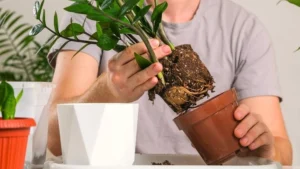
Roots turning brown, soft, or mushy instead of firm and white confirm root decay.
Peeacelily Gardening Habits for Long-Term Healthy Houseplants
Long-term success relies on simple weekly maintenance. Rotate your peace lily a quarter turn every week so all sides receive equal light. This habit prevents lopsided growth and keeps stems strong.
Dust settles quickly on broad leaves, blocking stomata pores and reducing light absorption by up to thirty percent. Wipe leaves gently with a damp microfiber cloth every two weeks.
Peace lilies thrive in forty to sixty percent relative humidity. Keep your plant away from cold window drafts, air conditioning vents, and heating radiators. Grouping plants together or placing a small humidifier nearby creates a stable microclimate that protects delicate leaf margins.
Peeacelily Plant Care Seasonal Wellness Routine
-
Spring and Summer: Increase watering frequency, apply half-strength liquid food monthly, and check for active leaf growth.
-
Fall and Winter: Reduce watering as soil dries slowly, stop fertilizer completely, and move plants away from cold window glass.
Conclusion
Peeacelily Plant Wellness comes down to consistency: check soil before watering, feed lightly, and watch for early disease signs. Follow this Peeacelily plant care and Peeacelily gardening routine to enjoy healthy houseplants year-round. Visit Peeacelily for more expert wellness guides.
Frequently Asked Questions
How often should I water for Peeacelily Plant Wellness?
Water your plant when the top two inches of soil feel dry. This usually means watering every four to seven days in bright light and every seven to twelve days in low light.
What is the best plant nutrition schedule for peace lilies?
Feed your plant once every four to six weeks during spring and summer using a balanced liquid fertilizer diluted to half strength. Do not feed during winter.
How do I prevent plant disease without chemicals?
Ensure your pot drains well, use porous potting mix, keep foliage dry when watering, and maintain good airflow around leaves to prevent fungal growth.
Can overwatering cause disease even with good nutrition?
Yes. Excess water suffocates roots by cutting off oxygen. Dead roots cannot absorb nutrients, allowing fungal pathogens like Pythium to invade rapidly.