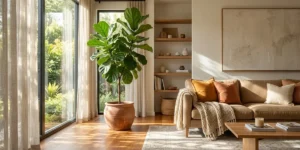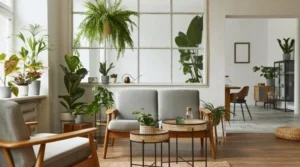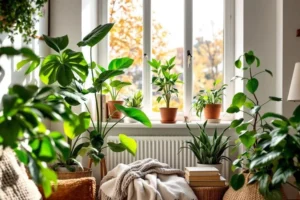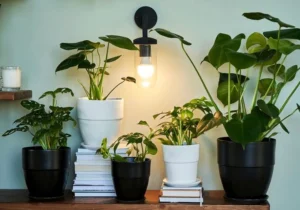
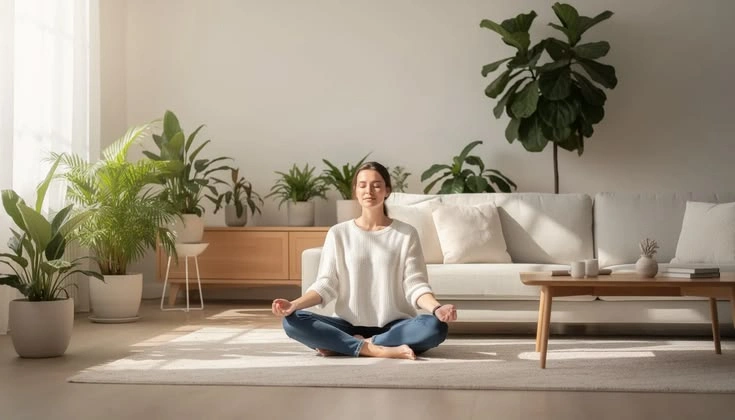
Creating a home is about more than choosing furniture or decorating rooms. The place where you live affects your sleep, mood, health, productivity, and even your stress levels. That is why more people are focusing on creating a wellness home instead of simply designing a beautiful space.
A wellness home is designed to support your physical, mental, and emotional wellbeing. It encourages healthy habits through better air quality, natural light, comfortable furniture, calming colours, and organised spaces. The good news is that you do not need a large budget or a complete renovation to enjoy these benefits.
Whether you own a house or rent a small apartment, simple improvements can make your living space healthier and more enjoyable.
Quick Answer
A wellness home is a living space designed to improve health, comfort, and happiness. It focuses on clean air, natural light, healthy materials, good organisation, quality sleep, and comfortable surroundings. By making thoughtful changes, you can create a healthier home that supports your everyday wellbeing without spending a fortune.
What Is a Wellness Home?
A wellness home is a home designed with your health in mind. Instead of focusing only on appearance, it combines comfort, functionality, and healthy living principles.
The goal is to create an environment where people can breathe cleaner air, sleep better, feel less stressed, and enjoy a higher quality of life.
Modern wellness home design also considers how your surroundings influence your daily habits. Small details, such as sunlight entering your bedroom or the placement of indoor plants, can have a surprising impact on your wellbeing.
Unlike luxury home trends, a wellness home is about making practical choices that improve everyday living.
Why Wellness Home Design Matters
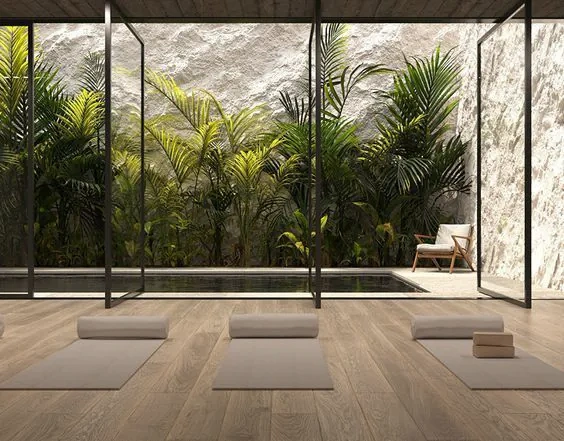
Many people spend most of their day indoors. As a result, the quality of your home environment plays an important role in your overall health.
A thoughtfully designed healthy home can help you:
- Improve sleep quality
- Reduce daily stress
- Increase productivity
- Support better breathing
- Encourage healthy habits
- Create a more relaxing atmosphere
- Improve family wellbeing
Even simple improvements can make a noticeable difference over time.
Wellness Home vs Traditional Home
| Feature | Wellness Home | Traditional Home |
|---|---|---|
| Focus | Health and wellbeing | Appearance and function |
| Air Quality | Clean and well ventilated | Often overlooked |
| Lighting | Natural daylight preferred | Artificial lighting dominates |
| Materials | Low-toxicity, natural materials | Standard construction materials |
| Organisation | Clutter-free spaces | May become overcrowded |
| Comfort | Supports healthy living | Depends on personal preference |
Key Features of a Healthy Home
Clean Indoor Air
Fresh air is one of the most important parts of a wellness home.
Open windows whenever possible to improve ventilation. Replace air filters regularly and avoid smoking indoors. Adding air-purifying plants can also help create a fresher environment.
Natural Lighting
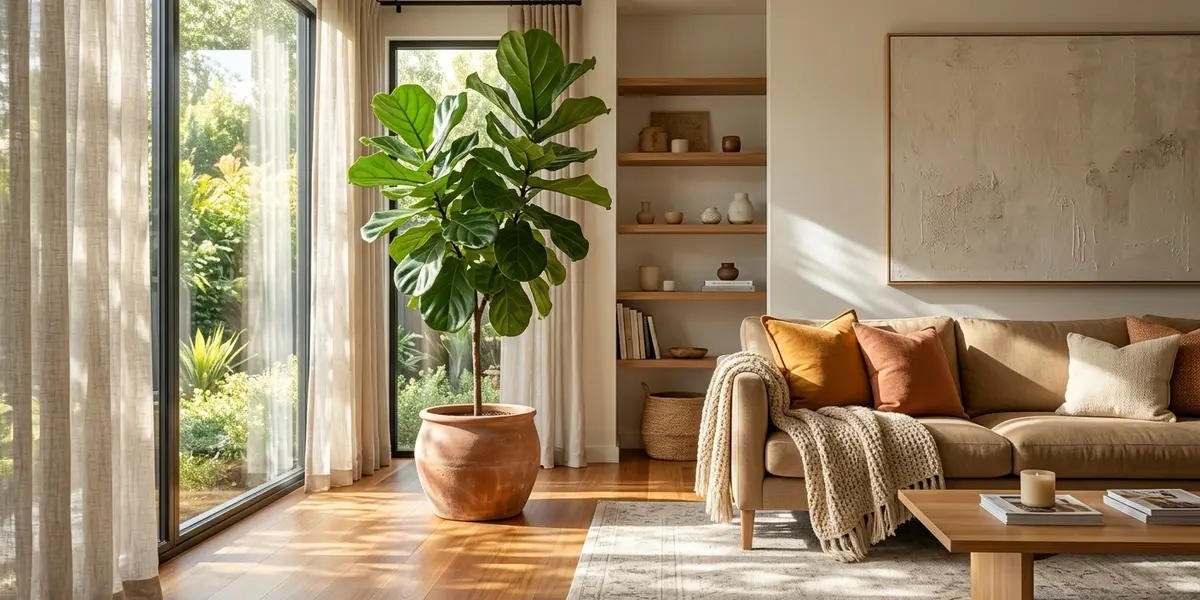
Natural light helps regulate your body’s internal clock and can improve mood and focus.
Keep windows clean, use light curtains, and arrange furniture to allow sunlight to enter your rooms.
Comfortable Temperature
A home that is too hot or too cold can affect sleep and concentration.
Aim for a comfortable indoor temperature throughout the year and ensure your home has good insulation.
Healthy Materials
Choose furniture, flooring, and paints with low chemical emissions whenever possible.
Natural wood, cotton, wool, bamboo, and other sustainable materials are excellent choices for creating a healthier living space.
Good Organisation
A cluttered home often feels stressful.
Keeping frequently used items organised makes daily routines easier while creating a calmer atmosphere.
How to Create a Wellness Home
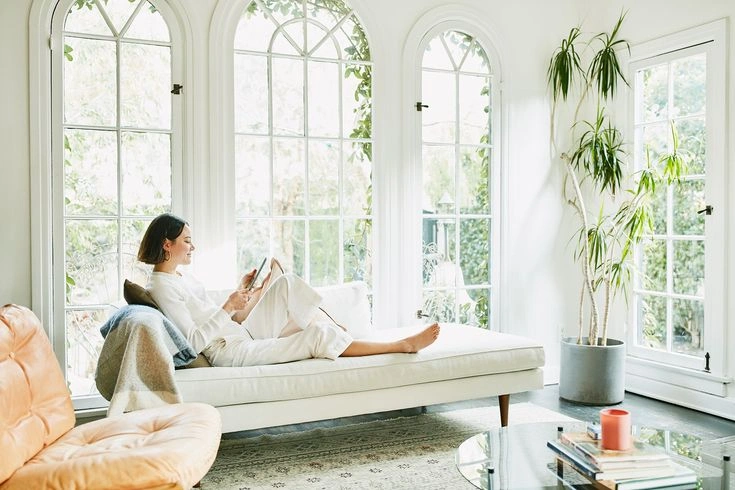
You do not need expensive renovations to build a wellbeing home setup. Instead, focus on simple improvements that fit your budget.
Improve Air Quality First
Fresh air should be your starting point.
Open windows daily, clean air vents, reduce dust, and consider using an air purifier if needed. Avoid heavily scented products that may affect indoor air quality.
Let More Natural Light In
Next, maximise daylight throughout your home.
Use mirrors to reflect sunlight into darker rooms. Choose lighter wall colours to make spaces feel brighter and more open.
Reduce Clutter
A clean environment often creates a calmer mind.
Start with one room at a time. Donate items you no longer use and organise storage to keep everyday essentials within easy reach.
Choose Calming Colours
Soft colours help create a relaxing atmosphere.
Popular choices include:
- Soft white
- Light beige
- Sage green
- Warm grey
- Pale blue
These colours make many rooms feel more peaceful without overwhelming the space.
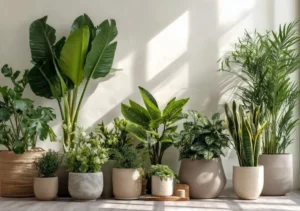
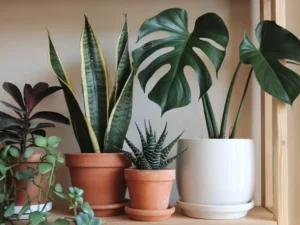
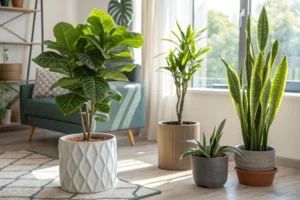
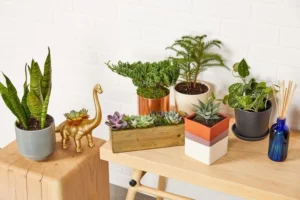
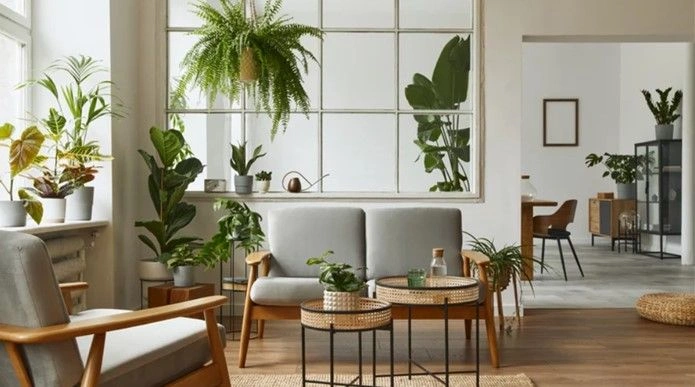
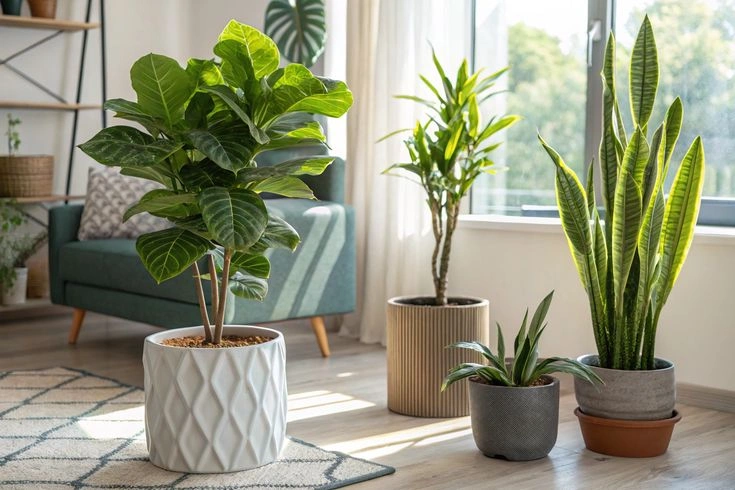
Add Indoor Plants
Plants bring nature indoors while making rooms feel more welcoming.
Some popular options include:
- Snake plant
- Spider plant
- Peace lily
- Pothos
- Rubber plant
Choose plants that match your home’s lighting conditions and your ability to care for them.
Create Better Sleep Spaces
Your bedroom should encourage rest.
Keep electronics to a minimum, use blackout curtains if needed, and invest in a supportive mattress and comfortable pillows.
A tidy bedroom often helps create a more relaxing bedtime routine.
Wellness Home Room-by-Room Guide
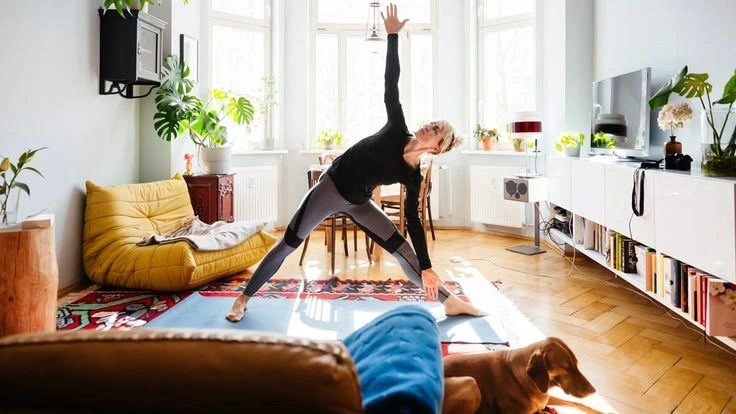
Living Room
Focus on comfort and connection.
Choose comfortable seating, allow plenty of natural light, and reduce unnecessary decorations that create visual clutter.
Kitchen
A healthy kitchen encourages healthier eating.
Keep fresh fruit visible, organise cupboards, and clean food preparation areas regularly.
Proper ventilation also helps remove cooking odours and excess moisture.
Bedroom
Your bedroom should feel peaceful.
Keep lighting soft in the evening, reduce noise where possible, and avoid working from bed to maintain better sleep habits.
Bathroom
Small improvements can make a big difference.
Use good ventilation to prevent mould, keep surfaces clean, and choose gentle cleaning products when possible.
Home Office
More people work from home than ever before.
Choose an ergonomic chair, position your monitor at eye level, and place your desk near a window if possible.
Taking regular breaks also supports better physical and mental health.
Wellness Home Improvements Comparison
| Improvement | Difficulty | Budget | Impact |
|---|---|---|---|
| Decluttering | Easy | Low | High |
| Adding plants | Easy | Low | Medium |
| Better lighting | Easy | Medium | High |
| Air purifier | Easy | Medium | High |
| Ergonomic chair | Medium | Medium | High |
| Non-toxic paint | Medium | Higher | High |
| Water filter | Easy | Medium | Medium |
Expert Tips for a Healthier Home
Build Habits, Not Perfection
You do not need to transform your home overnight.
Instead, improve one area each week. Small changes often become lasting habits.
Think About Every Sense
A wellness home should feel comfortable in every way.
Consider what you see, hear, smell, and touch. Soft textures, quiet spaces, fresh air, and natural light all work together to create a welcoming environment.
Spend Time Outside Too
Although your home matters, spending time outdoors also supports your wellbeing.
Fresh air, sunshine, and regular movement complement the healthy environment you create indoors.
Common Mistakes to Avoid
Many people assume a wellness home requires expensive products. In reality, simple habits often make the biggest difference.
Avoid these common mistakes:
| Mistake | Better Choice |
|---|---|
| Buying unnecessary wellness products | Focus on healthy habits first |
| Ignoring ventilation | Open windows regularly |
| Using harsh fragrances | Choose fresh air and gentle scents |
| Keeping too much clutter | Organise and simplify |
| Blocking natural light | Maximise daylight whenever possible |
| Forgetting maintenance | Clean filters and vents regularly |
Wellness Home Checklist
Use this checklist to assess your home.
| Task | Complete |
|---|---|
| Improve ventilation | ☐ |
| Reduce clutter | ☐ |
| Maximise natural light | ☐ |
| Add indoor plants | ☐ |
| Choose calming colours | ☐ |
| Create a better sleep environment | ☐ |
| Organise living spaces | ☐ |
| Improve workspace ergonomics | ☐ |
| Maintain indoor cleanliness | ☐ |
| Build healthy daily routines | ☐ |
Frequently Asked Questions
What is a wellness home?
A wellness home is a living space designed to support better physical, mental, and emotional health through thoughtful design, clean air, natural light, and healthy daily habits.
Can I create a wellness home on a budget?
Yes. Many improvements, such as decluttering, opening windows, rearranging furniture, and adding plants, cost very little.
Is a wellness home only for homeowners?
No. Renters can also improve air quality, lighting, organisation, and comfort without making permanent changes.
Which room should I improve first?
Most people start with the bedroom because better sleep has a positive effect on overall wellbeing.
Do indoor plants improve a healthy home?
Indoor plants can make a home feel more relaxing and may contribute to a fresher indoor environment when combined with proper ventilation and regular care.
What colours are best for wellness home design?
Soft neutral shades, gentle greens, pale blues, and warm earth tones are popular choices because they create a calm and welcoming atmosphere.
Conclusion
A wellness home is not about creating a perfect house. Instead, it is about building a healthier place that supports your everyday life. By improving air quality, increasing natural light, reducing clutter, and choosing comfortable, healthy materials, you can transform almost any living space into one that feels calm and inviting.
Start with one small change today. Then, continue improving your home over time. As a result, you will create a space that supports better health, greater comfort, and long-term wellbeing for everyone who lives there.
Key Takeaways
- A wellness home focuses on health as well as design.
- Clean air and natural light are essential features.
- Decluttering creates a calmer environment.
- Healthy materials contribute to better indoor living.
- Good sleep spaces improve overall wellbeing.
- Small, affordable improvements often have the biggest impact.
- Every room can support healthier daily habits.
- A wellness home is achievable for homeowners and renters alike.