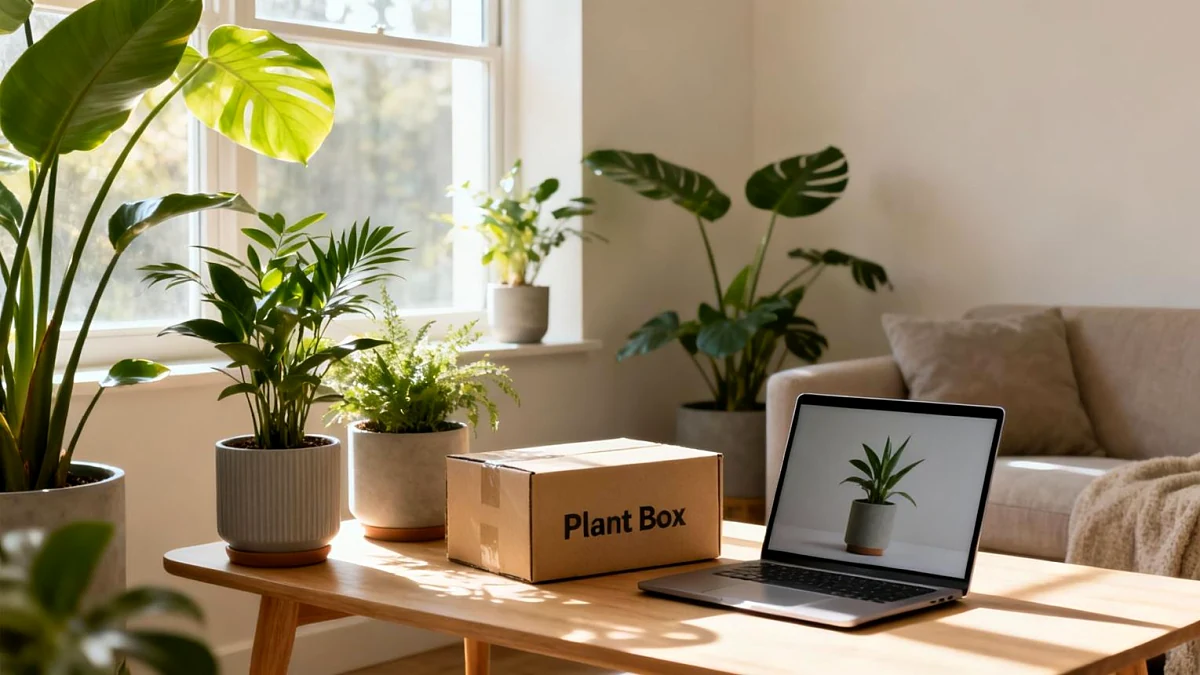
The best indoor plants to buy online are usually sturdy varieties such as pothos, snake plants, ZZ plants, and some philodendrons. They generally handle shipping and changes in their surroundings better than delicate, high-humidity plants. However, choosing the right species is only part of the process. You also need to check the listing, consider delivery weather, inspect the plant when it arrives, and give it time to adjust.
Buying a living plant online is different from ordering an ordinary household item. The plant may spend several days inside a dark box, experience temperature changes, and arrive looking different from the listing photograph. A little preparation helps you avoid disappointment and gives your new plant a better start.
Key Takeaways
- Check a plant listing carefully before buying, including plant size, pot dimensions, growing medium, and whether the plant arrives potted or bare-root.
- Choose plants according to your home’s light conditions and your ability to care for them.
- Consider weather and shipping conditions before placing an order, especially during periods of extreme heat or cold.
- Unpack your plant promptly and inspect its leaves, stems, soil, and roots for signs of damage or pests.
- Avoid immediately repotting or changing its environment. Give the plant time to adjust to its new surroundings.
- Keep newly purchased plants separate from established houseplants for a few weeks to help identify possible pest problems.
Reading a Plant Listing Before You Buy Indoor Plants Online

Before adding a plant to your cart, look beyond its photograph. A product page should tell you what you are actually purchasing, not simply show what the plant might look like when it reaches maturity.
Check the plant’s actual size

Look for measurements such as:
- Current plant height
- Nursery pot diameter
- Approximate spread or width
- Whether the measurement includes the pot
- Whether the listing shows a young plant or a mature specimen
A photograph of a large, mature plant does not mean you will receive one of the same size. Many nurseries sell starter plants in small nursery pots. These can be healthy plants, but they need time to grow.
For example, a listing may show a pothos with long trailing stems while the item being sold is a young plant with only a few leaves. That is not necessarily misleading if the listing clearly explains the size.
Check whether the plant comes potted

Online sellers may ship plants in different forms:
| Listing description | What you may receive | What to expect |
| Potted plant | Plant growing in a nursery pot | Usually ready for initial placement after inspection |
| Bare-root plant | Plant supplied without its usual growing medium | Roots need careful handling and appropriate planting |
| Rooted cutting | A young plant grown from a cutting | Smaller size and a longer establishment period |
| Starter plant | A young, established plant | Usually smaller than mature display photographs |
| Plant with decorative pot | Plant and an outer display container | Check whether the inner growing pot and drainage are included |
Do not assume the decorative pot shown in a photograph is included. Read the product description and check the package contents before paying.
Look for real photographs and clear descriptions
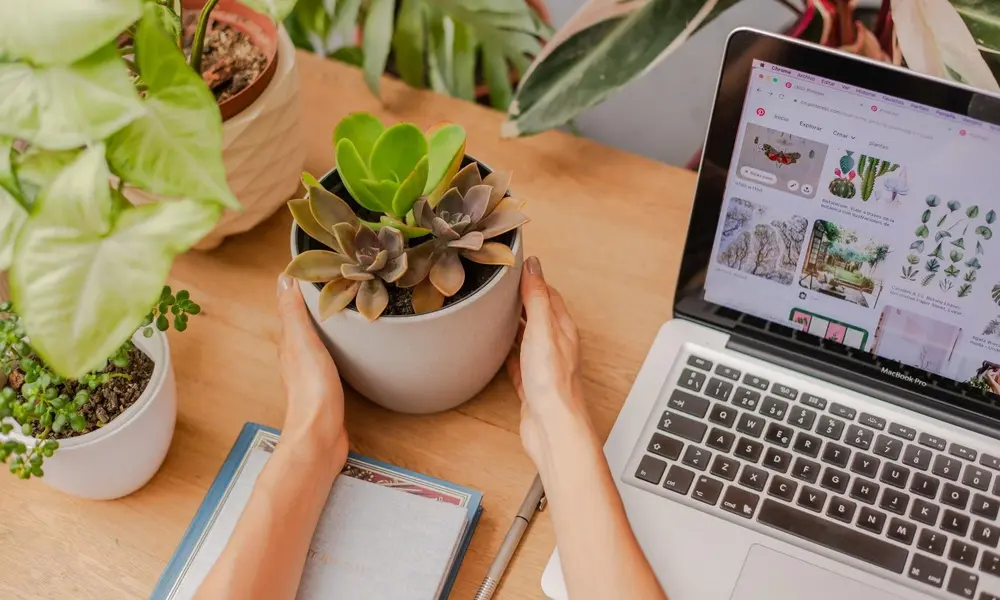
A useful listing should identify the plant accurately and explain its current size. Photos of actual inventory or representative plants at the advertised size can help you set realistic expectations.
Be cautious when a listing uses only heavily edited photographs, gives no measurements, or does not clearly identify the species.
Check the light requirements before buying

A plant can arrive in perfect condition and still struggle in your home. Before ordering, consider where it will live.
- Does the room receive bright, indirect light?
- Will the plant sit near a sunny window?
- Is the intended position shaded for most of the day?
- Is there enough space for the plant to grow?
A plant’s light requirements should influence your purchase before delivery, not after you unpack the box.
When to Order Plants Online: Shipping Season and Weather

You can order indoor plants throughout the year, but weather conditions can make delivery more difficult. A healthy plant may experience stress if it spends too long in extreme heat or cold.
The most useful approach is to consider the entire delivery route rather than looking only at the weather outside your home.
Avoid extreme temperatures when possible

Very hot or cold conditions can damage foliage and roots during transportation. A parcel may pass through several locations, including warehouses, sorting facilities, delivery vehicles, and an outdoor doorstep.
Before ordering, check:
- The weather near the seller or nursery
- The forecast along the likely delivery route, where available
- The temperature expected at your address
- Whether the seller offers suitable seasonal packaging
- Whether the seller delays dispatch during severe weather
Insulated packaging and heat packs may help protect plants in cold conditions, but they do not guarantee safe delivery. Their usefulness depends on the temperature, packaging, transit time, and plant species.
Choose a delivery date you can manage

Try to arrange delivery when someone can receive the package promptly. A live plant should not sit for hours in direct sunlight, freezing conditions, or a hot outdoor area.
If the seller provides an estimated delivery window, make sure you can bring the package inside when it arrives.
Read the seller’s shipping and damage policy

Before checkout, look for clear answers to these questions:
- Does the seller ship during extreme weather?
- Is protective packaging included?
- What happens if the plant arrives damaged?
- How quickly must you report a problem?
- Are photographs required for a damage claim?
- Are live plants eligible for replacement or refund?
A live-arrival guarantee is not the same everywhere. Some sellers require photographs within a short period, while others have different conditions. Read the actual policy rather than assuming every nursery offers the same protection.
Arrival Day: What to Do When Your Online Plant Arrives

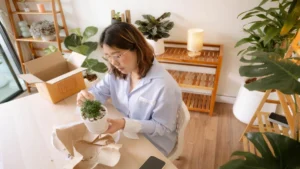
The first few hours after delivery are important. Unpack the plant promptly, check its condition, and avoid making unnecessary changes immediately.
Follow this simple arrival-day routine.
1. Photograph the package and plant
Before removing all the packaging, take clear photographs of the box and the plant. Include any visible damage, broken stems, crushed packaging, or other problems.
These photographs can help if you need to contact the seller about a damaged delivery.
Keep the order details and packaging information until you know the plant is healthy.
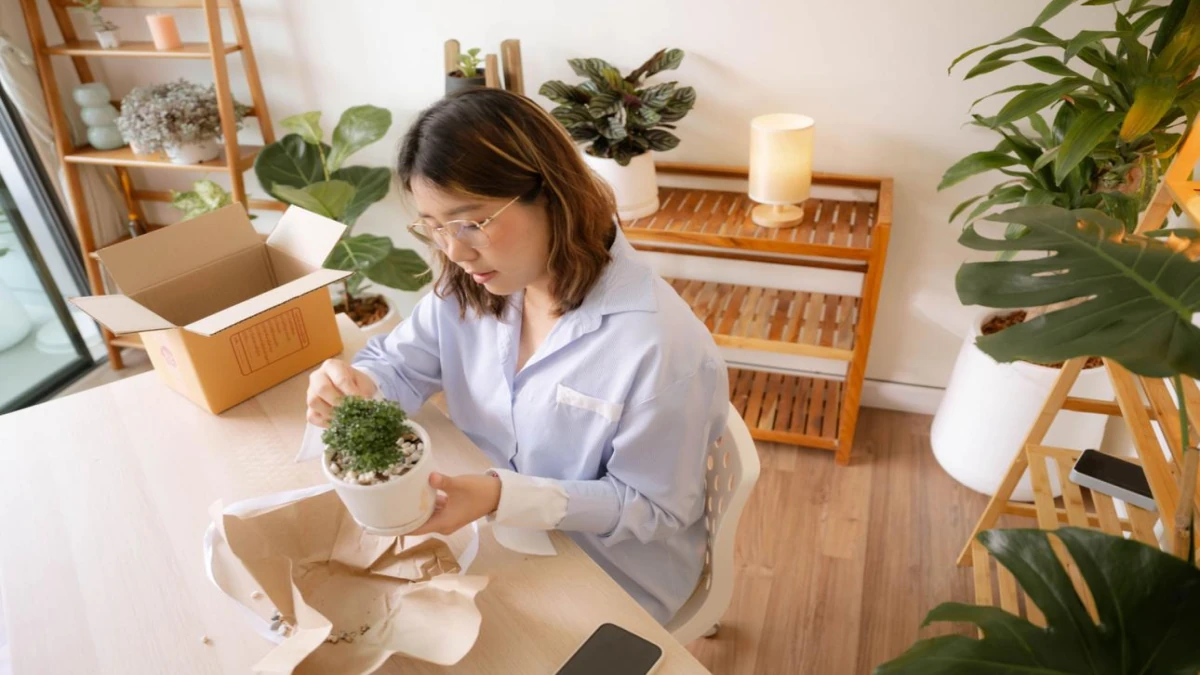
2. Unpack the plant carefully
Open the box without pulling the plant by its stems or leaves. Remove protective materials slowly, especially if they are wrapped around the foliage.
If the plant is secured inside the package, release the supports carefully rather than forcing the pot out.
Once unpacked, give the plant some fresh air and place it in a protected area.
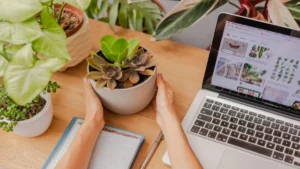
3. Inspect leaves, stems, and soil
Look over the plant before placing it near your existing collection.
Check:
- The upper and lower surfaces of the leaves
- Leaf joints and stems
- The soil surface
- The pot and drainage holes
- Visible roots, if the plant arrived bare-root or the packaging exposed them
Look for signs of pests such as webbing, small insects, cotton-like clusters, or unusual spots.
A few bent leaves or minor cosmetic marks do not automatically mean the plant is unhealthy. However, widespread mushy tissue, a foul smell, severe stem damage, or visible pests deserve closer attention.
4. Check the soil before watering
Do not water automatically just because the plant has travelled.
Shipping conditions differ. Some plants arrive with damp soil, while others may have dried out during transit.
Use your finger to check the growing medium:
- If it is still moist: Wait and check again later.
- If it is dry: Water according to the plant’s needs, then let excess water drain.
- If it is soaking wet: Do not add more water. Give the plant suitable airflow and monitor it for signs of root or stem problems.
The amount of water a plant needs also depends on its species and light conditions. Plants in lower light generally use water more slowly, so avoid treating every new arrival the same way.
5. Give the plant suitable light
Do not place a newly delivered plant straight into harsh direct sunlight just because it needs light.
Choose a stable location that matches its species requirements. For many common foliage plants, bright indirect light is a sensible starting point.
Avoid sudden changes between very dark conditions and intense sunlight. Let the plant adjust before making further changes to its position.
6. Keep the new plant separate
Do not immediately place a newly purchased plant beside all your existing houseplants.
New arrivals can carry pests that are difficult to notice during the first inspection. Keeping the plant separate gives you time to observe it and respond if a problem appears.
Which Indoor Plants Travel Well (and Which Don’t)?

Some houseplants are generally more forgiving during shipping than others. Thick or sturdy foliage and the ability to tolerate temporary changes in moisture and light can make certain varieties easier choices for online buyers.
However, no plant is guaranteed to arrive in perfect condition. Packaging, shipping duration, temperature, plant health, and handling all matter.
Pothos
Pothos is a practical choice for many first-time online plant buyers. It has adaptable foliage, can tolerate some lower-light conditions, and develops attractive trailing stems.
It is still important to check its condition on arrival. Damaged leaves can be removed once the plant has settled, but avoid unnecessary pruning immediately after delivery.
Snake Plant
The snake plant has firm, upright leaves and generally needs less frequent watering than many tropical foliage plants.
Its ability to tolerate periods of drier soil makes it a useful option for people who want a relatively forgiving indoor plant. Check the base of the leaves and the soil for signs of damage or excessive moisture when it arrives.
ZZ Plant
The ZZ plant is another good candidate for an online order. Its thick stems and water-storing rhizomes help it tolerate periods of lower moisture.
Avoid watering it repeatedly just because it has arrived in a box. Check the growing medium first.
Philodendron
Many common philodendrons have adaptable foliage and can make attractive indoor plants. Their shipping tolerance depends on the variety and the condition of the plant before dispatch.
Check the stems and leaf joints during inspection. Give the plant appropriate light and avoid moving it repeatedly during its adjustment period.
Succulents
Many succulents can travel reasonably well when they are packed correctly. Their leaves and stems often store water, so they do not always need frequent watering.
However, damaged leaves, cold exposure, and wet growing medium can still create problems. Check that the soil drains properly and do not leave the plant sitting in water.
Plants That Need More Care During Shipping

Some plants are less forgiving of dry air, temperature changes, and prolonged periods in a box.
Examples include:
- Maidenhair ferns
- Calatheas
- Some prayer plants
- Other delicate, high-humidity foliage varieties
These plants can still be purchased online, but they may need more careful packaging and quicker delivery. If this is your first online plant order, starting with a sturdier variety may be easier.
The First Month After Buying Plants Online

Getting a plant out of its box is only the beginning. The next few weeks are about helping it adjust to your home without creating additional stress.
Week One: Keep Conditions Stable
During the first week:
- Place the plant where it receives suitable light.
- Check the soil before watering.
- Keep it away from strong drafts and direct heat.
- Avoid unnecessary pruning.
- Continue checking the leaves and stems for pests.
A small amount of leaf drop or temporary drooping can happen after transportation. Watch the overall condition instead of reacting to every cosmetic change.
Weeks Two and Three: Continue Monitoring
Continue the quarantine period and inspect the plant regularly.
Look for new pest activity, spreading leaf damage, soft stems, or changes in the soil. If you notice a problem, keep the plant isolated while you identify the cause.
Do not automatically increase watering or apply fertilizer in response to slow growth. The plant may simply be adjusting to a different environment.
Week Four: Decide Whether It Needs Repotting
After the plant has had time to settle, check whether its current pot is suitable.
Repotting may be necessary if:
- The roots are severely crowded.
- The growing medium drains poorly.
- The nursery pot is damaged.
- The plant arrived in a temporary growing plug that needs attention.
If the plant is healthy and its pot is suitable, there is no need to repot just because you purchased it.
When repotting becomes necessary, choose a growing medium that suits the species. Our guide to the best soil for houseplants explains the qualities to consider.
You can also explore low-maintenance indoor plants if you are building a collection that needs a simpler care routine.
Common Mistakes When Buying Indoor Plants Online

A few avoidable mistakes can turn a promising purchase into a disappointing experience.
Choosing by photograph alone: A beautiful mature specimen may be much larger than the plant being sold. Check the actual measurements.
Ignoring delivery weather: A plant may be damaged by extreme temperatures during transit or while waiting outside your home.
Watering immediately without checking: A plant that arrives with damp soil does not need another watering simply because it has been delivered.
Repotting on arrival day: Changing the pot and growing medium immediately can add stress. Wait unless there is a clear problem that requires action.
Mixing new plants with existing ones: Hidden pests can spread to your collection. Keep new arrivals separate during the initial observation period.
Expecting instant growth: A shipped plant may need time to adjust before producing new leaves. Give it stable conditions rather than changing its care routine every few days.
FAQ: Buying Indoor Plants Online
Is it safe to buy indoor plants online?
Yes, buying plants online can be a convenient way to build a collection. The main concerns are delivery damage, inaccurate size descriptions, unsuitable packaging, and pests. Check the listing and shipping policy, photograph the arrival, inspect the plant, and keep it separate from existing plants initially.
Will my online plant look exactly like the listing photo?
Not necessarily. Listing photographs may show mature or especially attractive specimens. The plant you receive may be smaller, younger, or not flowering. Check the current height, pot size, and description before ordering.
What should I do when my plant arrives in the mail?
Bring the package inside, photograph the plant and packaging, unpack it carefully, and inspect the leaves, stems, and soil. Check moisture before watering, give it suitable light, and keep it separate from your existing plants while you monitor it.
When is the best time to order plants online?
Mild weather is generally more suitable for transporting live plants than extreme heat or cold. However, the best timing also depends on the nursery, delivery route, packaging, and local forecast. Avoid ordering during severe weather when possible.
Which houseplants are easiest to buy online?
Pothos, snake plants, ZZ plants, and some philodendrons are generally forgiving choices. They are often easier for beginners to manage than delicate plants that need consistently high humidity or very specific conditions.
Should I repot a plant as soon as it arrives?
Usually not. Let it adjust first and check whether its current pot and growing medium are suitable. Repot sooner only when there is a clear reason, such as severe root problems, a damaged container, or unsuitable growing material.
How long should I quarantine a new indoor plant?
A quarantine period of around three to four weeks is a useful precaution. Keep the plant separate from your existing collection and inspect it regularly for pests or signs of disease before introducing it to other plants.
Why is my newly delivered plant losing leaves?
Shipping stress and changes in light, humidity, temperature, and airflow can cause some leaf drop. A few damaged or yellowing leaves do not automatically mean the plant is dying. Check the roots and stems for serious problems, review soil moisture, and provide stable conditions.
Conclusion: Best Indoor Plants to Buy Online
The best indoor plants to buy online are not necessarily the largest or most expensive ones. They are plants that suit your home, arrive in good condition, and match the amount of care you can provide.
Before ordering, check the plant’s actual size, pot details, light requirements, and delivery policy. When the box arrives, photograph and inspect the plant, water only when needed, and give it time to adjust.
Pothos, snake plants, ZZ plants, and other sturdy varieties can be useful starting points. With a careful purchase and a calm first-month routine, you can turn an online order into a healthy addition to your indoor garden.
Disclaimer: This article provides general plant-buying and care information. Shipping conditions and plant responses vary by species, seller, packaging, and delivery route. Follow the seller’s care and damage-claim instructions, and consult a qualified plant-care professional if you suspect a serious pest or disease problem.