Quick Answer
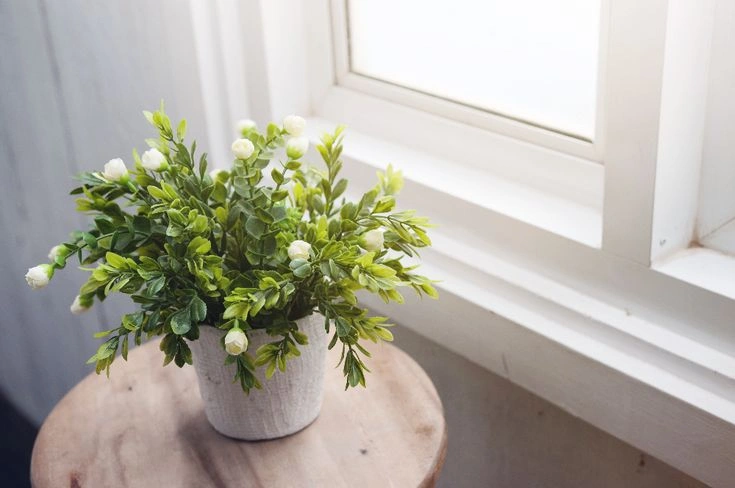
Some indoor plants may help create a more relaxing bedroom by improving the atmosphere, adding natural beauty, and in some cases releasing a pleasant scent. Among the best plants for sleep are snake plant, lavender, peace lily, aloe vera, jasmine, and spider plant. While these sleep improving plants cannot treat sleep disorders, they may contribute to a calming environment when combined with healthy sleep habits.
Do Plants Really Help You Sleep?
Many people wonder whether keeping plants in the bedroom actually improves sleep. The answer is a little more balanced than social media often suggests.
Plants are not a treatment for insomnia, nor can they guarantee better sleep. However, research shows that spending time around nature and indoor greenery may reduce stress and improve overall well-being. Feeling calmer before bed can make it easier for some people to relax and fall asleep.
Certain plants are also valued for their light fragrance or ability to contribute to a fresher indoor environment. Together, these qualities may help make your bedroom feel more comfortable and inviting.
Instead of thinking of plants as a sleep cure, consider them one piece of a healthy bedtime routine that also includes limiting screen time, keeping a regular sleep schedule, and maintaining a cool, quiet bedroom.
How Bedroom Plants May Support Better Sleep
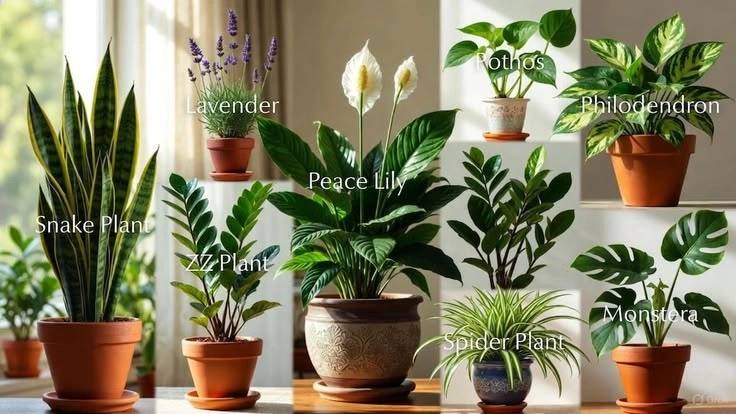
There are several reasons why people choose bedroom plants that sleep enthusiasts often recommend.
They Create a Calming Atmosphere
Natural greenery has a soothing effect on many people. Simply looking at plants can make a room feel warmer, more peaceful, and less stressful after a busy day.
Some Have Relaxing Fragrances
Plants such as lavender and jasmine are well known for their pleasant scents. While fragrance affects everyone differently, many people enjoy these gentle aromas as part of their evening routine.
They Can Improve Indoor Comfort
Some houseplants can slightly increase humidity through transpiration, which may make dry indoor air feel more comfortable, especially during colder months or in air-conditioned homes.
They Encourage Mindful Living
Taking a few minutes each day to water or care for your plants can become a relaxing habit. Small routines like these often help people slow down and transition into bedtime more peacefully.
Best Plants for Sleep
The following plants are among the most popular choices for creating a relaxing bedroom. Each offers something unique, from beautiful foliage to gentle fragrance or beginner-friendly care.
Snake Plant
Snake plant is one of the easiest indoor plants to grow, making it an excellent choice for beginners. Its upright green leaves add a modern look to any bedroom while requiring very little maintenance.
Many people choose snake plants because they tolerate low light and occasional missed watering. This makes them ideal for busy households.
Why people like it
- Very low maintenance
- Suitable for beginners
- Thrives in indirect light
- Modern appearance
- Fits small bedrooms
Care Tips
| Requirement | Recommendation |
|---|---|
| Light | Bright indirect to low light |
| Water | Every 2–4 weeks |
| Difficulty | Easy |
| Pet Friendly | No |
Lavender
Lavender has been appreciated for centuries because of its calming fragrance. Many people enjoy placing a small potted lavender plant near a sunny bedroom window or using dried lavender nearby.
Although lavender grows best outdoors, it can thrive indoors with enough sunlight and proper airflow.
Why people like it
- Pleasant natural fragrance
- Beautiful purple flowers
- Supports a relaxing bedroom atmosphere
- Popular in aromatherapy
Care Tips
| Requirement | Recommendation |
|---|---|
| Light | Full sunlight |
| Water | Allow soil to dry slightly |
| Difficulty | Moderate |
| Pet Friendly | Use caution around pets |
Peace Lily
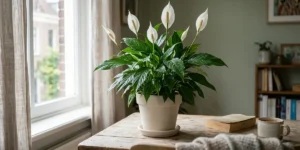
Peace lily is loved for its elegant white flowers and glossy green leaves. It remains one of the most popular indoor houseplants because it adapts well to indoor conditions.
Besides its attractive appearance, it can make a bedroom feel fresh and welcoming throughout the year.
Why people like it
- Elegant blooms
- Easy indoor care
- Thrives in medium light
- Adds natural beauty to bedrooms
Care Tips
| Requirement | Recommendation |
|---|---|
| Light | Bright indirect light |
| Water | Keep soil lightly moist |
| Difficulty | Easy |
| Pet Friendly | No |
Aloe Vera
Aloe vera is famous for the soothing gel inside its leaves, but it also makes an attractive bedroom plant. It requires very little attention and stores water in its thick leaves, making it forgiving if you occasionally forget to water it.
Its compact size works well on bedside tables, desks, or sunny windowsills.
Why people like it
- Easy to maintain
- Attractive succulent leaves
- Needs little watering
- Great for sunny bedrooms
Care Tips
| Requirement | Recommendation |
|---|---|
| Light | Bright sunlight |
| Water | Every 2–3 weeks |
| Difficulty | Easy |
| Pet Friendly | No |
Jasmine
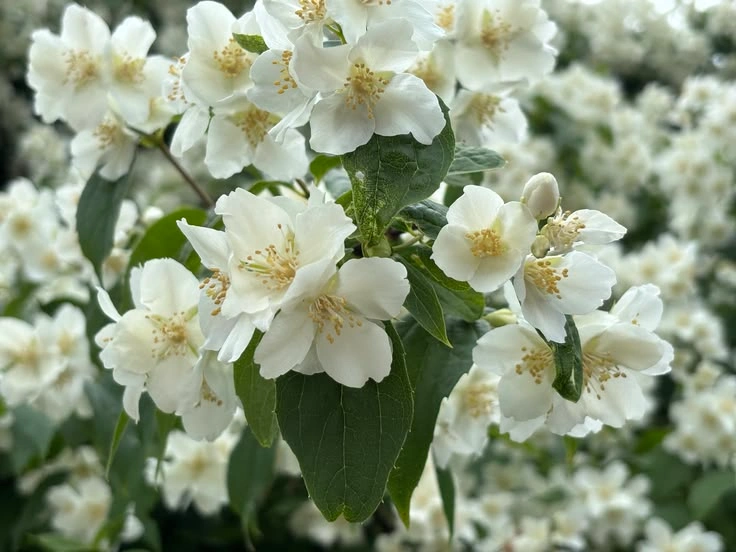
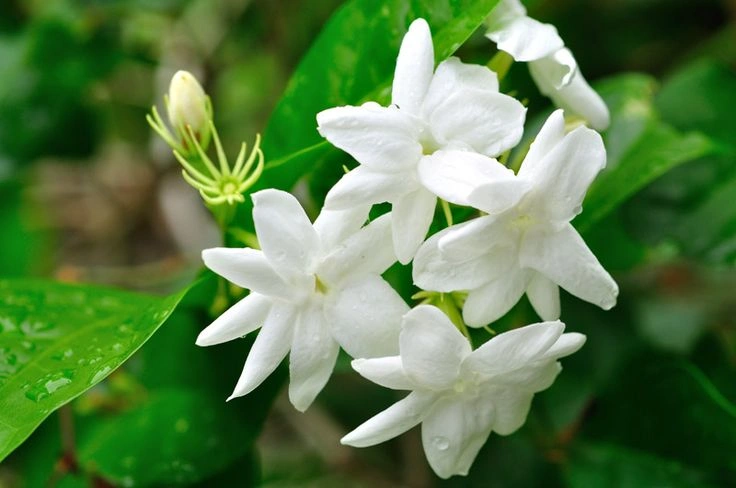
Jasmine is admired for its delicate white flowers and sweet fragrance. Many homeowners enjoy its scent in the evening, making it one of the most popular sleep-improving plants for bedrooms with bright natural light.
Although it requires a bit more attention than some houseplants, its beautiful blooms make the extra care worthwhile.
Why people like it
- Pleasant fragrance
- Elegant flowers
- Attractive climbing growth
- Brightens indoor spaces
Care Tips
| Requirement | Recommendation |
|---|---|
| Light | Bright indirect light |
| Water | Keep soil slightly moist |
| Difficulty | Moderate |
| Pet Friendly | Check variety before bringing home |
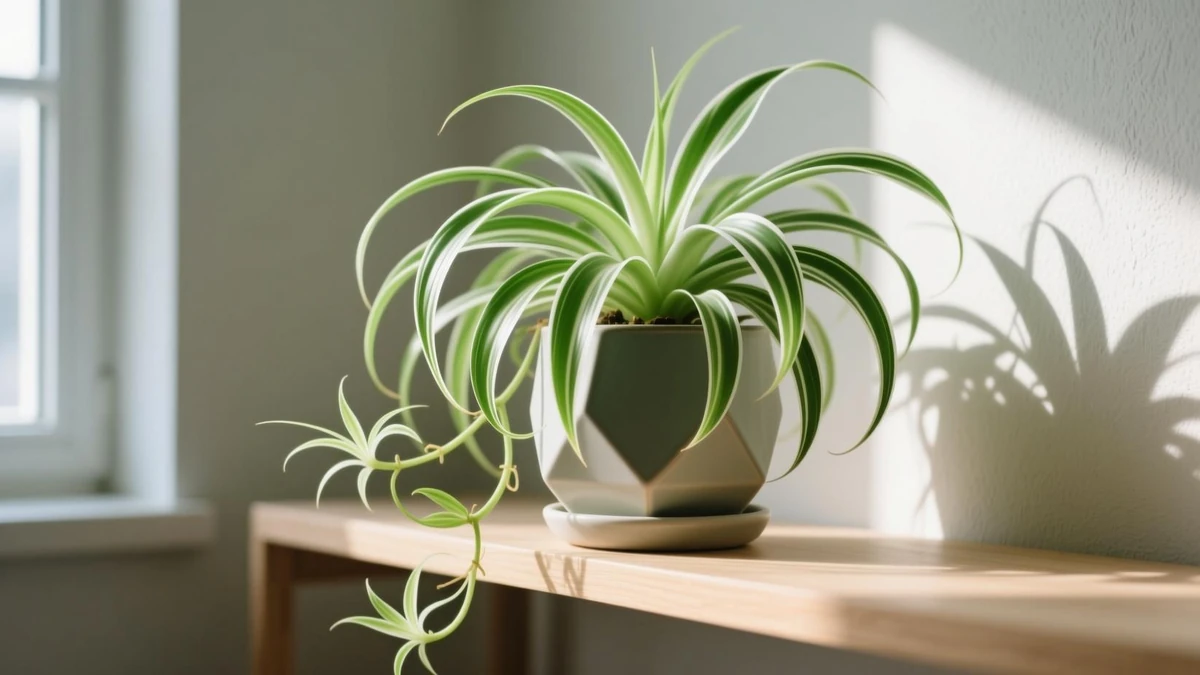
Spider Plant
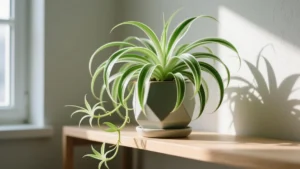
Spider plants are well known for their long arching leaves and beginner-friendly nature. They adapt well to different indoor conditions and produce small baby plants that can easily be propagated.
They’re a great option if you’re looking for a low-maintenance plant to complete a peaceful bedroom.
Why people like it
- Beginner friendly
- Fast growing
- Easy to propagate
- Attractive hanging leaves
Care Tips
| Requirement | Recommendation |
|---|---|
| Light | Bright indirect light |
| Water | About once a week |
| Difficulty | Easy |
| Pet Friendly | Generally considered non-toxic |
More Best Plants for Sleep
Choosing the right plant for your bedroom depends on your space, lighting conditions, and how much time you can spend caring for it. While some plants need regular attention, others can grow well with minimal care.
Here are more popular plants for sleep that may help create a relaxing and comfortable bedroom environment.
Areca Palm
Areca palm is a beautiful tropical plant that can add a fresh, natural feel to bedrooms. Its large green leaves create a relaxing atmosphere and work especially well in larger spaces.
Many people choose areca palm because of its attractive appearance and ability to add greenery without making a room feel crowded.
Why people like it
- Creates a tropical bedroom feel
- Adds natural decoration
- Suitable for larger rooms
- Easy to maintain with proper care
Care Tips
| Requirement | Recommendation |
|---|---|
| Light | Bright indirect light |
| Water | Keep soil slightly moist |
| Difficulty | Moderate |
| Pet Friendly | Generally considered safe |
English Ivy
English ivy is a popular indoor plant known for its trailing vines and decorative appearance. It can be placed in hanging baskets or on shelves to add a natural touch to your bedroom.
It prefers good airflow and regular care, making it a better choice for plant lovers who enjoy maintaining greenery.
Why people like it
- Beautiful hanging growth
- Works well in small spaces
- Adds visual calmness
- Creates a natural bedroom style
Care Tips
| Requirement | Recommendation |
|---|---|
| Light | Bright indirect light |
| Water | Keep soil moderately moist |
| Difficulty | Moderate |
| Pet Friendly | No |
Gardenia
Gardenia is known for its beautiful white flowers and sweet fragrance. Many people enjoy its scent as part of a relaxing evening routine.
However, gardenias require more care than beginner plants because they need proper humidity, sunlight, and watering.
Why people like it
- Beautiful scented flowers
- Elegant appearance
- Adds a calming atmosphere
- Great for experienced plant owners
Care Tips
| Requirement | Recommendation |
|---|---|
| Light | Bright indirect light |
| Water | Regular watering |
| Difficulty | Advanced |
| Pet Friendly | Generally safe |
Bamboo Palm
Bamboo palm is another attractive indoor plant that brings a natural look to bedrooms. Its tall, leafy growth makes it a good option for empty corners or larger rooms.
It is often selected by people who want a decorative plant that creates a peaceful indoor environment.
Why people like it
- Beautiful green leaves
- Good for room decoration
- Works well indoors
- Low to moderate maintenance
Care Tips
| Requirement | Recommendation |
|---|---|
| Light | Medium indirect light |
| Water | Keep soil slightly moist |
| Difficulty | Easy |
| Pet Friendly | Generally considered safe |
Chamomile
Chamomile is commonly known as a relaxing herbal plant. Many people associate it with calming nighttime routines, especially through herbal tea.
Growing chamomile indoors can be challenging because it needs plenty of sunlight, but it can be a rewarding choice for plant enthusiasts.
Why people like it
- Traditional calming herb
- Small attractive flowers
- Pleasant natural connection
- Useful for herb gardens
Care Tips
| Requirement | Recommendation |
|---|---|
| Light | Full sunlight |
| Water | Regular watering |
| Difficulty | Moderate |
| Pet Friendly | Check variety |
Comparison Table: Best Plants for Sleep
| Plant | Best Feature | Care Level | Best For |
|---|---|---|---|
| Snake Plant | Very low maintenance | Easy | Beginners |
| Lavender | Relaxing fragrance | Moderate | Sunny bedrooms |
| Peace Lily | Beautiful flowers | Easy | Indoor decoration |
| Aloe Vera | Requires little water | Easy | Small spaces |
| Jasmine | Sweet fragrance | Moderate | Bright rooms |
| Spider Plant | Easy growth | Easy | First-time plant owners |
| Areca Palm | Tropical appearance | Moderate | Larger bedrooms |
| English Ivy | Decorative vines | Moderate | Shelves and hanging pots |
| Gardenia | Fragrant flowers | Advanced | Experienced growers |
| Bamboo Palm | Natural room design | Easy | Bedroom corners |
How to Choose the Right Plant for Your Bedroom
The best bedroom plant is not always the most popular one. It should match your lifestyle, room conditions, and available care time.
Consider Your Lighting
Before buying a plant, check how much natural light your bedroom receives.
A dark room may work better with plants like snake plants, while sunny rooms can support plants like lavender or aloe vera.
Think About Maintenance
If you have a busy schedule, choose low-maintenance options. Snake plants, spider plants, and aloe vera are excellent choices because they do not require frequent attention.
Check Pet Safety
Some popular houseplants can be harmful to cats and dogs. If you have pets, always check whether a plant is safe before bringing it into your home.
Match the Plant Size With Your Space
Small bedrooms usually look better with compact plants placed on shelves or tables. Larger rooms may benefit from taller plants like bamboo palm or areca palm.
Common Mistakes When Keeping Bedroom Plants
Even the easiest plants can struggle if they are placed or cared for incorrectly.
Overwatering Plants
One of the most common mistakes is giving plants too much water. Many indoor plants suffer because their roots stay wet for too long.
Always check the soil before watering.
Choosing Plants Without Considering Light
A beautiful plant may not survive if it does not receive enough light. Understanding your bedroom conditions helps you choose the right option.
Keeping Too Many Plants
Adding greenery can improve the look of your room, but overcrowding can make maintenance difficult. A few healthy plants are usually better than many neglected ones.
Ignoring Plant Safety
Not every plant is suitable for homes with children or pets. Research the plant before purchase to avoid unnecessary risks.
Expert Tips for Creating a Sleep-Friendly Bedroom With Plants
- Keep plants clean by gently wiping leaves to remove dust.
- Avoid placing plants directly next to your pillow or sleeping area.
- Choose plants that make you feel relaxed and comfortable.
- Combine plants with other healthy sleep habits.
- Use natural light whenever possible.
- Select pots with proper drainage to prevent root problems.
Remember, plants should support your bedroom environment, not replace important sleep habits like a consistent bedtime, reduced screen exposure, and a comfortable sleeping space.
Are Bedroom Plants Really Worth Adding?
For many people, bedroom plants are a simple way to make their space feel more peaceful and connected to nature. They can improve the appearance of a room and create a relaxing atmosphere.
However, expectations should remain realistic. Plants alone will not solve serious sleep problems. Instead, they can become part of a complete wellness routine that supports better relaxation.
A small snake plant on a bedside table or a fragrant lavender plant near a sunny window may be enough to make your bedroom feel more enjoyable.
Frequently Asked Questions
What are the best plants for sleep?
Some popular plants for sleep include snake plant, lavender, jasmine, peace lily, aloe vera, and spider plant. They are commonly chosen because they create a calming bedroom environment and are easy to care for.
Do plants actually improve sleep quality?
Plants cannot guarantee better sleep, but they may help create a relaxing environment. Their appearance, fragrance, and connection with nature may support feelings of comfort and calm.
Is it safe to keep plants in the bedroom?
Yes, many indoor plants are safe for bedrooms. However, some plants may not be suitable for homes with pets or young children, so it is important to check each plant before buying.
Which bedroom plants are easiest to maintain?
Snake plants, spider plants, aloe vera, and peace lilies are among the easiest indoor plants for beginners because they require less frequent care.
How many plants should I keep in my bedroom?
There is no fixed number. A few healthy plants are usually enough to add beauty and create a relaxing atmosphere without making the space difficult to maintain.
Which plant is best for a dark bedroom?
Snake plants and some low-light indoor plants are better choices for bedrooms with limited sunlight. However, every plant still needs some level of light to grow properly.
Conclusion
Adding the right greenery to your bedroom can make your space feel calmer, fresher, and more inviting. While plants for sleep are not a replacement for healthy sleep habits, they can support a relaxing environment that helps you prepare for rest.
From easy-care options like snake plants and spider plants to fragrant choices like lavender and jasmine, many sleep-improving plants can match different lifestyles and bedroom styles.
At Peeacelily, we believe plants are more than decoration. They bring nature closer to your everyday life and help create spaces where you feel comfortable and connected.
Choose a plant that fits your room, care routine, and personal style. A little greenery may be the simple addition your bedroom needs.