This guide emphasizes the importance of choosing pet-safe plants for households with cats or dogs. It offers a solution for plant lovers who want to enjoy greenery without putting their pets at risk. The article highlights the best indoor plants that are safe for pets, providing beginner-friendly options that are easy to care for and non-toxic to animals. Pet owners can now enjoy both nature and peace of mind.
Introduction
Having nature in your house should not require an anxiety tag.
Let’s face it!
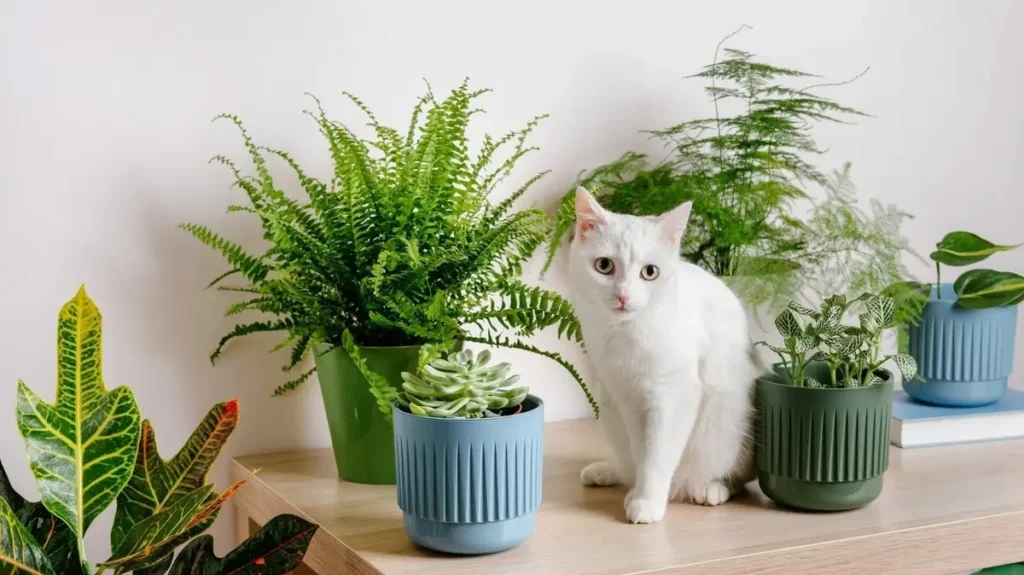
For a lot of us, our fur babies are family, and their safety is paramount. Pet safe plants are a wonderful option for decorators that love greenery but do not want their cats or dogs to be at risk. You are in the right place if you want to know about best indoor plants beginners can grow and keep alive.
Thanks to the latest data from the ASPCA and standards of plant safety, dozens of beautiful options exist that can grow in contemporary homes without fear of poisoning you or your pets.
Peeacelily is bringing a touch of beautiful & safe nature to every home. In this guide, we will demystify the toughest, cutest and most high-vibe plants that don’t immediately send you rushing off to the vet.
Whether you are an experienced gardener or looking for the best indoor plants beginners, we’ve covered our selection which ensures your home will be a haven now and forever.
Importance of Plant Pet Safe Plants
Approximately 70 percent of households are believed to have at least one pet. In this time of year, many of us bring home potted plants for decorative or other purposes, like Lilies, Sago Palms, and Azaleas, which are popular ones at homes, which can possibly be life-threatening when a curious-paw pet licks the leaves. Getting pet safe plants is not just a trend but it shows that you are being responsible in plant parenthood.
The most common indoor plants for beginners that we discuss tend to be “easy,” such as Pothos or Snake Plants.
But they are incredibly hardy but also mildly toxic to pets. The shift to really non-toxic species gives full Zen because you can invite these little innocents into your home and decorate with complete confidence when they nibble a leaf it will do neither of you a whit of harm.
Just like you learn about furniture, domesticating alien plants for art projects, at Peeacelily, we believe in education so that your indoor jungle can be a spoilee.
5 Best Pet Safe Houseplants
It is much easier to find out what is a good mixture between aesthetics and safety. Below, we present five of the most trustworthy pet friendly plants that can also constitute some of the best indoor plants beginners this year.
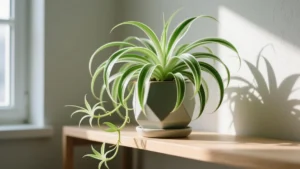
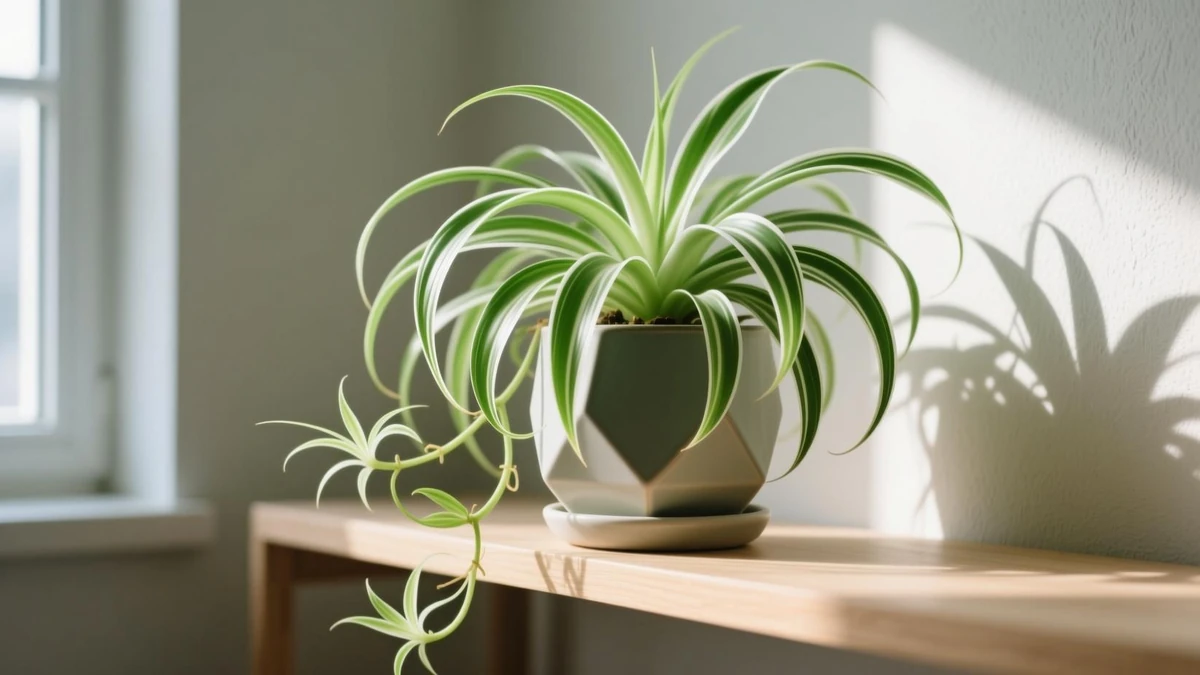
The Hardy Spider Plant (Chlorophytum comosum)
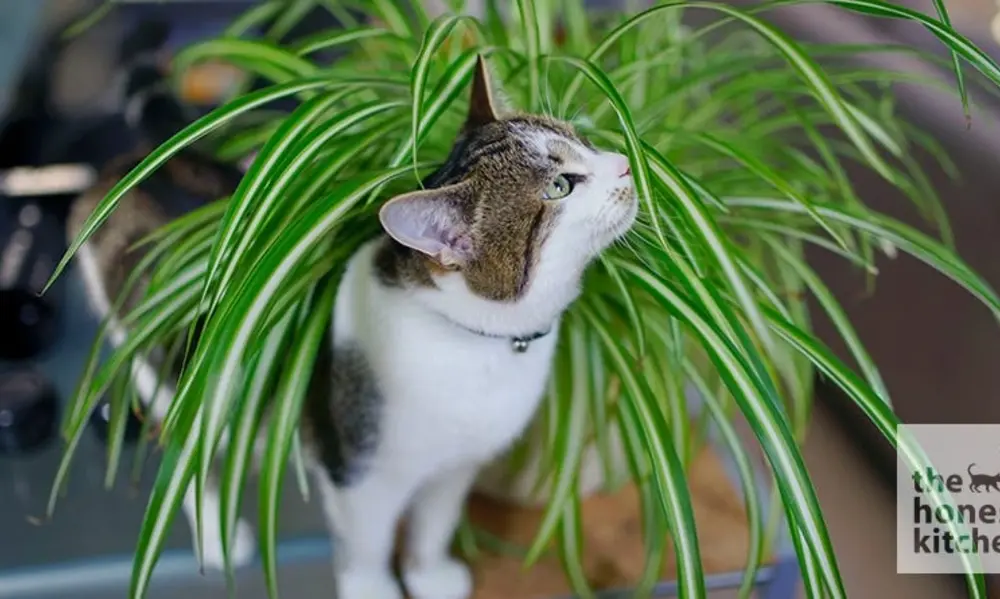
A very powerful air purifier and a plant safe for pets the Spider Plant. Its smooth arching green-and-white leaves make it very forgiving. It tolerates different levels of lighting and is touted as one of the best starter plants because it literally lets you know when it needs water by losing its leaf color.
Chamaedorea elegans (The Elegant Parlor Palm)
For a tropical feel with absolutely no chance of toxic side effects, meet the Parlor Palm. A slow-growing palm that thrives in lower light conditions, ideal for apartments! This is a certified pet friendly plant that gives height and dimension to any corner.
The Stunning Calathea Orbifolia
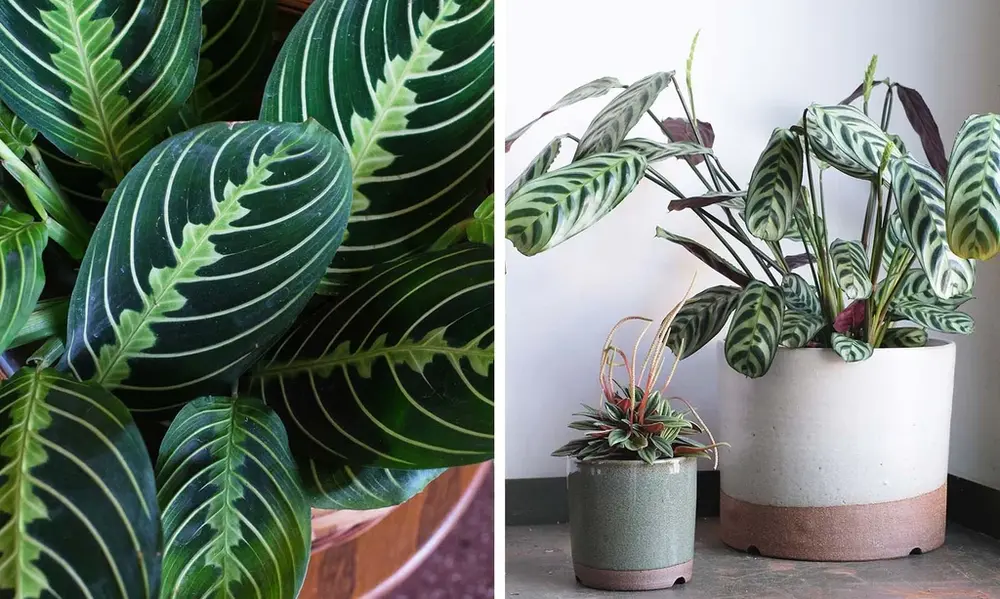
Calathea: If you’re a fan of patterns, you’ll love the foliage that the Calathea family has to offer, some of the most beautiful in the plant world!
Calatheas are a non-toxic plant, unlike many other tropicals. They do need some humidity but at Peeacelily they are because of their safety and aestheticism.
Nephrolepis exaltata (the Classic Boston Fern)
The Boston Fern is a great perennial hanging basket plant, its shaggy feathery fronds make it seem like a timeless addition.
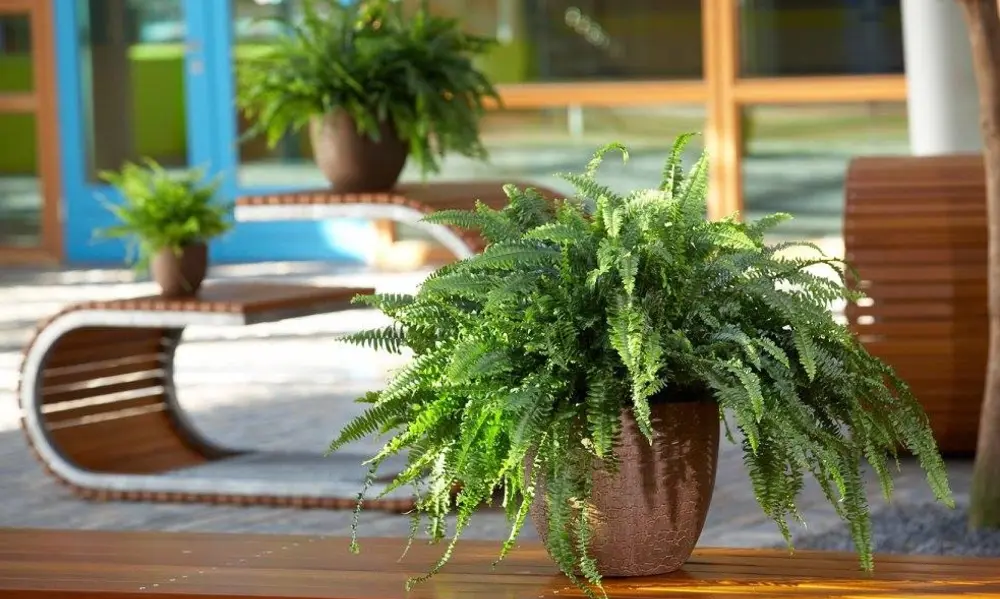
It loves moisture and indirect light, so it really is best for places like bathrooms or kitchens. It is still an extremely prominent pet safe plant that is effectively cat and dog friendly.
The Trendy African Violet (Saintpaulia)
Want a pop of color?
African Violets are compact, bloom often and have zero toxins at all. They are some of the best starter indoor plants to add a pop of color on your desk or windowsill without taking up too much real estate!
Quick Reference: Safety & Care Comparison
| Plant Name | Light Requirement | Watering Frequency | Pet Safety Level |
| Spider Plant | Bright Indirect | Once a week | 100% Safe |
| Parlor Palm | Low to Medium | Every 1-2 weeks | 100% Safe |
| Boston Fern | Medium Indirect | Keep moist | 100% Safe |
| Calathea | Medium Indirect | Keep moist | 100% Safe |
| Hoya (Wax Plant) | Bright Indirect | When dry | 100% Safe |
Care for Toxic Plants for Beginners
Getting started with pet safe plants is fun, but the devil is in the details. At Peeacelily, We only recommend 3 core things for light + water + environment.
- Knowing for your light: The majority of the warm house plant novices thrive in “brilliant diffuse light”. This often translates into the plant being placed in a well-lit room away from direct sunlight hitting the leaves (scorching to foliage).
- Test #2: You dip your finger for an inch below the soil line before watering. If it’s dry, water it. Wait a few days if it is still wet. The most common reason why plants die is overwatering.
- Humidity is King: Most non toxic plants and especially ferns and Calatheas are fond of moisture. Your plants can love each other or a small humidifier can help too.
Clean the Leaves: Dust can block sunlight. Wipe down your pet safe plants’ leaves with a damp rag every couple of weeks to allow them to “breathe” properly.
Why Peeacelily Recommends These Species
Peeacelily: Neighbors from Heaven have seen the joy of a healthy safe plant in your home. We target non-toxic and resilient species. Common common sense is that if a plant is safe for pets, it must be hard to grow.
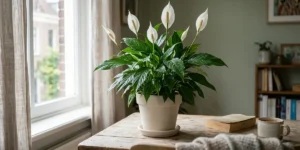
The best indoor plants for beginners usually have clear communication signals, like the wilt of a Peace Lily (though it is toxic, its non-toxic counterparts like the Cast Iron Plant are just as communicative. If you opt for pet safe plants, you will provide your curiosity and that of your pet with a view of coexisting in peace.
Non-Toxic Plant Pitfalls You Must Avoid
Even if you do buy pet safe plants, there are some points to note. Even a non-toxic plant is not necessarily something that your cat should eat right down to the roots. Swallowing large quantities of raw fibrous plant material still has potential to cause minor gastrointestinal upset or vomiting/diarrhea in pets.
If you see your pet is just brittle and obsessed about your plants, try putting the plants into hanging pots or high shelves. It can be helpful when you use some of the best indoor plants for newbies, such as Spider Plant with tendrils called “Puppies” that cats crave.
Instead, at Peeacelily, we recommended using some sort of deterrent, such as citrus peels placed in the soil, if your furry friend isn’t going to stay away from your plants.
Peeacelily: Making Aesthetic Safe
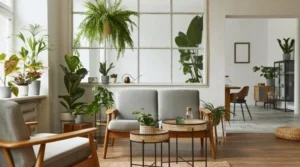
When designing a pet friendly home you do not have to give up your personal style. Height, texture and color all allow you to create a polished appearance. Use larger, pet safe plants like that big guy Areca Palm as floor pieces and arraneg smaller ones like Echeveria succulents on the tabletops.
We here at Peeacelily tell our community that the secret to a wonderful indoor garden is variety. Combine the feathery texture of a Boston Fern with the fat, smooth leaves of a Hoya. Both are great plants suitable for homes with pets, and both are regularly recommended as the best houseplants to create immediate ‘designer look’ in your lounge room!
Conclusion
Your green sanctuary should never be a gamble. So, you can enjoy all the mental health benefits from gardening and not worry about your pets as long as no pet safe plants are chosen. The best indoor plants for beginners can be learnt easily, with an abundance of options to choose from more hardy Spider Plant and Parlor Palm.
Please remember that a happy home is a home away from danger. Whether you’re buying your first plant or adding to the houseplant collection, Peeacelily will help you make animal-safe choices. Happy planting!