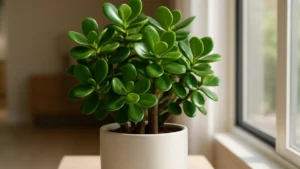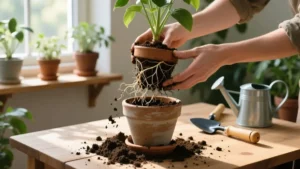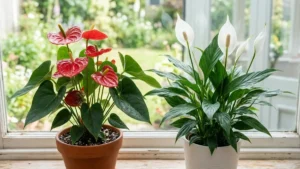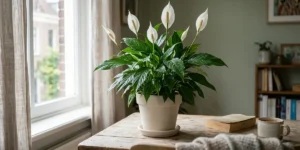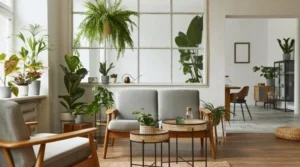
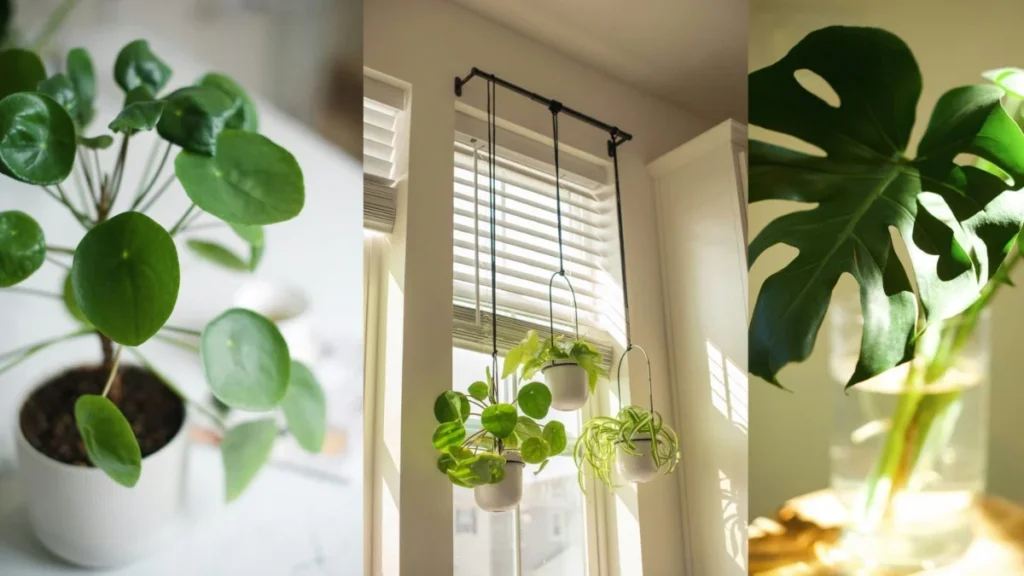
Luxury indoor plants instantly elevate modern interiors through architectural form and premium staging. This 2026 guide reveals the top 15 designer-approved houseplants, celebrity styling secrets, rare collector investments, and authentic Feng Shui placements to transform your living space into a high-end sanctuary.
Luxury indoor plants now dominate high-end interior design. Premium houseplants instantly elevate modern, minimalist, and luxury homes by adding organic structure to sharp architectural lines. This guide from PeeaceLily combines professional interior styling, horticultural expertise, and reality-based recommendations to help you choose the perfect luxury plant for your space.
Key Takeaways
-
Sophisticated staging matters just as much as a high price tag.
-
A well-placed plant highlights architectural features and elevates room flow.
-
Always match premium flora with the specific lighting and maintenance your room offers.
-
High-end ceramic, stone, or terracotta planters complete the upscale aesthetic.
What Makes Luxury Indoor Plants Look Premium?
Standard houseplants often look cluttered or chaotic. Luxury indoor plants act as living sculptures. Designers select specific specimens that command attention through deliberate form and scale rather than basic greenery.
Features That Create a Designer Look
-
Leaf texture: Deep ridges, matte finishes, or intense variegation.
-
Height: Clean, elongated trunks that draw the eye upward toward high ceilings.
-
Structure: Clean geometric shapes and architectural silhouettes.
-
Glossy foliage: Deep, rich tones that reflect ambient light naturally.
-
Statement appearance: A bold, singular presence that anchors an entire room.
Why Interior Designers Choose Luxury Indoor Plants
Designers use premium plants as focal points to soften hard surfaces like marble and steel. They treat plants as fine art pieces. A single specimen can balance a room, define a zone, or add a pop of rich color to a neutral palette.
Best Luxury Indoor Plants for Designer Homes
High-end spaces require specific plants that maintain their structural integrity over time. Here are the top selections used by elite designers to create editorial-worthy interiors.
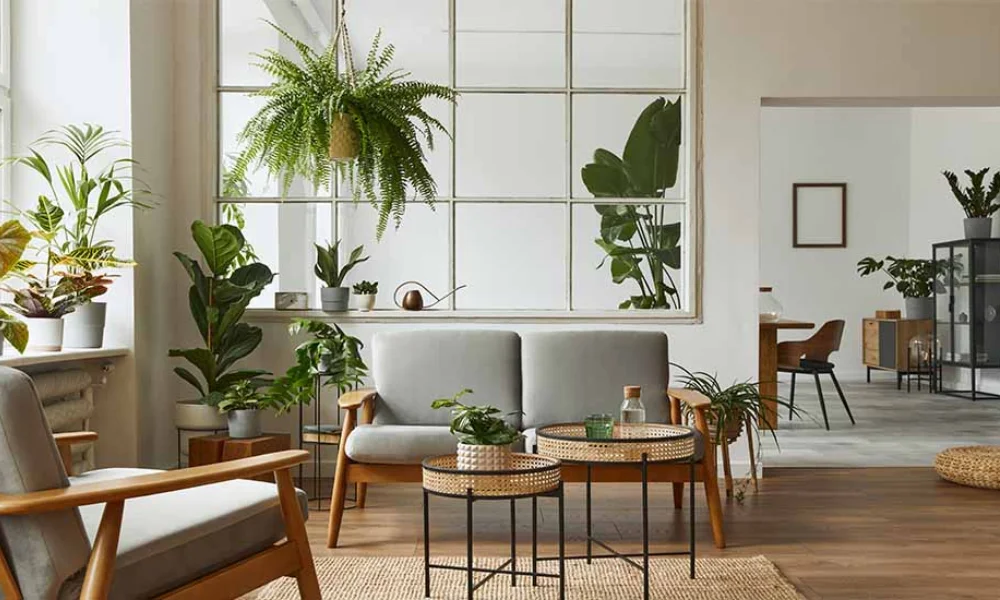
Fiddle Leaf Fig
-
Best room: Living room or grand entryway.
-
Light requirement: Bright, indirect sunlight.
-
Maintenance level: Moderate.
-
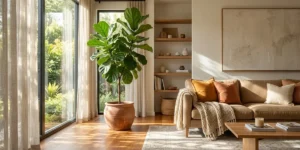
Luxury styling tip: Place it in a massive, matte-white concrete pot to contrast its large, violin-shaped leaves.
Monstera Deliciosa
-
Best room: Sunlit dining area or studio.
-
Light requirement: Medium to bright indirect light.
-
Maintenance level: Low to medium.
-
Luxury styling tip: Use a sturdy moss pole to train the split leaves upward for a clean, vertical profile.
Bird of Paradise
-
Best room: High-ceilinged great rooms.
-
Light requirement: Bright direct to indirect light.
-
Maintenance level: Medium.
-
Luxury styling tip: Position this plant near large glass windows where its dramatic, paddle-like leaves can catch the afternoon sun.
Kentia Palm
-
Best room: Formal study or master bedroom.
-
Light requirement: Low to bright indirect light.
-
Maintenance level: Low.
-
Luxury styling tip: House it in a sleek metallic or dark stoneware pot to emphasize its elegant, sweeping fronds.
Olive Tree
-
Best room: Minimalist kitchen or open-plan living space.
-
Light requirement: Full, direct sunlight.
-
Maintenance level: High.
-
Luxury styling tip: Set it inside a vintage, weathered terracotta urn to lean into a timeless Mediterranean aesthetic.
Rubber Plant
-
Best room: Home office or media room.
-
Light requirement: Medium indirect light.
-
Maintenance level: Low.
-
Luxury styling tip: Wipe the dark, burgundy leaves weekly so they maintain a glossy, leather-like shine against light walls.
Orchid
-
Best room: Guest bathroom or console table.
-
Light requirement: Bright, filtered light.
-
Maintenance level: Medium.
-
Luxury styling tip: Mass three to five white Phalaenopsis orchids together in a low, wide marble bowl for a hotel-lobby look.
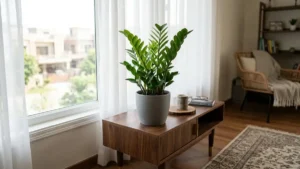
Raven ZZ Plant
-
Best room: Low-light hallways or bedrooms.
-
Light requirement: Low to medium indirect light.
-
Maintenance level: Extremely low.
-
Luxury styling tip: Pair its near-black foliage with raw brass or gold-toned planters to create a striking contrast.
Alocasia Black Velvet
-
Best room: Dressing room or reading nook.
-
Light requirement: Bright indirect light.
-
Maintenance level: Moderate to high.
-
Luxury styling tip: Elevate this smaller plant on a pedestal or side table so guests can appreciate the dark, velvety leaf texture.
Philodendron Pink Princess
-
Best room: Creative workspace or modern lounge.
-
Light requirement: Bright indirect light to keep variegation.
-
Maintenance level: Medium.
-
Luxury styling tip: Keep the surrounding decor strictly neutral to let the bubblegum-pink patches on the leaves stand out.
Best Luxury Indoor Plants Comparison
| Plant | Luxury Appeal | Light Needs | Maintenance | Best Room | Beginner Friendly |
| Fiddle Leaf Fig | Architectural canopy | Bright, indirect | Moderate | Living Room | No |
| Monstera Deliciosa | Tropical statement | Medium to bright | Low to medium | Dining Area | Yes |
| Bird of Paradise | Dramatic height | Bright, direct | Medium | High-Ceiling Rooms | Yes |
| Kentia Palm | Classy, airy fronds | Low to bright | Low | Master Bedroom | Yes |
| Olive Tree | Rustic, muted tones | Full, direct | High | Kitchen / Lounge | No |
| Rubber Plant | Shiny, dark leather look | Medium, indirect | Low | Home Office | Yes |
| Orchid | Delicate, clean symmetry | Bright, filtered | Medium | Entry Console | No |
| Raven ZZ Plant | Exotic dark foliage | Low to medium | Extremely low | Hallway / Bedroom | Yes |
| Alocasia Black Velvet | Rich velvet texture | Bright, indirect | Moderate to high | Reading Nook | No |
| Philodendron Pink Princess | Rare pink variegation | Bright, indirect | Medium | Creative Studio | No |
Expensive Indoor Plants Worth Buying for Collectors
True plant collectors look past standard nursery stock to find rare mutations and slow-growing species. These expensive indoor plants represent true status symbols in the horticultural world.
- The Monstera Albo remains highly coveted due to its stark white blocks of variegation, which happen by sheer genetic chance.
- The Philodendron Spiritus Sancti, with its ultra-long, hanging pendant leaves, commands thousands of dollars because it is incredibly scarce.
- For deep texture, the Anthurium Crystallinum offers dark green, velvety leaves laced with glittering, crystal-like veins. Other highly sought-after varieties include variegated Philodendrons like the Whipple Way or Caramel Marble.
These plants cost more because they grow slowly and are hard to propagate. Regular luxury plants rely on size and styling for impact, but these rare varieties derive value from pure genetic scarcity. They are absolutely worth the investment if you can provide stable, greenhouse-like humidity.
Luxury Indoor Plants Inspired by Celebrity Home Decor Plants
Step inside any Hollywood mansion and you will see that high-end designers rely heavily on celebrity home decor plants to anchor their spaces. They avoid small, cluttered pots. Instead, they use oversized statement plants to create an immediate sense of scale.
Celebrities often display massive, sculptural trees like mature Olive trees in their open-concept kitchens, or tall Kentia palms to soften minimalist living spaces. They also use the broad, glossy leaves of the Bird of Paradise and Monstera Deliciosa to bring life to neutral backdrops. The real secret lies in layering this greenery at different heights and setting them inside custom, premium ceramic or stone planters that match the home’s architecture perfectly.
Luxury Indoor Plants for Feng Shui and Positive Energy
Integrating authentic feng shui plants into your design plan balances the energy of a room while maintaining a sophisticated look.
Best Feng Shui Plants for Wealth
-
Money Tree: Features a braided trunk that traps prosperity. Place it in the southeast corner of your home office.
-
Lucky Bamboo: Represents wood and water elements. Use a minimalist glass vase with clean stones in your wealth sector.
Best Feng Shui Plants for Harmony
-
Peace Lily: Purifies the air and calms down negative energy. It works perfectly in open living areas or dining rooms.
-
Rubber Plant: Its round, thick leaves signify abundance and smooth out harsh corners in entryways.
How to Style Luxury Indoor Plants Like an Interior Designer
Styling aesthetic indoor plants requires an eye for balance, texture, and scale. Designers use the rule of threes, grouping plants in odd numbers while mixing heights to keep the eye moving.
Always match your planters to your existing high-end furniture. Use matte black, raw concrete, or hand-fired ceramics instead of glossy plastic. Empty, awkward corners turn into luxury corners when you drop in a tall, structural tree. Frame your main entryways with symmetrical greenery, use medium statement plants in the living room, and stick to calming, air-purifying options in the bedroom.
Luxury Indoor Plant Styling by Room
| Room | Recommended Plant | Pot Style | Lighting | Luxury Effect |
| Entryway | Kentia Palm | Tall, fluted ceramic | Low to medium | Grand, welcoming first impression |
| Living Room | Fiddle Leaf Fig | Raw concrete or stone | Bright, indirect | Dramatic focal point that anchors seating |
| Dining Room | Bird of Paradise | Matte charcoal clay | Bright, direct | Expansive, resort-style ambiance |
| Kitchen | Olive Tree | Antique terracotta | Full sun | Warm, organic European aesthetic |
| Bedroom | Rubber Plant | Minimalist matte white | Medium, indirect | Clean, grounding structure |
| Home Office | Raven ZZ Plant | Brushed brass cylinder | Low to medium | Moody, sophisticated, and low stress |
Mistakes That Make Luxury Indoor Plants Look Cheap
-
Leaving plants in plastic nursery pots: This instantly ruins the high-end illusion.
-
Overcrowding too many small plants: This looks cluttered rather than intentional.
-
Ignoring light requirements: A leggy, dying plant never looks expensive.
-
Allowing dust to accumulate on leaves: Dusty leaves block light and look dull.
-
Choosing the wrong scale: Putting a tiny plant in a massive room makes it look lost.
-
Using cheap plastic trays: Upgrade to matching ceramic or stone saucers instead.
How to Care for Luxury Indoor Plants Without Losing Their Premium Look
- Lighting: Place your plants based on actual light levels, not just where they look good. Rotate the pots a quarter turn every two weeks so they grow straight and even.
- Watering: Never water on a rigid calendar schedule. Push your finger two inches into the soil. If it feels dry, water thoroughly until it drains out the bottom.
- Humidity: Many luxury varieties come from tropical climates. Group your plants together, run a sleek humidifier nearby, or use pebble trays to keep leaves from developing brown, crispy edges.
- Cleaning Leaves: Wipe down your large leaves once a month using a soft, damp microfiber cloth. This removes dust, keeps the foliage glossy, and lets the plant breathe properly.
- Fertilizing: Feed your plants with a high-quality organic liquid fertilizer during the spring and summer. This supports strong, structural growth and vibrant colors.
Conclusion
The right luxury indoor plants can completely transform your home’s interior architecture. True luxury comes from selecting the right species, choosing premium pots, and giving them proper care, not simply spending the most money. Explore more premium houseplant guides, styling inspiration, and expert care resources on PeeaceLily to elevate your space today.
Frequently Asked Questions
What are the best luxury indoor plants for beginners?
The Kentia Palm and the Raven ZZ Plant are ideal. They offer stunning architectural structure and hold up beautifully even if you skip a watering.
Are expensive indoor plants easier to care for?
No. Expensive variegated plants usually need more precise light, higher humidity, and strict watering routines than standard green houseplants to keep their unique colors.
Which luxury indoor plants grow well in low light?
The Kentia Palm and the Raven ZZ Plant thrive in lower light. They maintain their deep colors and elegant shapes without direct sun.
Which feng shui plants are best for luxury homes?
The braided Money Tree and the Rubber Plant offer the cleanest aesthetic. They bring excellent wealth energy while fitting seamlessly into high-end decor.
What pots make luxury indoor plants look more expensive?
Choose heavy, matte-finished materials like concrete, unglazed ceramic, raw stone, or aged terracotta. Avoid shiny plastic pots or overly bright patterns.