Thanksgiving decorations look lovely when everything is freshly arranged, but the real test comes when the cooking starts, guests arrive, and the dining table fills up with food. Your centerpiece needs to look good without getting in the way.
That’s where plants can make a difference. Garden mums, crotons, ornamental peppers, and the colourful Thanksgiving cactus bring natural autumn shades into your home. Add a few dried branches or mini pumpkins, and you can create a festive display without relying on decorations that get thrown away the next morning.
This guide covers which plants to choose, how to arrange them around the table, and what to do with them once the holiday is over.
Key Takeaways
- Garden mums, crotons, and ornamental peppers bring warm autumn colours into Thanksgiving decor.
- Keep table arrangements low and narrow so guests can see each other and pass dishes easily.
- Use a tray to make the centerpiece easier to move when the table needs more space.
- Keep candles and hot serving dishes away from plants and dried decorations.
- Learn the difference between Thanksgiving and Christmas cactus by looking at their stem edges.
- Give living plants suitable care after the holiday so they can continue growing.
- Check plant safety before decorating if children or pets are in the home.
AI Overview: What plants are best for Thanksgiving decor?
Garden mums, crotons, ornamental peppers, and Thanksgiving cactus are popular choices for Thanksgiving plant decor. Their warm colours work well with autumn arrangements, pumpkins, and natural accents. For a practical centerpiece, use low-growing plants on a tray, keep decorations away from candles and hot dishes, and move the plants to a suitable spot after the meal.
Best plants for Thanksgiving decor
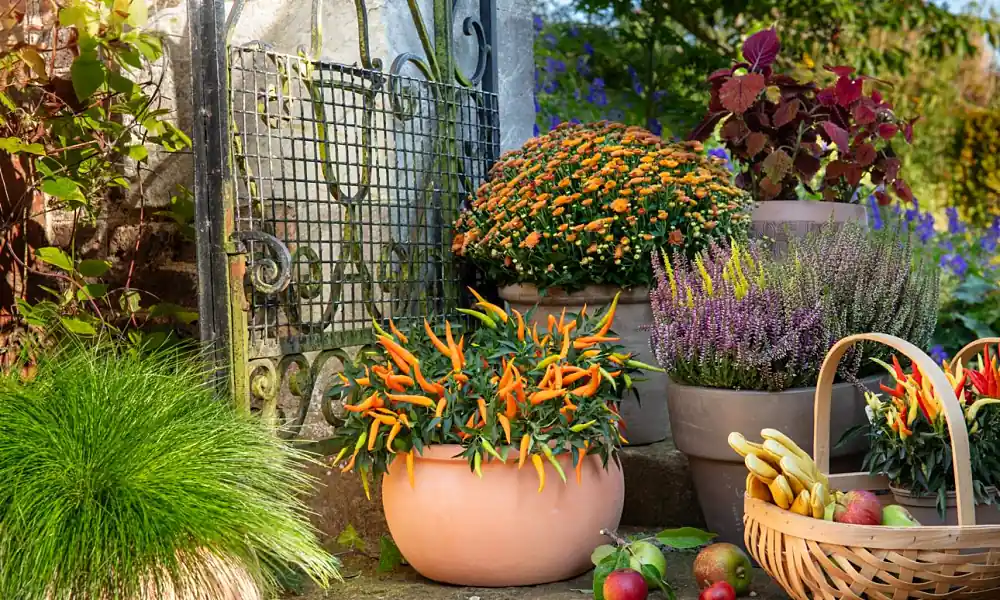
The easiest way to create a Thanksgiving look is to choose plants that already have the colours of autumn. Think deep green, rust, orange, bronze, and burgundy. You won’t need many extra decorations when the plants themselves provide so much colour.
Here are a few good options.
Garden mums
Garden mums are a classic autumn choice. You’ll often find them in shades of bronze, rust, yellow, and burgundy, making them easy to match with traditional Thanksgiving decorations.
They generally last longer in cooler rooms, so try to keep them away from radiators, ovens, and other warm spots. Remove faded flowers as they appear to keep the display looking tidy.
Crotons
Crotons are known for their colourful leaves, which can include shades of yellow, orange, red, and green. They add a fuller, more permanent look to a display than cut flowers.
After Thanksgiving, you can move a healthy croton to a bright indoor spot and continue growing it as a houseplant. Keep it away from cold drafts and give it the light it needs.
Ornamental peppers
Ornamental pepper plants have small, colourful fruits that make them stand out in autumn arrangements. Their compact size also makes them useful for side tables, shelves, and smaller displays.
Treat them as decorative plants unless the label confirms that the variety is suitable for eating. Keep the fruits away from young children and pets who might try to taste them.
Thanksgiving cactus
The Thanksgiving cactus is a particularly fitting choice because it often flowers around November. Its colourful blooms make it a natural addition to a holiday display, and with suitable care, the plant can return year after year.
It also gives you a chance to add a flowering plant that doesn’t have to disappear once the decorations come down.
Dried flowers and natural accents
Not every part of your arrangement needs to be a living plant. Dried grasses, wheat sheaves, and preserved branches add height and texture without needing water.
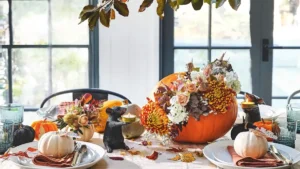
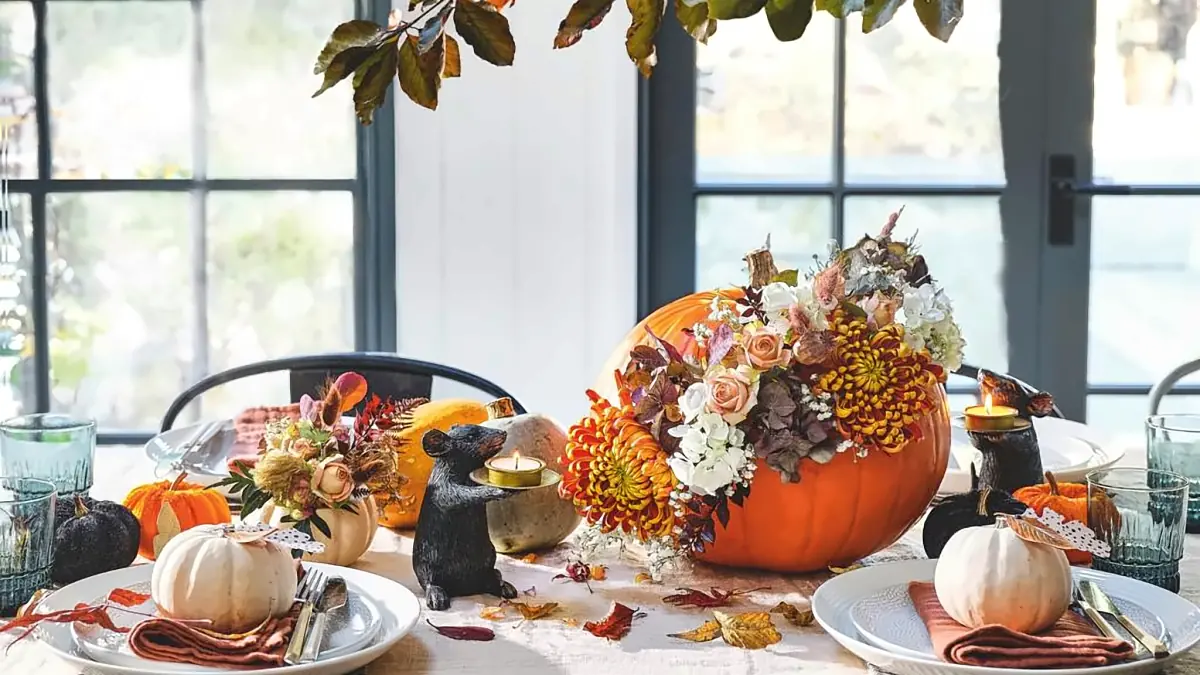
Mini pumpkins can also work as decorative containers. Place a small nursery pot inside a hollowed pumpkin to create a harvest-inspired display without planting directly into it.
How to build a Thanksgiving centerpiece that works during dinner
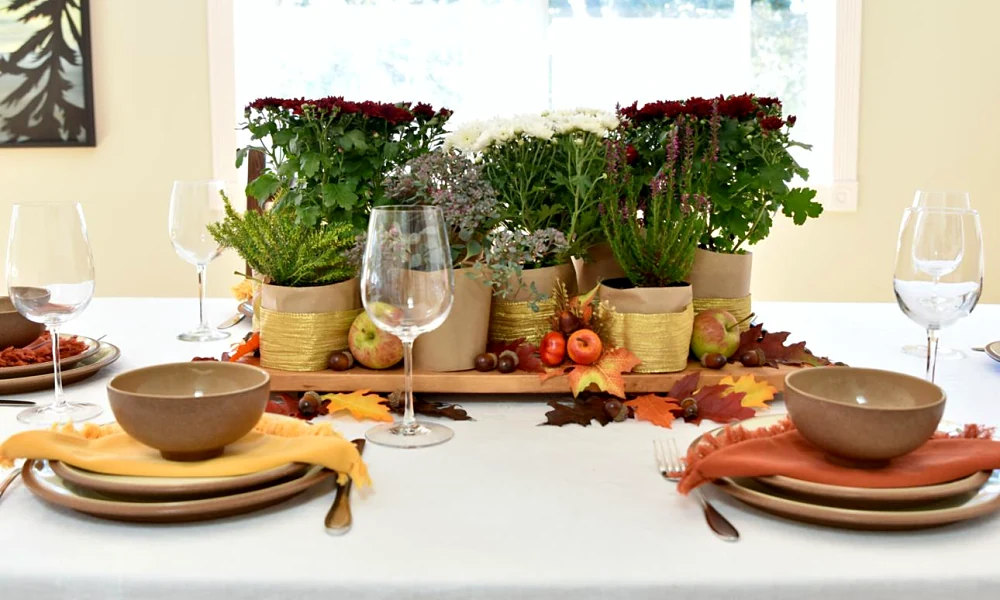
A centerpiece should make the table look inviting, not make dinner harder. It’s easy to get carried away with flowers, pumpkins, and decorations, but a crowded table quickly becomes inconvenient when everyone needs room for plates and serving dishes.
A few simple rules help:
Keep it low. Choose plants and arrangements that sit below seated eye level. Guests should be able to talk across the table without leaning around the decorations.
Leave room for serving dishes. Keep the arrangement narrow and avoid spreading decorations across the entire table.
Use a tray. Placing the centerpiece on a sturdy tray makes it easier to move in one go when you need extra space.
Think about heat. Keep living plants away from hot serving dishes, ovens, and other heat sources. High temperatures can cause flowers and leaves to wilt.
Be careful with candles. Keep open flames well away from leaves, dried flowers, wheat, and branches. Never leave burning candles unattended. Battery-operated candles are a practical alternative if you want the same warm effect without an open flame.
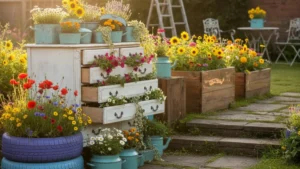
If you want to change the look of your arrangement without buying new containers, these creative planter ideas can help you make use of pots and other items you already have.
Thanksgiving cactus vs. Christmas cactus: How to tell them apart
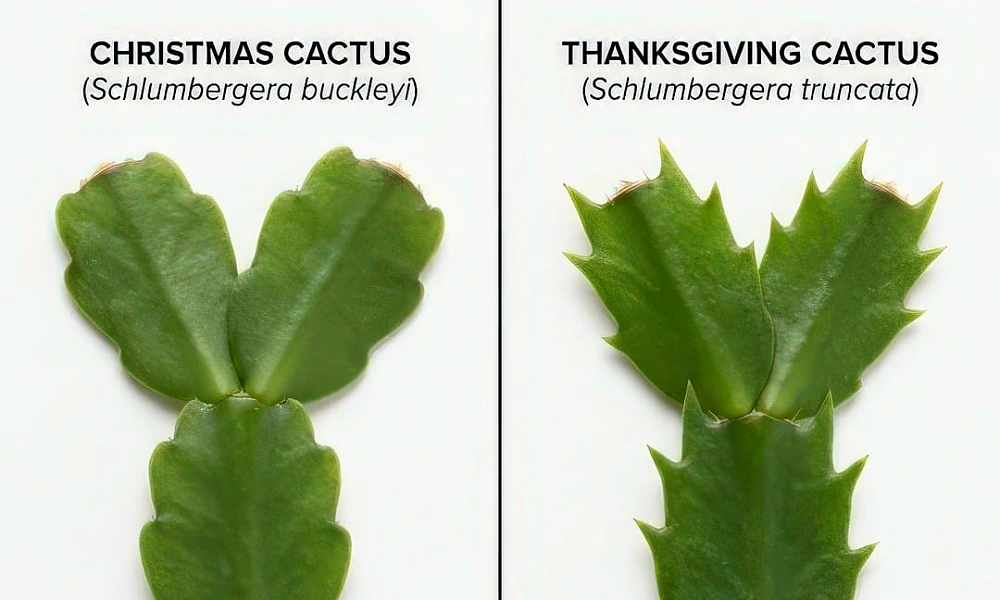
These two holiday plants are easy to confuse, especially when garden centres sell them around the same time. The good news is that you can usually tell them apart by looking closely at the edges of their flattened stems.
According to Iowa State University Extension:
- Thanksgiving cactus: Has pointed, claw-like projections along the edges of its flattened stems.
- Christmas cactus: Has smoother, scalloped edges with rounded, teardrop-like shapes.
- Easter cactus: Has much rounder stem edges.
Their flowering seasons also help explain their names. Thanksgiving cactus generally flowers around November, while Christmas cactus tends to flower later.
All three are short-day plants. Longer periods of darkness and suitable cool temperatures help them form flower buds. During the holiday season, give your Thanksgiving cactus bright, indirect light and water when the top inch of potting mix feels dry.
A few buds may drop after the plant is moved home from the shop. That doesn’t necessarily mean something is wrong; changes in conditions and transport can stress the plant.
For more detail, read Iowa State Extension’s holiday cactus guide.
Warm colours and natural Thanksgiving accents
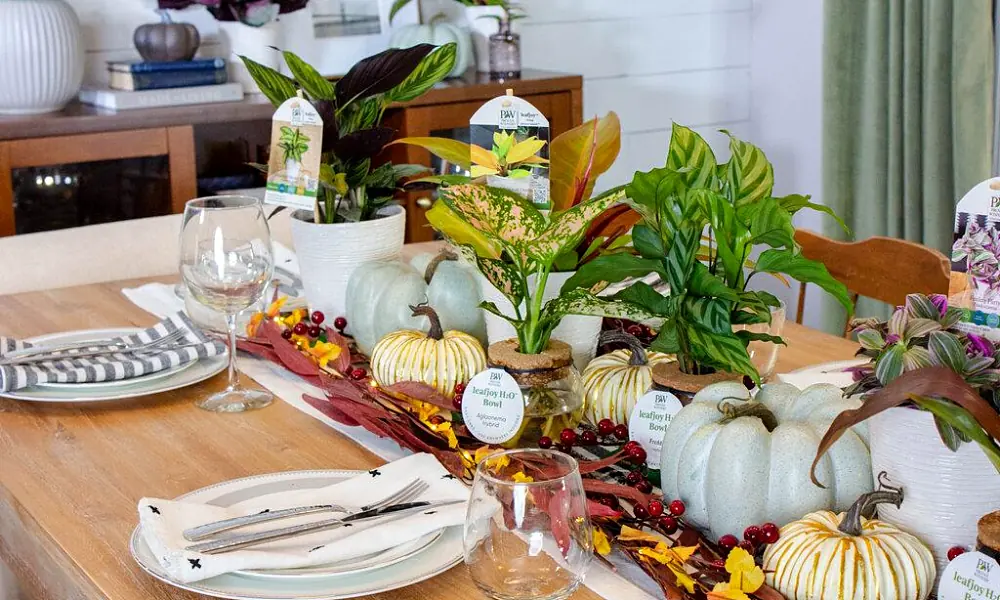
You don’t need to create a complicated colour scheme for Thanksgiving. The plants themselves already bring many of the shades associated with the season.
Try combining:
- Rust and bronze: Use garden mums or warm-toned decorative pots.
- Deep green and burgundy: Let croton leaves provide the colour.
- Orange and red: Add ornamental peppers or small pumpkins.
- Natural textures: Use dried grasses, branches, wheat, or a simple burlap runner.
- Warm metallic details: A little brass or copper can complement the autumn colours.
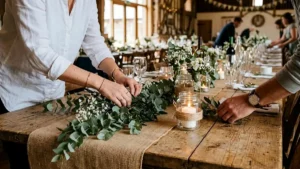
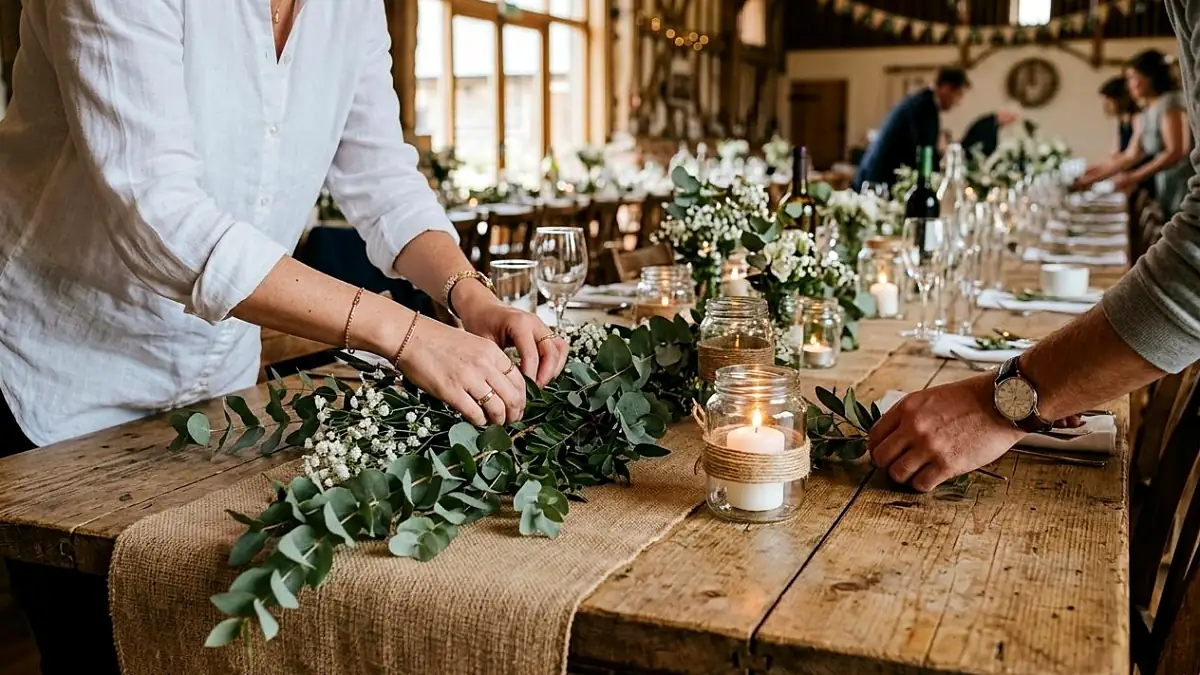
For a long dining table, a greenery garland can work well as a base. Just keep it low and make sure it doesn’t interfere with serving dishes or candles. A few pumpkins or small plant pots placed along the garland can complete the look without making the table feel overloaded.
What to do with your plants after Thanksgiving
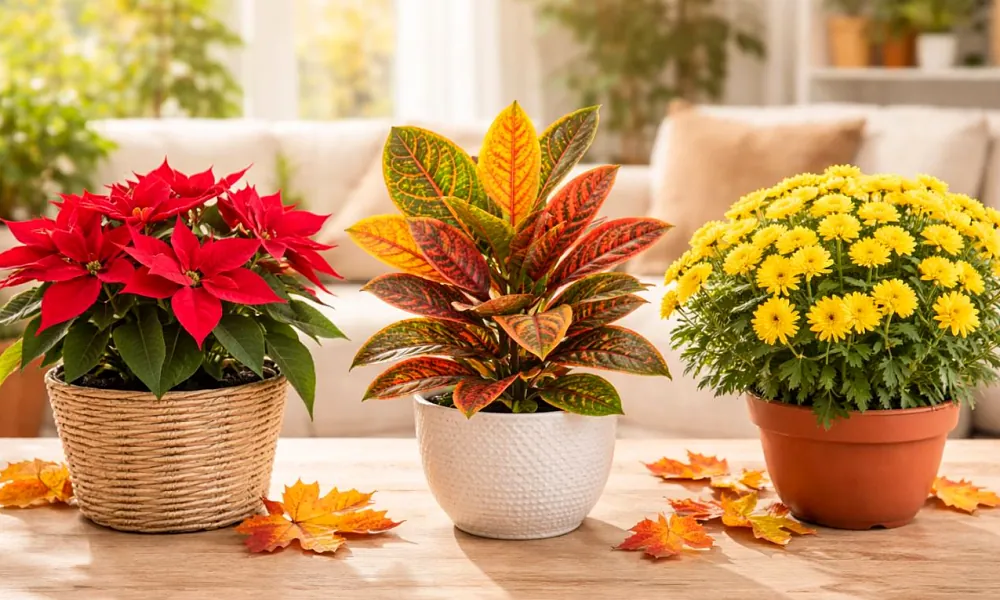
Once the meal is over, you don’t have to throw away every part of your display. Some plants can continue growing indoors, while others may be better suited to outdoor planting or composting.
Garden mums
Move healthy mums to a bright, cool location and continue watering as needed. Their flowers may last for weeks under suitable conditions.
Some hardy garden varieties can be planted outdoors in mild climates, but florist mums don’t always establish successfully in the garden. Check the variety and your local growing conditions before planting them outside.
Crotons
Crotons can become permanent houseplants after the holiday. Place them in a bright spot with suitable warmth, and avoid exposing them to cold drafts.
Don’t suddenly move them into harsh direct sunlight if they’ve been kept indoors in gentler light.
Ornamental peppers
Keep ornamental peppers in a bright location and follow the care instructions on their label. Remember that they’re primarily decorative unless the variety is specifically identified as edible.
Thanksgiving cactus
This is one of the easiest plants to keep after the holiday. Once flowering finishes, continue giving it suitable light and water. With the right conditions, it can become part of your regular houseplant collection and flower again in a future season.
Dried decorations
Let dried branches and grasses remain completely dry before storing them. Place reusable pieces in a labelled storage box so you can bring them out again for winter decorating.
Anything that’s no longer in good condition can be composted if suitable. Reusing healthy plants and decorations is an easy way to get more value from your seasonal display.
For more ideas on making your home greener and reusing everyday materials, explore our green living ideas.
Frequently asked questions
1. What plants are best for Thanksgiving decorations?
Garden mums, crotons, ornamental peppers, and Thanksgiving cactus are all good choices. They bring autumn colours into the home and can be used in table arrangements, entryway displays, or small decorative corners.
2. How do you keep a Thanksgiving centerpiece from getting in the way?
Keep the arrangement low and narrow, and place it on a tray so you can move it easily. Leave enough room for plates and serving dishes, and avoid placing tall decorations where they block people’s view across the table.
3. How can I make Thanksgiving plant decor last longer?
Choose healthy plants, keep them away from excessive heat, and water according to their needs. Cooler rooms can help garden mums last longer. After the holiday, move plants to locations that suit their individual light and temperature requirements.
4. What is the difference between Thanksgiving cactus and Christmas cactus?
The easiest way to tell them apart is by their stem edges. Thanksgiving cactus has pointed, claw-like projections, while Christmas cactus has smoother, scalloped edges. Their usual flowering periods also differ.
5. Will a Thanksgiving cactus bloom again next year?
Yes, it can. With suitable care and the right seasonal conditions, a Thanksgiving cactus can flower again. Long nights and cool conditions help it form buds, so avoid exposing it to excessive artificial light at night during the bud-setting period.
6. How do you keep mums looking good after Thanksgiving?
Keep them in a bright, cool location, water the soil when needed, and remove faded flowers. Avoid placing them near radiators or hot kitchen areas, as excessive heat can shorten their flowering display.
7. Are ornamental peppers safe to eat?
Not all ornamental peppers are intended for eating. Some varieties are grown mainly for their appearance, and their flavour and heat can vary. Treat them as decorative plants unless the plant label specifically confirms that the variety is edible.
8. Can Thanksgiving decorations be reused after the holiday?
Absolutely. Dried branches, grasses, decorative pots, trays, and many other accessories can be stored and used again. Healthy living plants can also continue growing indoors or outdoors, depending on the plant and local conditions.
Final thoughts About Thanksgiving Plant Decor
Thanksgiving plant decor should make your home feel welcoming without creating extra work during the holiday. A few colourful plants, some natural accents, and a centerpiece that leaves room for dinner are all you really need.
The best part is what happens afterward. Instead of throwing everything away, you can keep healthy plants growing, store reusable decorations, and carry some of that autumn colour into the next season.