A bedroom should feel calm, comfortable, and easy to breathe in. Adding a few well-chosen plants can make the space feel more natural while bringing color and life into an otherwise quiet room. Some plants are also linked with pleasant scents or relaxing surroundings, which can make your bedroom feel more peaceful at night.
But there is one important point to clear up first: bedroom plants are not a replacement for ventilation, clean bedding, or proper indoor-air control. Research has found that plants can remove certain pollutants under controlled conditions, but the effect in normal homes is much smaller than many online claims suggest. The U.S. Environmental Protection Agency says adequate ventilation and source control are much more important for improving indoor air quality.
With that in mind, here are some of the best bedroom plants for sleep, relaxation, appearance, and everyday indoor living.
Key Takeaways
- Lavender and jasmine are good choices when fragrance and a relaxing atmosphere are your main goals.
- Snake plant and aloe vera are popular low-maintenance bedroom plants.
- Peace lily and spider plant can add lush greenery and work well in many indoor spaces.
- Plants should not be treated as powerful air purifiers. Good ventilation remains more important.
- Avoid overwatering because constantly damp soil can encourage unwanted microorganisms.
- If you have pets, check plant safety before bringing one into your bedroom.
1. Lavender
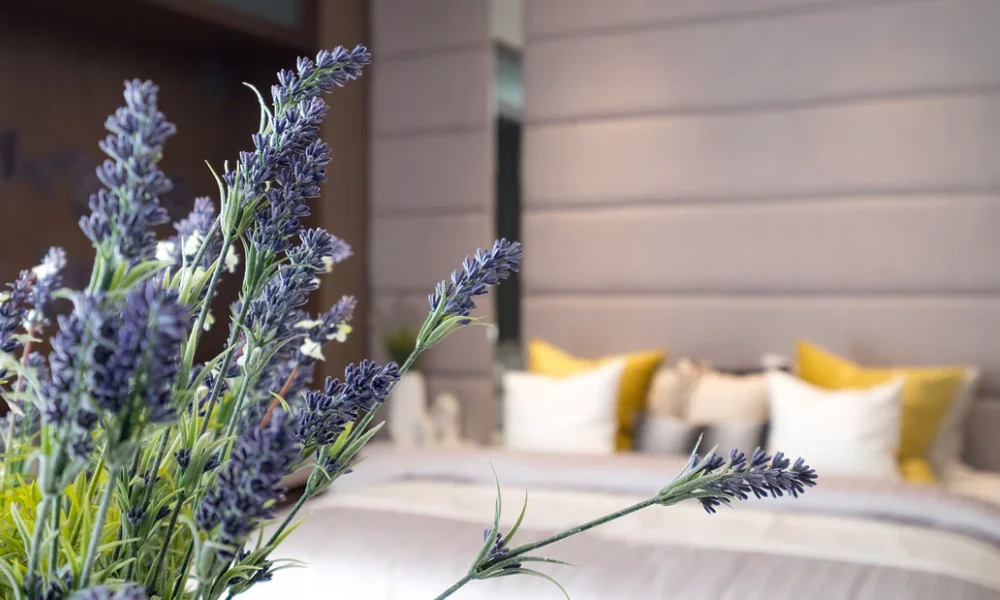
Lavender is one of the most recognizable plants associated with relaxation. Its soft purple flowers and familiar scent can give a bedroom a peaceful feel, especially when the plant is placed somewhere with plenty of light.
Research on scent and sleep is still developing, but lavender is commonly included among aromas associated with relaxation. The Sleep Foundation notes that certain scents, including lavender, chamomile, and jasmine, have been associated with improved sleep quality or reduced anxiety.
Lavender does best with bright light and well-draining soil. Avoid keeping its roots constantly wet. If your bedroom has a sunny windowsill, lavender can be a beautiful choice.
Why choose lavender?
- Pleasant natural fragrance
- Attractive flowers
- Helps create a relaxing bedroom atmosphere
- Works well in bright bedrooms
2. Jasmine

Jasmine can turn a bedroom into a much more inviting space with its sweet fragrance and delicate flowers. Its scent is especially interesting for people who enjoy naturally fragrant plants.
The Sleep Foundation reports that a study involving jasmine essential-oil scent during sleep found improved sleep efficiency. However, this does not mean that having a jasmine plant beside your bed will automatically improve your sleep. The evidence concerns scent exposure, and more research is needed to understand the effect of the living plant itself.
Jasmine generally prefers good light, so place it close to a bright window and give it appropriate support if it is a climbing variety.
3. Snake Plant
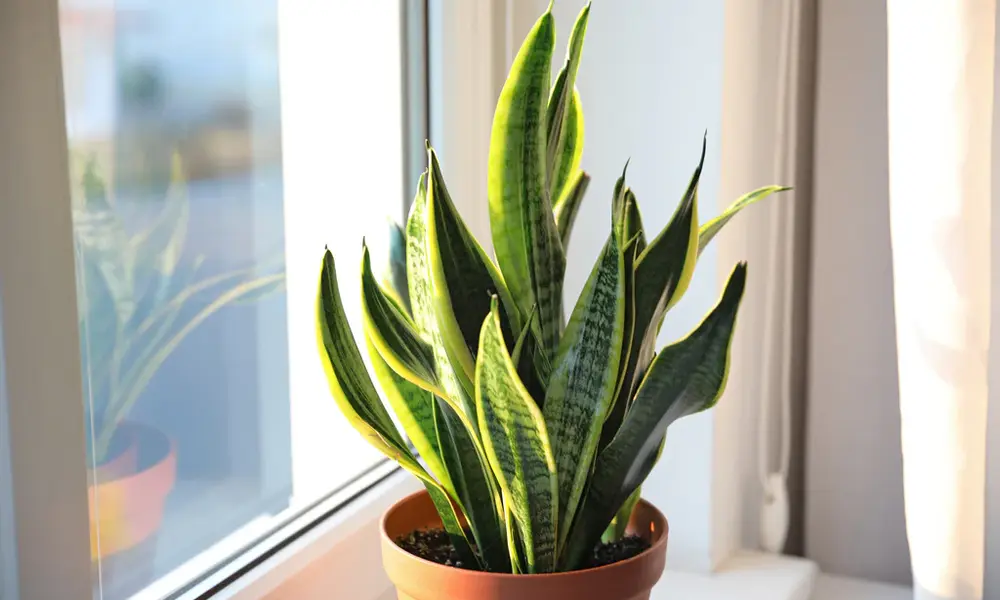
If you want a bedroom plant that is easy to care for, the snake plant is hard to ignore. Its tall, upright leaves take up little floor space, making it useful for small bedrooms, shelves, or corners.
Snake plants tolerate periods of dry soil better than many common houseplants. That makes them a practical choice for people who sometimes forget to water.
Snake plants have also appeared in research on indoor pollutants, including the broader body of research that originally inspired interest in houseplants as air-cleaning plants. NASA’s 1989 research investigated several plants and their ability to remove compounds such as benzene, trichloroethylene, and formaldehyde in controlled environments.
Still, this should not be confused with having a plant that acts like an air purifier in a normal bedroom. Modern EPA guidance says a reasonable number of houseplants has not been shown to remove significant amounts of indoor pollutants in homes and offices.
Pet note: Snake plants are toxic to cats and dogs if eaten.
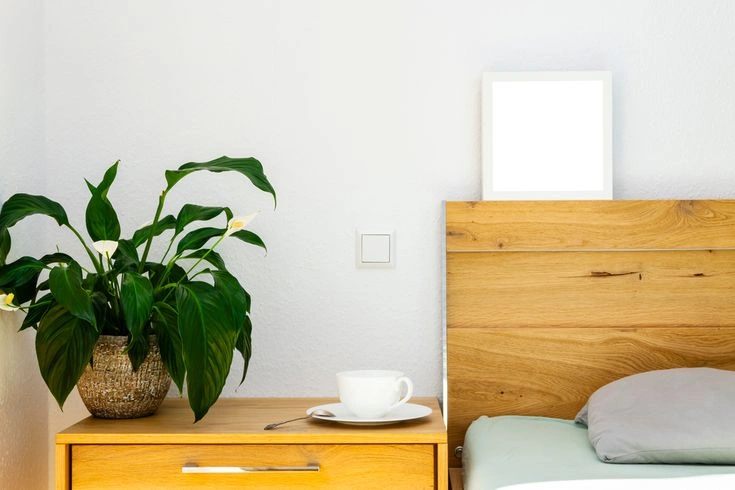
4. Peace Lily

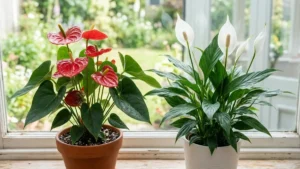
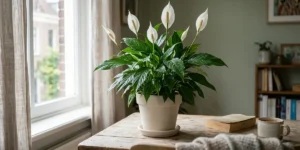
Peace lilies are loved for their dark green leaves and simple white flowers. They can instantly make a bedroom look softer and more relaxing.
They are also interesting from an indoor-air research perspective. NASA studies investigated peace lilies and other plants for their ability to remove certain pollutants under controlled conditions. Later research and RHS work have continued to examine how houseplants interact with indoor air.
However, peace lilies need more attention than a snake plant. They prefer suitable indoor light and consistent but not excessive moisture.
Do not keep the soil permanently soaked. Besides damaging the roots, overly damp potting soil can encourage microorganisms that may be problematic for sensitive people.
Pet note: Peace lilies are toxic to cats and dogs and can cause mouth irritation, drooling, vomiting, and difficulty swallowing if eaten.
5. Aloe Vera

Aloe vera is another popular bedroom plant, especially for people who want something useful and easy to maintain. Its thick leaves store water, so it generally prefers the soil to dry between waterings.
Aloe looks particularly good in simple bedrooms because its structured leaves add greenery without taking up much space. A bright windowsill is usually a better location than a dark corner.
Although aloe is often promoted online as an air-purifying plant, its bigger practical advantages for a bedroom are its appearance and relatively simple care. Avoid treating it as a substitute for ventilation or an actual air-cleaning system.
Pet note: Aloe vera is toxic to cats and dogs when ingested, although the gel itself is considered edible by the ASPCA.
6. Spider Plant
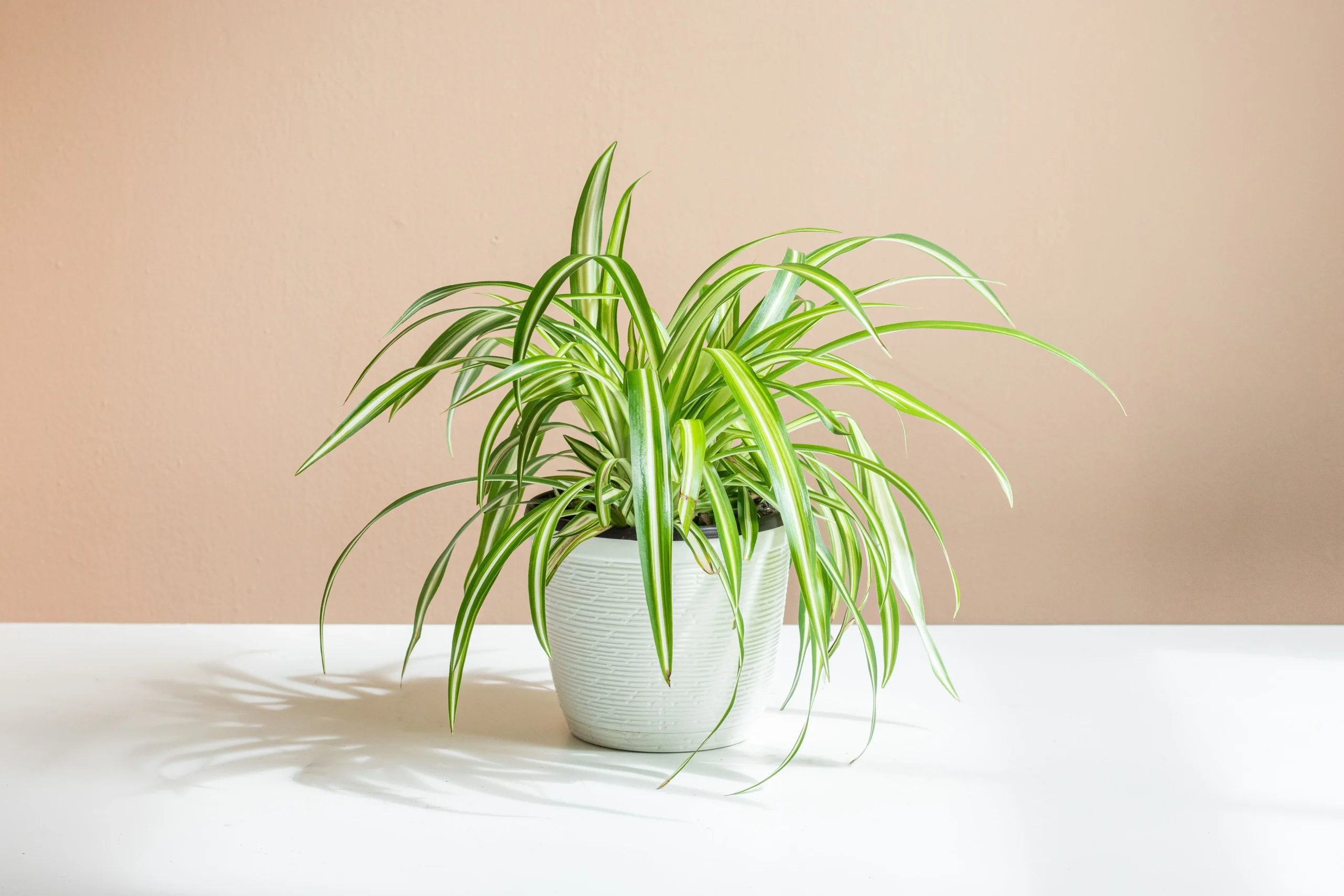
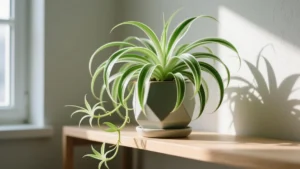
The spider plant is a great option when you want something fresh, green, and uncomplicated. Its long, narrow leaves often grow outward and produce small plantlets, giving it a fuller appearance over time.
It can work nicely on a dresser, shelf, or hanging planter where its leaves have room to spread. It is also one of the better choices for homes with cats or dogs because the ASPCA lists spider plant as non-toxic to both.
Spider plants have also been included in research into indoor plants and air pollutants. However, the same scientific caution applies: laboratory results do not mean one or two plants will noticeably clean the air in a typical bedroom.
7. English Ivy

English ivy can bring a soft, trailing look to a bedroom. Its cascading leaves work particularly well in hanging pots or on high shelves.
Ivy has been studied for its potential to remove certain pollutants in controlled environments, and research has found that plant species can differ considerably in their pollutant-removal performance.
For a bedroom, its main benefit is often visual rather than being a replacement for ventilation. Keep it where you can easily monitor its growth and watering needs.
If you have pets, check the safety of the specific plant before placing it where an animal could chew on the leaves.
Do Bedroom Plants Really Improve Indoor Air?
This is where it helps to separate science from popular plant myths.
NASA research from the late 1980s showed that certain plants could remove selected chemicals from sealed or controlled environments. That research became one of the main reasons houseplants became associated with cleaner indoor air.
The problem is that a normal bedroom is not a sealed laboratory chamber. It has doors, windows, ventilation, people moving around, furniture, changing temperatures, and different air-exchange rates.
A later review found that plants can remove volatile organic compounds under some conditions, but results depend on plant species, light, pollutant concentration, and other environmental factors.
The EPA is more cautious. It says there is currently no evidence that a reasonable number of houseplants removes significant quantities of pollutants in homes and offices. Ventilation and reducing pollution sources remain much more effective ways to improve indoor air.
So, enjoy bedroom plants for their beauty, nature, and atmosphere—but do not expect a few pots to replace fresh-air ventilation.
How to Choose the Right Bedroom Plant
The best bedroom plant is not necessarily the plant with the biggest air-purifying claim. Choose one that matches your room and your routine.
Check Your Bedroom Light
Look at how much natural light reaches the area where you want to place the plant. Bright windows work well for plants such as lavender and aloe vera, while some other houseplants can handle lower indoor light.
Think About Watering
If you often forget to water, choose a plant that tolerates drying, such as a snake plant or aloe vera. If you enjoy regular plant care, you have more options.
Keep Plants Clean
Dust can collect on broad leaves. Gently cleaning leaves when appropriate helps keep the plant looking healthy and prevents your bedroom from becoming unnecessarily dusty.
Do Not Overwater
More water does not mean a healthier plant. Water according to the plant’s needs and make sure the container drains properly. Overly damp soil can encourage unwanted microorganisms.
Can Plants Help You Sleep Better?
A plant itself is not a sleeping treatment. The strongest benefit may come from the environment it helps create.
A bedroom with greenery can feel more comfortable and visually calming. Fragrant plants such as lavender and jasmine may also appeal to people who find certain scents relaxing. Research into scent and sleep suggests that smell can influence mood and relaxation, although the evidence is still developing.
For better sleep, plants should be just one small part of the bigger picture. A dark, quiet, comfortable, and cool bedroom is much more important for creating good sleep conditions.
What the Evidence Actually Says
At Peeacelily, the goal should be to make plant advice useful without turning popular claims into medical promises. NASA’s early research provides an important foundation for understanding why indoor plants became associated with air purification, while current EPA guidance shows why those findings should not be exaggerated for ordinary homes.
For sleep, the evidence is also best presented carefully. Fragrances such as lavender and jasmine may support relaxation for some people, but a bedroom plant should not be described as a treatment for insomnia or another sleep disorder.
This evidence-based approach makes it easier to choose plants for what they genuinely offer: greenery, beauty, pleasant surroundings, and an enjoyable connection with nature.
Final Thoughts
The best bedroom plants for sleep are the ones that make your space feel calm without creating extra work. Lavender and jasmine are worth considering for their fragrance, while snake plant, aloe vera, spider plant, peace lily, and English ivy offer different looks and care requirements.
Just keep expectations realistic. Plants can make a bedroom feel more alive and pleasant, but they are not a replacement for ventilation or proven indoor-air-quality measures. Choose the right plant for your light, watering routine, and household, and let the greenery become a simple part of a more comfortable bedroom.
Frequently Asked Questions
What is the best bedroom plant for sleep?
Lavender and jasmine are good choices if you enjoy relaxing natural fragrances. Their scents have been associated with relaxation and sleep-related benefits, although evidence about living plants specifically is limited.
Which bedroom plant is easiest to care for?
Snake plant and aloe vera are popular low-maintenance choices because they can tolerate periods between waterings. They are especially useful for people who do not want a plant that needs daily attention.
Do bedroom plants clean the air?
Plants can remove certain pollutants under controlled conditions, but their effect in normal homes is limited. The EPA recommends focusing on ventilation and controlling pollution sources rather than relying on houseplants as air cleaners.
Is it safe to keep plants in the bedroom at night?
Yes, having ordinary houseplants in a bedroom does not mean they will use up the room’s oxygen or suffocate you while you sleep. Research from the RHS found that plants did not significantly increase room-scale carbon dioxide levels at night.
How many plants should I keep in my bedroom?
There is no universal number that guarantees better sleep or cleaner air. Start with one or two plants that fit your room’s light and your ability to care for them. More plants are not automatically better for air quality.
Which bedroom plants are safe around pets?
Spider plant is listed as non-toxic to cats and dogs by the ASPCA. In contrast, snake plant, aloe vera, and peace lily are listed as toxic to pets, so keep those away from animals or choose a pet-safe alternative.