Key Takeaways
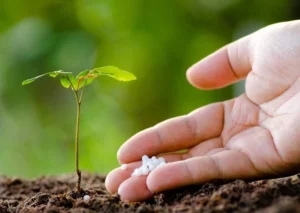
- How to make plants grow faster naturally starts with the right growing conditions, not a single miracle ingredient.
- Give each plant the amount of light it actually needs.
- Water according to soil moisture and plant requirements.
- Improve poor soil with suitable organic matter and finished compost.
- Feed plants when they need nutrients rather than assuming more fertilizer means faster growth.
- Protect roots with suitable drainage and growing media.
- Keep indoor leaves clean and monitor plants for pests and disease.
- Use organic mulch to help conserve moisture and reduce weed competition.
- Avoid unverified homemade growth hacks.
- Remember that healthy, steady growth is more valuable than forcing rapid growth.
Quick Answer: How to Make Plants Grow Faster Naturally
The most reliable way to make plants grow faster naturally is to provide the conditions the particular plant needs.
Start with adequate light, then keep the soil appropriately moist without leaving roots constantly waterlogged. Improve poor soil with finished compost or other suitable organic matter, provide nutrients when the plant actually needs them, and make sure the container or garden soil drains properly.
In addition, remove unhealthy growth when appropriate, monitor pests, give roots enough space, and avoid sudden changes in temperature, light, or watering.
There is no single natural ingredient that makes every plant grow faster. Good plant care works because several conditions support growth at the same time.
1. Give Plants the Right Amount of Light
Light is one of the biggest factors affecting plant growth because plants use light for photosynthesis. During this process, plants use light, carbon dioxide, and water to produce carbohydrates that support growth.
Therefore, if you want to know how to make plants grow faster naturally, start by checking the light before adding fertilizer or homemade remedies.
Different plants need different levels of light. A plant that naturally grows in a shady environment may struggle in intense direct sun, while a sun-loving vegetable may become weak and stretched in a dark room.
For indoor plants, place them where their natural light requirements can be met. If natural light is insufficient, supplemental grow lighting can help provide the light needed for healthy growth.
However, do not suddenly move a shade-tolerant plant into strong sunlight. Rapid changes can scorch leaves, so gradually increasing exposure is safer.
2. Water According to the Plant and Soil
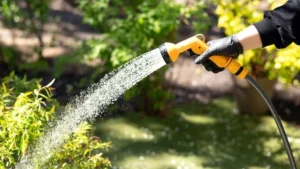
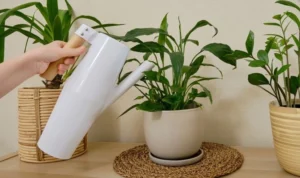
Water is essential, but more water does not automatically mean faster growth.
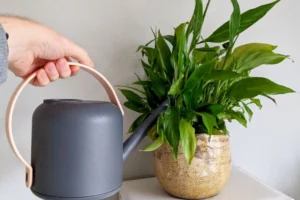
In fact, consistently waterlogged soil can create poor conditions around roots. Many houseplants do better when they are watered according to the condition of the growing medium rather than according to a fixed calendar. The RHS recommends checking whether the surface of the compost has become dry before watering many houseplants.
At the same time, avoid allowing plants that need consistent moisture to become severely dry.
A simple approach is to check the soil regularly, understand the plant’s requirements, and make sure excess water can drain away. For container plants, drainage holes are especially important.
Why Overwatering Can Slow Growth
Healthy roots need access to both water and air. Poorly drained soil can therefore create an environment where roots struggle.
So, rather than watering more often simply because you want faster growth, aim for the moisture level your specific plant prefers.
3. Improve Soil With Organic Matter
Healthy soil gives roots a better environment in which to grow.
Organic matter such as finished compost can improve soil structure, water retention, nutrient availability, and biological activity. The U.S. Environmental Protection Agency notes that compost can improve soil health, water retention, nutrient management, and plant establishment and growth.
This is especially useful when soil is compacted, depleted, or difficult to manage.
For example, organic matter can help sandy soil hold moisture while improving drainage and structure in heavier soils. The RHS also recommends organic matter as a way to improve soil structure and water-holding capacity.
Therefore, if you are looking for a natural way to support faster plant growth, improving the growing medium is often more useful than relying on homemade plant “boosters.”
4. Use Finished Compost
Finished compost is one of the most practical natural soil amendments.
Compost adds organic matter and can supply nutrients while supporting beneficial soil organisms. It also helps soil retain water and nutrients, which can create better conditions for roots.
You can use finished compost in garden beds, containers, window boxes, and around established plants, provided it is appropriate for the growing situation. The EPA specifically describes finished compost as a soil amendment that can be incorporated into garden soil or used with potting soil.
However, compost should not be treated as a universal replacement for every fertilizer. Nutrient concentrations vary, and some plants, particularly nutrient-demanding crops or container-grown plants, may still require additional feeding.
5. Feed Plants Only When They Need It
Plants require nutrients for healthy growth, including nitrogen, phosphorus, potassium, calcium, magnesium, sulfur, and other essential elements.
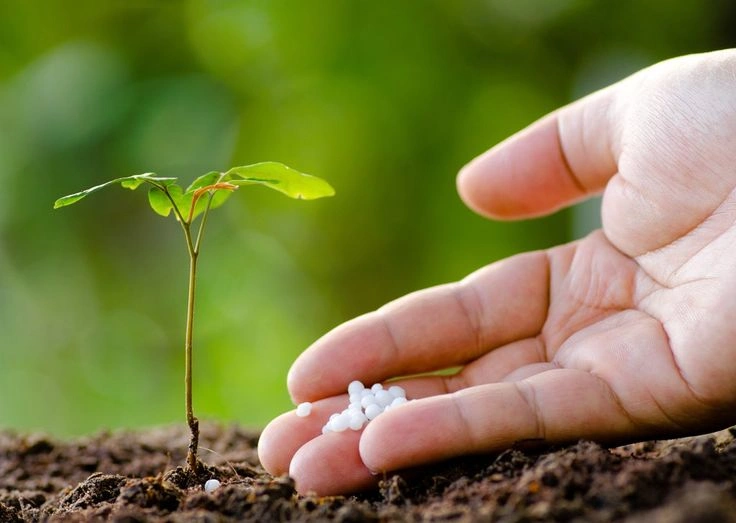
However, adding more nutrients than a plant needs can create problems rather than faster growth. The RHS warns that excessive fertilizer use can contribute to nutrient pollution, while excessive feeding of houseplants can cause weak growth or salt accumulation in the growing medium.
For this reason, how to make plants grow faster naturally should not become a search for the strongest homemade fertilizer.
Instead, look at the plant, soil, growing medium, and stage of growth. If a nutrient deficiency is suspected, identify the likely cause before adding a treatment.
For container plants, nutrients can become limited because the roots have access to a relatively small amount of growing medium. Consequently, container plants often need more careful feeding than established plants growing in healthy garden soil.
6. Protect and Strengthen the Root System
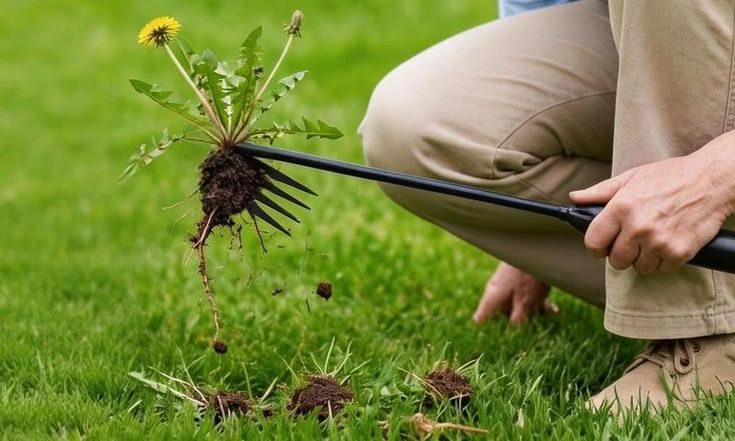
Fast visible growth above the soil starts with healthy roots below it.
Roots need suitable moisture, oxygen, nutrients, and enough room to function. Consequently, compacted soil, poor drainage, or an unsuitable container can hold a plant back even when the leaves look healthy.
When growing plants in containers, use a growing medium suited to the species. Modern potting mixes can contain materials such as coir, bark, perlite, vermiculite, compost, and other components selected for drainage and root growth.
If a plant has clearly outgrown its container, check whether the roots are crowded before deciding whether repotting is appropriate.
7. Keep Leaves Clean and Healthy
Leaves are where much of a plant’s photosynthetic activity takes place.
For indoor plants with large leaves, dust can build up on the surface. The University of Minnesota Extension recommends gently cleaning dusty leaves because accumulated dust can interfere with the plant’s ability to use available light efficiently.
Use a gentle approach rather than harsh household cleaners.
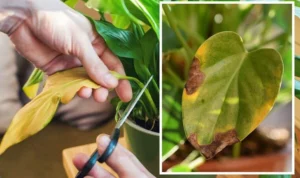
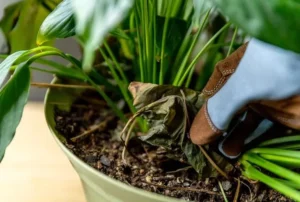
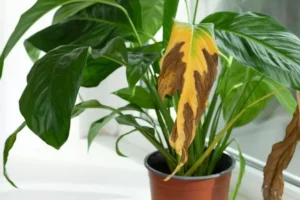
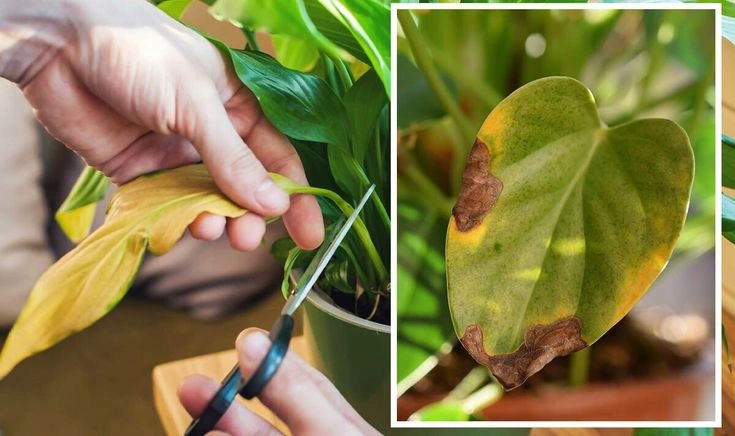
Also, do not remove healthy green leaves simply because they are older. Healthy foliage continues to contribute to the plant. Instead, remove leaves that are dead, badly damaged, or diseased when appropriate.
8. Control Weeds and Competition
Outdoor plants often compete with weeds for water, nutrients, light, and growing space.
Keeping competition under control allows desirable plants to make better use of available resources. Mulching can help because organic mulch suppresses weeds while also reducing water loss and adding organic matter as it breaks down.
Organic mulch can include suitable finished compost, leaf mould, or other appropriate materials.
However, avoid piling mulch directly against stems or trunks. The RHS recommends leaving a gap around woody stems because constantly damp material against them can contribute to rotting.
9. Prune at the Right Time
Pruning can improve the appearance and structure of some plants, but it is not automatically a way to make every plant grow faster.
The correct pruning method depends heavily on the species and its growth habit. Removing dead, damaged, or diseased material can be useful, while unnecessary cutting can remove healthy tissue that the plant needs for photosynthesis.
Therefore, identify the plant before making major pruning cuts.
For flowering or fruiting plants, timing can also matter because some species produce flowers or fruit on particular types of growth.
10. Maintain Suitable Temperature and Humidity
Plants grow best when their environmental conditions match their natural requirements.
Temperature affects plant processes, while humidity influences water loss through leaves. However, there is no single ideal temperature or humidity level for every plant.
Tropical houseplants, succulents, herbs, vegetables, and cool-season crops can have very different preferences.
Therefore, instead of trying to create maximum humidity or warmth, focus on the conditions suitable for the species.
Sudden environmental changes can also cause stress. For example, the University of Minnesota Extension recommends gradually acclimating houseplants when moving them outdoors because sudden exposure to strong sunlight or wind can damage foliage.
11. Watch for Pests and Disease
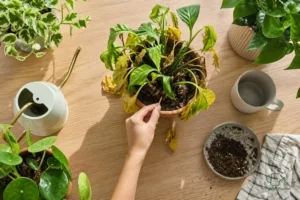
A plant may appear to be growing slowly because something is damaging its leaves, stems, roots, or growing points.
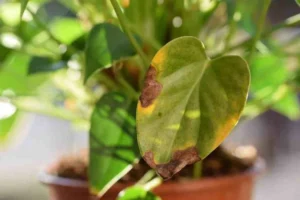
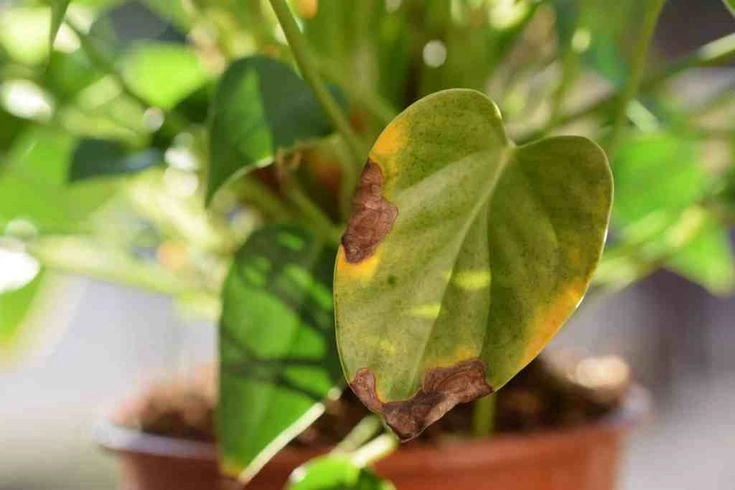
Check plants regularly for visible pests, unusual leaf spots, distorted new growth, discoloration, wilting, or other changes.
Good growing conditions are an important first line of defense. The RHS recommends focusing on suitable plant selection and good cultivation practices and using non-chemical or biological approaches where control is needed.
Most importantly, identify the problem before treating it. Randomly applying homemade sprays can damage foliage and may not address the actual cause.
Natural Methods: What Actually Helps?
| Natural method | How it can support growth | What to remember |
|---|---|---|
| Adequate light | Supports photosynthesis and energy production | Requirements vary by plant |
| Finished compost | Improves soil structure and supplies organic matter | Nutrient content varies |
| Organic mulch | Helps retain moisture and suppress weeds | Keep it away from stems |
| Correct watering | Maintains suitable root moisture | Avoid routine overwatering |
| Healthy potting medium | Supports drainage, aeration, and roots | Choose it for the plant |
| Cleaning dusty leaves | Helps indoor foliage use available light | Use gentle cleaning |
| Pest monitoring | Prevents damage from going unnoticed | Identify the pest first |
These methods work best together rather than as isolated tricks.
Common Mistakes That Can Slow Plant Growth
If your plants are not growing as expected, check these common problems first:
- Too little light: A plant may become pale, weak, or stretched.
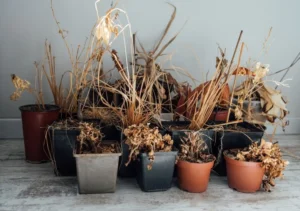
- Too much water: Constantly wet growing media can create poor root conditions.
- Poor drainage: Water needs somewhere to go after irrigation.
- Too much fertilizer: More nutrients do not automatically mean more growth.
- Poor soil structure: Compacted or depleted soil can restrict roots.
- Sudden environmental changes: Rapid shifts in light or temperature can stress plants.
- Ignoring pests: Small infestations can become serious if overlooked.
- Using unverified kitchen remedies: Natural does not automatically mean safe or effective.
The last point is particularly important. Banana peels, coffee grounds, eggshells, sugar, and other household materials are often promoted online as instant growth boosters. Their usefulness depends on how they are processed, applied, and what the soil actually needs. They should not be presented as guaranteed plant-growth solutions without evidence.
A Simple Routine for Faster Natural Growth
If you want a practical routine, start with the basics.
First, identify the plant and learn its light requirements.
Next, check the soil before watering instead of following a rigid schedule. Make sure containers can drain properly.
Then, improve poor soil with suitable organic matter or finished compost.
After that, inspect leaves and stems regularly for pests, disease, or signs of environmental stress.
Finally, feed only when the plant and growing conditions indicate that additional nutrients are appropriate.
This approach is more reliable than constantly adding new treatments.
Conclusion
Learning how to make plants grow faster naturally is really about understanding what plants need to grow well. Light, water, air around the roots, suitable soil, nutrients, and protection from environmental stress all work together.
Rather than searching for one powerful household remedy, build a consistent care routine around the needs of the plant. Finished compost and organic matter can improve soil, while correct watering and appropriate light help plants use those resources effectively.
For more practical plant-care guides, Peeacelily can be used as an internal resource hub for related gardening and plant topics.
Frequently Asked Questions
What is the fastest natural way to make plants grow?
There is no single method that works fastest for every plant. Adequate light, appropriate watering, healthy soil, sufficient nutrients, and suitable temperatures provide the foundation for strong growth.
Does compost make plants grow faster?
Finished compost can support plant growth by improving soil structure, organic matter, moisture retention, and nutrient management. However, its nutrient content varies, so it is not a complete replacement for every type of plant feeding.
Does more water make plants grow faster?
No. Plants need water, but excessive moisture can create poor conditions for roots. Water according to the plant’s requirements and the condition of its growing medium.
Can sunlight make plants grow faster?
Adequate light supports photosynthesis and therefore provides the energy plants need for growth. However, the correct amount depends on the species. Too much intense light can damage plants that are not adapted to it.
Is natural fertilizer always better?
Not necessarily. Organic and natural fertilizers can still be overused. The RHS recommends feeding according to plant needs because excessive fertilizer can contribute to nutrient pollution and other problems.
How often should I water plants?
There is no universal watering schedule. Check the growing medium and consider the plant species, container size, light, temperature, and season. Many houseplants should be watered when the surface of the growing medium becomes dry rather than according to a fixed timetable.