Key Takeaways
- How to revive a dying plant begins with diagnosis rather than immediately adding water.
- Check the soil before watering.
- Persistent wet soil can damage roots and cause wilting.
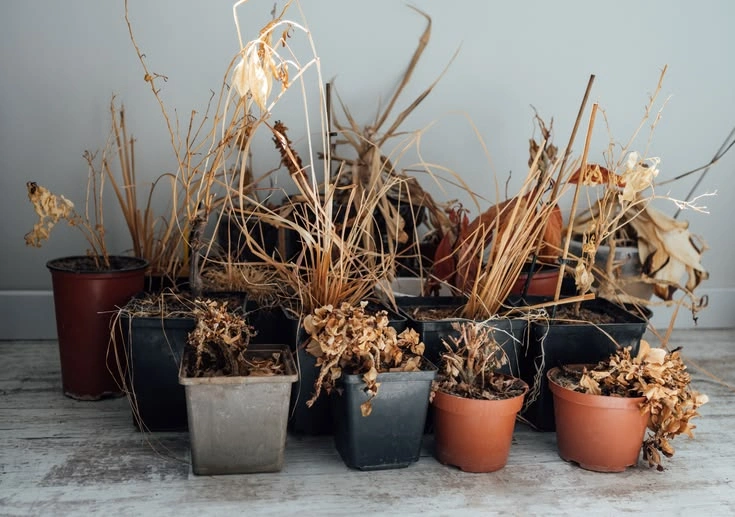
- Extremely dry plants should be rehydrated carefully.
- Healthy roots are generally firm, while rotten roots become dark and soft.
- Proper drainage is essential for most container plants.
- Light, temperature, pests, and soil can all affect plant health.
- Remove dead tissue but preserve healthy green growth.
- Do not expect damaged leaves to return to perfect condition.
- Look for healthy new growth as one of the strongest signs of recovery.
Quick Answer
The best way to revive a dying plant is to first identify the cause of the stress. Check the soil, roots, drainage, leaves, light, temperature, and signs of pests before changing anything.
If the soil is extremely dry, rehydrate it gradually. If it is constantly wet, improve drainage and inspect the roots. Remove dead or badly damaged growth, provide suitable light, and avoid fertilizing a severely stressed plant until it begins recovering.
Most importantly, do not follow a fixed watering schedule. Check the plant and its growing medium first because different plants have very different moisture requirements.
Signs Your Plant May Still Be Saved
A plant that looks terrible is not necessarily dead. Before giving up, inspect the stems and roots.
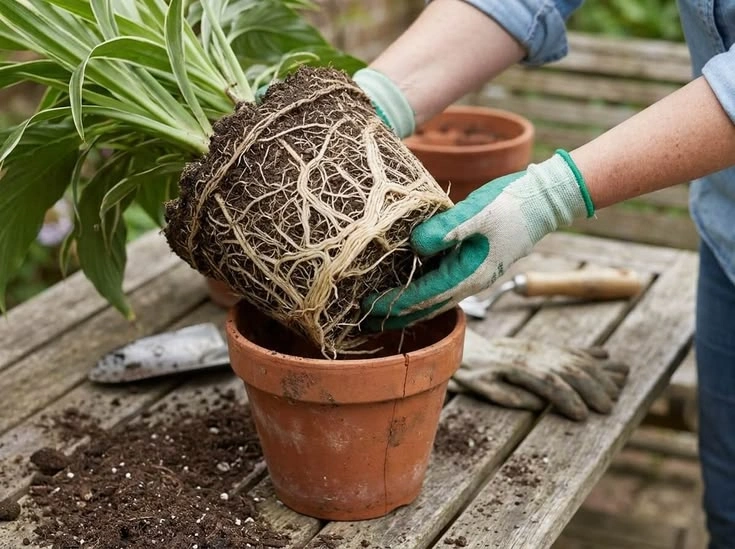
A living stem may still be green underneath the outer layer. Likewise, healthy roots are generally firm and light-colored, whereas severely damaged roots can become dark, soft, and mushy.
Look for these encouraging signs:
| Sign | What It May Mean |
|---|---|
| Green stem tissue | The plant may still be alive |
| Firm roots | The root system may still function |
| New buds | Recovery may already be starting |
| Some healthy leaves | The plant has useful remaining foliage |
| Flexible stems | Some tissues may still be viable |
However, if the entire plant has collapsed and both its roots and stems are extensively rotten or dead, recovery may not be realistic.
How to Revive a Dying Plant Step by Step
1. Move the Plant Away From Stress
Start by placing the plant somewhere stable. Avoid sudden temperature changes, harsh afternoon sunlight, cold drafts, heaters, and air-conditioning vents.
Do not immediately move a severely stressed plant into intense sunlight. A plant already struggling with damaged roots may have difficulty replacing water lost through its leaves.
Instead, provide the amount of light appropriate for its species. Many houseplants recover better under bright, indirect light while they are stressed.
2. Check the Soil Before Watering
Put your finger a few centimeters into the growing medium and feel the moisture. Also lift the pot if possible. A very light pot can indicate that the plant has become extremely dry.
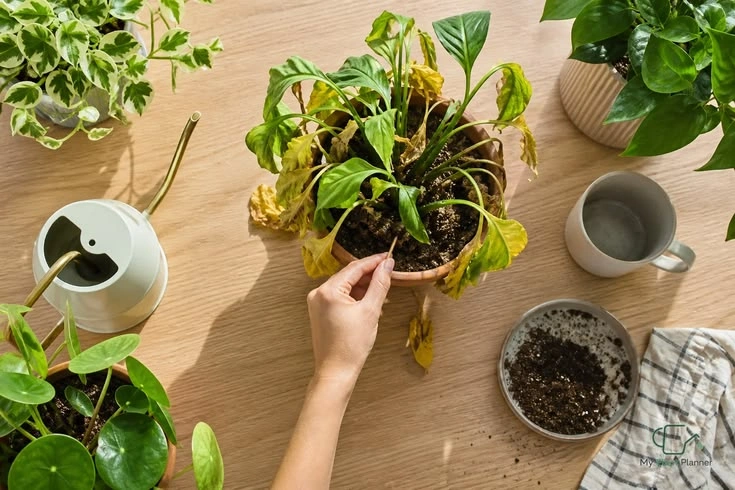
If the soil is wet, do not add more water simply because the leaves are drooping. Overwatering can damage roots and eventually cause the plant to wilt because unhealthy roots cannot absorb water properly.
If the soil is bone dry, the solution is different.
3. Rehydrate a Severely Dry Plant Slowly
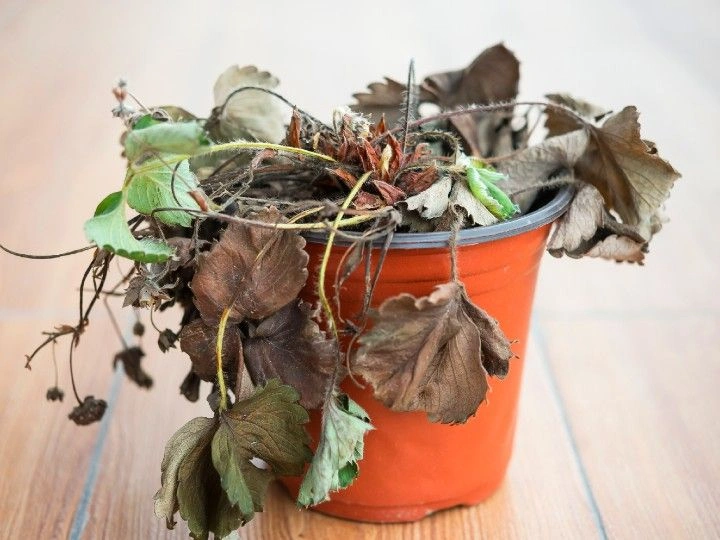
When a neglected plant has extremely dry soil, water it gradually rather than flooding it all at once.
Water slowly and allow the growing medium to absorb the moisture. If water immediately runs down the sides of the pot, the soil may have become difficult to rehydrate.
For severely dried containers, bottom watering can help the growing medium absorb water more evenly. Once properly hydrated, allow excess water to drain completely.
Do not leave the plant sitting permanently in water.
4. Check the Drainage
A drainage hole is one of the simplest ways to reduce the risk of waterlogged roots.
If the container has no drainage or the drainage hole is blocked, excess water can remain around the roots. Saturated growing media contain less available oxygen, which can contribute to root damage and decay.
Empty excess water from saucers and outer containers after watering.
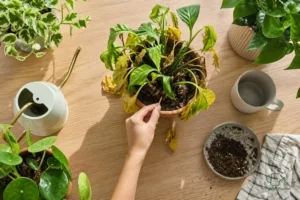
5. Inspect the Roots
If the plant continues to wilt despite wet soil, inspect its roots.
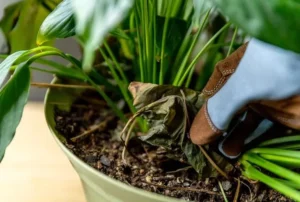
Gently remove the plant from its container and examine the root system. Healthy roots should generally feel firm. Dark, soft, mushy, or decaying roots are a warning sign of serious root problems.
If only part of the root system is damaged, carefully remove the rotten sections using clean cutting tools. Then repot the remaining healthy portion in fresh, suitable growing medium.
6. Remove Dead or Severely Damaged Growth
Pruning can help make a struggling plant easier to manage.
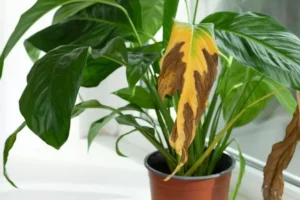
Remove completely dead leaves and stems with clean scissors or pruning shears. However, do not remove every leaf simply because it looks imperfect. Green leaves can still contribute energy to the plant.
As a result, focus on tissue that is clearly dead, diseased, or badly damaged.
7. Correct the Light
Light problems are often overlooked.
A plant receiving too little light may become weak and stretched, while excessive light can cause bleaching, scorching, curling, or crispy foliage. The correct amount depends heavily on the plant species.
For example, a shade-tolerant houseplant may struggle in intense direct sunlight, whereas a sun-loving plant may become weak in a dark corner.
Therefore, research the natural light requirements of your particular plant before changing its location.
8. Check for Pests
Inspect both sides of the leaves, stems, leaf joints, and growing tips.
Spider mites, aphids, scale insects, and mealybugs can weaken plants by feeding on plant tissues. Sticky residue, webbing, distorted new growth, or clusters of tiny insects can provide useful clues.
If you find pests, isolate the affected plant from nearby plants. Then identify the pest before selecting a treatment.
9. Give the Plant Time to Recover
One of the biggest mistakes people make is changing everything at once.
After watering, repotting, pruning, and moving a plant, they may add fertilizer, increase humidity, move it into stronger light, and water it again within a few days.
Instead, make the necessary corrections and observe the plant.
New growth is often a much better recovery signal than expecting damaged leaves to become perfect again.
How to Tell if Your Plant Is Overwatered or Underwatered
Wilting alone cannot tell you whether a plant needs water.
| Problem | Common Signs | First Response |
| Underwatering | Dry soil, crispy leaves, brown edges, wilting | Rehydrate the growing medium |
| Overwatering | Wet soil, yellowing, soft growth, leaf drop | Stop watering and improve drainage |
| Root problems | Persistent wilting, dark or mushy roots | Inspect and remove damaged roots |
| Too much light | Scorching, bleaching, crispy patches | Reduce harsh exposure |
| Too little light | Weak, stretched growth and poor vigor | Provide suitable light |
| Pests | Webbing, sticky residue, insects, distorted leaves | Identify and control the pest |
Because several problems can produce similar symptoms, always look at the soil and roots rather than relying on leaf appearance alone.
How to Revive a Plant With Root Rot
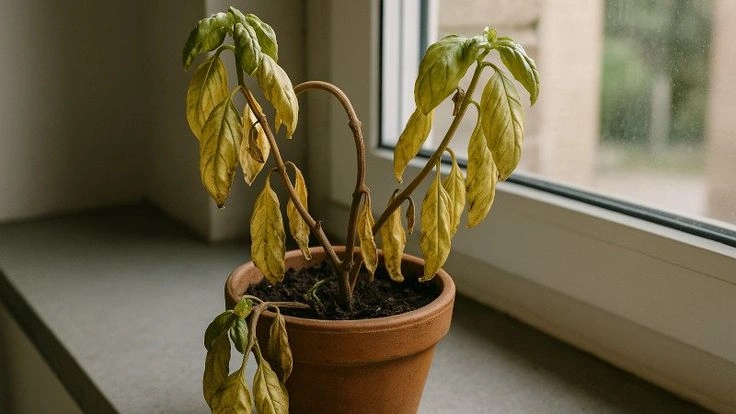
Root rot is particularly serious because the visible symptoms may appear after the roots have already suffered substantial damage.
If the soil stays wet for long periods and the plant continues wilting, remove it from the container and inspect the roots.
Cut away roots that are clearly dead or mushy with clean tools. Keep the healthy portion and place it into fresh, well-draining growing medium in a container with suitable drainage.
Afterward, be careful with watering. The goal is not to keep the new root environment constantly wet.
Remember that root problems can have different causes, including excessive moisture, poor drainage, disease, or prolonged stress.
Fix Light and Temperature Problems
Plants respond to their surroundings, so revival is not only about water.
Extreme heat can increase water loss and cause leaves to wilt or become crispy. Conversely, cold conditions can cause leaf damage, drooping, or even collapse in sensitive plants.
Keep recovering plants away from sudden environmental changes whenever possible.
Furthermore, consider seasonal changes. A location that works well in winter may become too hot or bright during summer, while a previously bright area may become much darker during shorter winter days.
When to Prune or Repot
Repotting can help when the existing growing medium has become unsuitable, drainage is poor, or the roots are damaged.
However, repotting is also a form of stress. Do it because the plant needs it, not simply because it looks unhealthy.
If you repot, choose a container appropriate for the root system rather than automatically selecting a very large pot. Use fresh growing medium suited to the plant.
Likewise, prune with a purpose. Remove dead tissue, but keep healthy green growth whenever possible.
What Not to Do When Reviving a Plant
Avoid these common mistakes:
- Do not water automatically because the plant is wilting. Overwatering can also cause wilting.
- Do not fertilize a severely stressed plant immediately. Fix basic growing conditions first.
- Do not leave the pot standing in water. Excess moisture can deprive roots of oxygen.
- Do not put every sick plant into direct sunlight. Light requirements vary between species.
- Do not cut off every yellow or damaged leaf. Some leaves may still provide useful energy.
- Do not change the plant’s environment every day. Recovery takes observation and patience.
- Do not rely on homemade remedies without understanding the plant. Some substances can damage roots or foliage.
Plant Recovery Checklist
-
Check whether the soil is dry, damp, or waterlogged
-
Confirm that the container drains properly
-
Inspect the roots if wilting continues
-
Remove clearly dead or rotten tissue
-
Check the plant for pests
-
Provide species-appropriate light
-
Protect the plant from temperature extremes
-
Rehydrate very dry soil gradually
-
Avoid unnecessary fertilizer during severe stress
-
Monitor new growth instead of damaged leaves
-
Adjust watering according to soil moisture and plant needs
Conclusion
Knowing how to revive a dying plant is less about finding a miracle treatment and more about understanding what the plant is telling you.
Start with the basics: inspect the soil, check drainage, examine the roots, look for pests, and evaluate light and temperature. Then correct the specific problem instead of changing everything at once.
Most importantly, remember that every plant has different needs. A succulent, fern, peace lily, pothos, orchid, and citrus plant cannot all be treated in exactly the same way.
With careful observation, suitable growing conditions, and a little patience, a struggling plant may have a much better chance of producing healthy new growth. For more practical plant-care guides, visit Peeacelily and learn how to keep your plants healthy before problems become serious.
FAQs
Can a completely wilted plant come back?
Sometimes. Wilting does not automatically mean the plant is dead. Check the roots and stems for living tissue and determine whether the problem is underwatering, overwatering, root damage, light, temperature, or pests.
How long does it take to revive a dying plant?
There is no universal recovery time. A mildly dehydrated plant may improve relatively quickly, while a plant with severe root damage may need much longer to produce healthy new growth.
Should I cut off all yellow leaves?
No. Remove leaves that are completely dead or badly damaged, but avoid unnecessary pruning of healthy or partially green foliage.
Should I water a dying plant every day?
No. Daily watering is not a reliable revival method. Check the moisture level and understand the plant’s requirements first. Overwatering can be just as harmful as underwatering.
Can a plant recover from root rot?
A plant can sometimes recover when enough healthy roots remain. Remove clearly damaged roots, improve drainage, use fresh growing medium when appropriate, and carefully manage future watering.
Why is my plant still wilting after I water it?
The roots may be damaged, the soil may still be too dry to absorb water properly, or another problem may be involved. Wilting can result from both insufficient water and root damage caused by excessive moisture.
Should I fertilize a dying plant?
Usually, correct the basic problem first. Fertilizer cannot fix rotten roots, severe dehydration, poor drainage, or unsuitable light. Once the plant begins actively recovering, its nutritional needs can be reassessed.