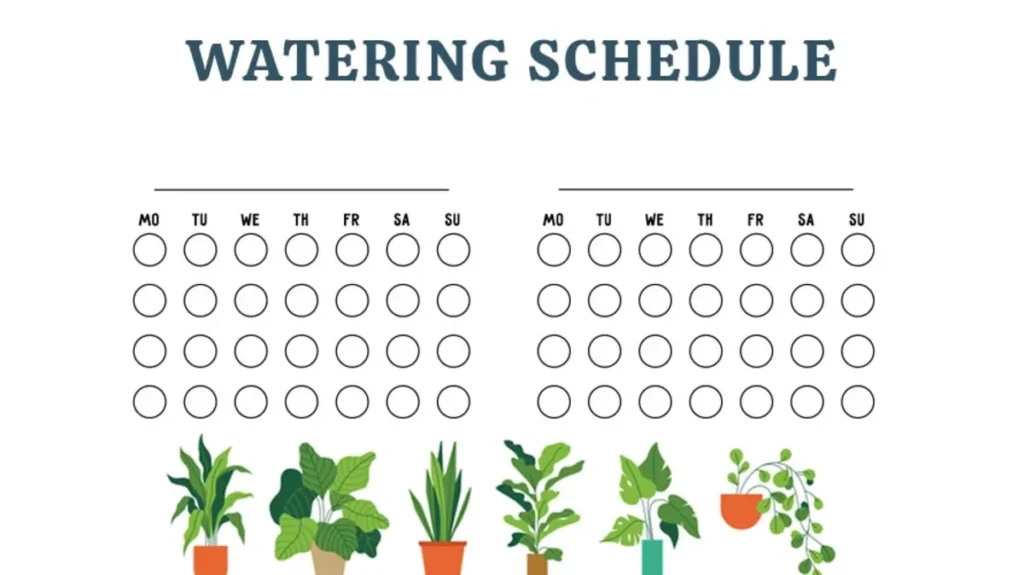
Instead of a strict routine, a proper plant watering schedule depends on the type of plant, environment and season. Features includes watering guidelines for different plants, overwater and underwatering signs & how to make the most of watering methods. In most cases, some easy plant care and adjusting to indoor plant care conditions will maintain plants that are healthy and growing.
Most plant owners mess up watering, which seems simple. If you overpower or under power water, even the merriest plants can suffer damage very easily. A clear plant watering schedule ensures you know exactly when and how much to water specific plants.
In a nutshell, there is no common guideline uniform for all plants. Some require water every day whereas some can go for weeks without it. CGC Taking Care of Your Plants at Home [Photo by Polina Karganova on Unsplash In this guide, we help you create an appropriate plant watering schedule relevant to your plants; their environment, as well as the season in which they are situated so that your plants are alive and well.
Why a Proper Plant Watering Schedule Matters
Keep in mind that a good plant watering schedule is more than just routine. This is simply about knowing what your plant needs.
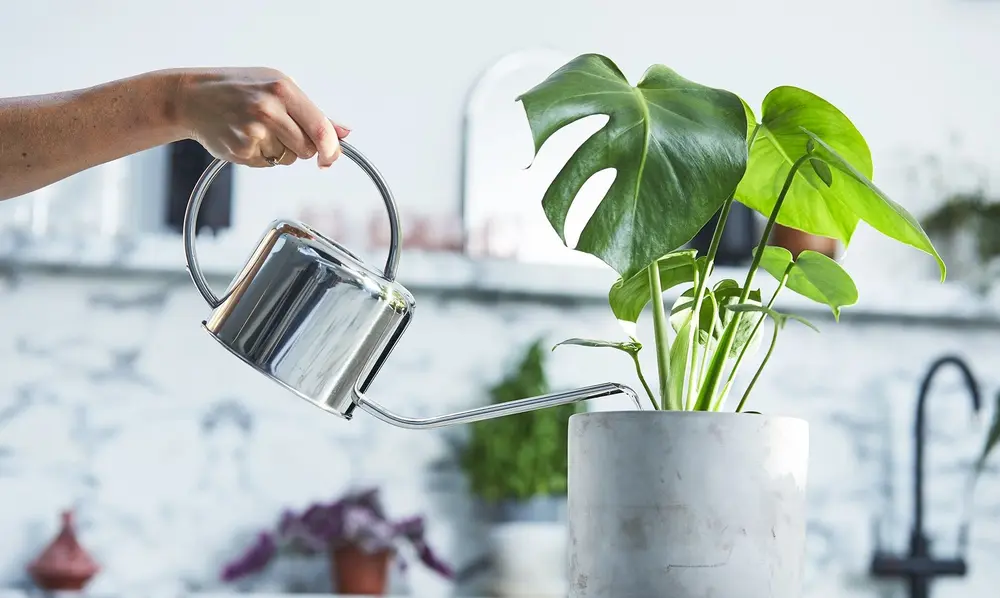
Water them too little, and they may dry up or become weak; too much, and they can drown to a slow death from root rot. General plant care observations lead us to conclude that poor watering habits are responsible for most indoor plant problems.
Use structured plant care tips to enhance the health, growth and longevity of plants. This also makes taking care of the plants easier and much predictable.
How Often Should You Water Plants?
The short answer is this:
Water when the soil needs it and not on a schedule.
The simplest watering schedule for a plant then relies on three primary variables:
- Type of plant
- Environment (light, temperature, humidity)
- Soil and pot type
A routine that works for a cactus cannot work for a peace lily.
General Plant Watering Schedule by Plant Type
Here is a simple table to help you understand how often to water common plants:
| Plant Type | Watering Frequency | Soil Condition Before Watering |
| Succulents | Every 2–3 weeks | Completely dry soil |
| Cactus | Every 3–4 weeks | Fully dry |
| Indoor leafy plants | Every 5–7 days | Top 1–2 inches dry |
| Flowering plants | Every 3–5 days | Slightly dry |
| Herbs | Every 2–4 days | Lightly moist |
| Outdoor plants | 2–3 times/week | Depends on weather |
This table gives a starting point, but your actual plant watering schedule may vary slightly.
Best Watering Methods for Healthy Plants
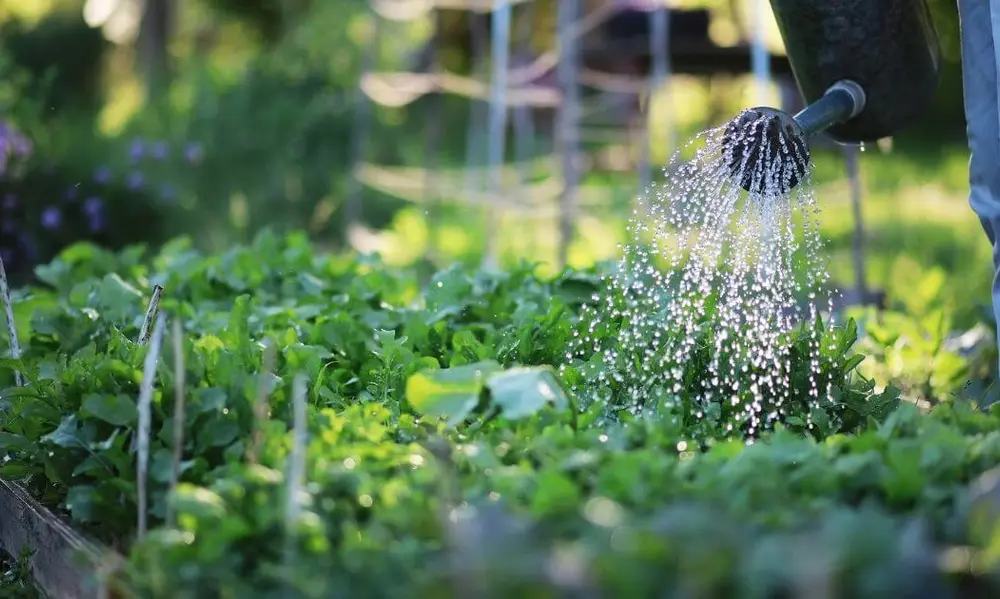
For this reason, they depend on you entirely for water, light and care so indoor plants require extra supervision. Taking care of houseplants in a correct manner is not about assumptions or precise timing. It’s all about taking your plant and adapting to how it behaves in a different environment.
Top Watering
Water it whenever the feel of soil seems dry. If it still feels damp, wait a day or two. And so with this very simple habit you avoid overwatering and is the most common plant care issue. It also helps you create a more accurate watering schedule in plant needs.
Bottom Watering
Plant health has a lot to do with the pot you choose. Pots with drainage holes only, so that water can escape from the excess.
It retains water at the bottom with no place for it to go and starts damaging roots. You also have the option of using well-draining soil that provides airflow, rather than staying in a soggier state. However, those are little changes that will help you a lot to succeed in the care of indoor plants.
Mist Spraying
Soil drying rate is directly affected by light. Plants that are set beside the window or in brighter sunlight dry quicker and require more watering.
However, plants grown in low light are slower to dry out and take less frequent watering. Knowing a little about the right soil moisture to use helps you avoid under and overwatering.
Choosing the Right Method
Soiltakes longer to dry up in warm rooms and under the influence of dry air, meaningដោយឧទាហរណ៍ it dries faster in summer or when heaters are on.
Plants hold moisture longer in cooler or more humid environments. Make sure youwater your plants accordingly with it in order to maintain your plant between life and death.
Key Takeaway
Good indoor plant care is about observation and adaptation. Know when and how to water your plants by checking the soil, using good pots, adjusting for available light, and monitoring plant signals.
Seasonal Plant Watering Schedule
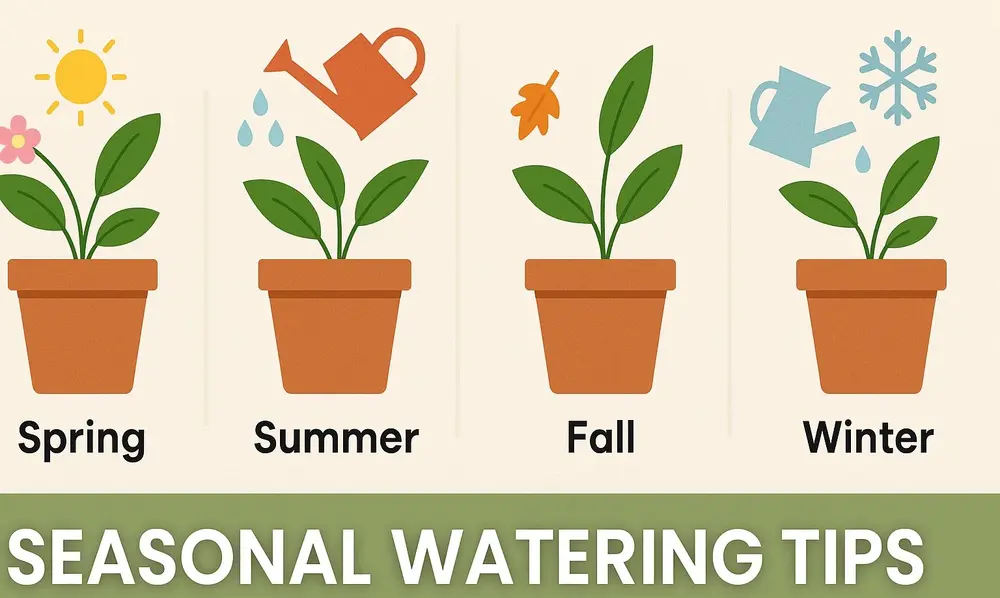
Your plant watering schedule should change with seasons.
| Season | Watering Need | Reason |
| Summer | More frequent | Heat dries soil faster |
| Winter | Less frequent | Plants grow slower |
| Spring | Moderate | Growth period begins |
| Fall | Reduce gradually | Plants prepare for dormancy |
Ignoring seasonal changes is one of the biggest mistakes in plant care tips.
Signs You Are Overwatering or Underwatering
Understanding plant signals is key to a good plant watering schedule.
Overwatering Signs
- Yellow leaves
- Mushy roots
- Mold on soil
Underwatering Signs
- Dry, crispy leaves
- Soil pulling away from pot
- Slow growth
These are essential plant care tips every plant owner should know.
Top Watering Techniques for Growing Plants
Different watering techniques perform differently. How you do this plays a very important role in the absorption of water by your plants and therefore, how effective your indoor plant care practice becomes.
Top Watering
The most common and straightforward way of doing it. You fill the dirt with water until it starts streaming out the base.
It helps to leach salts and wet the whole root mass! But you must take care to water slowly, so that there is no runoff and the soil absorbs the water properly. After watering, empty the drainage tray to prevent water from standing, which would assist roots rot.
Bottom Watering
In this technique, you put the pot inside a bowl full of water and allow the plant to suck moisture through its drain holes.
It enables thorough moistening, from root to top, while avoiding excessive surface watering. This is particularly beneficial for plants that thrive in consistently moist soil or for the dry and hardened ground. Keep the pot in the water and let it stay for about 15–20 minutes, before lifting if out of it.
Mist Spraying
Mist spraying is primarily used to increase humidity, not substitute for watering.
It is suitable for tropical plants that like humid environments. Light misting does keep leaves fresh and less dry, but it won’t supply enough water to roots. Treat it as a tiny aid, not your main watering solution.
Choosing the Right Method
Every method has its own unique purpose. For the vast majority of plants out there, top watering will work better within a regular plant watering schedule. Occasional deep hydration can be achieved using bottom watering, while the misting method supports humidity needs.
Applying the appropriate method at an opportune moment optimizes plant health, fortifies roots, and enhances your overall planting proficiency indoors.
Common Mistakes in Plant Watering
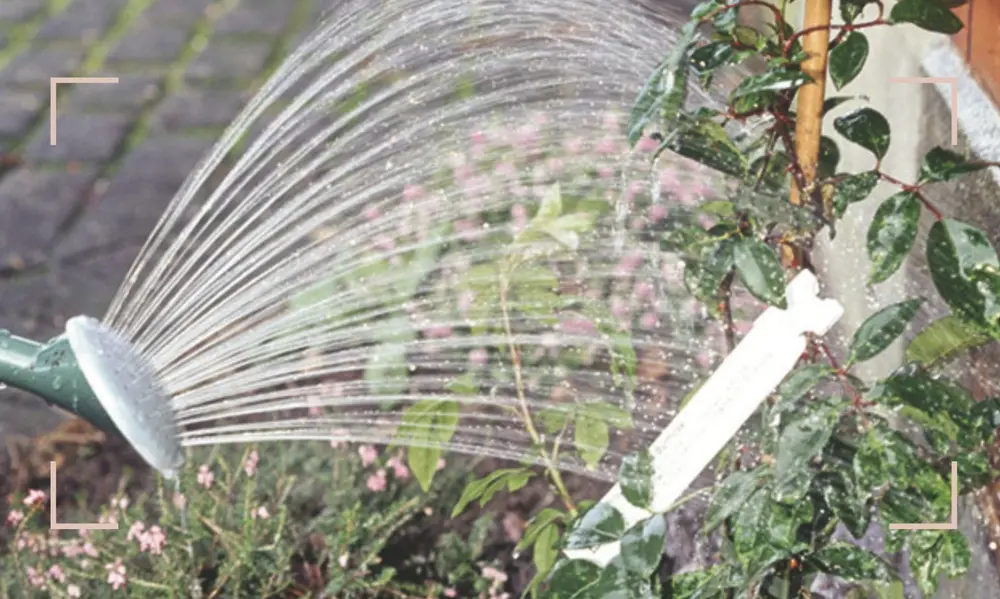
Most autonomously go through the activity of watering their plants without knowing what precisely they require. This commonly results in diseased growth or even damage to plant life.
Watering daily without checking soil
The first one is the most common mistake. For certain plants, it is not required to water them on a daily basis. A good practice is to first check the top soil. If it still seems moist, then do not water. Overwatering can cause rotting roots.
Using pots without drainage
These pots without holes hold onto excess water in the bottom. It chokes roots and eventually leads to rot. Roots prefer well-drained soil.
Ignoring plant type
Different plants have different needs. Succulents like to dry out in between watering while tropical plants love the moisture. Not all plants are treated equally in your garden, that’s not true.
Routine Schedule All Year Long
You should water more in summer and less in winter. Only following a single routine ignores seasonal changes and may bring excessive stress to the plant.
By learning from these mistakes, you are going to be encouraged into practicing good indoor plant care and eventually prevent any type of water-related issues while reaching plant health and making your watering routine much more effective and reliable.
Practical Example: Simple Weekly Plant Watering Schedule
Here is a basic example you can follow:
| Day | Task |
| Monday | Check all plants, water leafy plants |
| Wednesday | Water herbs and flowering plants |
| Friday | Check moisture levels |
| Sunday | Water outdoor plants if needed |
This flexible plant watering schedule works well for beginners.
Expert Insight (E-E-A-T)
From practical experience and widely shared gardening data, the best approach is observation over strict routine.
At peeacelily.com, we have seen that plants respond better when watering is based on soil condition rather than fixed days. This simple shift improves plant survival rates significantly.
This reflects real-world plant care tips used by both beginners and experienced gardeners.
Conclusion
A proper plant watering schedule is the foundation of healthy plants. There is no one-size-fits-all rule. The key is to understand your plant type, check the soil regularly, and adjust based on seasons and environment.
By following simple plant care tips and focusing on smart indoor plant care, you can avoid common mistakes and help your plants grow strong and vibrant.
FAQs
1. How often should I follow a plant watering schedule?
Check your plants every few days, but water only when the soil is dry.
2. Can I water all plants on the same day?
No. Different plants have different needs, so your plant watering schedule should vary.
3. What is the best way to know if a plant needs water?
Touch the soil. Dry soil means it is time to water.
4. Is overwatering worse than underwatering?
Yes. Overwatering can cause root rot, which is harder to fix.
5. Does indoor plant care require daily watering?
No. Most indoor plants need watering only once or twice a week depending on conditions.