Key Takeaways
- The Role of Color in a Sleep-Friendly Bedroom is to create a calm, comfortable environment that supports relaxation before bedtime.
- Soft blue is one of the best bedroom colors for promoting restful sleep.
- Sage green, warm beige, muted gray, and lavender are also excellent calming bedroom colors.
- Bright red, neon shades, and highly saturated colors may feel too stimulating for a sleep-focused space.
- Natural light can change how paint colors appear, so always test samples before painting.
- Matching your walls, bedding, furniture, and lighting creates a balanced and peaceful bedroom.
- A simple, clutter-free room with soothing colors helps support a relaxing bedtime routine.
- Choosing colors you personally find calming is just as important as following popular design trends.
Quick Answer
The best bedroom colors for sleep are soft blue, sage green, muted gray, warm beige, lavender, and gentle earth tones. These calming bedroom colors create a peaceful environment that encourages relaxation and helps prepare your body for restful sleep. Bright reds, neon shades, and highly saturated colors are generally less suitable because they can make a room feel more energetic than relaxing.
Why Bedroom Color Matters for Sleep
Most people think sleep quality depends only on pillows, mattresses, or room temperature. While those factors are important, the visual environment also influences how relaxed you feel before bedtime.
Your brain constantly processes what it sees. Calm colors create a sense of comfort, while bold colors naturally attract attention and increase mental activity. Because your bedroom is the place where you end your day, its color palette should help your mind slow down instead of keeping it alert.
A peaceful bedroom does not guarantee perfect sleep, but it can support healthy bedtime habits and make it easier to relax after work, school, or other daily responsibilities.
Some benefits of calming bedroom colors include:
- Creating a more peaceful atmosphere
- Helping reduce visual stress
- Supporting a relaxing bedtime routine
- Making the bedroom feel cozy and inviting
- Complementing soft lighting and comfortable bedding
How Colors Affect Your Mind Before Bed

Color psychology studies how different colors influence emotions and behavior. Although everyone’s preferences are different, certain colors are commonly associated with feelings of calmness and comfort.
Cool Colors Encourage Relaxation
Cool shades like blue and green are often connected with nature. They remind people of clear skies, forests, lakes, and open spaces. Because of these associations, many people find these colors peaceful and refreshing.
These shades can help create an environment where reading, meditation, or quiet conversation feels natural before going to sleep.
Warm Neutral Colors Feel Cozy
Not every relaxing bedroom needs blue walls. Soft beige, cream, ivory, taupe, and warm gray create warmth without overwhelming the senses.
These colors work especially well in bedrooms that receive plenty of natural sunlight because they keep the room feeling bright while still maintaining a calm appearance.
Bright Colors Increase Energy
Highly saturated reds, oranges, and vibrant yellows naturally grab attention. They are excellent choices for playrooms, kitchens, or creative spaces, but they may not be ideal for a bedroom designed for rest.
Using them as small decorative accents is usually a better approach than covering an entire room with intense colors.
Best Bedroom Colors for Sleep
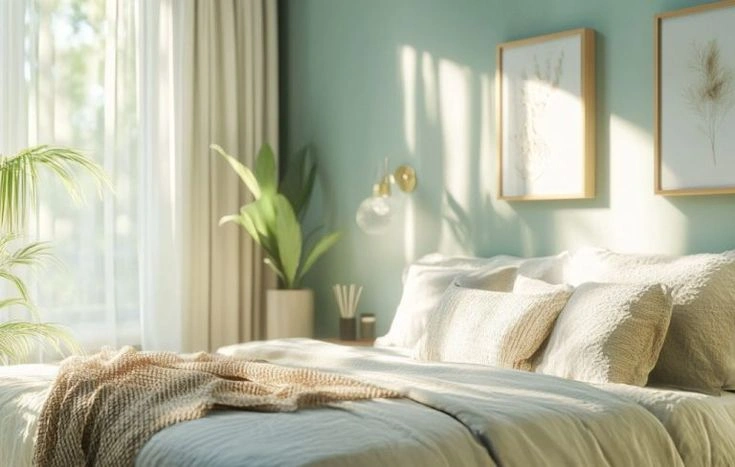
Choosing the right paint color doesn’t mean following trends. The best option is one that makes you feel calm every time you enter the room.
Soft Blue
Soft blue is often considered one of the best colors for sleep. It creates an airy, peaceful feeling that reminds many people of clear skies and calm water.
Blue pairs beautifully with white bedding, light wood furniture, and natural fabrics such as cotton and linen.
Best for
- Modern bedrooms
- Coastal themes
- Minimalist interiors
- Small bedrooms needing a spacious feel
Sage Green
Sage green has become increasingly popular because it combines softness with warmth. Inspired by nature, it creates a balanced environment without feeling cold.
Unlike darker greens, sage keeps the bedroom looking fresh while maintaining a soothing atmosphere.
It also complements wooden furniture, woven baskets, indoor plants, and cream-colored bedding.
Warm Beige
Beige remains one of the safest choices for people who want a timeless bedroom.
Rather than becoming the center of attention, beige allows furniture, artwork, and bedding to stand out while maintaining a peaceful backdrop.
It also works well in traditional, farmhouse, Scandinavian, and contemporary interiors.
Muted Gray
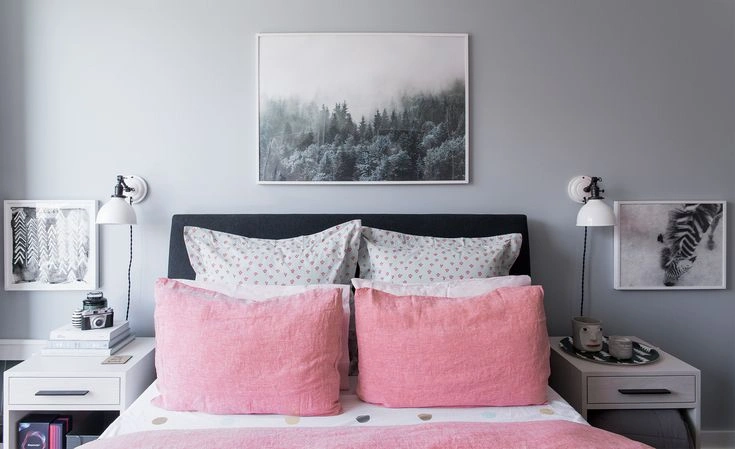
Gray sometimes receives criticism for feeling cold, but choosing a warm-toned gray instead of a blue gray creates a sophisticated and relaxing environment.
Warm gray pairs nicely with:
- White bedding
- Wooden furniture
- Soft lighting
- Textured blankets
- Natural rugs
Avoid extremely dark gray in small bedrooms because it may make the space feel enclosed.
Lavender
Lavender combines the peaceful qualities of blue with the gentle warmth of purple.
When used in soft tones, it creates a comforting bedroom without becoming overwhelming. It is especially popular in guest bedrooms and spaces designed for relaxation.
Comparison of Popular Bedroom Colors
| Color | Relaxation Level | Best For | Avoid If |
|---|---|---|---|
| Soft Blue | Excellent | Stress relief and peaceful sleep | You prefer warm color schemes |
| Sage Green | Excellent | Nature-inspired bedrooms | Very dark furniture dominates the room |
| Warm Beige | Very Good | Classic and cozy spaces | You want bold modern interiors |
| Warm Gray | Very Good | Contemporary bedrooms | The room has very little natural light |
| Lavender | Good | Gentle and elegant bedrooms | You dislike cool color tones |
How to Choose the Right Color for Your Bedroom
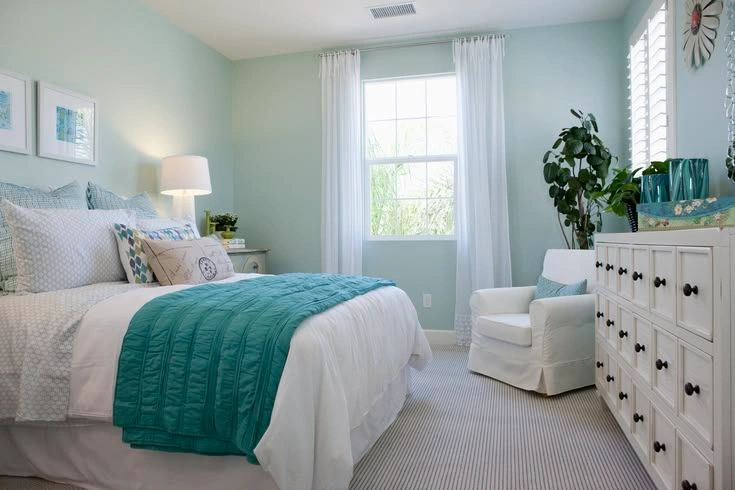
The best bedroom color is one that helps you feel relaxed. While color psychology offers useful guidance, personal preference also matters. If a color brings you comfort and fits the rest of your space, it is likely to be a good choice.
Consider Natural Light
The amount of daylight your bedroom receives can change how paint looks throughout the day.
- Rooms with plenty of sunlight can handle cooler shades like blue or sage green.
- Darker rooms often feel brighter with warm beige, cream, or soft greige.
- Always test paint samples on the wall before making a final decision.
Think About Room Size
Color can influence how spacious a bedroom feels.
| Room Size | Recommended Colors | Effect |
|---|---|---|
| Small Bedroom | Soft blue, off-white, light gray | Makes the room feel larger |
| Medium Bedroom | Sage green, warm beige, lavender | Creates balance and comfort |
| Large Bedroom | Earth tones, muted olive, warm gray | Makes the space feel cozy |
Match the Overall Style
Your bedroom should feel consistent from wall color to furniture and decor.
- Scandinavian interiors pair well with white, gray, and light wood.
- Modern bedrooms look elegant with warm gray or greige.
- Nature-inspired spaces work beautifully with sage green and earthy tones.
- Coastal themes often use soft blue with crisp white accents.
Keeping the palette simple helps create a more peaceful atmosphere.
Colors That May Not Be Ideal for Sleep
Not every color supports a restful environment. Some shades naturally create excitement or draw attention, making it harder to relax before bedtime.
Bright Red
Red is often associated with energy and passion. Although it can look striking, using it on all four bedroom walls may make the room feel more stimulating than calming.
Neon Colors
Neon pink, bright green, electric blue, and similar shades create strong visual contrast. These colors are better suited for creative spaces than bedrooms.
Intense Orange
Orange brings warmth and personality, but highly saturated versions can make a room feel busy. If you enjoy orange, use it sparingly through cushions, artwork, or decorative pieces.
Bold Yellow
Soft buttery yellow can feel cheerful, but very bright yellow may become visually overwhelming, especially under artificial lighting at night.
More Than Paint: Build a Relaxing Color Palette
Wall color is only one part of a sleep-friendly bedroom. Every element in the room contributes to the overall atmosphere.
Bedding
Choose calming colors for sheets, duvets, and pillowcases. Cotton and linen in neutral shades often create a clean and comfortable look.
Curtains
Soft curtains in beige, gray, or muted green help tie the room together while supporting a cozy environment.
Furniture
Natural wood, white finishes, or matte textures blend well with calming bedroom colors and create visual harmony.
Decorative Accessories
Instead of filling the room with many bright items, add a few thoughtful accents such as:
- Indoor plants
- Neutral rugs
- Soft lamps
- Minimal artwork
- Woven baskets
- Cozy throws
A balanced space feels less cluttered and more inviting at the end of the day.
Expert Tips for Creating a Sleep-Friendly Bedroom
Color works best when combined with other healthy bedroom habits.
Use Soft Lighting
Warm lamps and dim lighting help create a relaxing mood in the evening. Bright white lighting can make winding down more difficult.
Keep the Color Palette Simple
Using too many contrasting colors may make the room feel visually busy. Limiting the palette to two or three main colors creates a calmer appearance.
Reduce Clutter
Even the best paint color cannot compensate for a cluttered bedroom. Keeping surfaces tidy helps the room feel more peaceful.
Add Natural Elements
Wood, cotton, linen, and indoor plants pair beautifully with calming colors. These materials create warmth without overwhelming the space.
Test Paint Before Committing
Paint samples often look different at home than they do in a store. Observe the color in morning, afternoon, and evening light before painting the entire room.
Common Mistakes When Choosing Bedroom Colors
Many homeowners focus only on appearance and forget how color affects the overall feel of the room.
Avoid these common mistakes:
| Mistake | Better Approach |
|---|---|
| Choosing trendy colors only | Pick colors that help you relax |
| Ignoring natural lighting | Test samples throughout the day |
| Using too many bold colors | Stick to a balanced palette |
| Matching every item perfectly | Add gentle contrast with textures |
| Forgetting bedding and decor | Coordinate the entire room, not just the walls |
Sleep-Friendly Bedroom Color Checklist
Use this checklist before giving your bedroom a makeover.
✔ Choose soft, calming colors.
✔ Test paint samples in natural and artificial light.
✔ Coordinate walls with bedding and furniture.
✔ Use warm, relaxing lighting.
✔ Keep decorative accents simple.
✔ Add natural materials like wood and cotton.
✔ Avoid overly bright or neon shades.
✔ Maintain a clean and clutter-free space.
Frequently Asked Questions
What is the best bedroom color for sleep?
Soft blue is widely considered one of the best bedroom colors for sleep because it creates a calm and peaceful atmosphere. Sage green, warm beige, muted gray, and lavender are also excellent choices.
Are dark bedroom colors bad for sleep?
Not necessarily. Deep colors can feel cozy when balanced with good lighting and lighter furnishings. However, very dark shades may make small rooms feel enclosed.
Is white a good bedroom color?
Yes. Warm white or off-white creates a fresh and relaxing environment. Pair it with natural textures to prevent the room from feeling plain.
Should the ceiling be the same color as the walls?
A white or slightly lighter ceiling usually makes the room feel more open. Matching the ceiling to the walls can also work in certain designs, especially with soft neutral shades.
Can bedroom color improve sleep quality?
Color alone cannot solve sleep problems, but a calming bedroom environment can support healthy bedtime routines and make it easier to relax before sleep.
Conclusion
Choosing the right bedroom color is about creating a space where you can truly unwind at the end of the day. Gentle blues, soothing greens, warm neutrals, and soft earth tones encourage a peaceful atmosphere without overwhelming the senses. Combined with comfortable bedding, warm lighting, and a clutter-free layout, these colors can make your bedroom feel more inviting and restful.
Remember that the perfect shade is the one that makes you feel calm every time you walk into the room. Take time to test paint samples, consider your room’s lighting, and build a balanced color palette that reflects your personal style. For more home wellness and sleep-friendly living ideas, explore Peeacelily, where you’ll find practical tips for creating a bedroom designed for comfort and better rest.