Key Takeways
- Sugar water is harmful for peace lilies
- Plants already make their own food naturally
- Sugar disrupts root water absorption
- Sweet soil increases root rot risk
- Sugar attracts pests like fungus gnats and ants
- Balanced fertilizer and proper watering work best
You love your houseplant, but those lush, deep-green leaves are starting to look a bit tired. Maybe the iconic white blooms haven’t shown up in months. In your search for a quick fix, you stumble across a popular internet tip: feed it a little homemade energy drink. But does sugar water for peace lily care actually work, or are you accidentally cooking up a recipe for disaster?
Let’s answer it directly: No, sugar water is not a growth hack for your peace lily, and it is largely a myth. While a tiny dose might technically feed soil microbes, pouring sugar into your pot disrupts the plant’s natural root system, blocks water absorption, and invites pests. If you want a thriving plant, standard tap or distilled water combined with a balanced houseplant fertilizer is what works.
As a dedicated indoor plant care resource, we at peeacelily want to separate viral internet trends from actual horticultural science. Let’s look closer at why this sweet remedy fails and how you should actually care for your peace lily.
The Science of Plant Digestion: Why Sucrose Fails
To understand why a sweet drink backfires, we have to look at how a peace lily works at a cellular level. It is easy to assume that because humans get an energy boost from sugar, our indoor greenery will too. However, the botanical world functions quite differently.
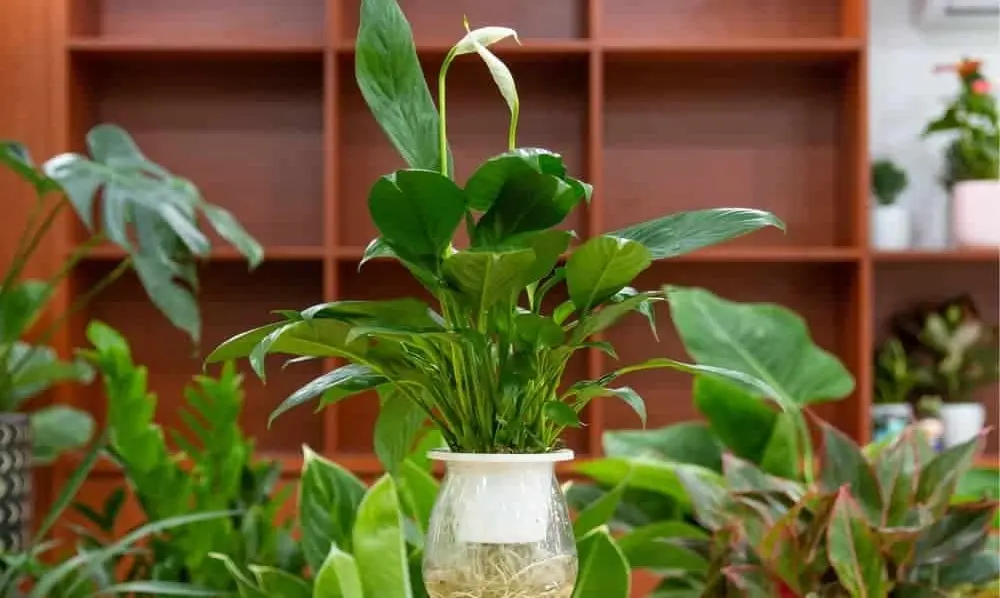
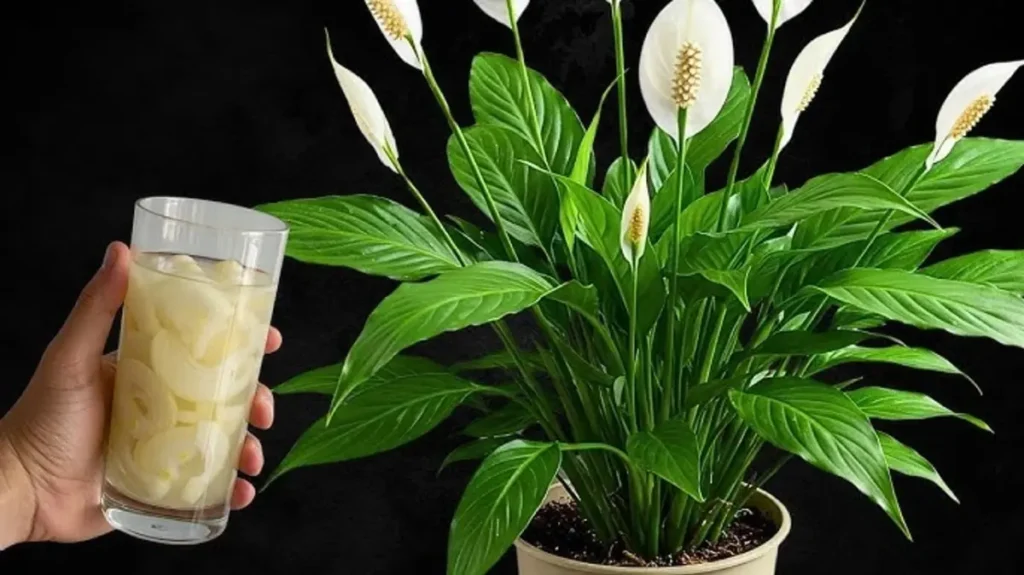
Plants already make all the food they need. Through photosynthesis, the leaves use sunlight, water, and carbon dioxide to manufacture their own internal glucose. This process is highly regulated. Their root systems are designed to absorb inorganic minerals—like nitrogen, phosphorus, and potassium not complex, processed carbohydrates like kitchen table sugar (sucrose).
When you pour a homemade sucrose solution into your container, the roots cannot easily absorb those large molecules. Instead, the sweet liquid just sits in the potting mix, fundamentally changing the soil chemistry and creating a highly stressful environment for the delicate root hairs.
Does It Actually Work? The Real Risks Exposed
Many indoor gardeners try this trick hoping to see rapid blooming or an instant perk-up. But if you try using sugar water for peace lily pots, what actually happens underground is highly damaging. Horticultural data shows that treating your soil with household sweets triggers several immediate physiological issues.
1. Reverse Osmosis and Dehydration
In normal conditions, roots absorb moisture because the water concentration outside the plant is higher than inside. When you dissolve sugar into your watering can, you increase the solute concentration of the soil.
This triggers reverse osmosis. Instead of the roots drinking from the soil, moisture is actively drawn out of the plant cells to dilute the surrounding dirt. This leaves your plant dehydrated, even if the soil feels wet to the touch.
2. Pathogen Outbreaks and Root Rot
Soil is alive with microscopic life. While some microbes are helpful, opportunistic fungi and bacteria love simple sugars.
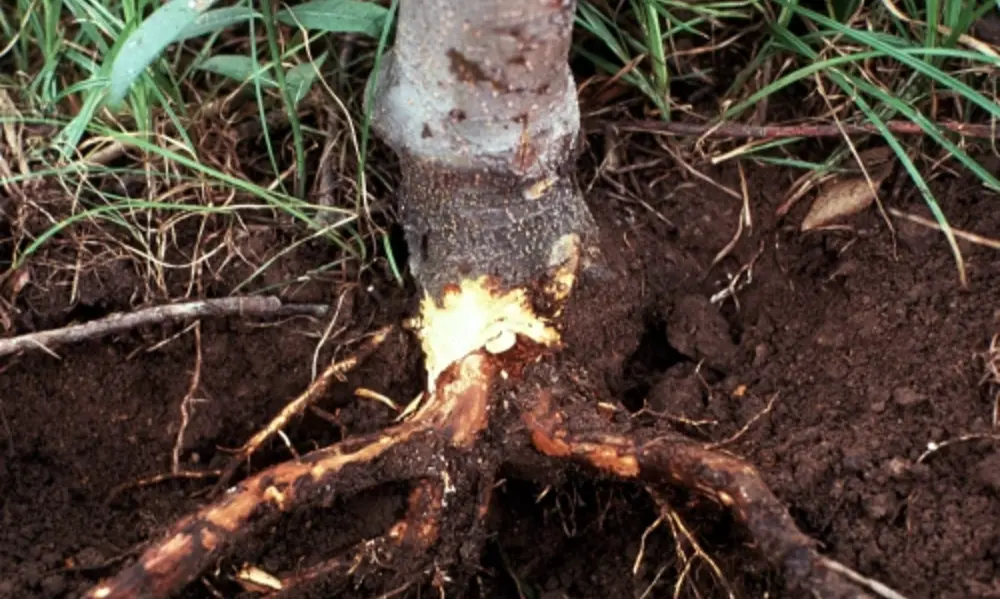
Flooding the soil with sucrose causes a massive bacterial spike. These rapidly multiplying microbes consume all the dissolved oxygen in the root zone. This creates a suffocating, anaerobic environment that leads directly to root rot, turning your healthy root system into a mushy, black mess.
3. A Magnet for Household Pests
If the internal damage isn’t enough, consider the physical mess. Sticky, sweet soil is an open invitation for common houseplant nuisances. Field data indicates a dramatic spike in pest presence within 48 hours of applying sugar to container plants.
| Critical Risk Factor | Short-Term Effect | Long-Term Consequence |
| Osmotic Pressure Shift | Roots lose the ability to draw moisture. | Foliage wilts and develops crisp, brown edges. |
| Microbial Oxygen Depletion | Useful soil oxygen is entirely consumed. | Anaerobic root rot sets in rapidly. |
| Insect Attraction | Fungus gnats and ants track the scent. | Serious insect infestations take over the container. |
How to Properly Nourish a Peace Lily
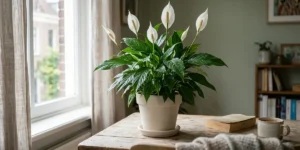
If you want healthy leaves and beautiful white spathes, ditch the kitchen pantry fixes. A peace lily that blooms vibrantly boils down to solid, dependable practices instead of internet shortcuts.
Optimize Your Lighting and Hydration
The majority of indoor cultivation stalls, not due to a lack of vigor but rather environmental factors. It prefers bright light, but indirect is fine too. I’ll slog through the dark corner for you too, and live without producing almost any flowers. Avoid exposing them to harsh direct sunlight, which burns the leaves in no time.
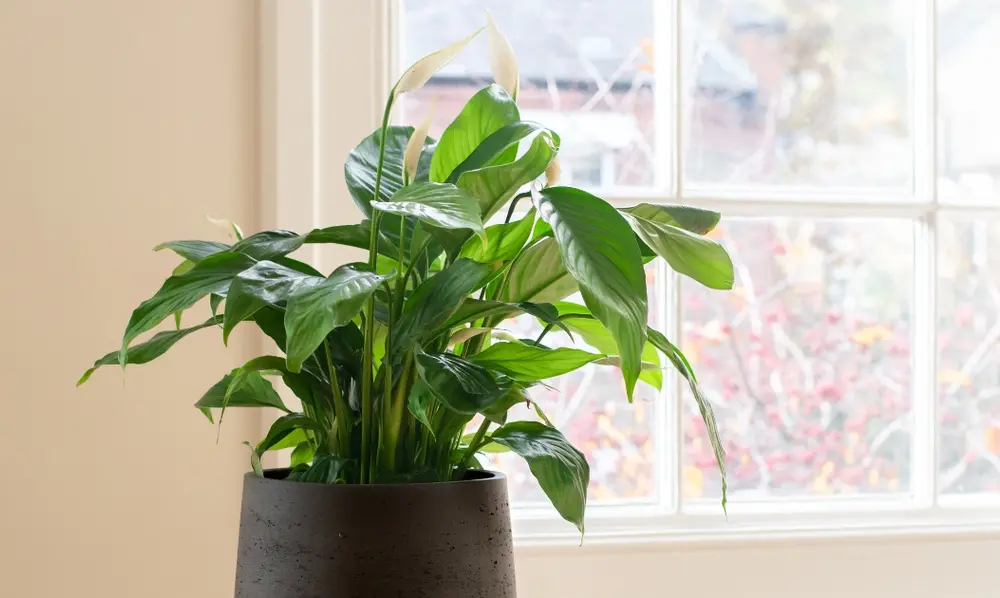
Your secret weapon to hydration is consistency. Do not water again until the top inch or so of potting soil feels dry. It will droop dramatically to let you know its thirsty if you forget. When this happens (and it does!), a good soak in some clean water at ambient room temperature will bring it back within hours.
Apply a Balanced Houseplant Fertilizer
Rather than attempting a bizarre peace lily sugar water experiment, provide your plant with real nutrients. Dilute a balanced, liquid houseplant fertilizer to half-strength and use it during the active spring and summer growing months.
Which means your husband and kids must also stay outside while it absorbs water and the minerals that the soil needs to replenish itself instead of having frozen roots taste something other than carpet.
What to Do If You Already Used Sugar Water
Do not panic if you just met your favorite container with a syrupy blend. If you catch it early, you can reduce the witching and save the root system from rotting.
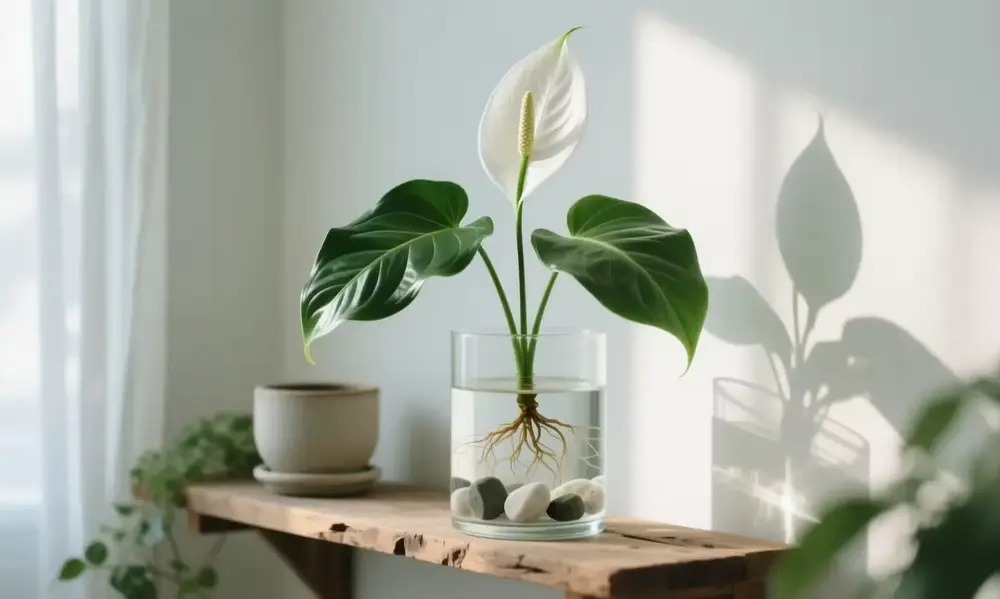
- Flush the Soil Instantly: Head to your sink or bathe with your pot. Filling a big amount of water that is lukewarm and pure slowly to ensure it moves through soil and out from the bottom holes. Do this three to four times, turning the treacle until it dissolves and washes away crystals of sucrose that have formed.
- Safe Deforestation: Allow the container to dry completely. NEVER let the base sit in a saucer of water: this makes the oxygen depletion even worse.
- Look for Pest Damage: For the following week, monitor the surface of your soil closely. If you detect small fungus gnats or ants, treat the area with a light dusting of food-grade diatomaceous earth or neem oil.
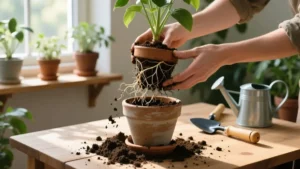
- Repot If Needed: If the soil smells bad or leaves continue going yellow after flushing, carefully take the plant out of its pot. Look at the roots, cut away any mushy bits, and re-pot it in new organic potting mix.
Frequently Asked Questions
Can sugar water revive a dying peace lily?
No. A wilting peace lily usually has watering or root problems. Sugar water can make it harder for roots to absorb moisture.
Why do cut flowers benefit from sugar but potted plants don’t?
Cut flowers use sugar as quick energy because they no longer have roots. Potted plants already make energy naturally and do not need added sugar.
What is the best natural alternative to boost plant growth?
Organic compost tea or worm castings are safer natural options. They add nutrients and support healthy soil microbes.
How often should I fertilize my peace lily?
Feed it every 4–6 weeks in spring and summer with diluted fertilizer. Do not fertilize during winter when growth slows down.