
Key Takeaways
- Sensory overload at home happens when your brain receives more sensory input than it can comfortably process.
- Common triggers include loud noise, bright lights, clutter, strong smells, and constant digital notifications.
- Symptoms can affect your mood, concentration, sleep, and physical comfort.
- Small lifestyle changes often make a noticeable difference.
- A calmer sensory home environment supports better focus, relaxation, and overall well-being.
- Managing overstimulation is about finding what works best for your unique sensory needs while creating a home that feels safe and comfortable.
Quick Answer
Sensory overload at home happens when your brain receives more sensory information than it can comfortably process. Everyday things such as loud TVs, bright lighting, cluttered rooms, strong scents, multiple conversations, or nonstop notifications can create an overstimulating home. As a result, you may feel anxious, exhausted, irritated, or unable to focus. Creating a calmer sensory home environment with softer lighting, reduced noise, organized spaces, and regular quiet breaks can make a noticeable difference.
What Is Sensory Overload at Home?
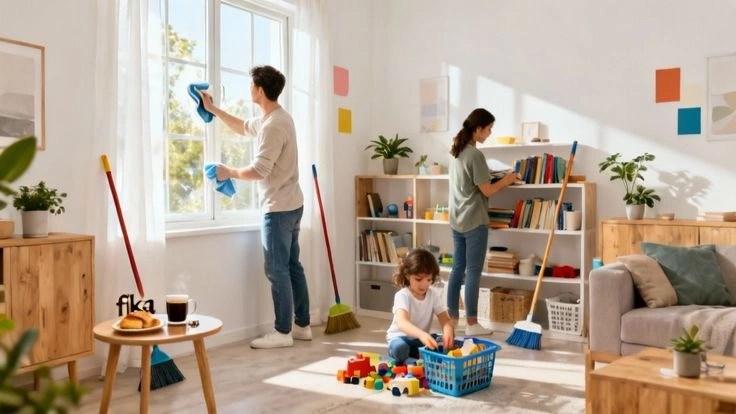
Your brain constantly processes information from your senses. Every sound you hear, light you see, smell you notice, or surface you touch requires your brain to filter and organize that information.
Normally, your brain handles this without much effort. However, when too much sensory input arrives at once, it struggles to keep up. Instead of filtering unnecessary information, everything begins competing for your attention.
Imagine cooking dinner while the television is playing loudly, children are talking, your phone keeps vibrating, bright kitchen lights are on, and dishes are piling up in the sink. Each of these things seems small on its own. Together, they can become overwhelming.
That is why an overstimulating home can leave you feeling mentally exhausted even if you have not done anything physically demanding.
How Your Brain Processes Sensory Information
Your nervous system works like a filter. Every second, it decides which information deserves your attention and which can safely stay in the background.
When this filtering system becomes overloaded, your brain has difficulty prioritizing what matters most. As a result, everyday experiences suddenly feel much more intense.
For example, a ticking clock may suddenly sound much louder. A bright ceiling light may feel uncomfortable. Even normal conversations can become difficult to follow.
This does not mean something is wrong with you. Instead, it simply means your brain has reached its processing limit for the moment.
Common Signs of Sensory Overload
The symptoms can vary from one person to another. Some people experience physical discomfort, while others notice emotional or mental changes.
Physical Signs
- Headaches
- Muscle tension
- Feeling unusually tired
- Increased heart rate
- Covering your ears or eyes
- Trouble sleeping after a busy day
Emotional Signs
- Irritability
- Feeling anxious
- Wanting to be alone
- Becoming frustrated quickly
- Feeling emotionally drained
- Crying more easily than usual
Mental Signs
- Difficulty concentrating
- Forgetting simple tasks
- Feeling mentally “stuck”
- Trouble making decisions
- Feeling like everything is happening too fast
These signs often improve once the amount of sensory input decreases.
Why Your Home Can Become Overstimulating

People often expect busy shopping centers or crowded streets to feel overwhelming. Surprisingly, home can create similar challenges because you spend so much time there.
Several small stressors can build up throughout the day without you noticing.
Noise From Every Direction
Televisions, kitchen appliances, barking dogs, traffic, children playing, video calls, and phone notifications all compete for your attention.
Even background sounds can slowly increase stress when they continue for hours.
Bright Lighting
Strong white lighting may look clean and modern, but it can feel harsh for sensitive people.
Natural daylight or softer lamps often create a much calmer atmosphere.
Visual Clutter
A room filled with piles of clothes, paperwork, decorations, toys, or unopened packages gives your brain more information to process.
Although clutter does not bother everyone equally, reducing visual distractions often makes a room feel more relaxing.
Strong Smells
Air fresheners, scented candles, perfumes, cleaning sprays, and cooking odors can combine into an overwhelming mix.
Some people barely notice these smells, while others find them distracting or even headache-inducing.
Constant Digital Stimulation
Many homes are filled with screens.
Phones buzz, televisions stay on, tablets play videos, laptops display emails, and smart devices send alerts throughout the day.
Although technology is helpful, nonstop notifications can make your brain feel like it never gets a chance to rest.
Everyday Triggers Inside the Home
The following table highlights common triggers and simple ways to reduce their impact.
| Trigger | How It May Affect You | Simple Solution |
|---|---|---|
| Loud television | Difficulty focusing | Lower the volume or use subtitles |
| Bright ceiling lights | Eye strain and headaches | Use warm lighting or dimmable lamps |
| Cluttered rooms | Mental fatigue | Declutter one small area at a time |
| Multiple conversations | Feeling overwhelmed | Step into a quiet room for a few minutes |
| Strong fragrances | Headaches or discomfort | Choose fragrance-free products when possible |
| Phone notifications | Constant distraction | Turn on Focus or Do Not Disturb mode |
Making even one or two of these changes can help create a calmer sensory home environment.
Who Is Most Likely to Experience It?
Anyone can feel overwhelmed after a stressful day. However, some people experience sensory overload at home more frequently than others.
This may include people who have:
- Autism spectrum disorder
- ADHD
- Anxiety disorders
- PTSD
- Migraine disorders
- Chronic stress
- Highly sensitive personality traits
Children and older adults may also react differently to sensory input because their nervous systems process information in unique ways.
Experiencing sensory overload does not automatically mean you have one of these conditions. It simply means your brain is receiving more stimulation than it can comfortably manage.
Why Sensory Overload Feels Different for Everyone
No two people experience sensory overload in the same way. What feels comfortable to one person may feel overwhelming to someone else. Personal sensitivity, stress levels, health conditions, and even lack of sleep can all influence how your brain responds to sensory input.
For example, someone may enjoy background music while working, whereas another person may find it impossible to concentrate with any noise at all. Likewise, a brightly lit room may feel cheerful to one person but uncomfortable to another.
Your daily mood also matters. After a stressful day, your brain has less energy to process extra sounds, lights, and activity. As a result, even small distractions can feel much more intense.
How Sensory Overload Can Affect Daily Life
Living in an overstimulating home can impact more than just your comfort. Over time, constant sensory stress may affect your focus, mood, relationships, and overall well-being.
Mental Health
When your brain rarely gets a chance to rest, you may feel mentally exhausted. Tasks that normally seem simple can become difficult to finish.
You might notice:
- Trouble concentrating
- Increased anxiety
- Feeling emotionally drained
- Difficulty relaxing
- Reduced motivation
Physical Health
Your body often reacts to sensory overload as well. Stress can trigger physical symptoms that make everyday life even harder.
These may include:
- Frequent headaches
- Muscle tension
- Fatigue
- Poor sleep
- Increased heart rate
If these symptoms continue or become severe, it is important to speak with a healthcare professional to rule out other medical causes.
Simple Ways to Create a Calmer Sensory Home Environment
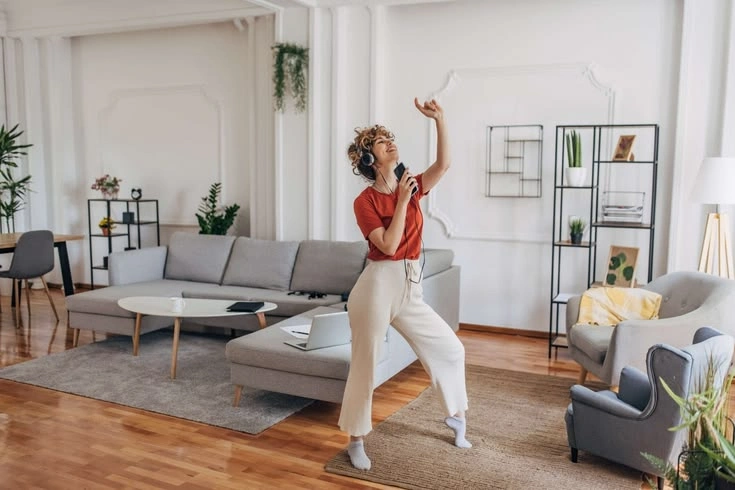
The goal is not to remove every sound or distraction. Instead, focus on reducing unnecessary stimulation and creating spaces where your brain can relax.
Reduce Unnecessary Noise
Noise is one of the biggest causes of sensory overload at home. While you cannot eliminate every sound, you can lower the overall noise level.
Try these ideas:
- Turn off the TV when no one is watching.
- Silence unnecessary phone notifications.
- Close windows during heavy traffic.
- Use rugs or curtains to soften echoes.
- Wear noise-reducing headphones when needed.
Choose Softer Lighting
Lighting has a powerful effect on how a room feels.
Whenever possible:
- Open curtains to let in natural daylight.
- Replace harsh bulbs with warm white lighting.
- Use table lamps instead of bright overhead lights.
- Install dimmer switches if available.
A softer atmosphere often helps reduce eye strain and creates a more relaxing sensory home environment.
Keep Your Space Organized
Clutter can make your brain work harder because it has more visual information to process.
Start small by organizing one drawer, one shelf, or one corner of a room. Even small improvements can make your home feel calmer.
Be Mindful of Scents
Strong fragrances can become overwhelming, especially when several scents mix together.
If you are sensitive to smells:
- Choose fragrance-free cleaning products.
- Use scented candles only occasionally.
- Improve ventilation while cooking.
- Avoid using multiple air fresheners at once.
Schedule Quiet Time
Many people stay surrounded by stimulation all day without realizing it.
Set aside 10 to 20 minutes each day to enjoy a quiet activity, such as reading, stretching, deep breathing, or simply sitting without screens.
These short breaks give your brain time to recover.
Room-by-Room Tips
Different areas of your home can contribute to overstimulation in different ways.
| Room | Common Trigger | Helpful Change |
|---|---|---|
| Living room | Loud TV and multiple devices | Lower the volume and reduce screen time |
| Kitchen | Bright lights and appliance noise | Use warm lighting and keep counters organized |
| Bedroom | Phone notifications and clutter | Create a screen-free bedtime routine |
| Home office | Constant alerts | Enable Focus mode and organize your workspace |
| Children’s room | Too many toys | Rotate toys instead of displaying everything |
Small adjustments in each room can make your entire home feel more peaceful.
Common Mistakes to Avoid
Some people try to solve sensory overload by making big changes all at once. However, this often creates more stress than relief.
Avoid these common mistakes:
- Ignoring early signs of overwhelm
- Keeping multiple screens on at the same time
- Allowing clutter to build up for weeks
- Using very bright lighting throughout the house
- Skipping regular breaks during busy days
- Assuming everyone has the same sensory needs
Instead, introduce one change at a time and notice what works best for you.
Expert Tips for Managing Overstimulation
These practical habits can help you feel more comfortable every day.
- Create one quiet space where you can relax without distractions.
- Use comfortable fabrics and furniture that help you feel at ease.
- Take short breaks from screens throughout the day.
- Keep daily routines as predictable as possible.
- Spend time outdoors whenever you can.
- Pay attention to which sounds, lights, or smells affect you most.
At Peeacelily, we encourage making gradual changes instead of aiming for perfection. Even a few thoughtful adjustments can lead to a more comfortable and balanced home.
Calming Overstimulation Checklist
Use this simple checklist to make your home feel less overwhelming.
| Task | Completed |
|---|---|
| Reduce unnecessary background noise | ☐ |
| Use softer lighting | ☐ |
| Declutter one area | ☐ |
| Limit phone notifications | ☐ |
| Improve air circulation | ☐ |
| Create a quiet relaxation space | ☐ |
| Schedule daily screen-free time | ☐ |
| Take regular sensory breaks | ☐ |
Frequently Asked Questions
Can anyone experience sensory overload at home?
Yes. Anyone can experience it during periods of stress, illness, or fatigue. However, it may occur more often in people with autism, ADHD, anxiety, or other sensory sensitivities.
Is sensory overload the same as stress?
Not exactly. Stress can contribute to sensory overload, but sensory overload specifically happens when your brain struggles to process too much sensory information at once.
How long does sensory overload last?
It varies from person to person. Some people feel better after a few minutes of quiet time, while others may need several hours to fully recover.
Can children experience sensory overload at home?
Yes. Children may become irritable, cry, avoid noise, or have difficulty calming down when they feel overstimulated.
What is the quickest way to calm overstimulation?
Moving to a quieter space, lowering noise, dimming lights, taking slow breaths, and reducing screen time can often help your brain settle more quickly.