
Quick Answer
Caring for plants can support mental wellbeing by creating a calming routine, encouraging mindfulness, reducing everyday stress, and providing a sense of accomplishment. Although plant care is not a replacement for professional mental health treatment, many people find that nurturing plants helps them feel more relaxed, focused, and connected with nature.
Why Plant Care Supports Mental Health
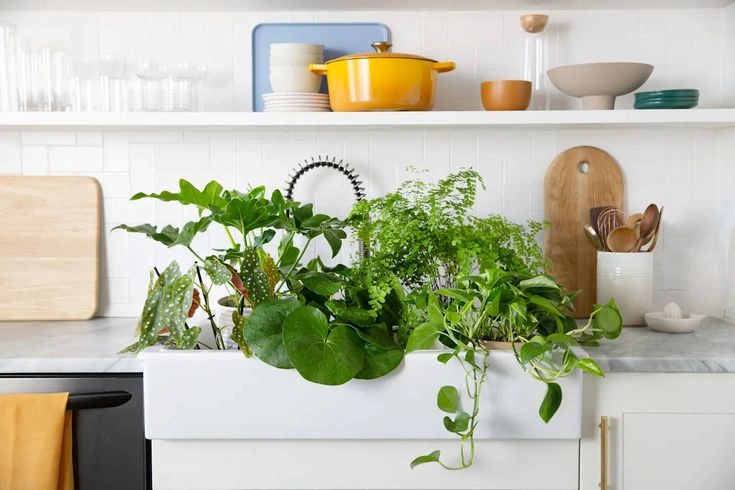
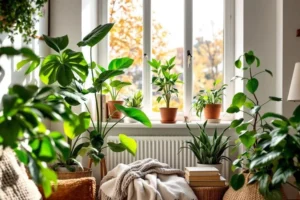
Humans have always shared a close relationship with nature. Even in modern cities, many people feel happier after spending time in a park or tending to a garden. Caring for plants brings a small part of that natural world into everyday life.
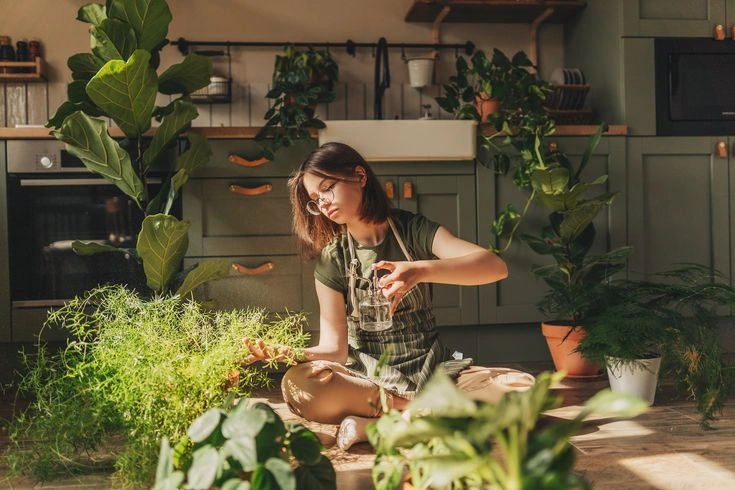
Unlike many hobbies that demand constant attention, plant care encourages you to slow down. Watering a plant, checking new leaves, or simply observing its growth allows your mind to pause for a few minutes. As a result, daily worries often become less overwhelming.
Another reason plant care feels rewarding is that progress happens gradually. A tiny sprout eventually becomes a healthy plant because of consistent care. Seeing that growth reminds people that patience and small daily actions often lead to meaningful results.
For individuals who feel overwhelmed by work, school, or family responsibilities, these quiet moments can become an important part of a healthier routine.
The Science Behind Plants and Emotional Wellbeing
Scientists continue to study how contact with nature influences mental wellbeing. Although researchers are still learning about every mechanism involved, several explanations help explain why plants can positively affect our minds.
One important factor is stress reduction. Spending time with greenery may help people feel calmer after demanding tasks. Natural environments often encourage slower breathing, lower mental fatigue, and greater relaxation.
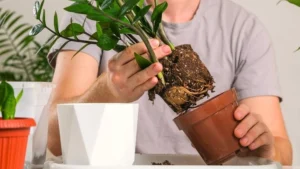
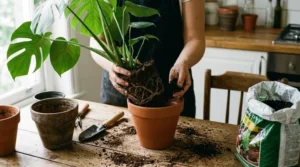
Plants also encourage mindfulness. When you focus on watering, pruning, or repotting, your attention shifts away from worries about the past or future. Instead, you become more aware of the present moment.
Another possible benefit comes from creating predictable routines. Many houseplants require regular watering, cleaning, and monitoring. Following this schedule builds responsibility while giving people something positive to look forward to each day.
Some researchers also suggest that caring for living things can strengthen feelings of purpose. Watching a plant thrive because of your efforts provides a sense of achievement that can improve overall wellbeing.
It is important to remember that plant care should be viewed as a supportive wellness activity rather than a medical treatment. Anyone experiencing ongoing mental health challenges should seek guidance from a qualified healthcare professional.
Benefits of Caring for Plants
Plant care offers many emotional and psychological benefits that fit naturally into everyday life. While experiences vary from person to person, these are among the most common advantages.
Reduces Everyday Stress
Many people describe watering plants as a peaceful activity. Instead of thinking about deadlines or responsibilities, they focus on simple tasks that require gentle attention.
Even spending ten minutes with plants after a busy day may help create a calmer mindset before moving on to other responsibilities.
Encourages Mindfulness
Mindfulness means paying attention to the present without becoming distracted by worries. Plant care naturally supports this habit because each task requires observation and patience.
You notice changes in leaf color, soil moisture, and new growth. Consequently, your attention stays focused on what is happening right now.
Improves Mood
Watching a neglected plant become healthy again often creates genuine satisfaction. Small successes like seeing a new leaf appear can brighten your day and motivate you to continue caring for your plants.
Although these moments seem simple, they contribute to a more positive daily experience over time.
Builds a Healthy Routine
Many people struggle to maintain healthy habits because their schedules constantly change. Plants introduce gentle structure into daily life.
Checking soil moisture every morning or watering plants once a week becomes part of a predictable routine. As a result, people often become more consistent with other healthy habits as well.
Increases Sense of Responsibility
Every healthy plant reflects regular care. Seeing that your actions directly influence growth creates a feeling of accomplishment.
This sense of responsibility can be especially meaningful for beginners who want an easy hobby that provides visible progress.
Supports Better Focus
Short breaks with plants may help refresh your attention during long work or study sessions. Looking away from digital screens and spending a few minutes caring for greenery gives your mind a chance to reset before returning to important tasks.
How Plant Care Compares With Other Relaxing Activities
| Activity | Stress Relief | Daily Routine | Cost | Beginner Friendly | Connection With Nature |
|---|---|---|---|---|---|
| Plant Care | Excellent | High | Low | Yes | High |
| Reading | Good | Medium | Low | Yes | None |
| Meditation | Excellent | High | Free | Moderate | Low |
| Walking Outdoors | Excellent | Medium | Free | Yes | High |
| Painting | Good | Medium | Medium | Yes | Low |
Plant care stands out because it combines relaxation, responsibility, creativity, and a connection with nature in one simple activity.
Indoor Plants vs Outdoor Gardening
Both indoor plants and outdoor gardening support mental wellbeing, but they offer slightly different experiences.
| Feature | Indoor Plants | Outdoor Gardening |
|---|---|---|
| Space Needed | Small | Medium to Large |
| Time Required | Low | Moderate |
| Physical Activity | Low | High |
| Maintenance | Easy | Moderate |
| Suitable for Apartments | Yes | Sometimes |
| Beginner Friendly | Excellent | Good |
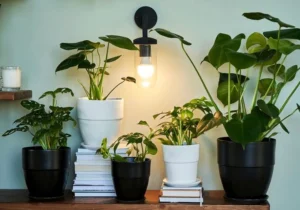
If you have limited space, indoor plants are an excellent place to begin. On the other hand, people with access to a yard or community garden may enjoy the additional physical activity that outdoor gardening provides.
How Plant Care Encourages Mindfulness
Mindfulness is the practice of paying attention to the present moment without judging your thoughts or feelings. While many people learn mindfulness through meditation, caring for plants offers a natural and enjoyable way to develop the same habit.
When you water a plant, remove dry leaves, or check the soil, your attention stays on one simple task. Instead of thinking about tomorrow’s workload or yesterday’s mistakes, you become focused on what is in front of you. As a result, your mind gets a short break from constant distractions.
Plant care also teaches patience. Plants grow at their own pace, so you learn to appreciate small changes instead of expecting instant results. Over time, this mindset can help you become more patient in other parts of life as well.
Small Plant Care Activities That Promote Mindfulness
Observe Before You Act
Spend a minute looking at your plant before watering it. Notice the color of the leaves, the condition of the soil, and any new growth. This simple habit helps you become more aware of small details.
Water Slowly
Instead of rushing, water your plants carefully. Watching the soil absorb water can feel surprisingly calming and encourages you to stay present.
Celebrate New Growth
A new leaf or flower may seem like a small achievement, yet it reminds you that steady care leads to progress. These little moments often bring genuine satisfaction.
Building Healthy Daily Habits Through Plant Care
Healthy habits are easier to maintain when they become part of a routine. Plants depend on regular care, making them excellent reminders to slow down and check in with yourself.
For example, watering your plants every Sunday morning or spending five minutes with them after work creates consistency. Although these routines are simple, they can encourage other healthy habits such as drinking enough water, exercising, or keeping your home organized.
Plant care also provides a positive reason to step away from screens. Even a short break with your plants can refresh your mind before returning to work or study.
Who Benefits the Most?
Almost anyone can enjoy the emotional benefits of caring for plants. However, some groups may find this hobby especially rewarding.
Students
Students often experience pressure from exams and assignments. Taking short breaks to care for plants can help them relax and improve concentration before returning to their studies.
Busy Professionals
Long working hours and constant notifications can become mentally exhausting. A few minutes of plant care during the day offers a peaceful pause that supports better focus.
Older Adults
Gardening and indoor plant care provide gentle daily activity and a sense of purpose. Watching plants grow can make each day feel more meaningful while encouraging regular movement.
Families
Parents and children can care for plants together. This shared activity teaches responsibility, patience, and respect for nature while creating quality family time.
Beginner-Friendly Plants
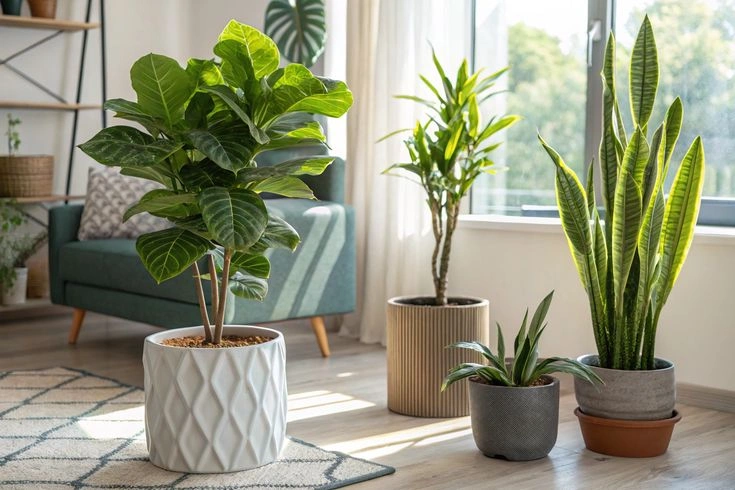
If you’re new to plant care, choose varieties that are easy to maintain. Starting with low-maintenance plants builds confidence and makes the experience more enjoyable.
| Plant | Difficulty | Water Needs | Best For |
|---|---|---|---|
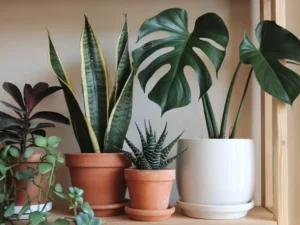
| Snake Plant | Very Easy | Low | Beginners |
| Pothos | Easy | Moderate | Homes and offices |
| ZZ Plant | Very Easy | Low | Busy people |
| Spider Plant | Easy | Moderate | Families |
| Peace Lily | Moderate | Moderate | Indoor spaces |
These plants are generally forgiving and can tolerate occasional mistakes, making them ideal for beginners.
How to Start a Plant Care Routine

Starting doesn’t require a large garden or expensive equipment. A single healthy plant is enough to begin.
Choose One Easy Plant
Select a plant that matches your lifestyle and the amount of sunlight available in your home.
Learn Its Basic Needs
Understand how much water, sunlight, and care your plant requires. Every species has slightly different needs.
Set a Weekly Reminder
Rather than watering randomly, check your plant on the same day each week. This helps prevent both overwatering and underwatering.
Keep a Simple Journal
Write down when you water your plants or notice new growth. Tracking progress makes the experience more rewarding.
Enjoy the Process
Plants grow slowly. Instead of expecting quick results, appreciate the small improvements you notice over time.
Common Mistakes to Avoid
Many beginners accidentally make plant care more difficult than it needs to be.
| Mistake | Better Approach |
|---|---|
| Watering too often | Check soil before watering |
| Choosing difficult plants | Start with beginner-friendly varieties |
| Ignoring light requirements | Place plants where they receive suitable light |
| Expecting fast growth | Be patient and enjoy gradual progress |
| Giving up after one mistake | Learn from experience and keep going |
Remember, every experienced gardener started as a beginner.
Expert Tips
- Start with one or two plants instead of filling your home immediately.
- Observe your plants regularly rather than watering on a fixed schedule.
- Clean dusty leaves so plants receive more light.
- Rotate indoor plants occasionally for even growth.
- Spend a few quiet minutes with your plants instead of treating care as another chore.
- Learn about each plant’s specific needs before making changes.
- Keep realistic expectations and enjoy the learning process.
Plant Care Mental Health Checklist
Use this checklist to build a simple and enjoyable routine.
- Choose a beginner-friendly plant.
- Check soil moisture before watering.
- Place plants in suitable light.
- Remove dry or damaged leaves.
- Spend five to ten minutes observing your plants each week.
- Keep a regular care schedule.
- Learn something new about your plants every month.
- Enjoy the process without expecting perfection.
Frequently Asked Questions
Can caring for plants reduce stress?
Many people find that caring for plants helps them relax by encouraging mindfulness and providing a calming daily routine. While experiences differ, it can be a helpful addition to a healthy lifestyle.
Do indoor plants improve mental health?
Indoor plants may contribute to a more pleasant environment and encourage positive habits that support emotional wellbeing. However, they should not replace professional mental health care when it is needed.
Is gardening better than keeping houseplants?
Both offer benefits. Gardening usually includes more physical activity, while indoor plants are easier to manage in smaller spaces.
How much time does plant care require?
Most indoor plants need only a few minutes of attention each week. The exact amount depends on the type of plant you choose.
Which plant is best for beginners?
Snake plants, pothos, ZZ plants, and spider plants are among the easiest options because they require relatively little maintenance.
Can children learn from caring for plants?
Yes. Plant care helps children develop patience, responsibility, and an appreciation for nature through simple daily tasks.
Conclusion
Caring for plants is a simple habit that offers more than an attractive home. It encourages mindfulness, creates healthy routines, and provides small moments of achievement that can brighten everyday life. Whether you choose a single houseplant or start a backyard garden, nurturing living plants helps you slow down and reconnect with nature.
Although plant care is not a treatment for mental health conditions, it can become a valuable part of a balanced lifestyle. Combined with regular exercise, healthy sleep, meaningful relationships, and professional support when needed, caring for plants can contribute to better emotional wellbeing over time.
The best part is that anyone can begin. You don’t need gardening experience or a large outdoor space. Start with one easy plant, care for it consistently, and enjoy watching both your plant and your confidence grow.