Peeacelily Indoor Plants (peace lilies) are low-maintenance, air-purifying houseplants ideal for beginners. They thrive in indirect light, moist soil, and humid rooms. This guide covers watering, light, common problems, and styling tips for healthy Peeacelily houseplants indoors.
Welcome to Peeacelily, your trusted home for indoor gardening guidance. Peeacelily Indoor Plants, better known as peace lilies, are among the best indoor plants for beginners and busy homeowners. This guide covers everything about Peeacelily plant care, from watering to styling, so your houseplants thrive year-round.
Key Takeaways
-
Peeacelily Indoor Plants need bright, indirect light and consistently moist soil.
-
They rank among the top air purifying plants for homes and offices.
-
Low maintenance houseplants like these tolerate low light and occasional neglect.
-
Yellow leaves and drooping are fixable with simple Peeacelily indoor gardening adjustments.
What Are Peeacelily Indoor Plants?
Peeacelily Indoor Plants belong to the genus Spathiphyllum. These beautiful specimens originate from the tropical rainforest floors of Central and South America. In their native wild habitat, they grow under dense forest canopies. This natural environment shields them from direct sunlight, so they adapt perfectly to indoor living spaces.
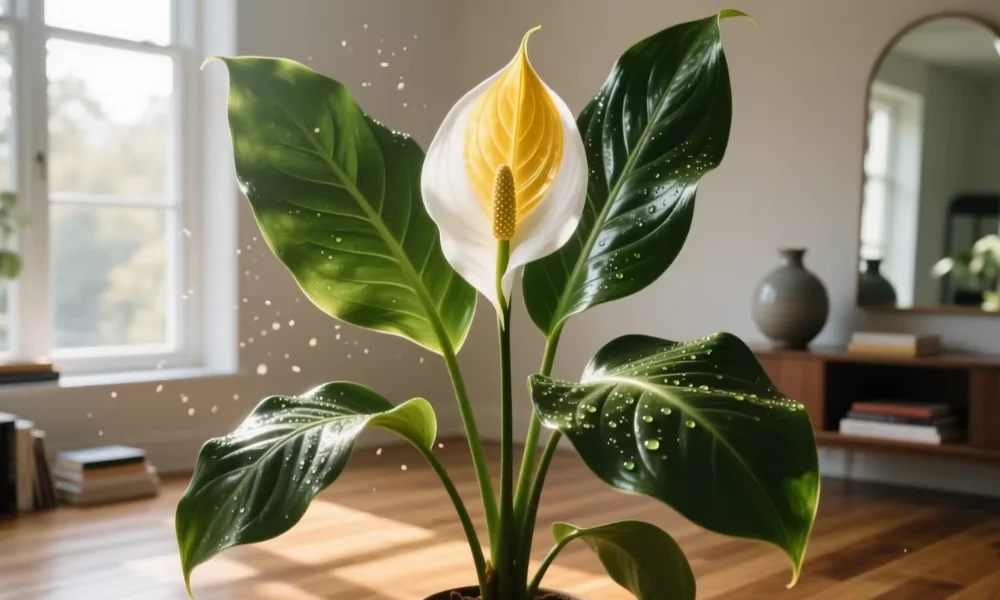
American homeowners love Peeacelily houseplants because they display deep green foliage and elegant white spathes. Many people mistake these white hoods for flowers, but they are actually specialized leaf bracts. The true flowers are the tiny spikes inside the hood. These structural adaptations make them robust choices for interior spaces. They add lasting tropical beauty to any room.
Peeacelily Plant Care: Complete Growing Guide
Successful Peeacelily plant care requires you to mimic a tropical rainforest environment. You can achieve this balance easily by managing light, water, and soil quality in your home.
Peeacelily Plant Care: Light and Placement Requirements
Peeacelily Indoor Plants prefer medium to bright indirect sunlight. Direct sunlight will scorch their delicate green leaves and turn them crisp brown. You should place your plant near an east-facing window. A north-facing window also provides excellent, steady light. You can place them in low-light corners, but they will produce fewer white blooms in dark spaces.
Peeacelily Plant Care: Watering and Humidity Needs
Consistency is the main secret to excellent watering routines. You must keep the soil moist but never soggy. Water your plant when the top inch of soil feels dry to your touch. These plants will droop dramatically when they need water, so you will always know their condition. They love high humidity above 50 percent. You should mist the leaves or use a pebble tray.
Peeacelily Plant Care: Soil, Potting and Fertilizer Tips
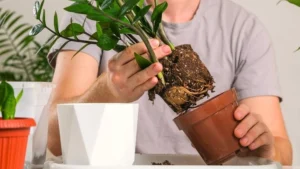
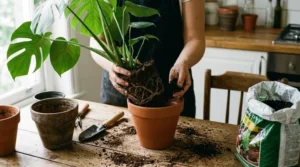
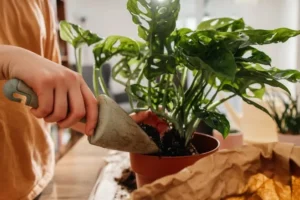
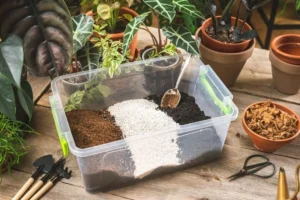
Use a well-draining potting mix rich in organic matter. A mix of peat moss, perlite, and pine bark works best. This combination holds moisture but lets excess water drain away easily. Choose a container with large drainage holes. Feed your plant with a balanced water-soluble fertilizer every six weeks during spring and summer. Do not fertilize during winter.
Peeacelily Indoor Gardening: Ideal Temperature Range
Peeacelily indoor gardening thrives in stable, warm temperatures. Keep your indoor rooms between 65°F and 85°F. Protect your plants from cold drafts near air conditioning vents, windows, or exterior doors. Cold air causes severe stress and damages the root systems. If you feel chilly in a room, your peace lily is likely cold too.
Peeacelily Plant Care Quick-Reference Chart
| Factor | Ideal Condition | Warning Signs |
| Light | Bright, indirect light | Scorched brown patches, pale leaves |
| Water | Consistently moist soil | Dramatic drooping, dry leaf tips |
| Humidity | 50% or higher | Crispy brown leaf edges |
| Soil | Peat-rich, well-draining | Standing water, sour soil odor |
| Temperature | 65°F to 85°F | Sudden leaf drop, black spots |
| Toxicity | Toxic to pets (Oxalates) | Drooling, pawing at the mouth |
Why Peeacelily Houseplants Are Among the Best Air Purifying Plants
Peeacelily houseplants offer far more than just visual appeal. Environmental studies show they function as top-tier air purifying plants for modern indoor living spaces. The historic NASA Clean Air Study evaluated how specific plants filter harmful indoor air toxins. The research proved that Spathiphyllum species actively remove volatile organic compounds from the surrounding atmosphere.
The plant filters out benzene, formaldehyde, trichloroethylene, xylene, and ammonia. These toxins often escape from household paint, synthetic carpets, and common cleaning products. The broad green leaves absorb these gases through tiny pores called stomata. Then, root microbes break down the toxins safely.
And these plants release moisture into the air. This process raises room humidity and reduces airborne dust. Clean indoor air improves concentration and lowers daily stress levels significantly.
Peeacelily Home Gardening: Styling & Placement Ideas
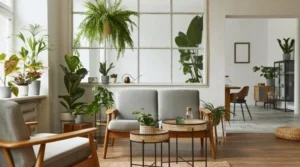
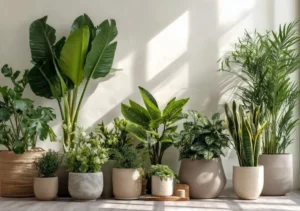
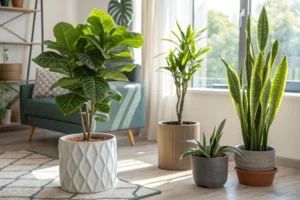
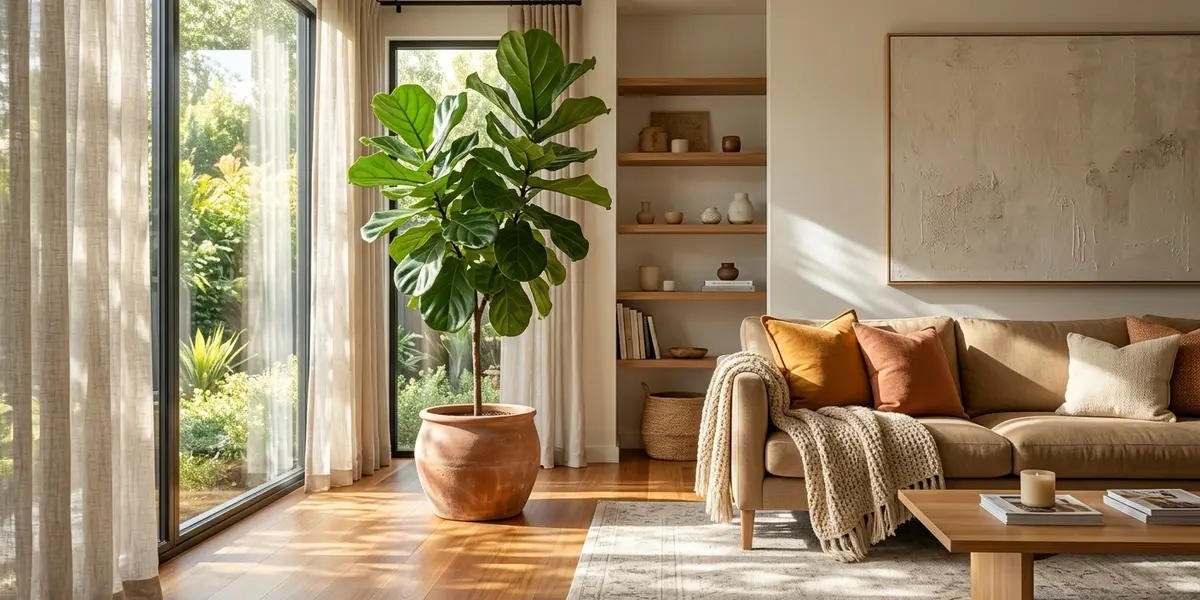
Smart placement elevates your overall Peeacelily home gardening experience. The deep green leaves offer a bold contrast against light-colored walls. You can place a large potted peace lily on the floor in an empty living room corner. This layout instantly fills dead space with vibrant, natural texture.
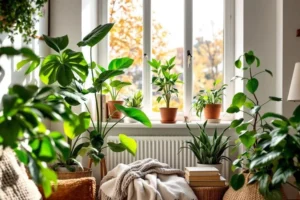
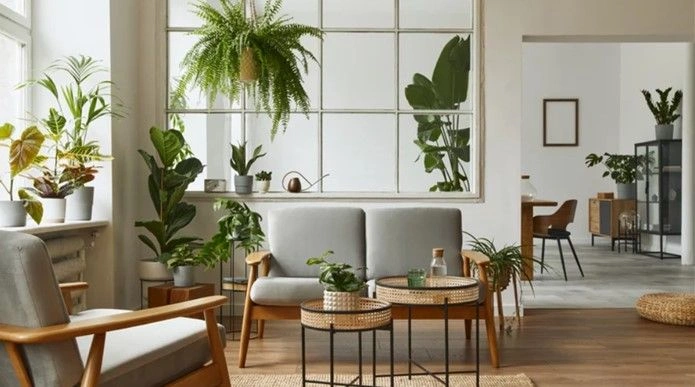
The bathroom is another perfect location for these plants. Bathrooms provide natural humidity from showers, so the plant stays lush without constant misting. You can also place smaller pots on home office desks or bedroom nightstands. The elegant white bracts match modern minimalist decor, traditional setups, or rustic aesthetics. Group them with trailing vines to create a beautiful, layered indoor jungle look.
Peeacelily Indoor Gardening: Common Problems and How to Fix Them
Even tough plants face issues sometimes. You can resolve most common peace lily problems quickly if you know what signs to check.
Peeacelily Plant Care Troubleshooting: Yellow or Brown Leaves
Yellow leaves usually indicate overwatering or poor soil drainage. You must check the bottom of the pot for standing water. Let the soil dry out before you water again. Brown leaf tips mean low humidity or excess tap water chemicals. Switch to distilled water or rainwater to stop this tip burn.
Peeacelily Indoor Gardening: Why Is My Plant Not Blooming?
A lack of white blooms means your plant needs more light. Peace lilies survive in dark corners, but they require bright indirect light to produce spathes. Move your plant closer to a bright window. You can also apply a low-nitrogen, high-phosphorus fertilizer to stimulate new flower growth safely.
Peeacelily Houseplants: Pest Prevention Tips
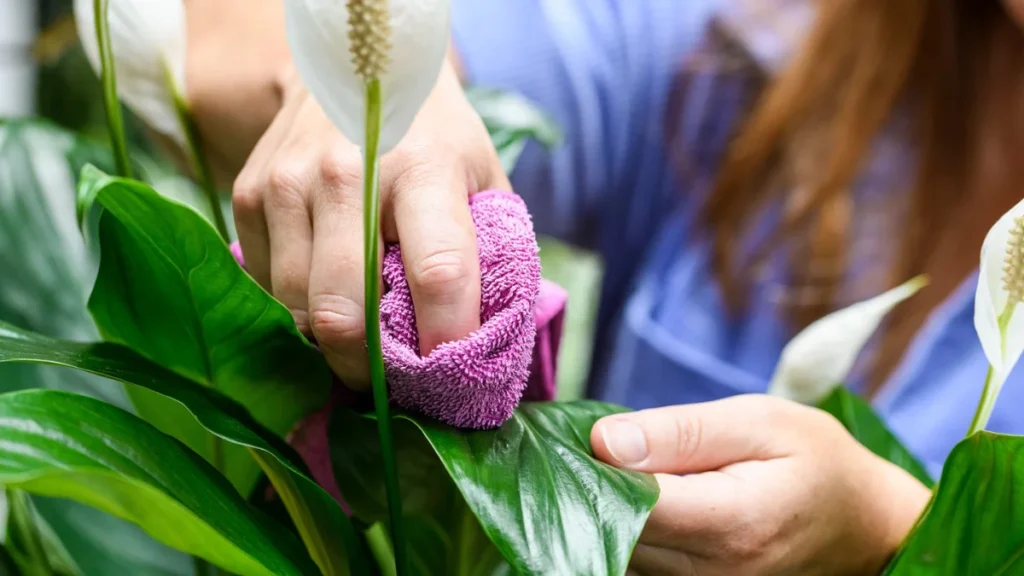
Peeacelily houseplants occasionally attract fungus gnats, spider mites, or mealybugs. Soil that stays too wet encourages fungus gnats to breed. Wipe the broad green leaves regularly with a damp cloth to remove dust and hidden mites. If you spot pests, spray the foliage with organic insecticidal soap or neem oil.
Peeacelily Troubleshooting
| Problem | Likely Cause | Quick Fix |
| Severe Drooping | Dry soil | Water deeply immediately |
| Yellowing Leaves | Overwatering | Reduce watering, check drainage |
| Brown Leaf Tips | Dry air or chlorine | Mist often, use distilled water |
| No White Blooms | Too much shade | Move to brighter indirect light |
| White Fuzzy Spots | Mealybugs | Wipe leaves with neem oil mix |
| Mushy Stems | Root rot | Repot in fresh, dry soil mix |
Peeacelily Indoor Plants vs. Other Best Indoor Plants for Low Maintenance Homes
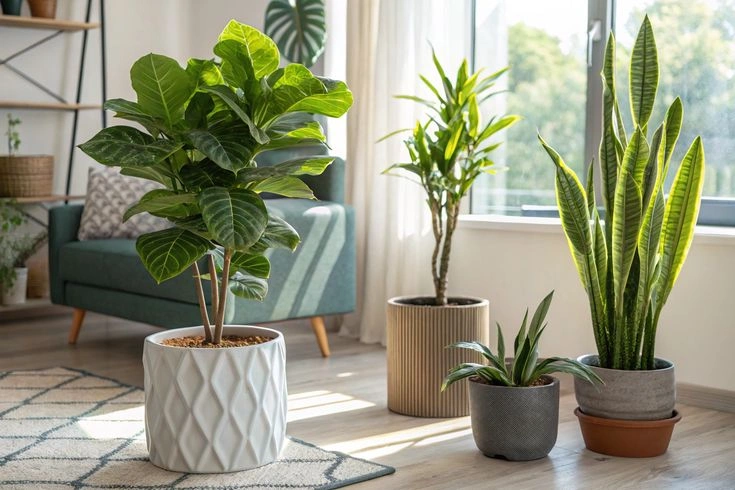
Many people compare peace lilies to other low maintenance houseplants like snake plants, pothos, or ZZ plants. Snake plants and ZZ plants thrive on extreme neglect and survive weeks without water. They store moisture in their thick leaves or rhizomes, so they prefer dry soil.
But Peeacelily Indoor Plants offer a unique benefit. They communicate their needs clearly by drooping when dry, so you never guess their watering schedule. They also bloom reliably indoors, while snake plants and ZZ plants rarely produce flowers inside a home.
Pothos vines grow quickly, but they lack the upright, structured architectural presence of a large peace lily. This combination of clear communication, beautiful blooms, and air-purifying power makes peace lilies one of the best indoor plants for your collection.
Conclusion
Peeacelily Indoor Plants are resilient, air-purifying, low maintenance houseplants perfect for any home. With proper Peeacelily plant care, right light, watering, and humidity your peace lily will thrive for years. Explore more Peeacelily indoor gardening guides at Peeacelily to grow your indoor jungle confidently.
Frequently Asked Questions
Is Peeacelily Indoor Plants safe for pets?
No, these plants are not safe for pets. They contain insoluble calcium oxalate crystals. If dogs or cats chew the leaves, the crystals cause severe mouth irritation, drooling, and swallowing difficulties. Keep them on high shelves away from pets.
How often should I water my Peeacelily houseplant?
You should water your plant roughly once a week. Check the soil before adding water. Stick your finger into the soil. If the top inch feels dry, water thoroughly until moisture drains out from the bottom holes.
Can Peeacelily Indoor Plants survive in low light?
Yes, they can survive in low-light rooms quite well. They are excellent choices for dark offices or hallways. However, the plant will grow much slower, and it will rarely produce its signature white flowers without indirect sunlight.
Are peace lilies good air purifying plants?
Yes, they are exceptional air purifying plants. Research proves they absorb dangerous indoor toxins like formaldehyde, benzene, and carbon monoxide. Their large leaves and root systems actively clean your indoor air every single day.