Quick Answer
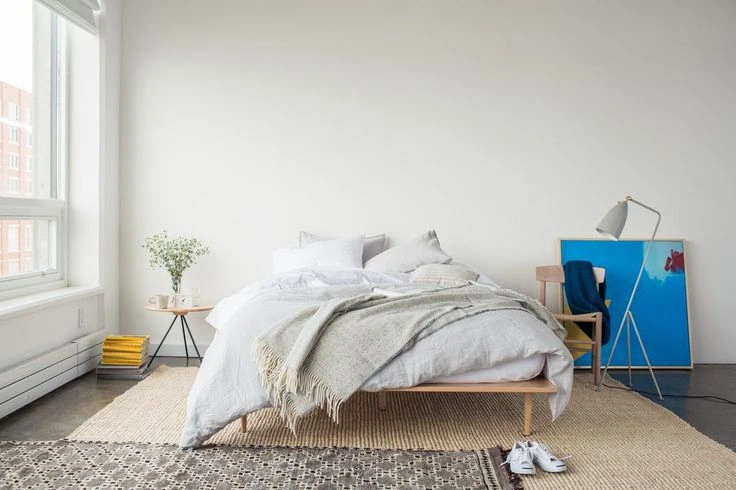
Designing a bedroom for deep rest starts with creating a calm and comfortable environment. Use soothing colors, comfortable bedding, supportive pillows, soft lighting, minimal clutter, and a cool room temperature. Together, these elements transform your bedroom into a peaceful sleep sanctuary that encourages better sleep and supports daily recovery.
Why Bedroom Design Affects Sleep Quality
Sleep is not only about how long you stay in bed. Your surroundings also play an important role in helping your brain and body prepare for rest.
Bright lights, loud sounds, uncomfortable bedding, and clutter can keep your mind active. On the other hand, a quiet and organized room signals that it is time to relax.
When your bedroom supports healthy sleep, you may notice benefits such as:
| Bedroom Feature | How It Helps |
|---|---|
| Soft lighting | Encourages relaxation before bedtime |
| Comfortable bedding | Improves comfort throughout the night |
| Cooler temperature | Helps the body fall asleep naturally |
| Reduced clutter | Creates a calmer and less stressful environment |
| Noise control | Minimizes sleep interruptions |
| Quality mattress | Supports proper body alignment |
Instead of treating your bedroom like a storage space or home office, think of it as your personal recovery bedroom where your body can fully recharge.
What Makes a Bedroom a Sleep Sanctuary?
A sleep sanctuary is designed to help you disconnect from daily stress. Every item in the room should contribute to comfort rather than distraction.
It is not about expensive furniture or luxury decorations. Rather, it focuses on creating an atmosphere that feels peaceful, clean, and inviting.
A restful bedroom usually includes:
- Comfortable bedding
- Soft lighting
- Neutral or calming colors
- Limited distractions
- Fresh air
- Comfortable room temperature
- Organized storage
- Minimal electronic devices
When these elements work together, your bedroom becomes a place your mind naturally associates with sleep.
Start with a Calm Color Palette
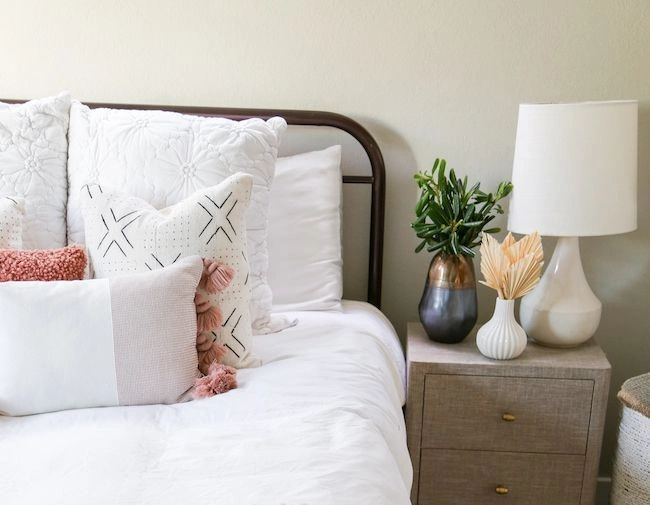
Color affects mood more than many people realize. Bright or highly saturated colors can make a room feel energetic, while softer shades create a sense of calm.
For a restful bedroom design, choose colors inspired by nature whenever possible.
Best Colors for Deep Rest
| Color | Feeling It Creates |
|---|---|
| Soft white | Clean and peaceful |
| Warm beige | Cozy and relaxing |
| Sage green | Fresh and calming |
| Light blue | Quiet and soothing |
| Dusty gray | Balanced and restful |
| Muted taupe | Warm and comfortable |
Avoid using very bright reds, neon colors, or bold patterns across large areas. These shades may feel exciting during the day but can make relaxation more difficult at night.
If you enjoy vibrant colors, use them as small decorative accents rather than the main theme.
Choose Comfortable Bedding
Your bedding directly affects how comfortable you feel throughout the night. Even a high-quality mattress cannot perform well if your sheets and blankets trap heat or feel uncomfortable.
Look for breathable materials that remain comfortable across different seasons.
Bedding Essentials
| Item | Recommended Choice |
|---|---|
| Bed sheets | Cotton or linen |
| Pillowcases | Breathable natural fabrics |
| Blanket | Lightweight but warm |
| Comforter | Suitable for your local climate |
| Mattress protector | Breathable and washable |
Natural fabrics generally allow better airflow than many synthetic materials. They also help reduce overheating, which often interrupts sleep.
Layering your bedding also makes it easier to adjust your comfort level throughout the year.
Select the Right Mattress and Pillow
No bedroom feels restful if your mattress causes discomfort.
The best mattress is one that supports your sleeping position while keeping your spine properly aligned. Personal comfort matters more than following trends.
Likewise, your pillow should support your neck without pushing your head too high or allowing it to sink too deeply.
Matching Pillows to Sleeping Position
| Sleeping Position | Best Pillow Type |
|---|---|
| Side sleeper | Medium to high loft |
| Back sleeper | Medium support |
| Stomach sleeper | Low loft and soft support |
Replacing worn-out pillows and mattresses when they no longer provide proper support can improve sleep quality significantly.
Control Natural and Artificial Light
Light is one of the strongest signals that tells your brain whether it is time to stay awake or prepare for sleep.
During the day, natural sunlight helps regulate your body’s internal clock. However, once evening arrives, softer lighting encourages your body to produce melatonin naturally.
Daytime Lighting
Allow as much natural daylight into your bedroom as possible. Open curtains in the morning and let sunlight brighten the room. This simple habit supports a healthier sleep schedule later in the evening.
Evening Lighting
As bedtime approaches, reduce bright overhead lighting. Instead, choose warm bedside lamps, dimmable lighting, or soft wall lights.
Blackout curtains are also helpful if outdoor lights or early morning sunlight regularly disturb your sleep.
Reduce Noise for Better Sleep

Even low levels of background noise can interrupt deep sleep without fully waking you.
If outside sounds are common where you live, consider simple ways to reduce them.
Some practical options include:
- Thick curtains
- Area rugs
- Upholstered furniture
- Weather stripping around windows
- White noise machine
- Quiet fan for gentle background sound
These additions create a calmer environment without requiring major renovations.
Keep the Bedroom Cool
Temperature plays an important role in sleep quality. Most people sleep more comfortably in a slightly cool room than in a warm one.
If your bedroom often feels hot, try improving airflow before relying only on air conditioning.
Simple ideas include:
- Use breathable bedding.
- Keep air vents unobstructed.
- Open windows when outdoor temperatures are comfortable.
- Use a ceiling or standing fan.
- Avoid heavy blankets during warmer months.
A cooler environment helps your body maintain the natural temperature changes that occur during healthy sleep.
Arrange Furniture for a Relaxing Space
The way you arrange furniture can affect how calm and functional your bedroom feels. A crowded layout may make the room feel smaller, while a simple arrangement creates a more open and peaceful atmosphere.
Start by placing the bed where it feels like the natural focal point. Leave enough walking space on both sides whenever possible. This makes the room feel balanced and easier to move around.
Simple Furniture Layout Tips
- Keep pathways clear.
- Avoid blocking windows.
- Use bedside tables only for essentials.
- Choose furniture that fits the room size.
- Leave extra floor space instead of filling every corner.
A bedroom should feel open rather than overcrowded. Every piece of furniture should have a purpose.
Declutter Your Bedroom
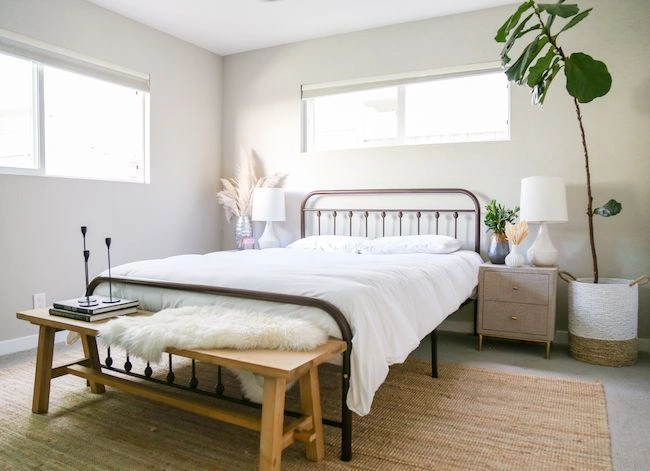
Clutter can make it difficult to relax because your brain continues processing visual distractions. An organized room often feels calmer before you even get into bed.
You do not have to become a minimalist. Instead, focus on removing unnecessary items and keeping everyday essentials neatly stored.
Easy Ways to Reduce Clutter
| Do | Avoid |
|---|---|
| Store clothes properly | Leaving laundry on chairs |
| Organize bedside items | Filling tables with random objects |
| Hide cables | Tangled charging cords |
| Keep decorations simple | Overcrowded shelves |
| Use storage baskets | Stacking items on the floor |
Even spending a few minutes tidying the room each evening can make your bedroom feel more relaxing.
Add Natural Elements
Nature has a calming effect that works well in a restful bedroom design. Bringing natural materials indoors can make the space feel warmer and more inviting.
You do not need to redesign the entire room. Small touches are often enough.
Consider adding:
- Wooden furniture or accents
- Linen or cotton fabrics
- Indoor plants suited to bedrooms
- Woven baskets
- Stone or ceramic décor
- Fresh flowers from time to time
If you choose plants, make sure they are easy to maintain and appropriate for indoor spaces.
Bedroom Technology: Helpful or Harmful?
Technology can improve comfort, but too many devices may interfere with quality sleep.
Televisions, gaming consoles, bright screens, and frequent notifications keep your mind engaged when it should be winding down.
Helpful vs Distracting Technology
| Helpful | Distracting |
|---|---|
| White noise machine | Television left on overnight |
| Sunrise alarm clock | Bright phone screen before bed |
| Dimmable smart lights | Constant social media scrolling |
| Quiet fan | Loud gaming setup |
| Air purifier | Work laptop on the bed |
If possible, charge phones away from the bed and avoid using them during the last part of your evening routine.
Add Personal Comfort Without Overdecorating
Your bedroom should reflect your personality while still promoting rest.
Choose decorations that bring positive feelings without making the room feel busy.
Good choices include:
- A favorite framed photo
- Simple artwork
- Soft throw blankets
- Decorative cushions in moderation
- One or two meaningful keepsakes
When every surface is covered with decorations, the room can start to feel visually overwhelming instead of peaceful.
Common Bedroom Design Mistakes
Many bedrooms look attractive but are not designed with sleep in mind.
Avoiding these common mistakes can make a noticeable difference.
| Mistake | Better Choice |
|---|---|
| Bright ceiling lights late at night | Warm bedside lighting |
| Too many decorative items | Simple and organized décor |
| Heavy synthetic bedding | Breathable natural fabrics |
| Working from bed every day | Separate work and sleep spaces |
| Loud electronics | Quiet surroundings |
| Dark room all day | Let in natural daylight each morning |
Small improvements often produce better results than expensive makeovers.
Restful Bedroom vs Regular Bedroom
| Feature | Restful Bedroom | Regular Bedroom |
|---|---|---|
| Color palette | Soft and calming | Mixed or bright colors |
| Lighting | Warm and adjustable | Bright overhead lighting |
| Furniture | Functional and spacious | Overcrowded layout |
| Bedding | Comfortable and breathable | Chosen mainly for appearance |
| Noise | Minimized | Often ignored |
| Clutter | Organized | Frequently cluttered |
| Atmosphere | Relaxing | Busy or distracting |
A restful bedroom focuses on supporting sleep instead of simply looking stylish.
Expert Tips for Better Sleep
Good bedroom design works best when paired with healthy habits.
Here are a few practical tips:
- Make your bed every morning.
- Keep a consistent bedtime.
- Lower the lights about an hour before sleep.
- Avoid caffeine late in the day.
- Open the curtains after waking up.
- Wash bedding regularly.
- Replace worn pillows when they lose support.
- Keep bedroom scents light and fresh rather than overpowering.
These habits complement your bedroom environment and help create a stronger sleep routine.
Restful Bedroom Design Checklist
Use this checklist to evaluate your bedroom.
| Checklist | Complete |
|---|---|
| Calm wall colors | ☐ |
| Comfortable mattress | ☐ |
| Supportive pillow | ☐ |
| Breathable bedding | ☐ |
| Soft evening lighting | ☐ |
| Blackout curtains if needed | ☐ |
| Comfortable room temperature | ☐ |
| Organized storage | ☐ |
| Minimal clutter | ☐ |
| Limited electronics | ☐ |
| Quiet environment | ☐ |
| Personal relaxing touches | ☐ |
If you can check most of these boxes, your bedroom is already moving toward becoming a true sleep sanctuary.
Frequently Asked Questions
What is the best color for a bedroom that promotes sleep?
Soft blues, sage greens, warm beiges, muted grays, and off-whites are popular choices because they create a calm and relaxing atmosphere.
How can I make my bedroom feel more relaxing?
Reduce clutter, use comfortable bedding, choose warm lighting, keep the room cool, and decorate with simple, natural materials.
Is a minimalist bedroom better for sleep?
Not necessarily. The goal is not minimalism but creating a clean, organized, and comfortable environment with fewer distractions.
Should I keep a TV in my bedroom?
Many sleep experts recommend limiting televisions in the bedroom because bright screens and background noise may make it harder to fall asleep.
Do plants belong in a bedroom?
Yes, many indoor plants can add a natural, calming touch. Choose low-maintenance varieties and avoid overcrowding the room with too many plants.
What temperature is most comfortable for sleeping?
Most people sleep better in a cool bedroom. Adjust the temperature so you feel comfortable without becoming too warm during the night.
Conclusion
Designing a bedroom for deep rest is about creating an environment that supports both comfort and relaxation. From calming colors and breathable bedding to thoughtful lighting and clutter-free spaces, every detail contributes to better sleep and daily recovery.
Remember that you do not need to transform everything at once. Start with one or two improvements, notice how they affect your sleep, and build from there. Over time, these small changes can turn your room into a peaceful sleep sanctuary that helps you wake up feeling refreshed.
At Peeacelily, we believe a well-designed bedroom is an investment in your overall well-being. Creating a calming space today can support healthier sleep and a more balanced lifestyle for years to come.