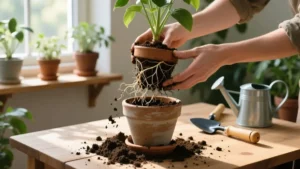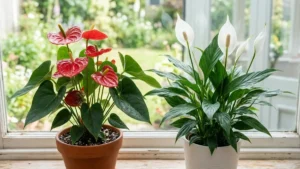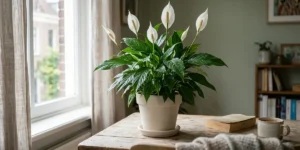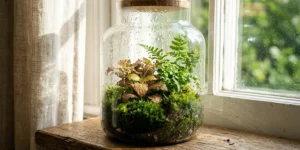
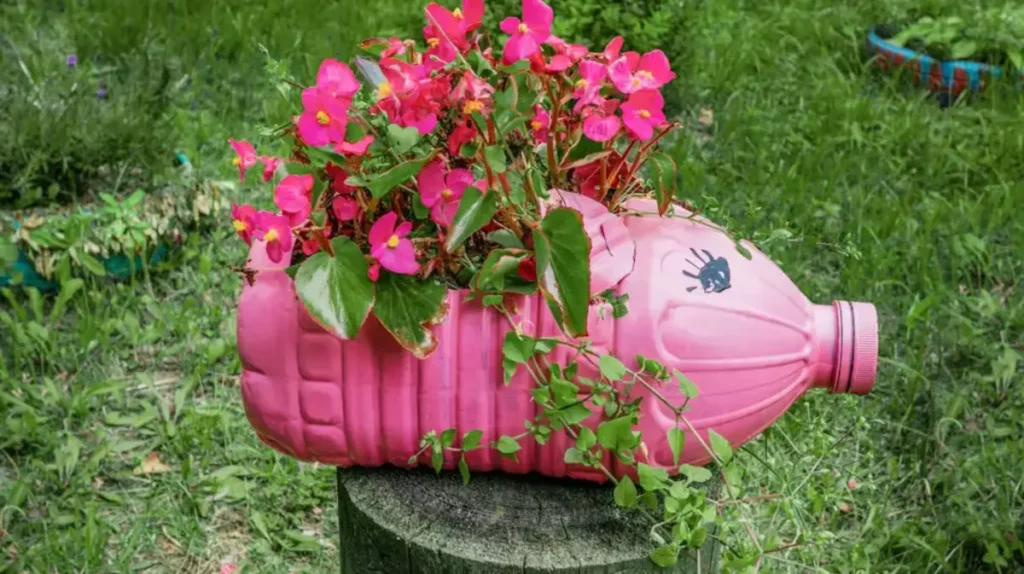
DIY plant pots are a cheap, creative way to recycle household items into unique home decor. They reduce waste, save money, and allow full customization of size, style, and design. Common materials include plastic bottles, cans, glass, and concrete. Proper drainage, safety lining, and moisture control are essential for healthy plant growth and long-term use.
Introduction
However, if you are wanting to add a personal honest touch to your houseplants for cheap, DIY plant pots is the number 1 weekend project! Homemade planters are a great way to explore fun recycled garden ideas, avoid the landfill, and save money — if you have an old box or a spare tire, there are pretty much no limits as to how big (or small) you need it to be.
With old plastic bottles, used tin cans, thrift store colanders or even a simple sand-and-cement mixture that you make yourself, you can create beautiful, one-of-a-kind plant containers. The advantages of making your own containers, in short: it gives your plants a custom home while introducing an undeniably artistic value into your interiors.
Growers at Peeacelily, and our passion is to create a green environment around you. We love providing you with beautiful houseplants and we also want to inspire the decorative pots that they are placed in. This ultimate handbook is filled with motivating craft ideas, detailed how-to commentaries, and crucial safety information for crafting nourishing luscious vessels.
The Hidden Benefits of Upcycling in the Garden
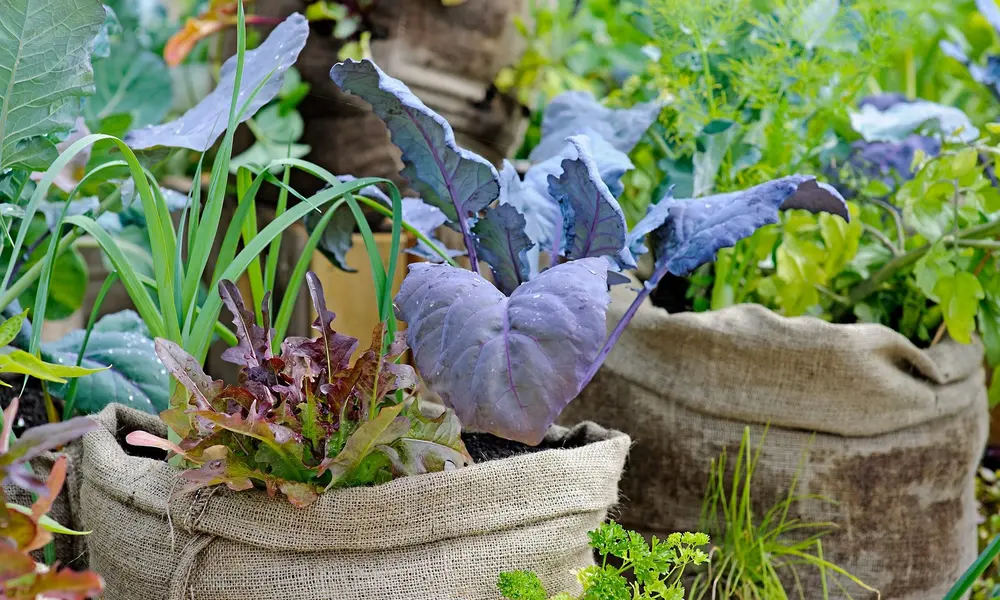
Making your own garden containers are cost-effective and environmentally friendly. Instead of ending its plastic and metal packaging in the landfill, you embrace a stylish new home on your windowsill by trying out clever recycled garden ideas.
Custom Dimensions and Total Creative Control
However, the big-box home goods stores you may shop at are cementing you to whatever color palettes and standardized shapes that are on-trend that season.
Creating your own containers liberates you from that entire box. Your materials can be painted, texturized, or sculpted to closely resemble any wallpaper, furniture legs, or carpet shades when you need them. With this customized approach, you can showcase your personality through your plant display.
Unmatched Cost Efficiency
Standard ceramic pots can be insanely pricy, especially once your collection gets out of hand. Reusing items you already purchased for something new essentially is free, leaving your budget to instead collect futuristic plant types. It’s a brilliant way of keeping your hobby sustainable, satisfying and entirely affordable.
Top Creative Concepts for Handcrafted Planters
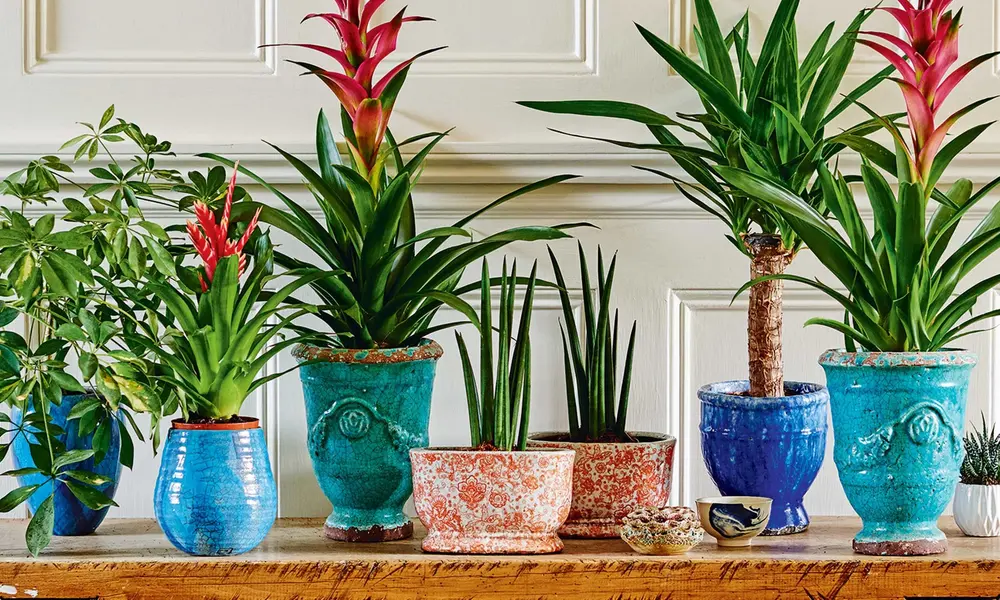
Starting your build does not require you to invest in expensive art supply tools. Check your recycling bin and utility closets for amazing building foundations and resource-saving recycled garden ideas.
The Industrial Appeal of a Concrete Planter DIY Build
A must-do is to take on a concrete planter DIY project if you want a clean, architectural feel that emulates high-end boutique design. Fill two plastic containers with cement for heavy, stable vessels in a beautiful minimalist form.
This concrete planter DIY approach yields sturdy ceramic containers that make modern bookshelves lovely and don’t tip over in a breeze with tall topheavy plants without added weight.
Upcycled Kitchenware and Textured Tin Cans
Old kitchen items are great, weird little homes for tiny succulents and vining trailing plants. Rustic jute twine can be wrapped around old metal coffee cans—one of our favorite recycled garden ideas—or a cheap, store-bought chalk paint (like this one you see stacked high) can be used to achieve the vintage farmhouse decor look. Use old ceramic teacups, vintage teapots or even metal colanders that will give you retro chic on a sunny kitchen windowsill in no time.
Vital Material Selection and Sizing Benchmarks
To ensure your construction project goes smoothly, use this helpful reference table to match common household materials with the ideal plant types and expected longevity.
| Base Material Used | Recommended Plant Type | Estimated Build Time | Durability Rating | Best Placement Spot |
| Upcycled Tin Cans | Small Succulents, Cacti | 30 Minutes | Medium (Can rust over time) | Kitchen Windowsill |
| Poured Cement Mix | Large Snake Plants, Palms | 48 Hours (Includes curing) | Exceptionally High | Balcony or Living Room Floor |
| Plastic Soda Bottles | Leafy Herbs, Pothos Starters | 20 Minutes | High (Moisture resilient) | Hanging Macrame Station |
| Thrifted Ceramics | Slow-Growing Peperomias | 15 Minutes (Drilling time) | High (Fragile if dropped) | Bedroom Nightstand |
Ensuring Proper Health Frameworks for Your Greenery
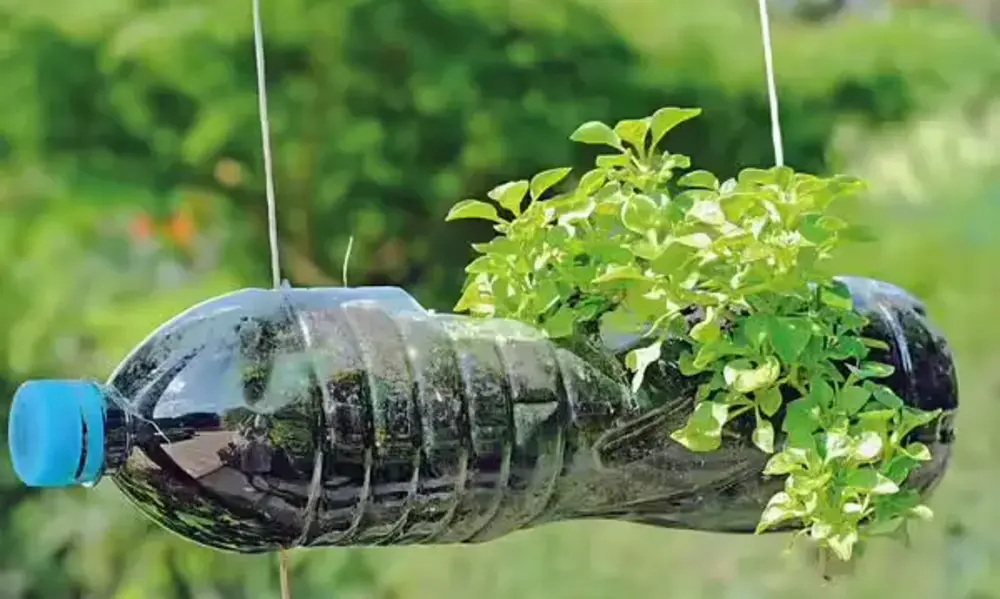
Creating gorgeous homemade plant pots is an amazing artistic achievement, but the vessel must also function as a healthy, thriving ecosystem for your roots. Without taking a few essential structural precautions, your handcrafted pots could inadvertently damage your plants.
Resolving the Drainage Dilemma
The single most important rule of container gardening is that roots cannot sit in stagnant, pooling water. If you are upcycling plastic bottles or tin cans as part of your eco-friendly recycled garden ideas, use a sharp utility knife or a hammer and nail to punch at least three drainage holes into the bottom.
For thrifted ceramic mugs or glass jars, use a diamond-tipped masonry drill bit at a slow speed, keeping the surface wet with water to prevent the material from cracking during the process.
Chemical Safety and Lining Strategies
Some materials can leach chemicals or absorb water too quickly, which can negatively impact your soil composition over time. Raw metal cans can slowly rust, while unsealed cement from a concrete planter DIY project can raise the soil’s alkalinity to dangerous levels.
To protect your roots, line the inside of your containers with a small plastic bag with matching drainage cuts, or apply a thin layer of non-toxic waterproof sealer to the interior walls before adding your soil.
Step-by-Step Instructions for Two Popular Projects
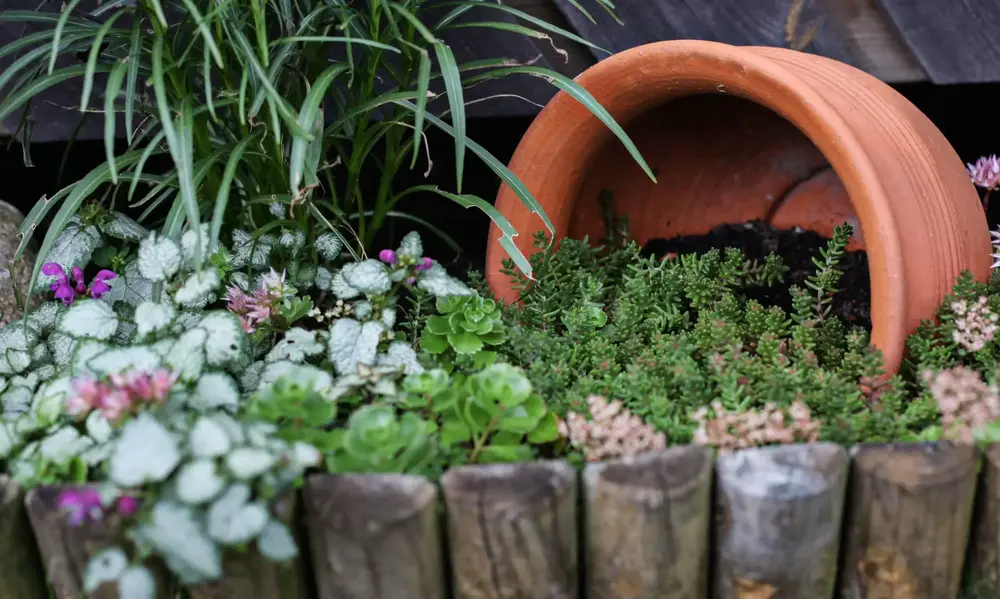
Let’s walk through the exact mechanics of creating two distinct, beginner-friendly styles that will instantly elevate your shelf decor.
Crafting the Ultimate Concrete Planter DIY Vessel
- Lubricate Your Molds: Grab a large outer plastic tub and a smaller inner container, then thoroughly coat the contact surfaces with cooking spray to prevent sticking during your concrete planter DIY build.
- Mix the Cement Batter: Combine your concrete mix with water in a bucket until it reaches the thick, workable consistency of cake batter or oatmeal.
- Pour and Tap Tap Tap: Fill the outer tub halfway with the wet mix, then tap the sides firmly with your hands to force any trapped air bubbles to the surface.
- Insert the Core Mold: Press the lubricated inner container directly into the center of the wet cement, weighting it down with heavy stones so it doesn’t float up.
- Cure and Sand Smooth: Let your concrete planter DIY mold sit completely undisturbed for 24 to 48 hours before carefully sliding the cured pot out and smoothing the edges with fine-grit sandpaper.
Building Twine-Wrapped Farmhouse Tin Can Planters
- Clean and Smooth the Can: Wash out a metal coffee or soup can thoroughly, ensuring you file down any sharp metal edges left behind by the can opener.
- Apply Your Adhesive Base: Starting at the very bottom edge of the can, apply a thin line of hot glue or strong craft adhesive around the perimeter.
- Wrap the Twine Tightly: Press your natural jute twine into the glue, wrapping it around the cylinder in tight, neat rows until the metal is completely hidden.
- Seal the Lower Interior: Spray the inside of the metal can with a rust-inhibiting clear coat to prevent watering routines from corroding your handcrafted pot.
- Add Decorative Trim Work: Finish the piece by gluing a small strip of lace, burlap ribbon, or a custom stamped wooden label around the center of your new planter.
Advanced Finishing and Painting Customizations

Once you have mastered the structural basics of constructing homemade plant pots, you can experiment with specialized art styles to give your collection a highly polished, store-bought finish.
Creating Faux-Terracotta and Marbled Textures
If you love the warm, earthy look of traditional clay but are working with plastic or glass containers, you can easily replicate the look using acrylic paint. Mix a tablespoon of baking powder into your orange-brown acrylic paint before brushing it onto your pot.
The baking powder creates a gritty, matte chemical reaction that dries into an identical imitation of expensive rustic terracotta. For your concrete planter DIY builds, you can swirl drops of black liquid cement dye into the wet mix just before pouring to achieve a luxurious, high-contrast marbled pattern.
Conclusion
Sinking your teeth into a creative planting project is a wonderful way to honor your love for nature while expressing your personal design style.
Whether you are transforming old plastic bottles into whimsical hanging baskets using budget-friendly recycled garden ideas or pouring an industrial concrete planter DIY masterpiece, making homemade plant pots gives you complete freedom to build a unique indoor jungle. Take your time, ensure your drainage holes are perfectly clear, and enjoy the deep satisfaction of watching your greenery thrive inside a vessel you made with your own two hands.
When you are ready to find the perfect, vibrant plant companions to settle into your brand-new custom creations, let Peeacelily guide you with our premium botanical varieties and trusted care tips!
Frequently Asked Questions
Which household materials are safest for homemade plant pots?
Food-safe plastic, untreated ceramic, glass, and concrete are safe choices. Use a plastic liner inside old painted or metal containers.
How do I prevent homemade pots from scratching furniture?
Attach felt pads or cork under the pot base. This protects surfaces from scratches and moisture marks.
Can I use cardboard or paper mache for indoor plant pots?
They work well for temporary seed starters. They are not durable for long-term indoor use because moisture breaks them down.
Are drainage holes necessary in homemade plant pots?
Yes, drainage holes are very important to prevent water from collecting at the bottom. Without them, roots can rot due to excess moisture buildup.