Key Takeaways
- Minimalist plant decor creates calm, uncluttered interiors
- Fewer plants = stronger visual and emotional impact
- Choose structured plants like Snake Plant or Fiddle Leaf Fig
- Neutral, textured pots enhance a modern aesthetic
- Negative space is essential for a clean, premium look
- Rule of Three prevents visual clutter in plant groupings
- Light and shadows can turn plants into living design elements
A clean, open living room filled with natural sunlight can completely transform your mood, but it often feels like it is missing a final, grounding touch. Many homeowners make the mistake of cluttering their tables and windowsills with endless knick-knacks, hoping to inject life into their space.
Instead, the solution lies in minimalist plant decor, which uses the natural, clean beauty of greenery to create a calm and sophisticated environment. By focusing on fewer, higher-quality plants, you can instantly turn a stark, cold room into a warm, organic sanctuary.
Using minimalist plant decor is the intentional practice of selecting houseplants as living architectural accents rather than random decorative fillers. It balances negative space with striking botanical silhouettes, allowing your greenery to breathe and stand out. At peeacelily, we believe that a home shouldn’t just look peaceful it should feel peaceful, and embracing an intentional approach to houseplant interior design is the absolute best way to achieve that balance.
Why Houseplant Minimalism Rules Modern Design
In recent years, the interior design world has experienced a massive shift away from chaotic, overstuffed “indoor jungles.” The modern trend leans heavily into quiet luxury and biophilic design the practice of connecting our indoor living spaces with the natural world. Instead of buying every trendy succulent at the local nursery, thoughtful curators utilize houseplant interior design to treat plants like pieces of fine art.
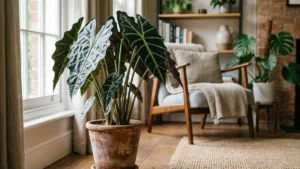
When you implement minimalist plant decor to limit the visual noise in a room, your mind relaxes. Plants naturally soften the hard geometric angles of modern furniture, such as sharp coffee tables or square shelving units. A single, thriving leaf variant can bring a sense of organic movement into a static room, making intentional plant home decor a vital element for filtering light and casting soft shadows against a neutral backdrop.
Moreover, integrating houseplant interior design principles makes everyday plant maintenance incredibly manageable. Instead of spending your entire weekend watering, dusting, and treating fifty small potted plants, you only have to care for a few key specimens. It is a sustainable, stress-free design philosophy that relies on curated plant home decor to value quality over sheer quantity.
How to Select the Perfect Minimalist Greenery
Not every plant fits neatly into a modern aesthetic. If a plant grows too aggressively or has a messy, unkempt habit, it can quickly disrupt the clean lines of a minimalist room. When designing your plant home decor, you want to look for plants that possess a strong structural form, unique foliage textures, and predictable growth patterns.
1. Architectural Floor Giants
If you want to make a big impact with zero clutter, a massive statement tree is your best friend. Instead of filling an empty corner with an accent chair you will never sit in, drop a large, potted specimen there to anchor the room.
- The Fiddle Leaf Fig (Ficus lyrata): An absolute classic for houseplant interior design. Its giant, leather-like leaves and stark, upright trunk look like a living sculpture against a plain white or beige wall.
- The Bird of Paradise (Strelitzia): Known for its massive, paddle-shaped leaves, this plant brings a clean, dramatic vertical line into sun-drenched rooms without making your minimalist plant decor feel messy.
2. Clean, Low-Maintenance Icons
For tabletop surfaces, open shelves, or sideboards, select plants that maintain a tight, graphic silhouette and require very little hands-on intervention.
- The Snake Plant (Sansevieria): With its upright, sword-like leaves, this plant acts like a geometric design element. It is estimated to survive on minimal water and can easily thrive in those dim, low-light corners of your home.
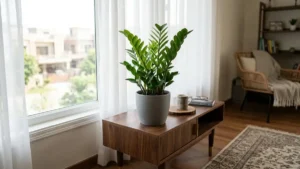
- The ZZ Plant (Zamioculcas zamioculcas): This plant features perfectly arranged, waxy leaves that boast an incredible natural shine. It looks completely intentional, uniform, and stays compact for years.
Smart Plant Pairings for Minimalist Interiors
| Design Goal | Ideal Plant Choice | Recommended Container Style |
| Architectural Height | Fiddle Leaf Fig or Rubber Tree | Tall, matte concrete or sandstone cylinder |
| Sharp Geometric Lines | Variegated Snake Plant | Textured, square ceramic pot in soft cream |
| Soft, Elegant Movement | Satin Pothos or Heartleaf Philodendron | Handcrafted terracotta or neutral hanging vessel |
| Low-Light Sophistication | Glossy ZZ Plant | Sleek charcoal or dark matte ceramic basin |
4 Principles of Plant Home Decor Styling
To execute this look perfectly, you cannot just set a plastic grower pot on your counter and call it a day. The container, the placement, and the space around the plant all play an equal role in your overall minimalist plant decor layout.
Avoid the Clutter Traps
The biggest rule of minimalist plant decor is to leave room to breathe. Avoid crowding your windowsills with dozens of tiny pots.
If you want to display multiple plants on a sideboard or a wide shelf, stick strictly to the “Rule of Three.” Group exactly three plants of varying heights together such as one tall, one medium, and one small trailing variety and leave the remaining two-thirds of the surface completely empty. This creates a curated, artful vignette rather than a cluttered shelf.
Choose Monochromatic and Textured Pots
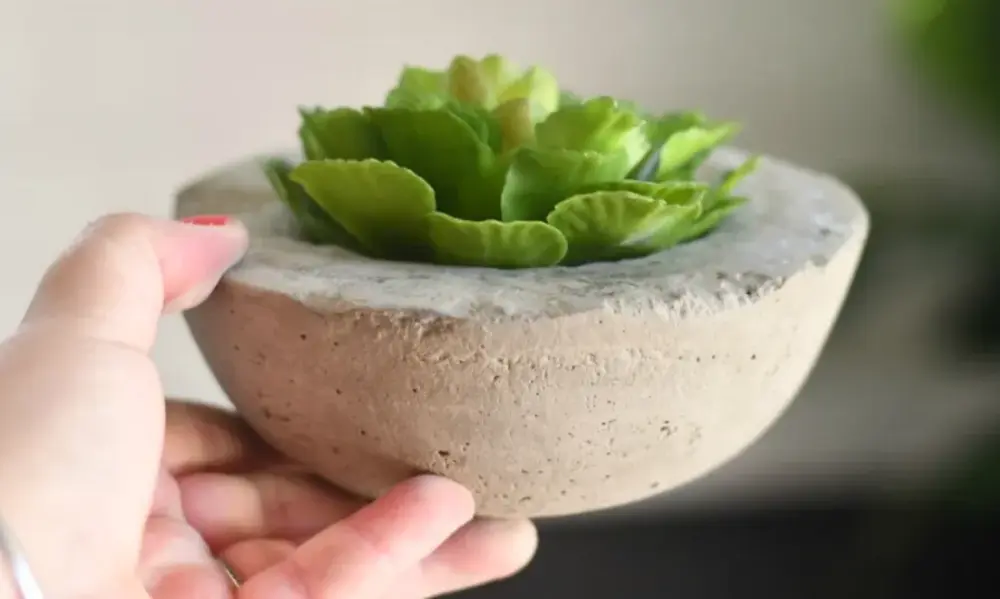
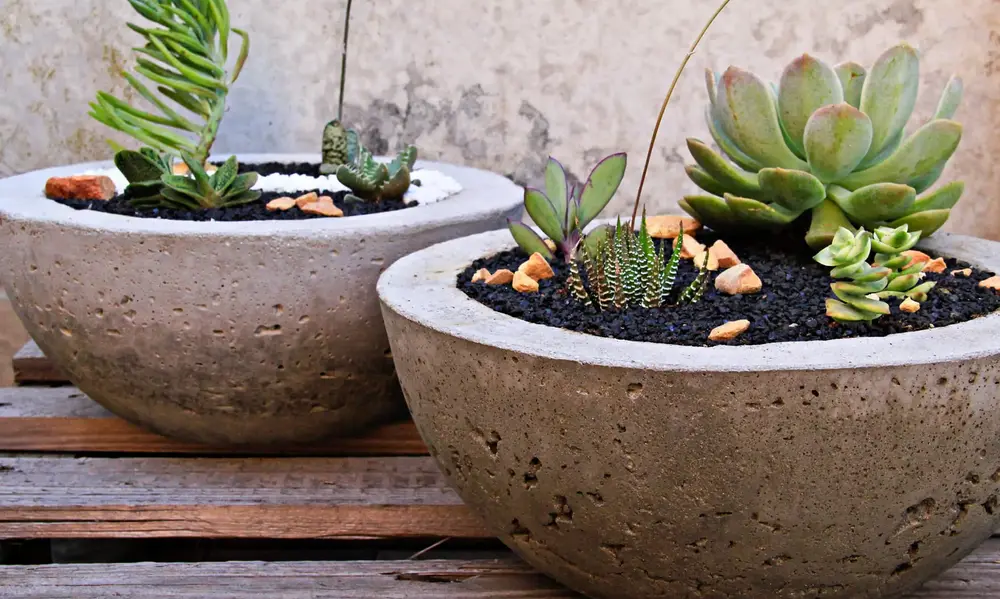
Your planters should always support the beauty of the foliage, never compete with it. Say goodbye to brightly colored, highly glossy plastic pots. Instead, invest in high-quality containers made from raw, natural materials like stone, matte ceramic, clay, concrete, or unglazed terracotta.
Stick to an organic color palette of sandstone beige, soft cream, charcoal grey, and matte white. At peeacelily, we love pairing a deeply textured, rough ceramic pot with a smooth, glossy leaf to create a subtle visual contrast that feels incredibly grounding.
Maximize Your Negative Space
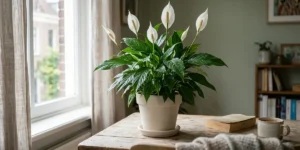
In minimalist plant decor, the empty space around your plant is just as important as the plant itself. If you put a gorgeous Monstera next to a loud gallery wall, a pile of magazines, and an intricate lamp, the plant loses its visual power. Clear away the unnecessary items.
Let a beautiful specimen occupy an entire wall or table surface by itself. When a plant is given its own designated zone, it immediately looks more expensive, dramatic, and refined.
Play with Natural Light and Soft Shadows
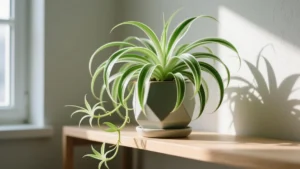
Modern architecture heavily emphasizes natural light, and you can use this to elevate your houseplant interior design. Place a structurally unique plant, like a Split-Leaf Philodendron, where the morning or afternoon sun can stream directly through its leaves.
The intricate patterns will cast stunning, moving shadows across your bare walls and floors throughout the day. This creates a fluid, living element in your home that changes by the hour without adding a single piece of physical clutter.
Simple Maintenance for Flawless Foliage
Because you are displaying fewer plants, every single leaf matters. In a minimalist setting, a plant with brown, dusty leaves or dying stems stands out immediately for the wrong reasons. Keeping your plant home decor looking pristine requires just a few minutes of mindful care each week.
First, keep a soft, damp microfiber cloth on hand to wipe the dust off your plant leaves at least once a month. Clean leaves don’t just look incredibly shiny and beautiful; removing the dust layer also allows the plant to photosynthesize much more efficiently, keeping it vibrant and healthy. Second, prune away yellow or damaged leaves as soon as they appear. Cut them cleanly at the base of the stem to maintain that perfectly manicured, uniform aesthetic.
Finally, ensure your pots have hidden drainage liners inside them. Minimalist design values flawless surfaces, so use heavy-duty, waterproof saucers inside your decorative pots to completely protect your hardwood floors and pristine modern tabletops from accidental water damage.
Conclusion: Crafting Your Personal Green Sanctuary
Transforming your home into a relaxing oasis doesn’t require an overhaul of your furniture or an endless collection of accessories. By embracing the clean, intentional rules of minimalist plant decor, you can elevate your modern living spaces using the organic beauty of nature. Remember to focus on structural shapes, pick neutral, earthy planters, and always give your green companions plenty of negative space to breathe.
When you style your houseplant interior design with care, your home transitions from a simple living space into a restorative, biophilic sanctuary. If you are ready to bring a sense of lasting peace, elegance, and intentional style into your environment, explore the curated, beautiful inspirations at peeacelily to start building your perfect minimalist green sanctuary today.
Frequently Asked Questions
Which indoor plants are best for a clean, minimalist look?
The best plants for a minimalist aesthetic are those with strong vertical lines and uniform shapes. The Snake Plant, ZZ Plant, and Rubber Tree are exceptional choices because they maintain a very clean silhouette, don’t drop leaves constantly, and look like living sculptures in modern spaces.
How do I display multiple houseplants without creating visual clutter?
To keep your plant home decor looking organized, group your plants using the “Rule of Three.” Place three plants of distinctly different heights together in a small cluster, using matching or complementary neutral pots. Always leave plenty of empty, negative space around the group so the arrangement looks deliberate.
Can I practice minimalist plant decor if my home has low light?
Yes, you can absolutely maintain a minimalist aesthetic in dimmer spaces. Lean heavily on hardy, low-light tolerant icons like the ZZ Plant, Cast Iron Plant, or specific varieties of Snake Plants. These species maintain their crisp, structural forms perfectly without stretching or thinning out due to a lack of intense sunlight.
What kind of pots fit best within a modern minimalist home?
Look for planters featuring matte or satin finishes rather than high-gloss glazes. Containers made from authentic, raw materials like concrete, stone, matte ceramic, and unglazed terracotta in earthy tones—such as beige, charcoal, and soft white—complement minimalist spaces beautifully without causing visual distraction.