
Home should be the place where you recharge after a busy day. But if you keep wondering, “Is my home draining my energy?”, you are not alone. Many people feel tired, stressed, or unmotivated as soon as they walk through the front door, even after getting enough rest. Your living space could be playing a bigger role in your wellbeing than you realise.
Many people blame work, a busy schedule, or poor sleep when their energy drops. While those are common causes, your home environment can also affect how you feel physically and emotionally. A tiring home environment filled with clutter, poor lighting, stale air, or constant noise can gradually leave you feeling drained without you noticing.
The good news is that most of these problems can be improved with simple, practical changes. By recognising the warning signs, you can transform an exhausting home into a comfortable, welcoming space that supports your health, improves your mood, and helps you feel more energetic every day.
Quick Answer
Yes, your home can affect your energy levels. Poor indoor air quality, clutter, limited natural light, uncomfortable temperatures, excessive noise, and an untidy layout can all contribute to a low energy space. If you regularly feel tired only when you are at home, your surroundings may be part of the reason. Fortunately, improving lighting, airflow, organisation, and comfort can make your home feel more welcoming and energising.
Key Takeaways
- Your surroundings can influence how comfortable and refreshed you feel.
- A tiring home environment may include clutter, poor lighting, stale air, and constant noise.
- Improving natural light and ventilation can make rooms feel brighter and fresher.
- Regular decluttering helps reduce stress and creates a more organised living space.
- A dedicated relaxation area can make it easier to unwind after a busy day.
- Better sleep habits and a comfortable bedroom contribute to a healthier home.
- Small, consistent changes often have a greater long-term impact than expensive renovations.
- Creating a welcoming home is an ongoing process that benefits both your physical comfort and emotional wellbeing.
Can Your Home Really Affect Your Energy?

Absolutely. Your surroundings influence how you think, feel, and behave every day. While your home cannot cause every health problem, it can make existing stress, tiredness, or lack of motivation feel worse.
For example, walking into a bright, organised room often feels calming and refreshing. On the other hand, entering a dark room filled with clutter can leave you feeling overwhelmed before you even sit down.
Several factors inside your home work together to shape your daily experience, including:
- Air quality
- Lighting
- Temperature
- Noise levels
- Cleanliness
- Organisation
- Comfort
- Sleep environment
When these areas are neglected, even a beautiful house can become an exhausting home instead of a place that helps you recover.
12 Signs Your Home Is Draining Your Energy
1. You Feel Tired Soon After Getting Home
Do you leave work feeling fine but become exhausted within minutes of arriving home? This is one of the most common signs that makes people wonder, “Is my home draining my energy?”
Although work stress may still play a role, your home’s environment could also be contributing. Poor ventilation, dim lighting, or an untidy space can make your brain associate home with fatigue instead of relaxation.
If this feeling happens almost every day, it is worth looking beyond your daily routine and evaluating your living space.
2. Every Room Feels Cluttered
Clutter does more than take up space. It also demands your attention.
Piles of clothes, overflowing shelves, scattered papers, and crowded surfaces constantly remind your brain that there is work waiting to be done. As a result, your mind stays busy even when you are trying to relax.
Why Clutter Affects Energy
| Cluttered Home | Organised Home |
|---|---|
| Hard to focus | Easier to concentrate |
| Feels stressful | Feels calming |
| Difficult to clean | Simple to maintain |
| Creates visual overload | Creates mental clarity |
Even spending just 15 minutes organising one area each day can make your home feel noticeably lighter.
3. Your Home Gets Very Little Natural Light
Natural light has a powerful effect on mood and energy.
A dark house may seem cosy at first, but spending long hours in dim rooms can leave your space feeling dull and lifeless. Opening curtains, cleaning windows, and allowing more daylight inside can instantly make a room feel brighter and more inviting.
If natural sunlight is limited, choosing brighter lighting that closely resembles daylight can also improve the atmosphere.
4. You Struggle to Sleep Well
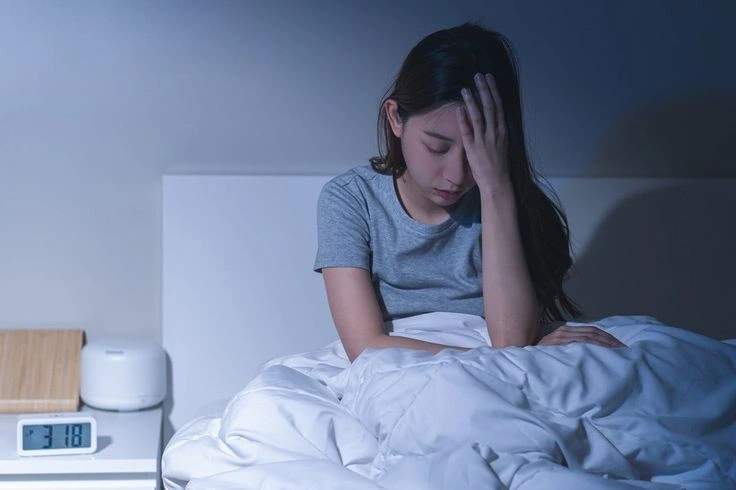
Your bedroom should help you unwind, but it can do the opposite if it is uncomfortable or distracting. If you regularly wake up feeling tired despite sleeping for enough hours, your surroundings may be affecting your rest.
A room that is too warm, too cold, noisy, or filled with bright lights can interrupt your sleep without you fully noticing. Over time, poor sleep can make your entire home feel like a low energy space.
Simple Bedroom Improvements
| Problem | Better Solution |
|---|---|
| Bright lights at night | Use warm, dim lighting |
| Too much noise | Add soft furnishings or use earplugs |
| Uncomfortable bedding | Choose supportive pillows and a suitable mattress |
| Electronics beside the bed | Keep devices away before bedtime |
5. The Air Feels Stuffy or Unpleasant
Fresh air has a bigger impact on your wellbeing than many people realise. Poor ventilation can make rooms feel heavy, uncomfortable, and difficult to spend time in.
Dust, pet dander, mould, and indoor pollutants may also affect how fresh your home feels. While occasional stuffiness is normal, constantly stale air can make an exhausting home feel even more draining.
Signs of Poor Indoor Air Quality
- Rooms feel stuffy even after cleaning.
- Unpleasant odours linger.
- Condensation appears on windows.
- You notice excessive dust.
- Family members often sneeze indoors.
Opening windows when weather allows, using extractor fans, and replacing air filters regularly can improve airflow.
6. Noise Never Seems to Stop
Constant background noise can quietly increase stress throughout the day. Traffic, loud neighbours, televisions, or household appliances may prevent your mind from fully relaxing.
Although you may become used to the sounds, your brain is still processing them. This ongoing stimulation can make your tiring home environment feel mentally exhausting.
Ways to Reduce Noise
- Use rugs and curtains to soften sound.
- Seal gaps around doors and windows.
- Keep background television to a minimum.
- Create one quiet area for reading or relaxing.
7. Every Room Feels Disorganised
Organisation is not about making your home look perfect. It is about making daily life easier.
When you spend time searching for keys, important papers, or everyday items, small frustrations quickly build up. These repeated interruptions can leave you feeling mentally tired before the day has even begun.
Instead of organising everything at once, focus on one room each week. Small improvements are easier to maintain and often produce lasting results.
8. Your Home Has No Space to Relax
Many homes become places where every corner serves a purpose except relaxation. The dining table becomes a workspace, the sofa becomes an office, and the bedroom becomes another place to check emails.
Without a dedicated area to unwind, your brain struggles to separate work from rest. This can make your home feel more stressful than comforting.
Create a Relaxation Zone
You do not need a large house. Even a small corner with a comfortable chair, a lamp, a plant, and a favourite book can become a peaceful retreat.
Healthy Home vs Low Energy Space
| Healthy Home | Low Energy Space |
|---|---|
| Plenty of natural light | Dark and gloomy rooms |
| Fresh airflow | Stale indoor air |
| Organised spaces | Constant clutter |
| Comfortable temperatures | Rooms that are too hot or cold |
| Quiet and peaceful | Continuous noise |
| Comfortable furniture | Uncomfortable seating |
| Relaxing atmosphere | Stressful surroundings |
| Easy to clean | Difficult to maintain |
Simple Ways to Refresh Your Living Space

Improving your home does not have to involve expensive renovations. Small habits often make the biggest difference over time.
Let More Light In
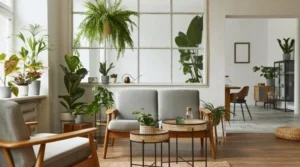
Open curtains during the day and position furniture so natural light can spread throughout the room. Bright spaces often feel larger, cleaner, and more welcoming.
Improve Airflow
Open windows whenever possible and use fans or extractor systems in kitchens and bathrooms. Better ventilation helps reduce moisture and keeps rooms feeling fresher.
Declutter One Area at a Time
Trying to organise the entire house in one day can feel overwhelming. Start with a bedside table, a kitchen counter, or one cupboard before moving to larger areas.
Add Natural Elements
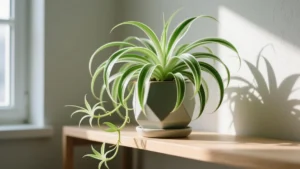
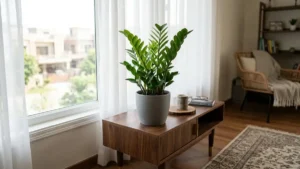
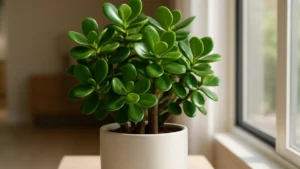
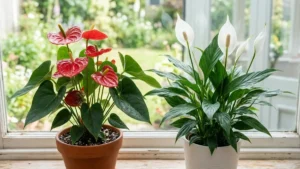
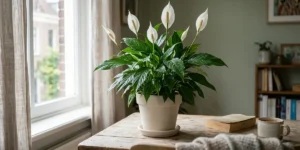
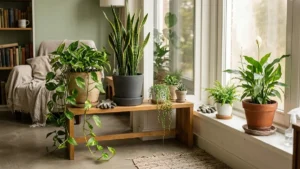
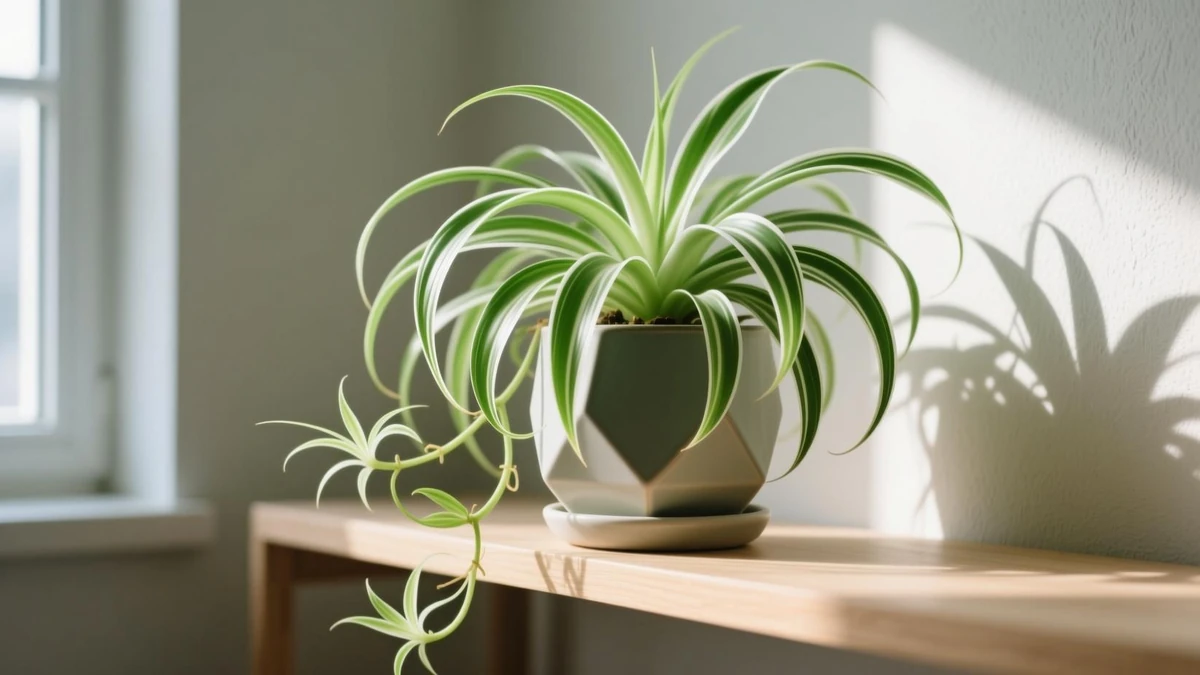
Indoor plants, fresh flowers, wooden furniture, and natural fabrics can make a room feel calmer and more inviting. Choose plants that are suitable for your space and easy to care for.
Make Cleaning a Routine
A simple weekly cleaning schedule prevents dirt and clutter from building up. Regular maintenance is usually easier than tackling everything at once.
Expert Tips
- Keep frequently used areas tidy to reduce daily stress.
- Choose warm lighting in living spaces and bedrooms.
- Allow fresh air into your home whenever possible.
- Remove items you no longer use or need.
- Keep work materials separate from relaxation areas.
- Add comfortable seating where you spend the most time.