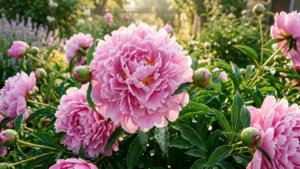
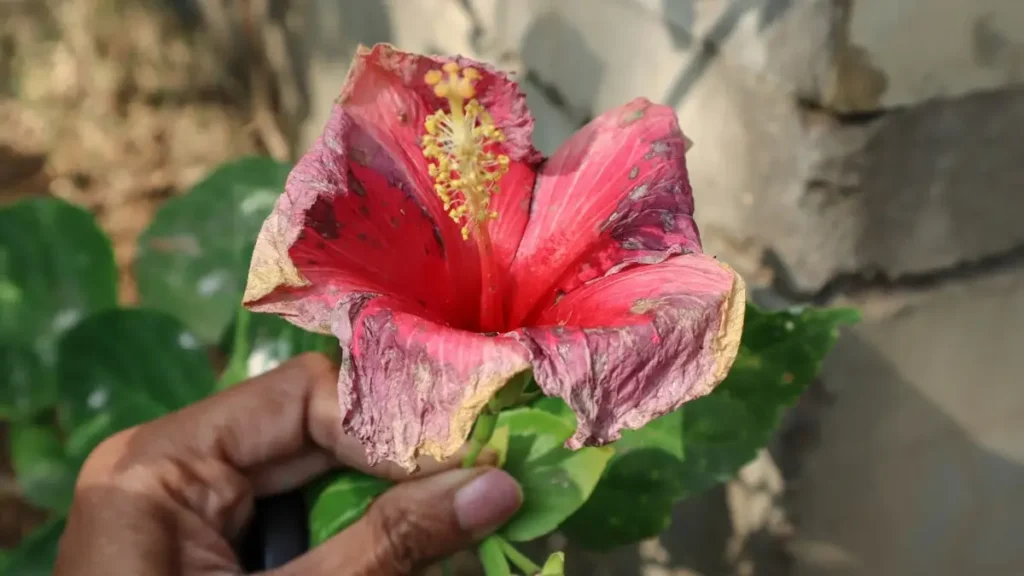
Hibiscus lack of sunlight is the main cause of hibiscus not flowering. The Hibiscus plants require 6-8 hours of direct sunlight to bloom. The plant will not grow leaves without adequate sunlight of the hibiscus. The quickest solution is to take it to a more illuminated area.
Introduction
It is disappointing to see a fine plant, and still find no hibiscus in blossom. You know hibiscus is famous for producing large flowers. Its flowers are more colorful when it’s healthy. If it were not healthy, it would never produce the flowers you wish.
Most problems of hibiscus care are not serious, and as soon as you correct the cause of the problem, you can once more see your plant begin to grow. This guide explains the actual causes of hibiscus not flowering and provides easy methods to resolve the issue quickly.
Recognize the Reasons for Hibiscus not Flowering
Not Enough Sunlight
Among the largest causes of non-flowering of hibiscus is insufficient sunlight. The hibiscus plants are to be exposed to high exposure to direct sunlight every day to produce the buds and flowers.
If you keep your plants in shadow or in dim light, it is obvious that they will not grow because they need sufficient light. If you are unable to give them the light they want, forget to see your plant healthy.
This is why it is critical to comprehend hibiscus sunlight requirements. Even good watering and fertilizing will not be useful to your plant’s flowers without sufficient light.
Fix:
Install your hibiscus in a place that will have no less than 6–8 hours of direct sunlight per day. The morning sun is the best. In case the plant is inside the house, ensure that it is placed as close to the brightest window as possible in order to get as much light as possible.
Excessive Irrigation or Desiccation Stress
One of the most widespread problems in the care of hibiscus is its watering. Overwatering and underwatering will prevent the flowering of your plant.
Roots are weak in case of too much moisture in the soil, and they do not absorb nutrients in the appropriate manner. When the soil is excessively dry, it stresses the plant. In both scenarios, the plant can either fall off or not generate buds. This is also the main cause of hibiscus buds falling prior to opening.
Fix:
Water your plant when you see the soil is becoming dry, which will nourish the plant’s growth.
Nitrogen (Nitrogen Fertilizers) Excess
Incorrect fertilization is another cause of hibiscus failure to flower, which is not evident. The fertilizers applied by many people have too much nitrogen.
Nitrogen helps plants to develop leaves and not flowers. So that your hibiscus can turn very green and bushy yet never bloom. Phosphorus and potassium are some of the nutrients needed by the plant to facilitate flowering.
Fix:
Use a moderate fertilizer or one that is developed to be applied to flowering plants. This can be enhanced with ease by feeding your hibiscus on a regular basis during the growing season.
Why Hibiscus buds fall
At times, your plant may actually give out buds only to fall prior to blooming. This is one of the most common problems, and the reason why hibiscus buds fall.
The bud drop is normally due to stress. It can be the stress of the sudden changes in temperature, the frequent changing of the place where the plant is kept, or uneven watering. Flowering of the plant is also receptive to the slightest change in the environment.
Fix:
Be sure to keep your plant in a constant environment. Always do not move it around and follow a normal care routine.
Stresses in the Environment and Temperature
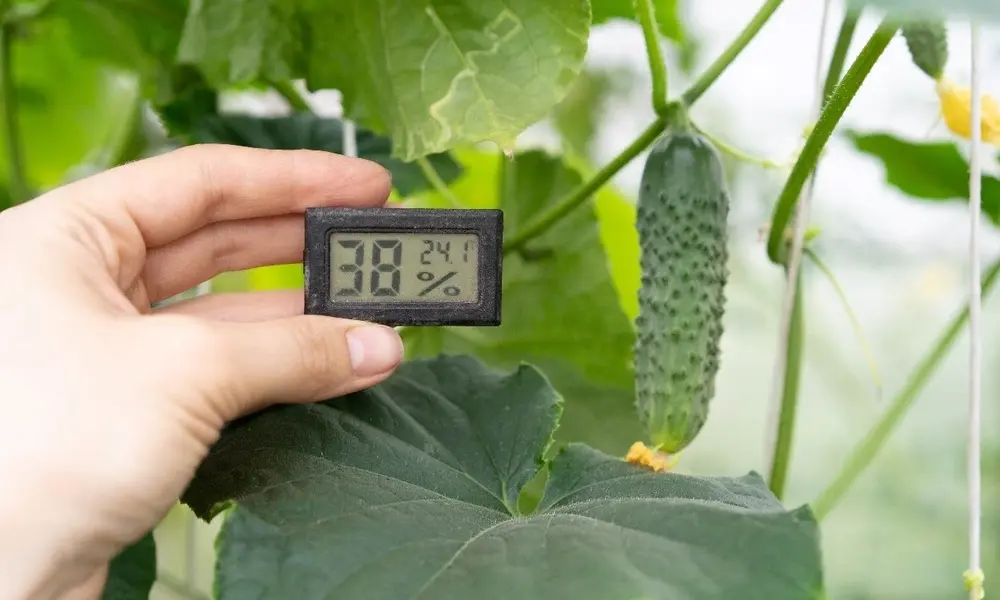
The plants of hibiscus prefer a warm climate. Flowering may be prevented, whenever the temperature is too low or too high suddenly. Stress to the plant may be occasioned by cold air, high winds or proximity to air conditioners. These are the hibiscus care problems which are usually not taken into consideration and which directly affect the blooming.
Fix:
Keep your hibiscus in a non-cold and dry place. Trying to maintain the temperature constant, to avoid sudden variations.
Buds and Leaves Vestures of Pests
These pests comprise whiteflies, aphids, spider mites among others and thus you might fail to notice that your hibiscus has been wiped out. These insects suck in the juices of plants and make the buds weak. This may cause hibiscus to fail to flower or lose buds.
Fix:
Look through your plant, particularly beneath the leaves. On sight of pests, use neem oil or a non-toxic insecticide on the plant.
Lack of Pruning and Maintenance
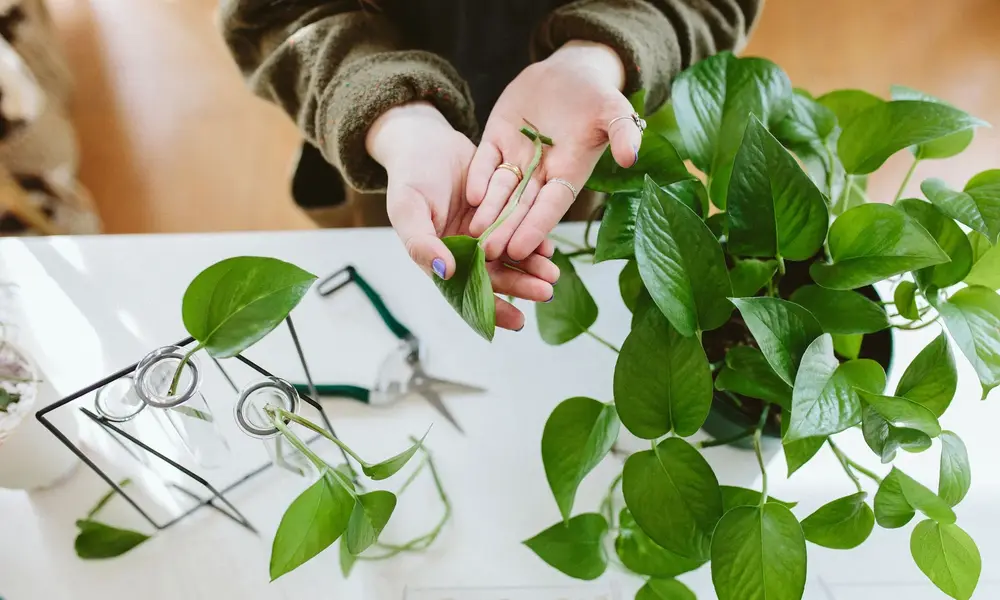
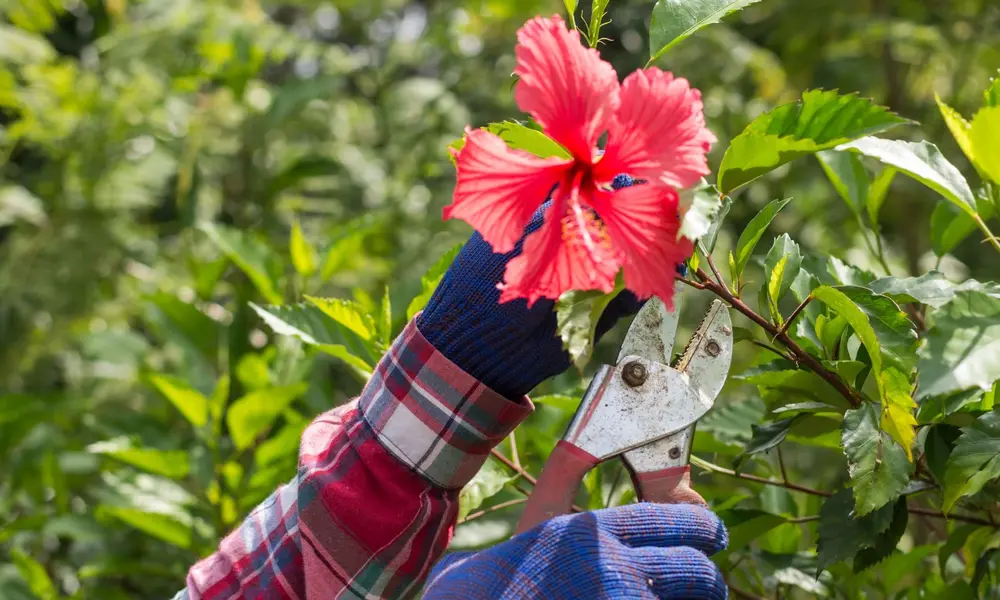
In case your hibiscus has not been trimmed in a long time, it could cease to grow. Flowers tend to be on new branches, and therefore, old growth may decrease flowering. This is one of the less noticeable hibiscus care problems, though it does not go unnoticed.
Fix:
Light pruning stimulates growth and increases flowering. Always prune at the appropriate time, normally following a flowering cycle.
Quick Hibiscus Flowering Tips That Work
When you want quick results, work on the basics altogether. Provide your plant with sufficient sunlight, water it, and apply appropriate fertilizer.
Do not expose the plant to any stressful situations by altering the environment without informing the plant. These are plain yet effective hibiscus flowering tips that are able to transform things within a short time frame.
Consistency is the key. The second thing that we do now is wait till your plant looks healthy and stable, and then it will automatically begin flowering once more.
Being aware of Hibiscus Sunlight Needs
Among all factors, hibiscus sunlight needs are the most important. Flowering can hardly be achieved without sufficient sunlight.
When placed outdoors, the hibiscus plants must be in full sun, and when placed indoors, they must be in as bright a light as possible. This is likely the main reason behind hibiscus failure to flower, provided that your plant has been in low light. The issue can be eliminated by merely rectifying the lighting conditions.
Conclusion
Inability to have hibiscus flowering is normal but can be easily corrected. All your plant is doing is responding to its surroundings and treatment routine.
Difficulty with hibiscus not flowering? Get more plant care tips, help, and advice on how to take care of your plants with easy-to-use plant care guides, professional advice, and tips to keep your garden full of healthy, blooming plants all year round at Peeacelily.com.
FAQs
How can I rid my houseplant soil of gnats?
I’ve put together this gnat-killing regime, which is effective and cheap.
- Until the first inch or so of soil.
- Sprinkle the surface of the soil with cinnamon.
- Find vinegar traps and place them at the plant and change them on a daily basis.
- Add potato slices each day.
One should not water the plant until the top-most layer of the soil is completely dry.
Are soil mites good or bad?
The Mesostigmata are mesostigmatid mites which generally prey on other small animals. The Prostigmata is a suborder of some of the mites, which all have different feeding habits. In most cases, soil mites do not pose a threat to humans or plants. They are of great assistance to the decomposition process which is utilized by plants and humans.
Which is the deadliest killer plant?
Watering appears to be such a simple process that the vast majority of people are surprised to know that the most frequent cause of death of the house plants is improper watering. The water is absorbed by the plants. Plants photosynthesis and transpire using water and evaporate it away.