Key Takeaways
- Peace Lily thrives in low-light and is beginner-friendly
- Calla Lily needs bright sunlight and more precise care
- Peace Lily grows continuously; Calla Lily has a dormancy cycle
- Calla Lily offers colorful, structured blooms
- Peace Lily produces classic white, elegant flowers
- Both contain calcium oxalate and are mildly toxic if eaten
- Peace Lily suits low-maintenance homes; Calla Lily suits bright, styled spaces
Choosing the perfect indoor greenery can feel overwhelming when two stunning options look remarkably similar at first glance. If you are torn between a Calla Lily vs Peace Lily, the best choice for your home depends entirely on your indoor lighting and how much time you want to spend on plant care. The Peace Lily is an excellent choice for low-light rooms and beginner plant parents because it tolerates missed waterings and thrives in shade. On the other hand, the Calla Lily demands bright sunlight and careful watering, making it better for bright spaces where you want vibrant, colorful blooms.
At peeacelily, we love helping indoor gardeners cut through the confusion to pick plants that fit their unique lifestyles. While both plants are famous for their elegant, cup-like blooms, they come from entirely different plant families and have highly distinct personalities. Let us break down the key differences so you can select the ideal green companion for your living space.
The Core Differences at a Glance
Though they share the name “lily,” neither of these popular houseplants is a true lily. True lilies belong to the Liliaceae family and grow from scaly bulbs, whereas these two belong to different botanical groups. This difference in their genetic makeup changes how they grow, bloom, and handle the indoor environment of your home.
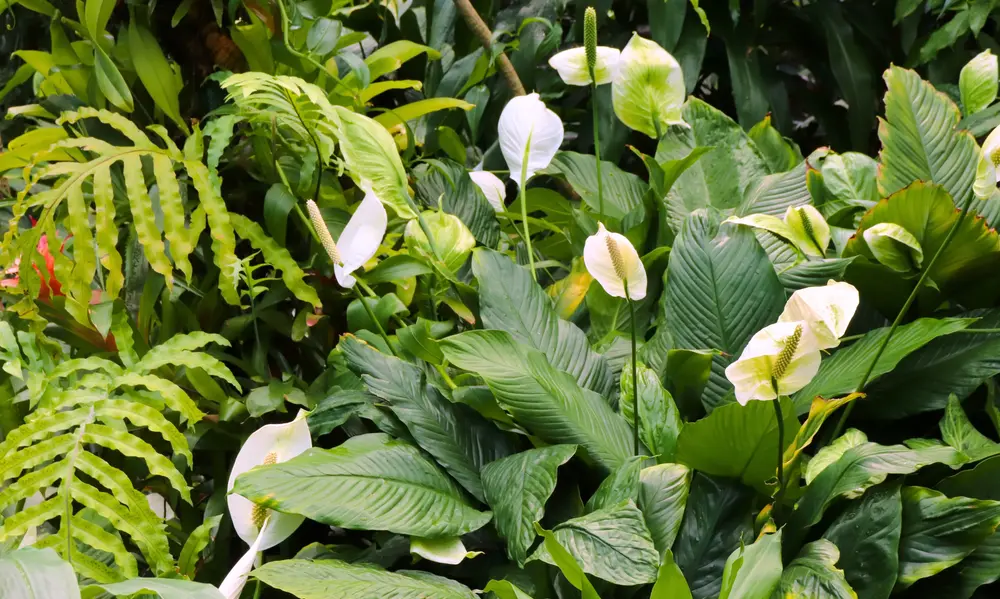
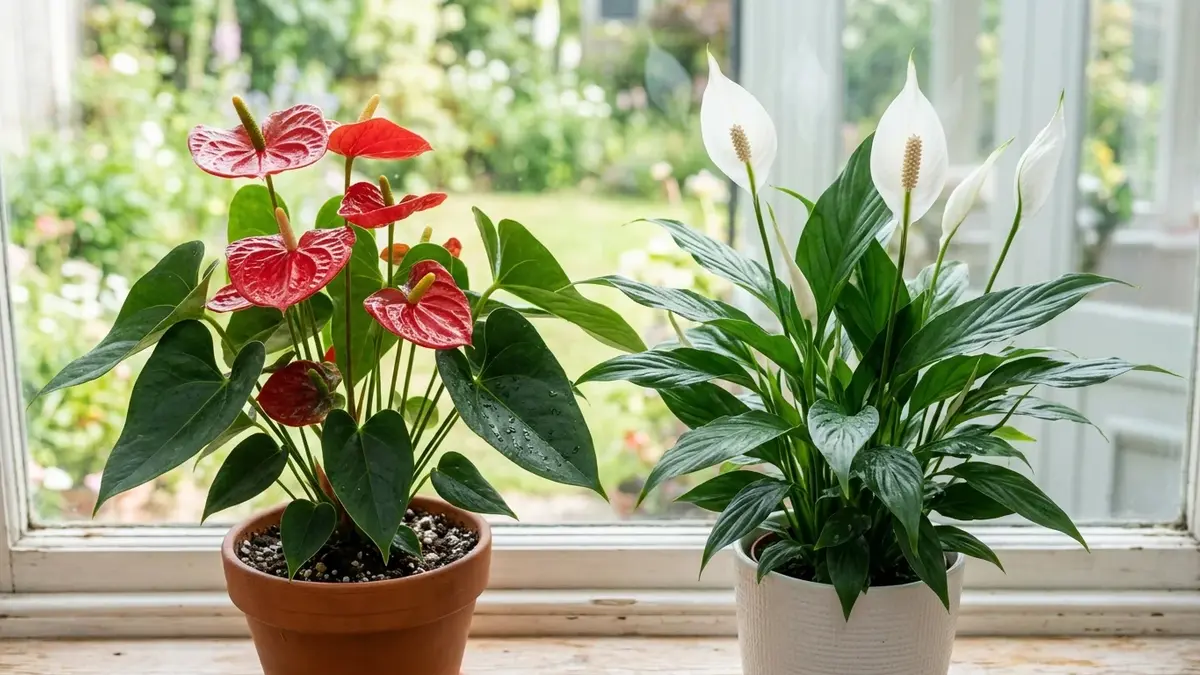
The Peace Lily (Spathiphyllum) is a tropical evergreen native to the dense rainforest floors of Central and South America. Because it grows under a thick canopy of trees in the wild, it has evolved to love deep shade and high humidity. Its white “flowers” are actually modified leaves called spathes that shield the tiny, bumpy spadix spike inside.
The Calla Lily (Zantedeschia), conversely, hails from the sun-soaked marshes and hillsides of South Africa. It grows from thick, underground structures called rhizomes, which function similarly to specialized roots. This evolutionary design means it craves intense light and goes through a mandatory resting or dormant phase every year, which surprises many first-time indoor growers.
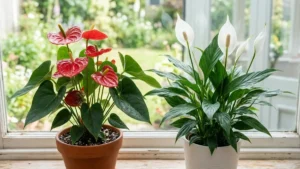
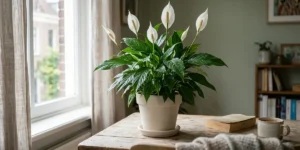
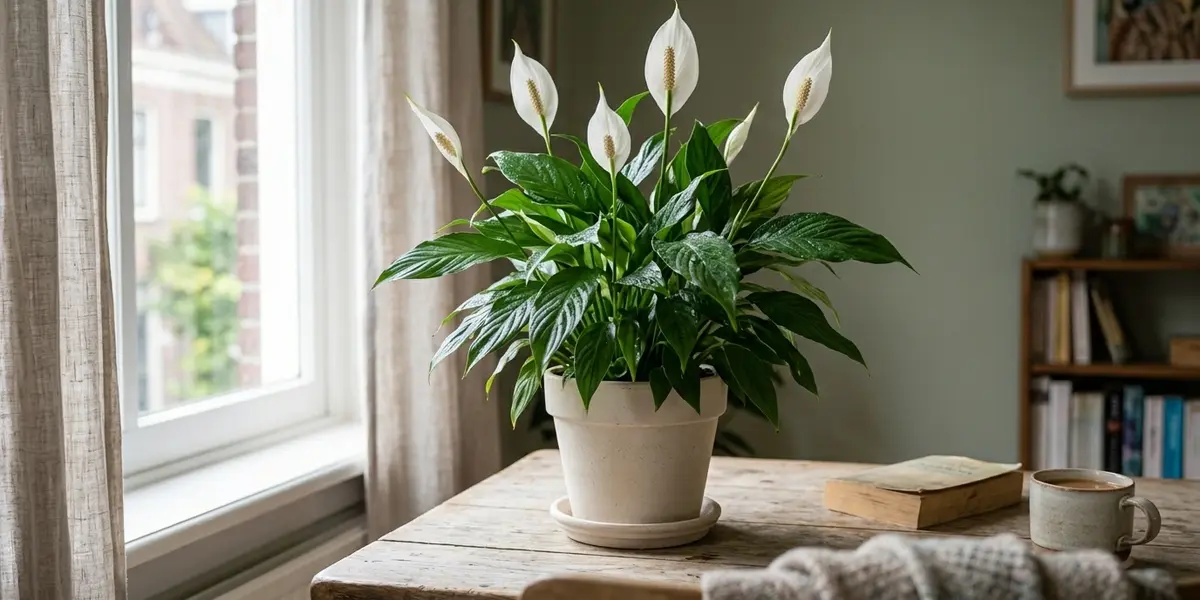
The classic, shade-loving Peace Lily. Source: Lalazar Nursery / Peace lily (Spathiphyllum wallisii) – Lalazar Nursery
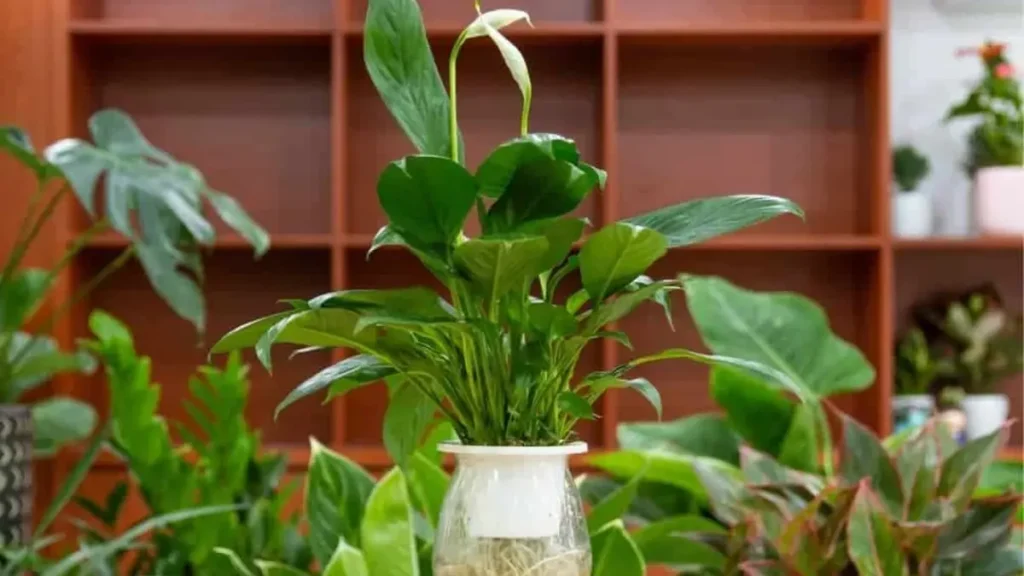
The structured, sun-loving Calla Lily. Source: Gardening Know How / Calla Lily Care Indoors: Growing Calla Lilies As Houseplants …
Comparing Growth Habits and Appearance
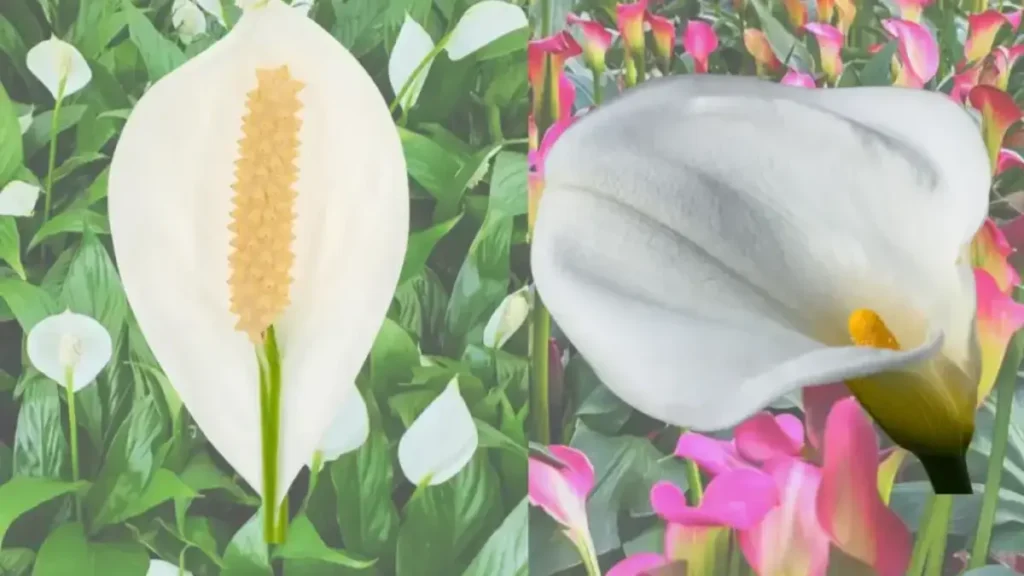
When you look closely at the foliage and flowers of a Calla Lily vs Peace Lily, you will notice a massive difference in their overall design and texture. These visual traits play a huge role in how they complement your houseplant interior design.
| Feature | Peace Lily (Spathiphyllum) | Calla Lily (Zantedeschia) |
| Bloom Colors | Strictly white, aging to soft green | White, yellow, pink, purple, or deep black |
| Flower Shape | Open, sail-like hood over a textured spike | Tight, elegant, seamless trumpet or funnel |
| Foliage Texture | Deeply grooved, glossy, dark green | Smooth, spear-shaped, often speckled with white dots |
| Light Needs | Low to medium indirect shade | Bright, direct to filtered sunlight |
| Dormancy Period | None; grows continuously year-round | Mandatory; dies back to the roots in winter |
Foliage and Bloom Style
Peace Lilies produce large crowds of glossy, lance-shaped leaves that grow directly from the soil on slender stems. The leaves are pliable, soft, and tend to arch gracefully outward, creating a lush, bushy appearance. Their blooms look like tiny white sails floating above a sea of dark green foliage, adding a classic touch to your plant home decor.
Calla Lilies have a much more rigid, architectural presence. Their leaves are thick, upright, and shaped like arrowheads or spears. Many varieties feature beautiful, semi-translucent white spots scattered across the green surface, which looks entirely intentional. The blooms are incredibly sleek, forming a perfect, seamless funnel that looks like a wax sculpture.
Sun and Water Requirements: A Drastic Contrast
The absolute biggest point of divergence when evaluating a Calla Lily vs Peace Lily is their daily care routine. Mixing up their light and water needs is the number one reason indoor gardeners struggle to keep them alive.
Lighting Needs
If your home has small windows, northern exposures, or rooms that rely heavily on artificial lighting, the Peace Lily wins by a landslide. It performs wonderfully in low-light environments. In fact, placing a Peace Lily in direct sunlight will quickly scorch its delicate leaves, turning them crisp and yellow.
The Calla Lily is a sun worshipper. To produce those breathtaking, colorful trumpets indoors, it requires several hours of bright, filtered sunlight every day. If you tuck a Calla Lily into a dark corner, the stems will stretch out, become weak and floppy, and the plant will completely stop blooming.
Watering Routines
Peace Lilies are famous for being “drama queens,” but in a helpful way. When they are thirsty, their entire root and leaf system collapses, making the plant look completely dead. However, within a couple of hours of receiving a thorough drink, the leaves snap back up to attention. They prefer consistently damp soil but hate sitting in stagnant, muddy water.
Calla Lilies require a much more disciplined hand. Because they grow from underground rhizomes, they are highly susceptible to root rot if overwatered. You must let the top two inches of soil dry out completely before watering again. However, if you let the soil dry out for too long, the plant will take it as a cue that the dry season has arrived and will start shutting down for early dormancy.
Toxicity and Safety Considerations
Before adding either of these plants to your living space, it is vital to understand how they affect your household safety. Both choices require careful placement if you share your home with curious pets or young children.
Safety Warning: Both the Calla Lily and the Peace Lily contain insoluble calcium oxalate crystals. If a cat, dog, or human chews on the leaves or stems, these microscopic crystals act like tiny shards of glass, causing intense oral irritation, swelling of the mouth, throat discomfort, and drooling.
Fortunately, neither of these plants is a “true” lily from the Liliaceae family. True lilies are incredibly dangerous to felines, where even a tiny speck of pollen can cause acute, irreversible kidney failure in cats. While the calcium oxalate crystals in a Calla Lily vs Peace Lily will cause localized discomfort and mouth pain, they are generally not considered fatal if treated quickly. To keep your household safe, always place these plants on high shelves or plant stands out of reach of pets and children.
Styling Each Plant in Modern Spaces
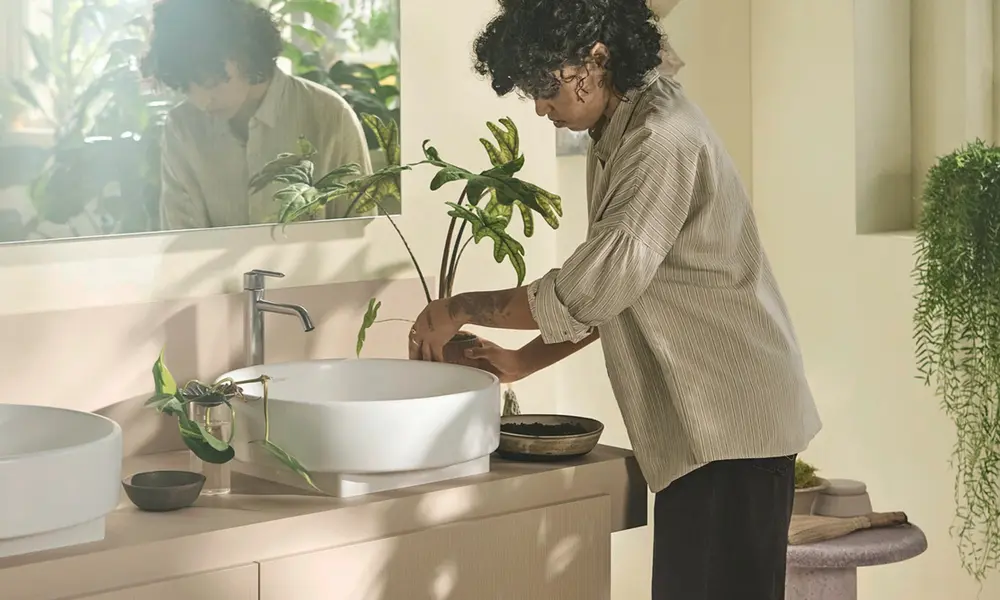
Integrating greenery into your home involves matching the plant’s unique lines with your personal houseplant interior design style. Each plant creates a totally different atmosphere.
Creative Ways to Style a Peace Lily
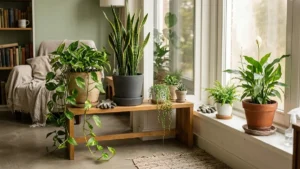
Because of its bushy, overflowing growth habit, the Peace Lily is perfect for softening the hard edges of modern minimalist homes. Place a large specimen in a matte ceramic or textured concrete floor planter to instantly fill an empty corner with life. They also look beautiful on low coffee tables or sideboards where you can appreciate the contrasting white blooms against dark wood or stone surfaces.
Creative Ways to Style a Calla Lily
The sharp, clean, geometric lines of the Calla Lily make it an exceptional addition to contemporary or mid-century modern spaces. Because they come in a striking array of colors including deep plum, vibrant yellow, and sunset orange you can use them as seasonal accent pieces.
Display a single, brightly colored Calla Lily in a sleek, monochromatic white or black metallic pot on a sun-drenched windowsill or kitchen island to serve as a stunning, living centerpiece for your plant home decor.
Dealing with the Calla Lily Dormancy Phase
One unique aspect of choosing a Calla Lily vs Peace Lily is managing the lifecycle changes of the South African native. Many indoor gardeners panic in the autumn when their beautiful Calla Lily stops blooming and the leaves begin to turn yellow and drop off.
This behavior is completely natural based on available data. Indoor Calla Lilies need to go to sleep for about two to three months every year to gather energy for the next blooming cycle. When the leaves fade in late autumn, you must stop watering entirely and let the foliage die back completely.
Move the pot to a cool, dark location like a basement or closet. In the early spring, bring the pot back out into a warm, sunlit room, give the soil a thorough watering, and you will see fresh green spears emerge from the soil within a few weeks. If you prefer a plant that stays lush, green, and vibrant every single day of the year without any downtime, the Peace Lily is the better match for your home.
Conclusion: Making Your Final Choice
When deciding between a Calla Lily vs Peace Lily, your choice comes down to your home’s natural light and your personal gardening style. If you want a dependable, low-maintenance plant that cleans the air, tolerates low light, and stays green all year round, the Peace Lily is a flawless choice. If you have plenty of bright windowsills and want to enjoy structural, colorful, and artistic blooms, the Calla Lily will reward your extra care with breathtaking visual drama.
No matter which path you choose, adopting an intentional approach to houseplant interior design will help you build a peaceful, balancing environment. If you want to dive deeper into styling tips or find more inspiration for creating an organic indoor sanctuary, explore our curated plant home decor guides at peeacelily to transform your living space today.
Frequently Asked Questions
Is a Calla Lily harder to care for indoors than a Peace Lily?
Yes, Calla Lilies are generally more demanding when grown indoors. They require a few hours of direct, bright sunlight every day to bloom properly and must go through a dry, dark dormant phase during the winter months. Peace Lilies are much more forgiving, thriving in low-light conditions and growing continuously without a rest period.
Can a Peace Lily grow in total darkness?
While Peace Lilies are famous for tolerating low light, no plant can survive in total darkness. They need at least some ambient indirect light from a window or fluorescent overhead lighting to produce energy. If the light level is too low, the plant will survive but it will stop producing its signature white flowers.
Why are the leaves on my Calla Lily turning yellow?
If this happens in late autumn, it is an estimated sign that your plant is entering its natural winter dormancy phase, which is completely normal. However, if the leaves turn yellow during the spring or summer growing season, it usually indicates that the soil is staying too wet, which can lead to destructive root rot.
Which of these two plants is better for households with indoor pets?
Both plants contain calcium oxalate crystals, which cause mouth pain and swelling if chewed by dogs or cats. However, neither is a true lily, meaning they don’t carry the high risk of fatal kidney failure associated with true lilies. To ensure safety, both should be styled on high shelves out of your pet’s reach.