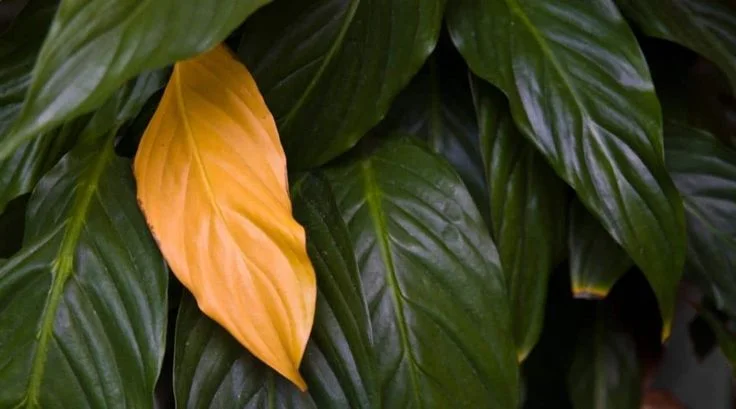
If you’ve noticed your peace lily turning yellow, you are not alone. Many indoor plant lovers face this issue, and while it may seem alarming, yellowing leaves are usually a sign that your plant needs a little extra care. The peace lily (Spathiphyllum) is well-loved for its glossy green leaves and white blooms, but when its leaves start changing color, it signals that something is off.
In this guide, we’ll explore the most common causes, effective solutions, and preventive strategies to keep your peace lily thriving. By understanding why peace lily leaves turn yellow, you can restore your plant’s beauty and ensure long-term health.
Common Causes of Peace Lily Turning Yellow Leaves
When you notice your peace lily turning yellow, it usually points to underlying care issues. The most common causes include improper watering, whether too much or too little, which directly affects the plant’s roots and overall health.
In addition, poor lighting conditions, nutrient deficiencies, or sudden temperature changes can stress the plant and lead to discolored leaves. Even pests such as spider mites or mealybugs may weaken foliage, causing it to lose its vibrant green color. By identifying the specific cause early, you can take corrective steps and restore your peace lily’s natural beauty.
Overwatering and Peace Lily Leaf Yellowing
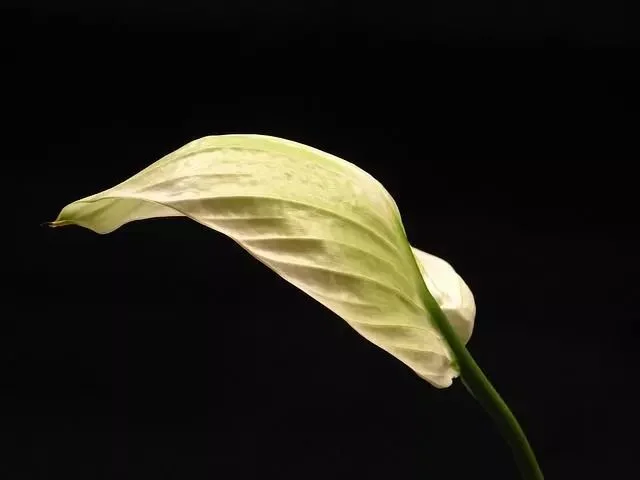
One of the primary reasons for yellow leaves is overwatering. Peace lilies prefer consistently moist soil, but soggy roots lead to oxygen deprivation and root rot.
When roots begin to decay, the plant struggles to transport nutrients, resulting in yellow or drooping leaves.
Solution: Allow the top inch of soil to dry out before watering again. Ensure your pot has drainage holes to prevent waterlogging.
Underwatering as a Cause of Peace Lily Leaves Turning Yellow
On the other hand, underwatering also stresses your peace lily. Dry soil causes leaves to wilt and eventually turn yellow due to dehydration.
Solution: Check the soil moisture regularly and water thoroughly when the top feels dry. A consistent watering schedule will prevent stress.
Poor Lighting Leading to Yellow Leaves on Peace Lily
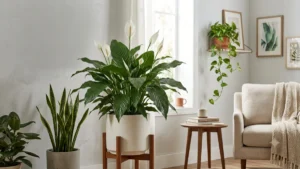
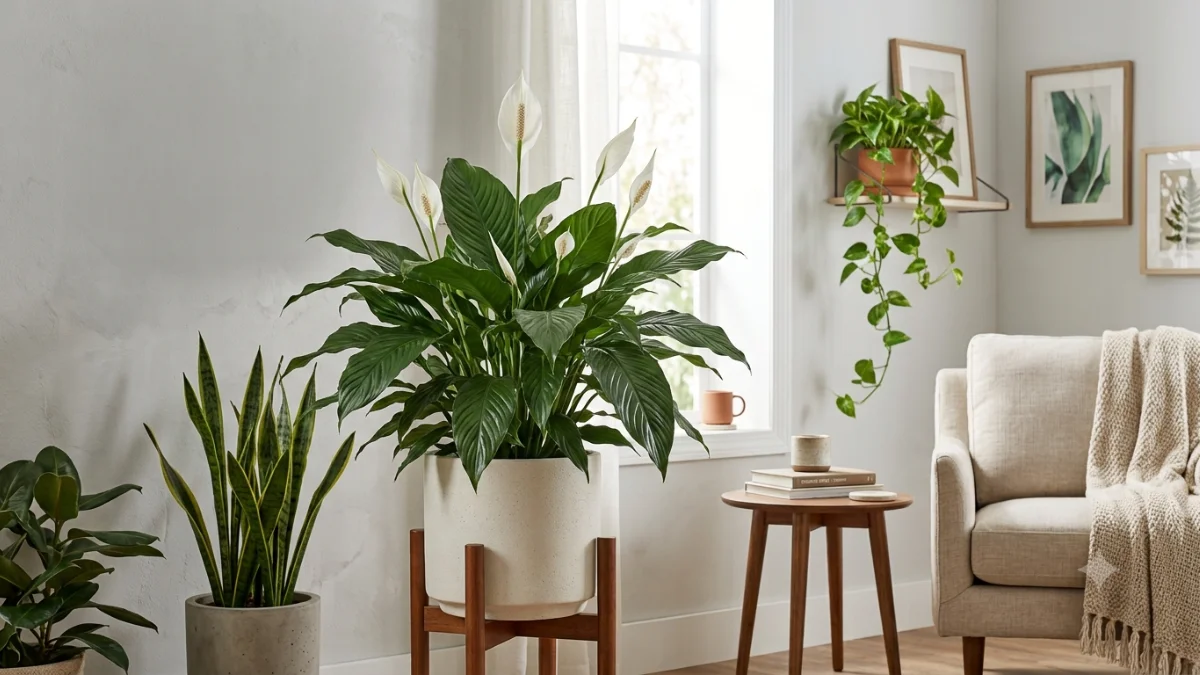
Peace lilies thrive in bright, indirect light. Too little light weakens the plant, while direct sunlight scorches the leaves, turning them yellow or brown.
Solution: Place your peace lily near a north- or east-facing window with filtered light. If natural light is insufficient, consider using a grow light.
Nutrient Deficiency and Peace Lily Leaf Discoloration
Yellowing leaves can also be a sign of nutrient deficiency, especially nitrogen, magnesium, or iron. Without proper nutrients, the plant cannot maintain its vibrant green color.
Solution: Use a balanced, water-soluble houseplant fertilizer every 6–8 weeks during the growing season.
Temperature Stress Causing Yellowing in Peace Lily
Peace lilies are tropical plants that prefer consistent warmth. Exposure to cold drafts, sudden temperature changes, or heating vents can cause yellowing leaves.
Solution: Maintain indoor temperatures between 65–80°F (18–27°C) and avoid placing your plant near cold windows or heaters.
Pests That Make Peace Lily Leaves Turn Yellow
Spider mites, mealybugs, and aphids may attack peace lilies, sucking sap and weakening leaves, which often results in yellow discoloration.
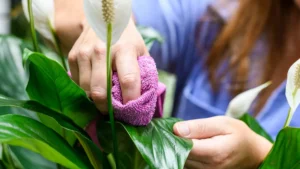
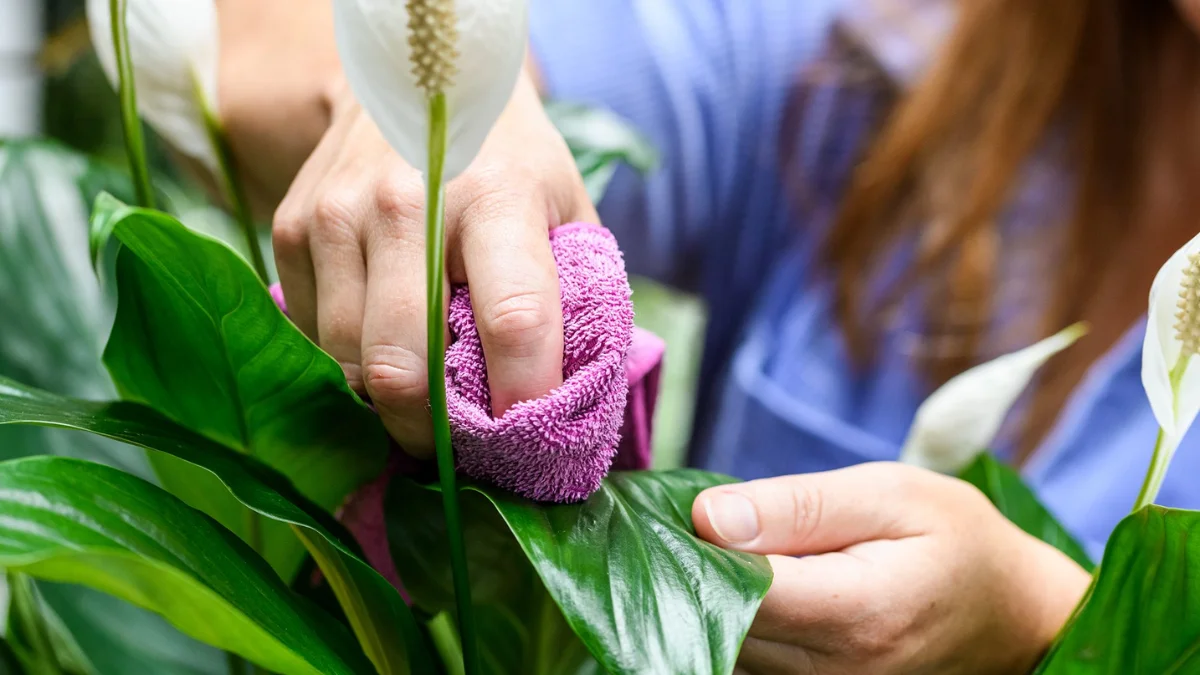
Solution: Inspect the plant regularly. If pests are present, wipe leaves with a damp cloth or treat them with insecticidal soap.
Step-by-Step Guide to Revive a Yellowing Peace Lily
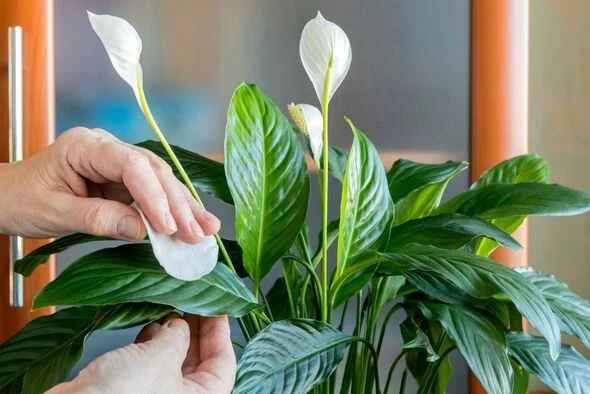
Reviving a peace lily turning yellow requires careful observation and the right adjustments. Start by checking your watering routine both overwatering and underwatering are leading causes of leaf discoloration. Next, inspect the roots and soil to rule out root rot and ensure proper drainage.
Improving light conditions is also essential; place your peace lily in bright, indirect light to encourage healthy growth. Feeding your plant with a balanced fertilizer during the growing season will replenish lost nutrients.
Finally, maintain stable indoor temperatures and moderate humidity to reduce stress. With these steps, you can restore your peace lily’s lush green foliage and prevent future yellowing.
Step 1: Check Watering Habits
First, assess whether you are overwatering or underwatering. Adjust your watering schedule accordingly.
Step 2: Inspect Roots and Soil
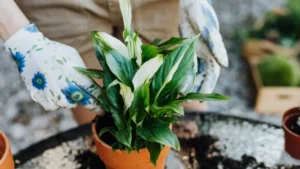
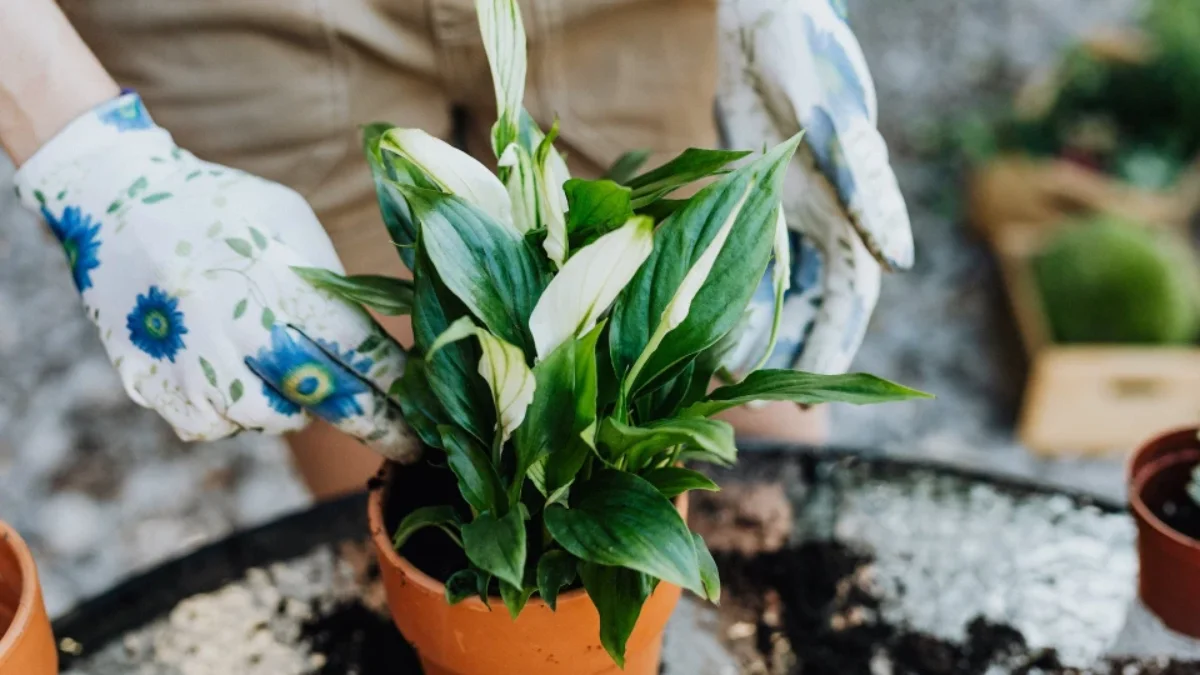
Remove the plant from its pot and check for root rot. Healthy roots are white, while rotten roots appear brown and mushy. Trim affected roots and repot in fresh soil.
Step 3: Improve Lighting Conditions
Move your plant to a brighter spot, avoiding direct sunlight. Indirect light promotes healthier leaf growth.
Step 4: Fertilize Wisely
Introduce nutrients gradually. Over-fertilization can cause salt buildup, which also leads to yellow leaves. Flush the soil with clean water occasionally to prevent this.
Step 5: Maintain Ideal Temperature and Humidity
Peace lilies prefer moderate humidity. Use a humidifier or mist leaves occasionally to keep the environment favorable.
Preventing Peace Lily Leaves from Turning Yellow
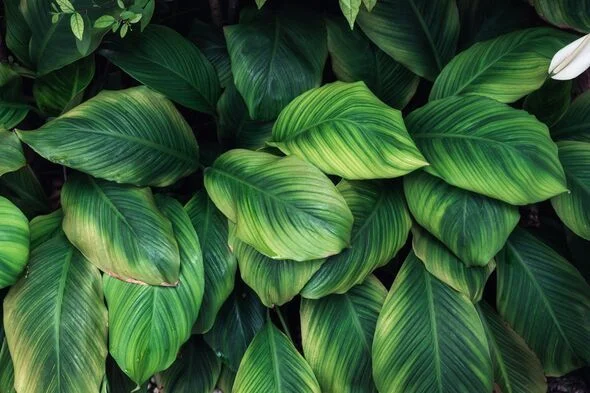
Preventing peace lily leaves from turning yellow is easier than fixing the issue once it occurs. Consistent care is key—maintain a regular watering schedule, provide bright but indirect light, and fertilize your plant periodically with a balanced houseplant fertilizer. For a deeper guide on the common causes and solutions, you can read this resource on why peace lily leaves turn yellow.
Choose a well-draining pot and soil to avoid waterlogged roots, and remove dust or debris from leaves to ensure proper photosynthesis. Regularly inspect your peace lily for early signs of stress or pests, and trim yellowing leaves promptly to encourage healthy growth.
By following these preventive measures, you can keep your peace lily vibrant, green, and thriving year-round.
Establish a Routine
Consistency in watering, lighting, and fertilization reduces plant stress and prevents yellowing.
Use the Right Pot and Soil
Always choose well-draining soil and a pot with drainage holes. This prevents root problems caused by excess moisture.
Clean and Prune Regularly
Dust can block photosynthesis, so wipe leaves gently. Remove old, yellow leaves to encourage fresh growth.
Monitor for Early Signs
Regularly inspect your plant for pests, dry soil, or unusual changes. Addressing issues early prevents widespread damage.
FAQs about Peace Lily Turning Yellow
Many plant owners have questions when they notice their peace lily turning yellow. Common concerns include why leaves are yellowing at the tips, whether to remove affected leaves, and how often to water or fertilize the plant. Others wonder if direct sunlight or temperature changes could be the cause.
Addressing these FAQs helps plant owners take quick, effective action to restore their peace lily’s health. Understanding the root causes and proper care techniques ensures that yellowing leaves become a temporary issue rather than a permanent problem, keeping your peace lily lush and vibrant.
1. Why are my peace lily leaves turning yellow and brown at the tips?
This often indicates inconsistent watering or low humidity. Maintain even moisture and improve humidity for healthier foliage.
2. Should I cut off yellow leaves from my peace lily?
Yes, trimming yellow leaves helps redirect energy to healthy growth. Use clean, sharp scissors to avoid spreading disease.
3. Can direct sunlight cause yellowing?
Absolutely. Direct sun scorches the delicate leaves, leading to yellow or brown patches. Always keep peace lilies in indirect light.
4. How often should I water my peace lily?
Generally, water once a week, but always check the soil first. Adjust frequency based on season and indoor conditions.
5. Do peace lilies need fertilizer to prevent yellowing?
Yes, occasional fertilization provides essential nutrients. A diluted, balanced fertilizer every few weeks during growing season works best.
Conclusion
Seeing your peace lily turning yellow can be worrying, but with the right knowledge, you can quickly restore its health. From adjusting watering habits to improving light and nutrients, each step plays a role in reviving your plant.
Remember, prevention is always better than cure. By establishing consistent care routines, using well-draining soil, and monitoring for early signs of stress, you can enjoy a lush, vibrant peace lily for years to come. For example, learning about proper watering schedules for other indoor plants, such as how often to water a money tree, can help you develop better plant care habits overall.
For more detailed plant care guidance, visit the University of Florida IFAS Extension Plant Care Guide.
With a little attention and the right conditions, your peace lily will bounce back, adding beauty and serenity to your indoor space.