
The best plant moisture meter for most houseplant owners is a simple, reusable probe meter that checks moisture below the soil surface. The XLUX T10 is a practical option for ordinary pots, while a long-probe model makes more sense for deep planters. The important part is knowing what the reading means and how to use the meter correctly.
A moisture meter can help you decide when to water, but it cannot make the decision for you. Soil type, fertilizer, probe position, and the plant’s watering needs all affect how useful a reading will be.
This guide compares moisture meters by use case, explains their limitations, and shows you how to avoid common mistakes that can damage the probe.
How Soil Moisture Meters Work and Their Limits
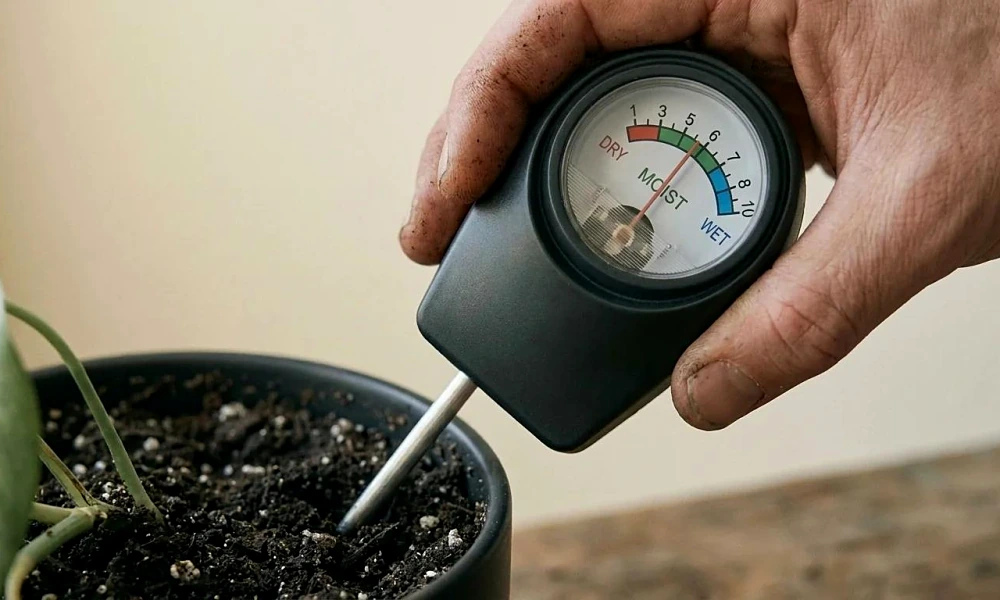
Most inexpensive analog moisture meters use a metal probe to detect changes in the electrical properties of the soil. In simple terms, moisture and dissolved minerals affect how easily an electrical signal passes through the soil. The meter converts that response into a reading, often on a scale from 1 to 10.
Some models use different sensing technologies, so this explanation does not apply to every moisture sensor on the market.
A basic probe meter is useful, but there are three important limitations to understand.
1. Soil Type Can Change the Reading
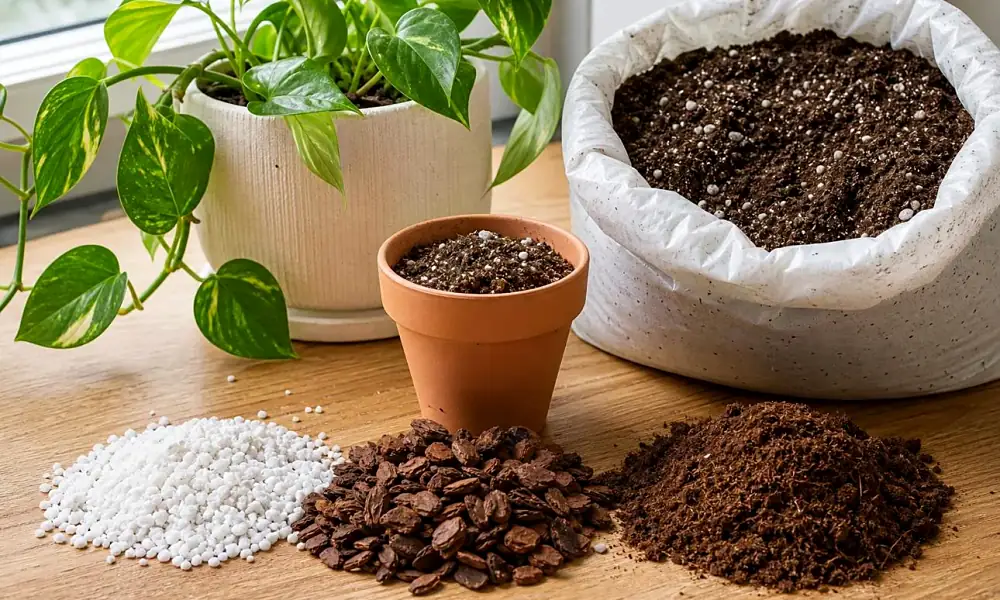
A meter may respond differently in ordinary potting soil, a chunky bark mix, or a very loose growing medium. If the probe does not make good contact with the soil, the reading may be inconsistent.
Electrical properties also change with soil salinity. Fertilizer salts can affect conductivity, which means a conductivity-based meter may not give the same reading in recently fertilized soil as it does in another pot.
The University of Arizona Cooperative Extension explains why soil texture, salinity, installation depth, and calibration matter when selecting and using moisture sensors in its soil moisture sensor guide.
2. A Meter Reads One Spot, Not the Entire Pot
A probe only measures the area around the part inserted into the soil. It cannot tell you whether the entire root ball is evenly moist.
For example, the top of a pot may feel dry while the lower soil remains wet. In another pot, water may run down the sides and leave the middle of the root ball dry.
Take readings in two nearby spots when you are unsure. You can also lift the pot to compare its weight with how it feels after watering.
If the soil stays wet for too long, the problem may be the growing medium rather than your watering schedule. Our guide to indoor plant soil mixtures explains how soil composition affects moisture retention and drainage.
3. You Should Not Leave a Basic Probe Meter in the Soil
Most inexpensive handheld probe meters are designed for occasional checks, not permanent monitoring.
Leaving a metal probe in damp soil for extended periods can cause corrosion and affect its performance. XLUX advises users to remove the probe and wipe it clean and dry after taking a reading.
This is different from purpose-built smart soil sensors designed for continuous monitoring. Always follow the instructions for the specific model you buy.
What to Look for in a Plant Moisture Meter
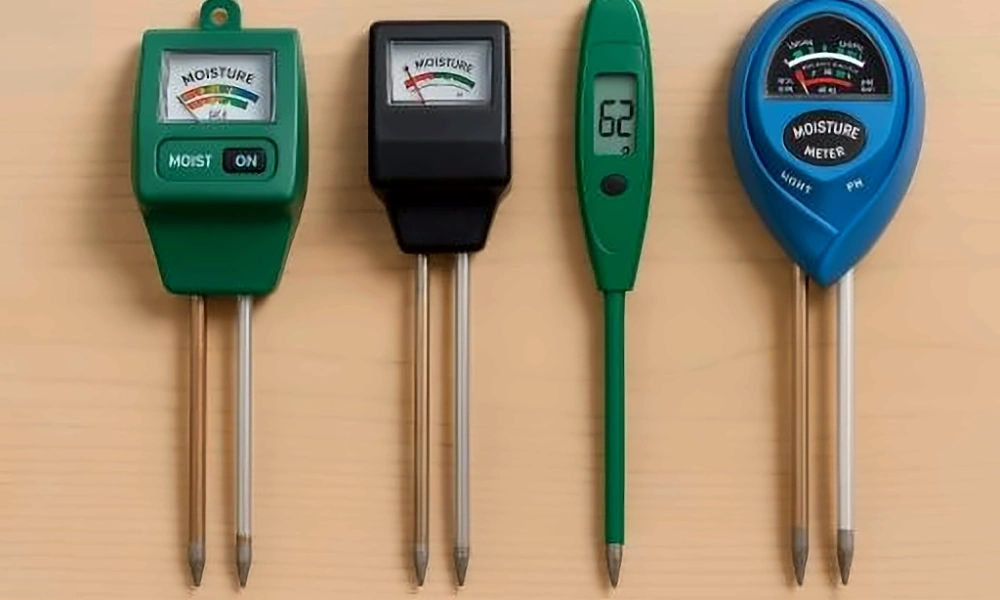
Before choosing a model, consider the size of your pots and how you plan to use the meter.
Probe Length
Probe length is one of the most important buying factors. A short probe may work well for small and medium houseplant pots, but it can struggle to reach the root zone in a tall planter. A longer probe gives you access to deeper soil, where moisture can remain long after the surface dries.
Choose a probe that can reach the relevant root area without forcing it against the bottom of the pot.
Analog or Digital Display
Analog meters usually have a simple dial with dry, moist, and wet zones. They do not need batteries, and you can read them at a glance. Digital models may offer a numerical display or extra features. Some also connect to an app or provide continuous monitoring.
For ordinary houseplants, a clear and easy-to-read display is often more useful than a long list of extra functions.
Single-Purpose or 3-in-1 Meter
Some meters combine moisture, light, and pH readings in one device. These can be convenient, but do not assume every function is equally useful or accurate.
If your main concern is watering, a dedicated moisture meter keeps the job simple. If you need to measure light or test soil pH for a specific reason, use a tool designed for that measurement.
Build Quality and Cleaning
Look for a probe that feels sturdy and comes with clear cleaning and storage instructions. Thin probes can bend if you force them into compacted soil or hit a stone. A protective cap or sleeve is also useful because it helps prevent accidental damage when the meter is stored.
Best Plant Moisture Meters by Use Case
There is no single model that suits every plant owner. These options cover the most common needs, from everyday houseplants to deeper planters.
Best for Most Houseplants: XLUX T10 Soil Moisture Meter
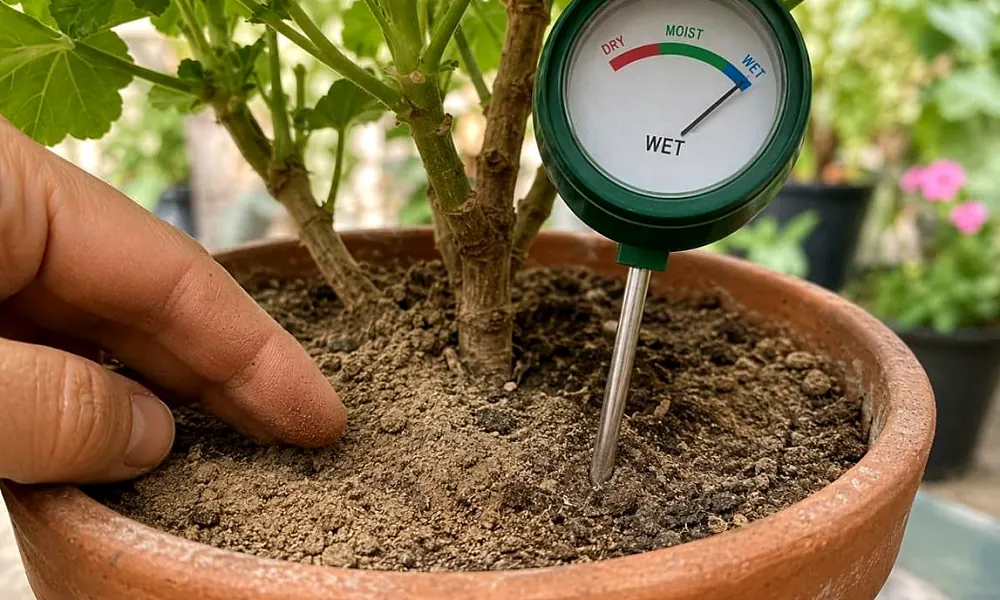
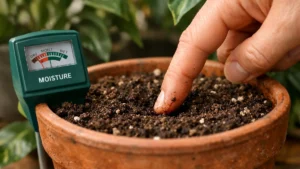
The XLUX T10 is a simple analog meter with a single probe and a color-coded moisture scale. It does not require batteries, and its straightforward design makes it easy to use for occasional watering checks.
It is a sensible choice if you want to compare moisture near the root zone without buying a more complicated device.
Why consider it:
- Battery-free operation.
- Simple dry, moist, and wet scale.
- Single-purpose moisture measurement.
- Suitable for routine spot-checking in ordinary pots.
What to keep in mind: It cannot measure the moisture level of an entire pot, and readings can vary with soil texture and probe contact. Avoid forcing it into hard or compacted soil.
Best for Large and Deep Pots: XLUX Long-Probe Moisture Meter
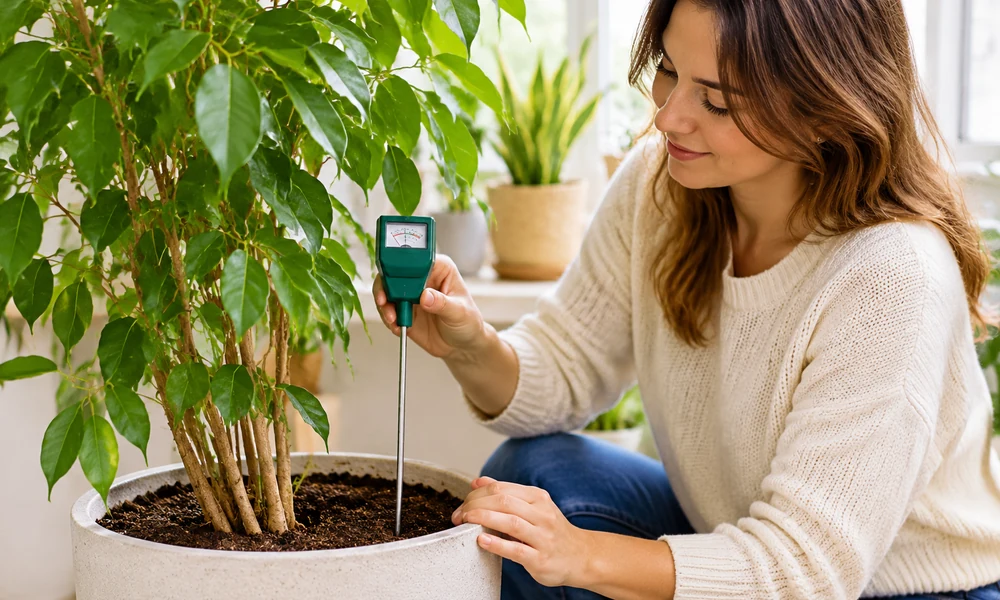
If you have tall planters or large indoor plants, a longer probe can be more useful than a standard model.
The XLUX long-probe version is designed to reach deeper into the soil. This helps you check moisture below the surface rather than relying on a reading from the upper layer alone.
It is worth considering for:
- Large floor planters.
- Deep containers.
- Mature indoor plants with larger root systems.
- Pots where the lower soil takes longer to dry.
The long probe does not automatically make a reading more accurate. You still need to place it in a suitable part of the root zone and avoid hitting the bottom of the pot.
Best Alternative: A Digital or Smart Moisture Sensor
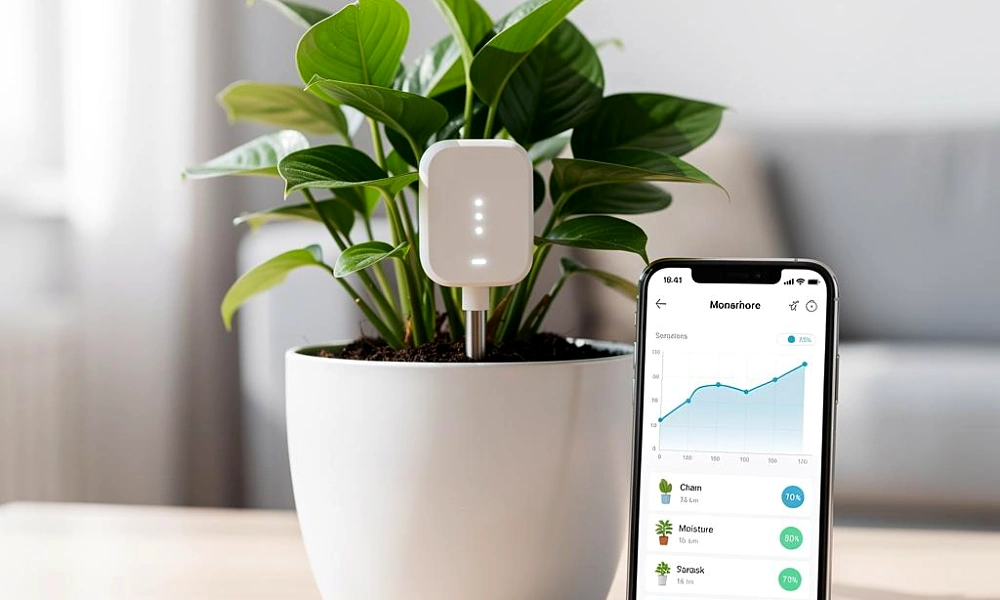
If you prefer digital readings or want to monitor moisture over time, consider a digital or smart sensor. Some models provide app connectivity, historical readings, or alerts. These features can be useful if you manage many plants or want to monitor a growing area.
However, smart sensors cost more and may need batteries, calibration, or a compatible app. For a few houseplants, a basic analog meter may be all you need.
Independent roundups can help you compare designs and testing results. For example, HGTV’s tested soil moisture meter roundup includes basic, digital, and smart options.
Should You Buy a 3-in-1 Soil Meter?
A 3-in-1 meter may look like better value because it combines moisture, light, and pH functions. But extra features do not automatically mean better measurements.
If you are buying one mainly to check watering needs, focus on the moisture function first. Do not rely on an inexpensive combination meter for important soil pH decisions or precise grow-light measurements without checking how those functions work.
A dedicated tool for each measurement is usually easier to evaluate and use correctly.
How to Use a Soil Moisture Meter Correctly
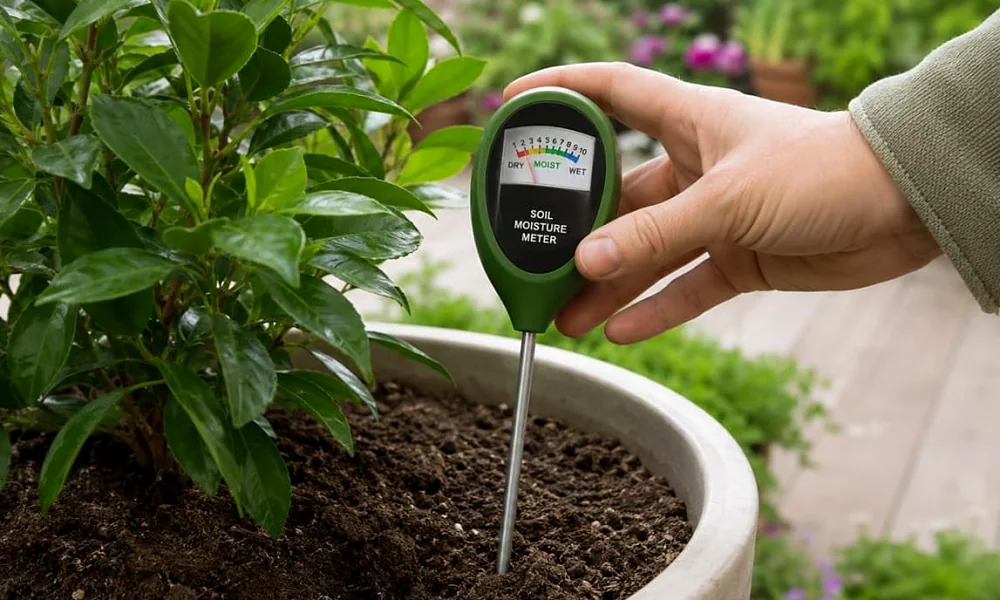
A moisture meter is only useful when you take readings in the right place and handle the probe carefully.
Follow these steps when checking a houseplant.
Step 1: Insert the Probe Near the Root Zone
Push the probe gently into the soil, aiming for the area where the plant’s active roots are growing. Do not automatically place it right against the pot wall or force it all the way to the bottom. Avoid stones, thick roots, and hard areas that could bend the probe.
Step 2: Wait for the Reading
Follow the waiting time given in the product instructions. Some simple meters provide a reading quickly, while other sensors need more time to settle.
Read the dial or display before removing the probe.
Step 3: Check a Second Spot
Take another reading a short distance away if the first one seems unusual. This helps you identify uneven moisture. One wet or dry pocket should not determine the watering needs of the entire plant.
Step 4: Remove and Clean the Probe
Once you have finished, remove the meter gently. Wipe soil residue from the probe and dry it before storage. Do not leave a basic handheld meter standing in the pot between waterings unless its manufacturer specifically says it is designed for continuous use.
Step 5: Compare the Reading With the Plant’s Needs
A meter’s dry, moist, or wet scale is not a universal watering instruction. Some plants prefer their soil to dry between waterings, while others need more consistent moisture.
Use the reading alongside the plant’s care requirements, the pot’s weight, and the condition of the soil.
For example, a peace lily has different watering preferences from a succulent. Our peace lily care guide explains how to judge its watering needs rather than relying on a meter alone.
If a plant repeatedly stays wet or dries too quickly, also check the pot size, drainage, and root condition. You may find our guide to repotting a plant useful when the growing conditions need a bigger adjustment.
FAQ: Soil Moisture Meters
Are soil moisture meters accurate?
They can be useful for identifying relative wet and dry areas, but inexpensive probe meters are not laboratory instruments. Readings can change with soil type, salinity, probe position, and contact with the growing medium. Use them as a guide rather than an exact measurement of the whole pot.
Can you leave a moisture meter in the soil?
Not if it is a basic handheld probe meter that is designed for spot-checking. Extended contact with damp soil can corrode the metal probe. Insert it, take the reading, remove it, and wipe it clean. Continuous-monitoring sensors are a different type of product.
Do 3-in-1 soil meters work?
Their moisture function can be useful, but the quality of the light and pH functions varies by model. Check the specifications and independent reviews before relying on those extra readings. If you need precise light or pH information, consider a dedicated instrument.
Is a moisture meter better than the finger test?
Neither method is perfect. Your finger can tell you whether the upper soil is dry, while a probe meter can help you check moisture deeper in the pot. Using both methods, along with the pot-weight test, gives you a better picture than relying on one reading.
How deep should I insert a plant moisture meter?
Insert the probe far enough to check the plant’s root zone, while following the instructions for your model. The correct depth depends on the probe length, pot size, and root system. Do not force the probe into hard soil or push it against the bottom of the container.
Why does my moisture meter show a different reading after fertilizing?
Some probe meters respond to the electrical properties of the soil. Dissolved fertilizer salts can change electrical conductivity, which may affect the reading. Compare readings under similar soil conditions and avoid treating the number as an exact moisture percentage.
Final Thoughts
A plant moisture meter can make watering decisions easier, especially when you have deep pots or plants that are sensitive to excess water. For most houseplant owners, a simple analog meter is a practical starting point. If you regularly work with large planters, a longer probe may be worth the extra cost.
The key is to use the meter as one part of your plant-care routine. Check more than one spot, remove and clean the probe after use, and learn how much moisture your particular plant prefers. A meter can help you understand what is happening below the surface, but observing the plant and its growing conditions still matters.
Disclaimer: Moisture meter readings can vary depending on soil type, placement, and device quality. Use them as a guide alongside regular checks of your plant and soil.