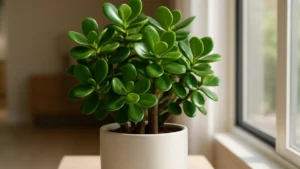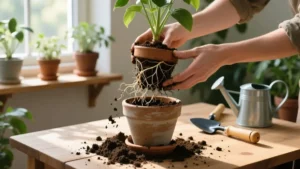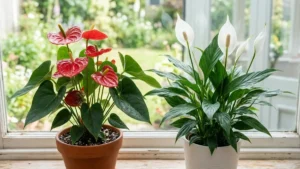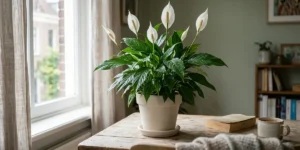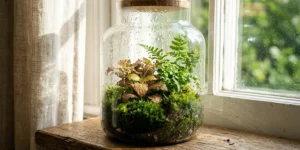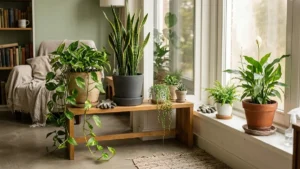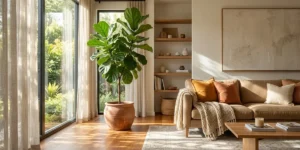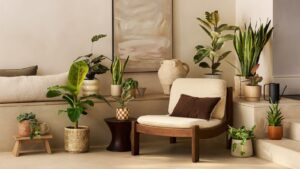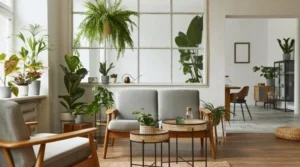
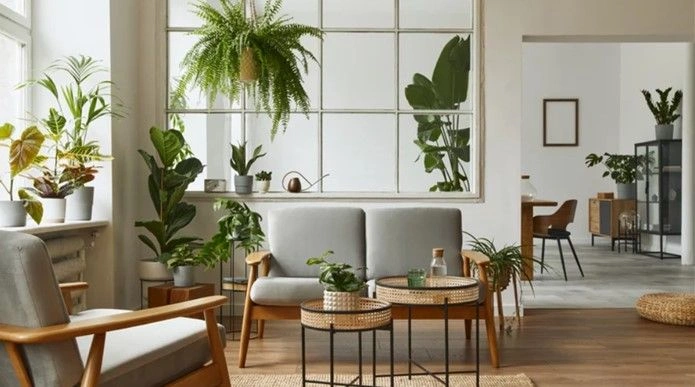
Biophilic interior design is about making your home feel more connected to nature. One of the easiest ways to do this is by bringing real plants indoors. A few well-placed houseplants can soften a room, add color and texture, and make an otherwise plain space feel more alive.
The idea is more than simply filling every corner with greenery. Good biophilic interior design considers light, space, natural shapes, materials, views, and the way people experience a room. Research on indoor plants has found generally positive effects on relaxation and some aspects of cognitive function, although the strength of evidence varies between outcomes and studies.
For homeowners, the best approach is simple: choose plants that suit your space, use them where they can be enjoyed, and create a natural-looking balance instead of turning your home into a jungle.
What Is Biophilic Interior Design?
Biophilic interior design brings elements of nature into indoor spaces to create a stronger connection between people and the natural world. Plants are one of the most visible parts of this approach, but they are not the only ones. Natural light, wood, stone, water, organic shapes, natural textures, and views of greenery can also contribute to a biophilic space.
The concept is linked to the idea that humans have an emotional connection with nature. Research reviewing experimental studies has found that exposure to natural environments can improve positive feelings and reduce negative ones, supporting the broader thinking behind biophilic design.
In a home, this does not mean you need expensive furniture or a major renovation. Even a small apartment can use plants, natural textures, daylight, and earthy materials to create a calmer and more natural atmosphere.
Key Takeaways
- Biophilic interior design connects indoor spaces with nature through plants and other natural elements.
- Plants can add color, texture, height, and a sense of life to almost any room.
- Choose plants according to available light, space, temperature, and care requirements.
- Combine greenery with wood, stone, rattan, cotton, and other natural textures.
- Use different plant heights and leaf shapes to create a balanced arrangement.
- Natural light can make both plants and the room feel more inviting.
- Avoid overcrowding your space with too many plants.
- Research suggests indoor plants may support relaxation and some aspects of cognition, but the evidence has limitations.
Why Plants Work So Well in Biophilic Design
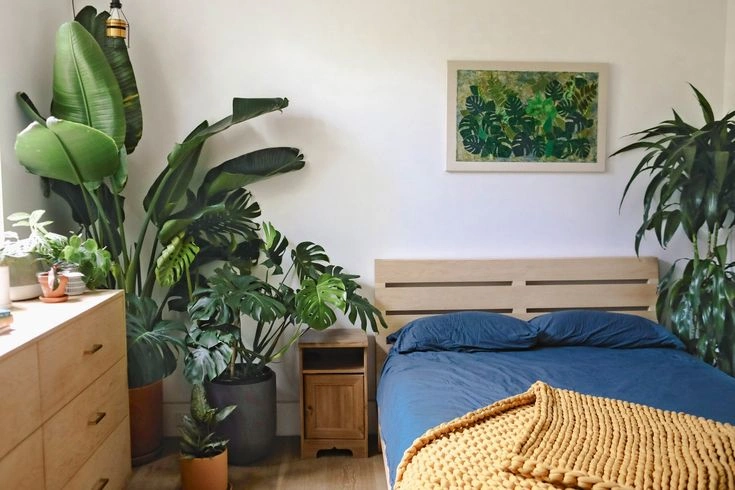
Plants add something that artificial decorations cannot fully reproduce: they are living elements that change over time. New leaves appear, stems grow, and different plants create different shapes and textures.
A systematic review of indoor plant research found that plants were generally associated with positive effects, particularly relaxed physiological responses and improved cognition. The researchers also noted that some results were based on a limited number of studies, so these findings should not be treated as a guarantee of specific health benefits.
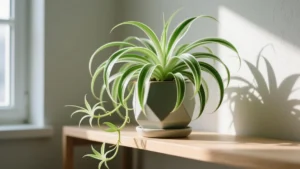
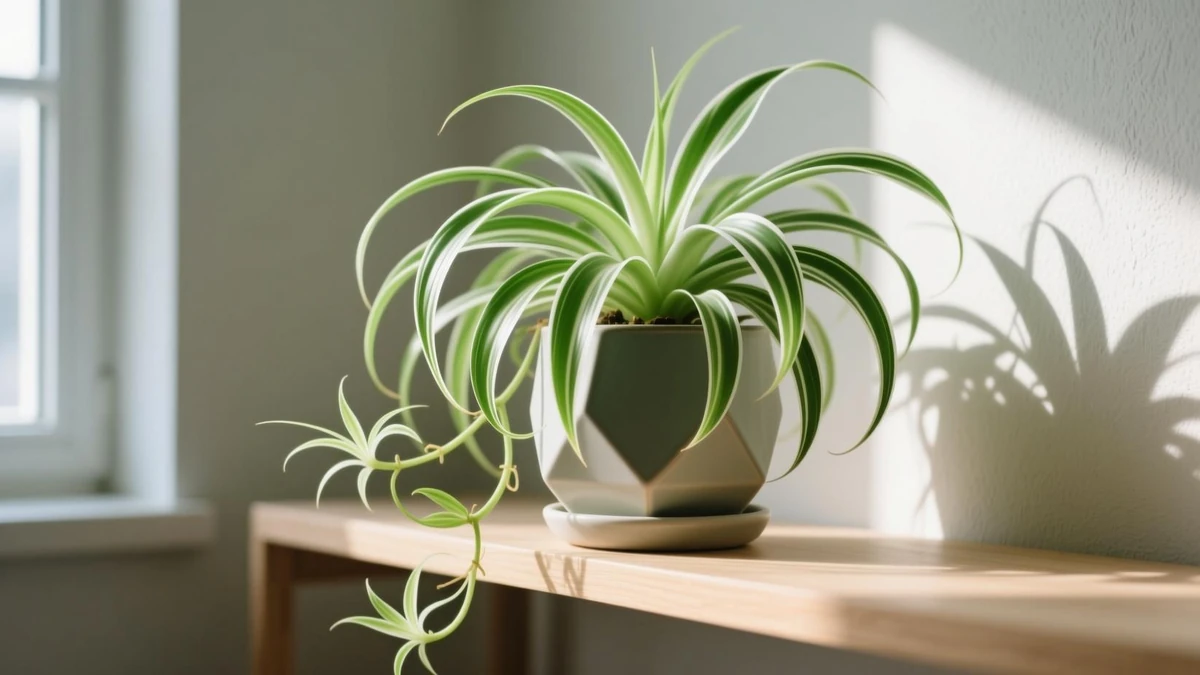
Plants can also make a room feel visually softer. Tall plants can fill an empty corner, trailing plants can add movement to shelves, and compact plants can bring greenery to desks or bedside tables.
How to Use Plants for Biophilic Interior Design
Choose Plants Based on Your Room
Start with the conditions your room already offers instead of choosing a plant simply because it looks attractive. Consider natural light, temperature, humidity, available space, and how much time you can spend caring for the plant.
A bright room may suit plants that need stronger indirect light, while lower-light areas require more tolerant choices. Matching the plant to the environment makes it easier to keep the greenery healthy and attractive.
Create a Green Focal Point
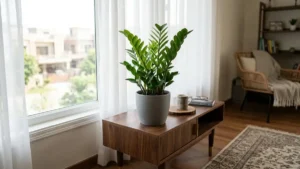
Instead of scattering small plants everywhere, consider creating one strong green feature. A large houseplant beside a sofa, near a window, or in an empty corner can become a natural focal point.
This works especially well in minimalist rooms because one large plant can add life without making the space feel crowded.
Use Different Heights and Shapes
A natural-looking arrangement usually has variety. Combine tall plants with medium-sized plants and smaller varieties placed on shelves, tables, or plant stands.
Different leaf shapes also make a difference. Large leaves can create a bold look, while thin or delicate foliage gives a lighter appearance. Mixing textures helps prevent the room from looking repetitive.
Bring Plants Into Everyday Spaces
Plants do not need to stay in the living room. A small plant can sit beside a workspace, while a suitable moisture-loving plant can add greenery to a bathroom with enough natural light.
In the bedroom, keep the arrangement simple and avoid overcrowding surfaces. The goal is to make nature part of everyday living rather than creating a separate indoor garden.
Add Natural Materials Alongside Plants 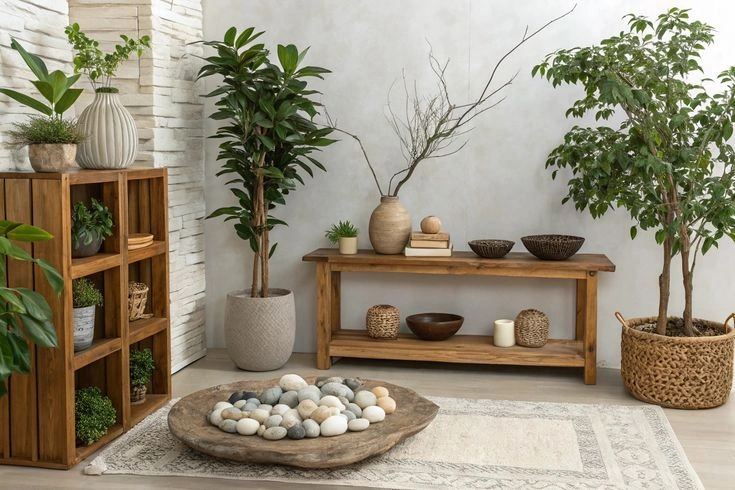
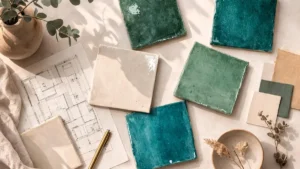
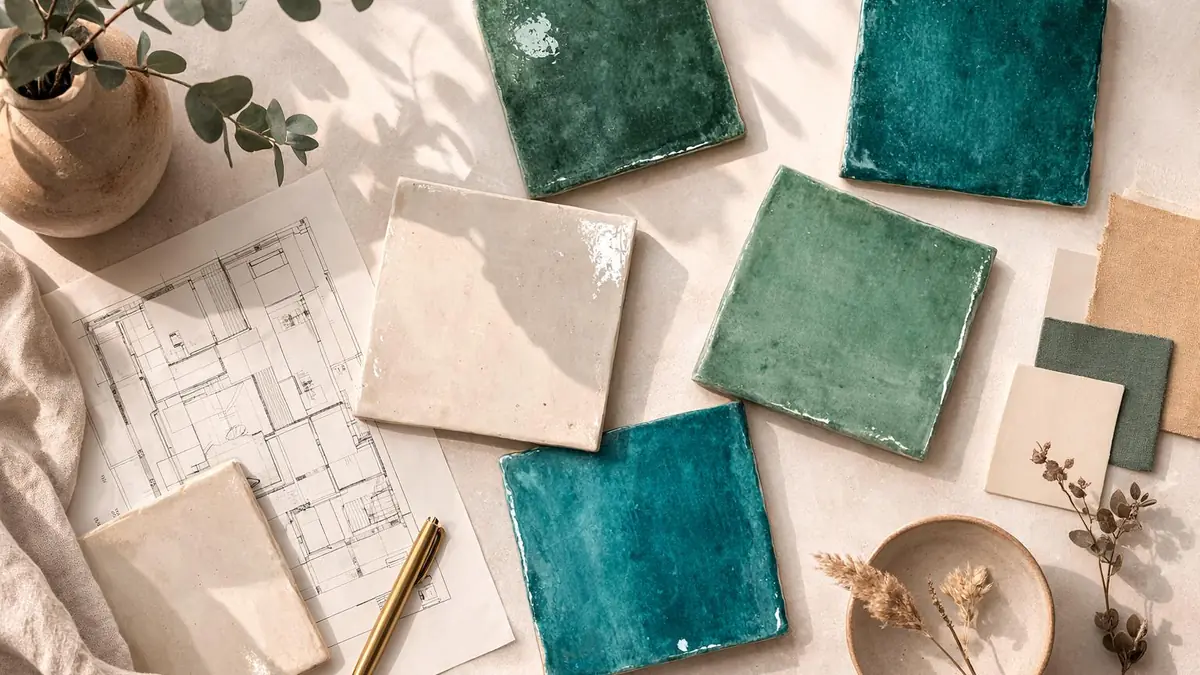
Plants become even more effective when they are paired with natural-looking materials. Wood furniture, stone surfaces, woven baskets, cotton fabrics, rattan, bamboo, and earthy textures can complement greenery without competing with it.
For example, a leafy plant in a woven basket can look more natural than the same plant placed in a highly polished decorative container. You do not need to replace everything in your home. Adding a few natural materials can be enough to change the overall feeling of a room.
Make Natural Light Part of the Design
Natural light is an important part of a nature-inspired interior. Whenever possible, arrange furniture and plants so that daylight becomes part of the room rather than blocking windows with heavy objects.
Plants should still be placed according to their individual light requirements. A beautiful spot is not useful if the plant cannot survive there.
Natural light can also make greenery more noticeable throughout the day, creating changing shadows and patterns that add visual interest to the room.
Use Plants Without Making the Room Cluttered
More plants do not automatically mean better biophilic interior design. Too many pots can make a room feel crowded and make cleaning and plant care harder.
A better strategy is to leave breathing space between plants and furniture. Grouping a few plants can create a stronger visual effect than placing tiny pots randomly around the room.
Think about balance. If one side of the room already has a large plant, the other side may only need a smaller natural element rather than another large arrangement.
Best Plant Ideas for Different Areas
Living Room
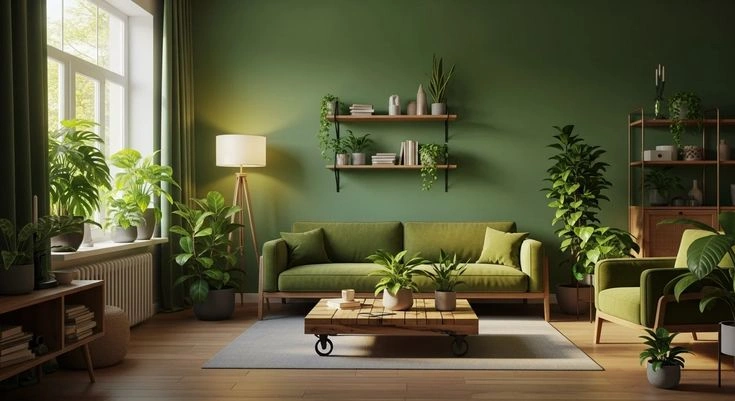
The living room usually has enough space for a statement plant. A tall leafy plant beside a sofa or cabinet can add height and soften hard furniture lines.
Smaller plants can be placed on shelves or side tables, but keep the arrangement practical so leaves do not interfere with movement.
Bedroom
Choose a simple plant arrangement that fits comfortably into the room. A small plant on a dresser or a suitable floor plant near a window can add greenery without taking over the space.
Home Office
A plant beside your desk can add a natural visual break during the workday. Research on indoor plants has found potential benefits for relaxed physiology and cognition, although individual responses can vary.
Keep the plant somewhere visible but not where it blocks your screen, workspace, or natural light.
Bathroom
Bathrooms can work well for plants when they receive enough light and have suitable conditions. Plants that naturally tolerate higher humidity can be considered, but always check the specific care requirements before choosing one.
Common Biophilic Design Mistakes to Avoid
One common mistake is choosing plants only for appearance. A plant that does not suit your home’s light or temperature can quickly become unhealthy.
Another mistake is treating biophilic design as a decorating trend rather than a way to improve the relationship between people and their surroundings. The strongest results usually come from combining several natural elements instead of relying on plants alone.
It is also important not to make exaggerated health claims. Research suggests that indoor plants and exposure to nature can have positive effects, but indoor plants should not be presented as a replacement for medical treatment or as a guaranteed way to reduce stress, improve air quality, or prevent illness.
What Makes Biophilic Interior Design Advice Trustworthy?
Good advice about biophilic interior design should separate design suggestions from scientific claims. Plant placement, styling, and room arrangement can be discussed as practical design ideas, while claims about wellbeing should be supported by credible research.
Current Google guidance emphasizes helpful, reliable, people-first content, clear sourcing, originality, and demonstrable experience or expertise. Google also states that E-E-A-T itself is not a specific ranking factor, while trust is the most important part of the framework.
For Peeacelily, this means giving readers practical plant and interior advice without exaggerating what research proves. Scientific findings should be presented with their limitations, especially when discussing health or wellbeing.
FAQs
What is biophilic interior design?
Biophilic interior design is an approach that brings elements of nature into indoor spaces. Plants, natural light, wood, stone, organic shapes, natural textures, and views of greenery are common examples.
Do I need lots of plants for biophilic interior design?
No. A few thoughtfully placed plants can create a strong natural feeling. The goal is balance rather than filling every available space with greenery.
Which rooms are best for biophilic design?
Any room can use biophilic design. Living rooms, bedrooms, home offices, kitchens, and bathrooms can all benefit from plants and other natural elements when the conditions are suitable.
Can indoor plants make a home feel calmer?
They can contribute to a more pleasant and natural-feeling environment. Research has found generally positive associations between indoor plants and wellbeing, but individual experiences can differ and research evidence is not equally strong for every claimed benefit.
How do I make a small room feel more natural?
Use one or two appropriately sized plants, maximize natural light, and add small touches such as wooden furniture, woven textures, or natural fabrics. Avoid using too many large plants because they can make a small room feel crowded.
Is biophilic interior design expensive?
It does not have to be. Starting with easy-care plants, simple planters, natural fabrics, and existing wooden or woven items can create a noticeable change without a major renovation.