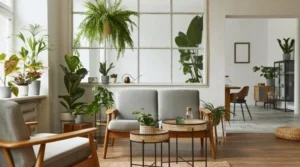
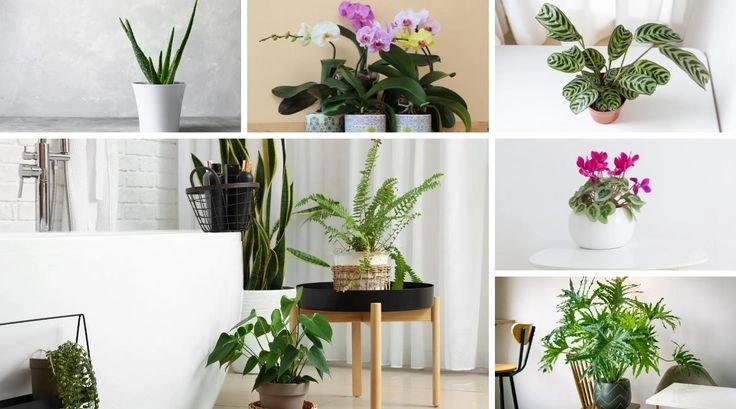
Finding the right indoor plants for Indian homes is not just about choosing a plant that looks beautiful. Indian homes can have strong summer heat, humid monsoons, dry winters, air conditioning, and different levels of natural light. An apartment may have one bright window while another room stays shaded for most of the day.
The good news is that many houseplants can handle these conditions. Snake plants, money plants, ZZ plants, peace lilies, spider plants, and areca palms are among the popular choices for Indian homes because they can adapt to indoor environments when their light and watering needs are understood.
At Peeacelily, we believe the best indoor plant is not necessarily the most expensive or exotic one. It is the plant that matches your room, available light, space, and daily routine.
Key Takeaways
- Choose a plant according to the natural light available in your room.
- Snake plants and ZZ plants are excellent choices for low-light spaces.
- Money plants are flexible, attractive, and suitable for shelves or hanging pots.
- Peace lilies prefer evenly moist soil but should never sit in soggy soil.
- Areca palms and rubber plants work well when you have brighter indoor spaces.
- Good drainage is more important than following a fixed watering schedule.
- Indian summers, monsoons, AC, and dry indoor air can all change how often plants need water.
- A few indoor plants can make a room feel greener and more comfortable, but they should not be treated as a complete air-purification solution.
Why Indoor Plants Work Well in Indian Homes
Indoor plants can add colour, texture, and a natural feel to living rooms, bedrooms, balconies, workspaces, and small apartments. They can also make unused corners look more welcoming without requiring much furniture.
However, indoor conditions vary greatly across India. A coastal apartment may have high humidity, while a home in a dry region may have much lower indoor humidity. Summer heat and air conditioning can also affect plants differently. Recent India-focused plant guides recommend choosing species according to the home’s light, humidity, temperature, and available space rather than simply following a generic houseplant list.
Best Indoor Plants for Indian Homes and Apartments
1. Snake Plant
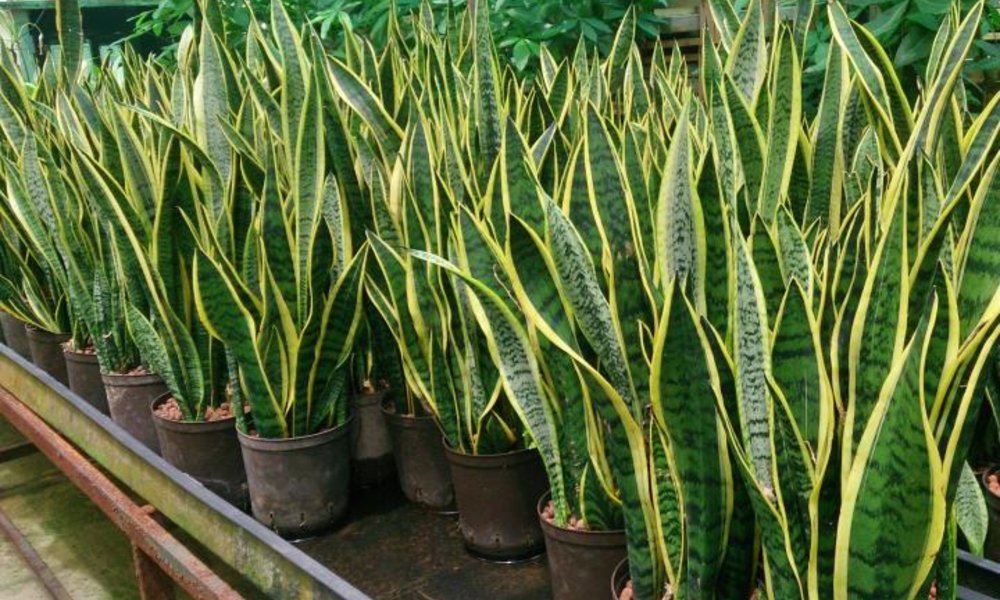
The snake plant is one of the easiest choices for beginners. Its upright leaves take up little floor space, making it especially useful in bedrooms, hallways, offices, and smaller apartments.
It can tolerate low light but usually grows better with brighter indirect light. The biggest mistake is giving it too much water. Allow the soil to dry properly before watering again, and always use a pot with drainage holes.
Best for: Bedrooms, small apartments, low-light corners
Light: Low to bright indirect light
Care level: Very easy
2. Money Plant or Pothos
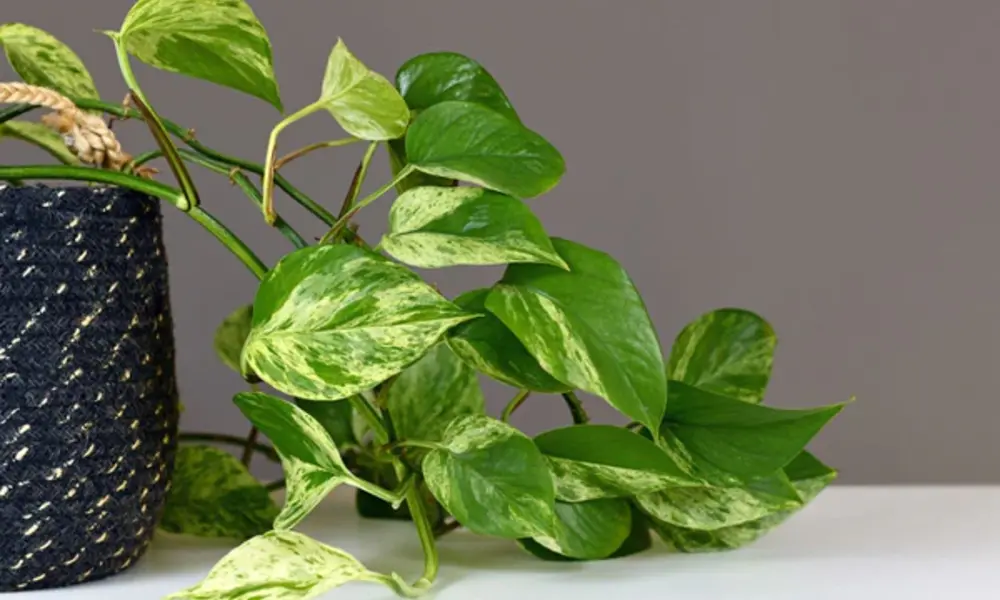
Money plant, commonly known as pothos, is a practical option for Indian homes. Its trailing vines look attractive on shelves, cabinets, hanging baskets, and wall planters.
It can tolerate different indoor light levels, although brighter indirect light usually supports stronger growth and better leaf colour. Avoid keeping the roots permanently wet, especially during humid monsoon weather.
Best for: Shelves, hanging pots, bedrooms, living rooms
Light: Low to bright indirect light
Care level: Easy
3. ZZ Plant
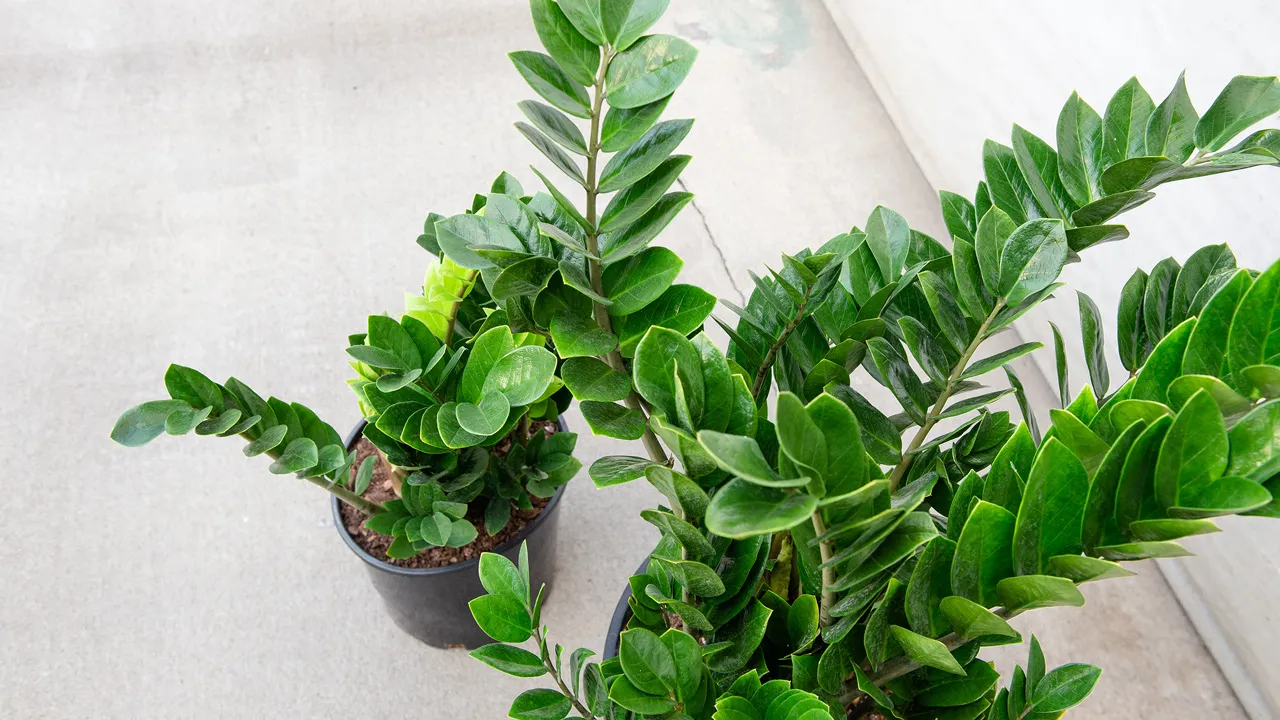
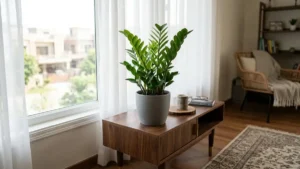
The ZZ plant is a strong choice for people who sometimes forget to water their plants. Its thick underground rhizomes help it store water, allowing it to handle periods of dryness.
It is particularly useful for darker apartments and offices where many other plants struggle. Even so, low light does not mean no light. A room should still receive some natural daylight for long-term growth.
Best for: Low-light rooms and offices
Light: Low to moderate indirect light
Care level: Very easy
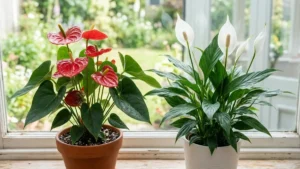
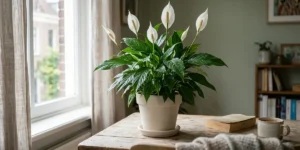
4. Peace Lily
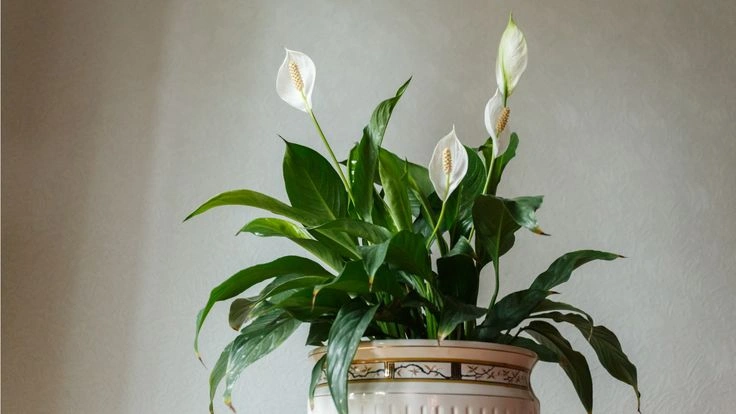
Peace lily brings something different to an indoor plant collection because of its attractive white flowers and deep green leaves. It can grow in low to moderate light, although flowering is generally better when the plant receives suitable indirect light.
Peace lilies like consistent moisture, but constantly wet soil can cause root problems. Check the soil before watering instead of following a strict calendar.
Best for: Living rooms, bedrooms, shaded areas
Light: Low to moderate indirect light
Care level: Easy
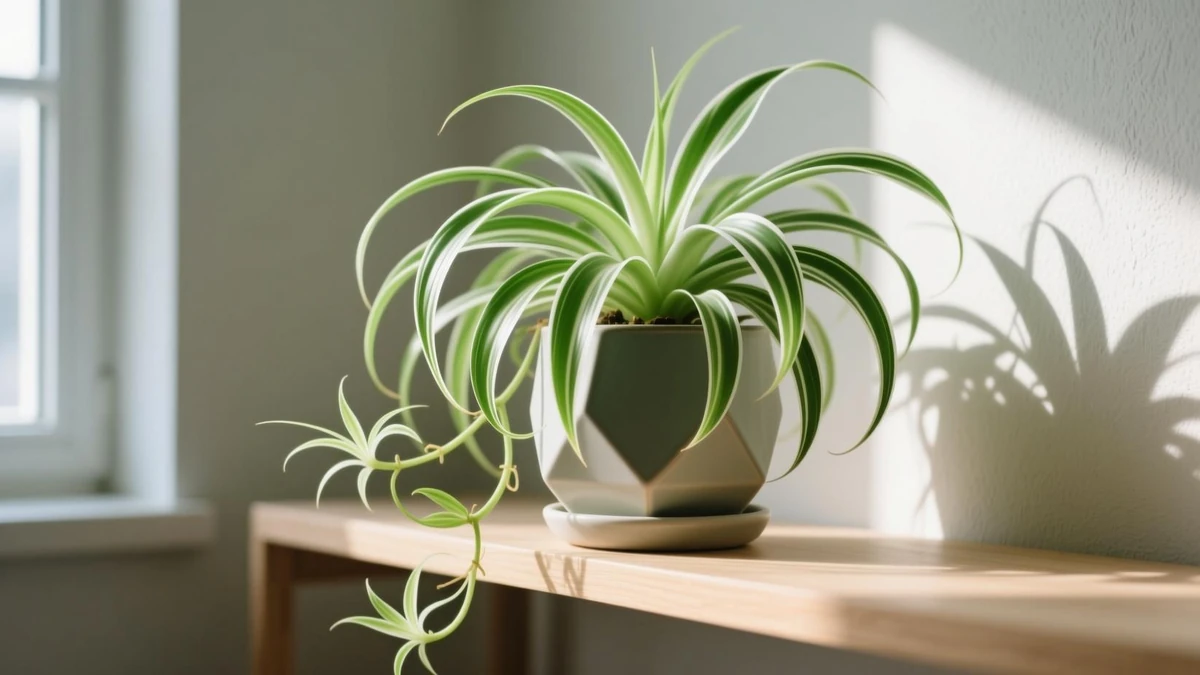
5. Spider Plant
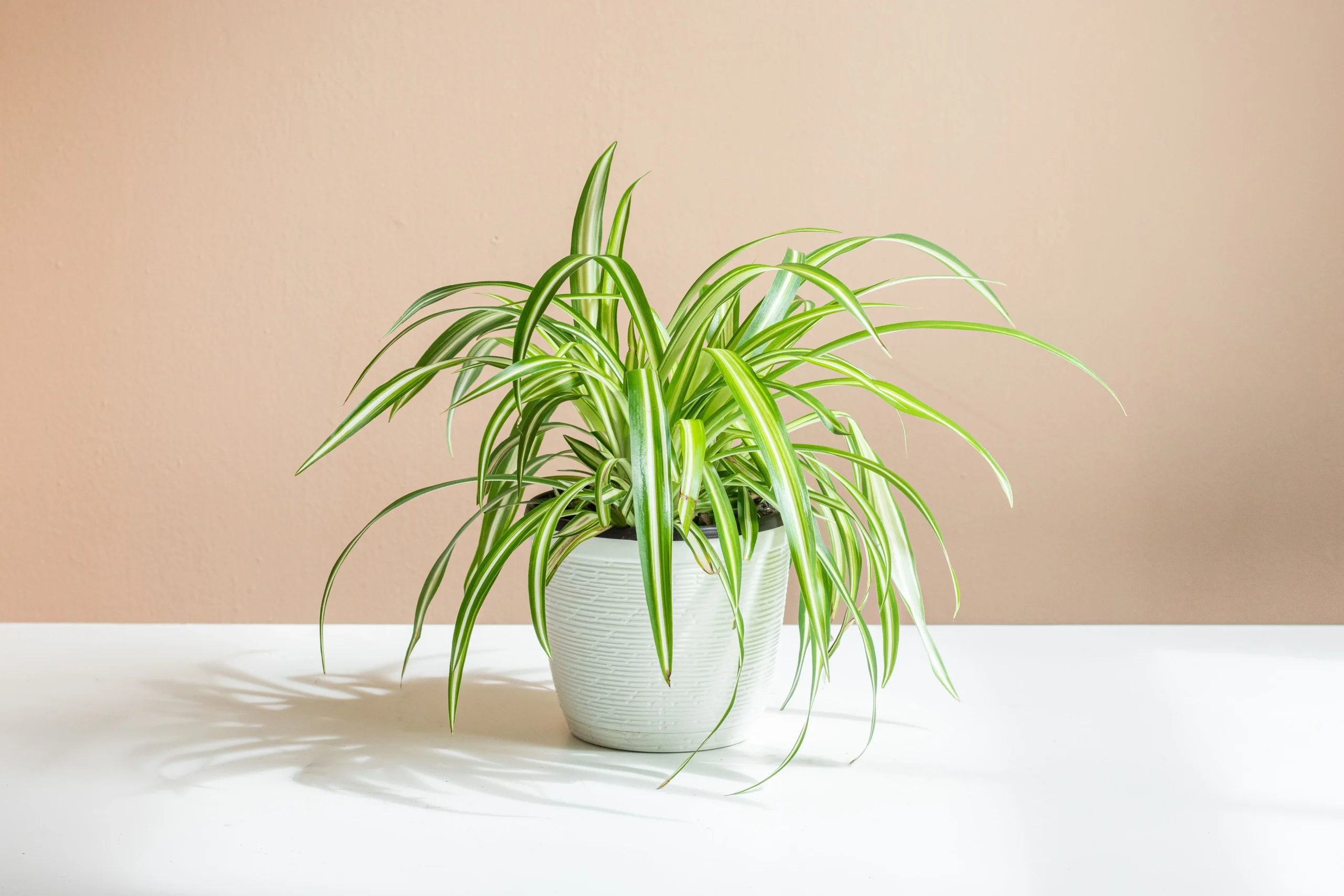
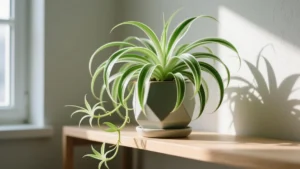
Spider plant is another beginner-friendly choice. Its long, arching leaves work particularly well in hanging pots and on shelves.
It can adapt to indoor conditions and is also known for producing small plantlets that grow from mature plants. Give it indirect light and avoid leaving its roots in water.
Best for: Hanging baskets, shelves, bedrooms
Light: Moderate to bright indirect light
Care level: Very easy
6. Areca Palm
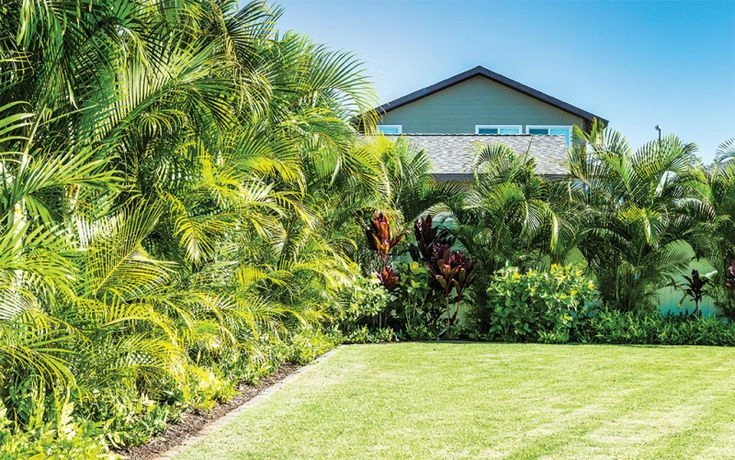
If you have a spacious living room, an areca palm can create a soft tropical appearance. Its feather-like leaves make it a good choice for empty corners and larger apartments.
Areca palms generally prefer brighter indirect light and consistent moisture. They can also respond to dry indoor air, particularly in air-conditioned rooms, so avoid placing them directly in the path of an AC vent.
Best for: Large living rooms and corners
Light: Bright indirect light
Care level: Moderate
7. Rubber Plant
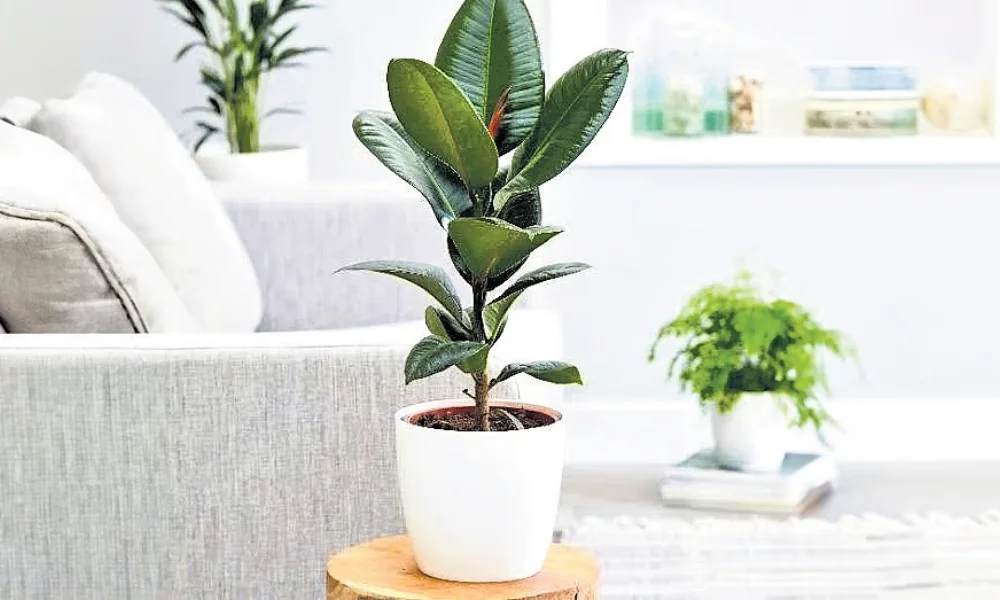
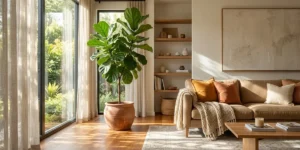
Rubber plant is a good option when you want a larger statement plant. Its broad, glossy leaves can add structure to a living room or bright apartment corner.
It prefers good natural light without harsh direct afternoon sun. Let the soil dry somewhat between watering rather than keeping it constantly wet.
Best for: Bright living rooms and larger spaces
Light: Moderate to bright indirect light
Care level: Easy
8. Aglaonema

Aglaonema is useful for homes where natural light is limited. Depending on the variety, its leaves can have green, silver, cream, or other attractive patterns.
It works well on tables, shelves, and corners where a larger floor plant would take up too much room. Like many indoor plants, it should be grown in well-draining soil and protected from excessive watering.
Best for: Apartments, tables, low-light rooms
Light: Low to moderate indirect light
Care level: Easy
9. Aloe Vera
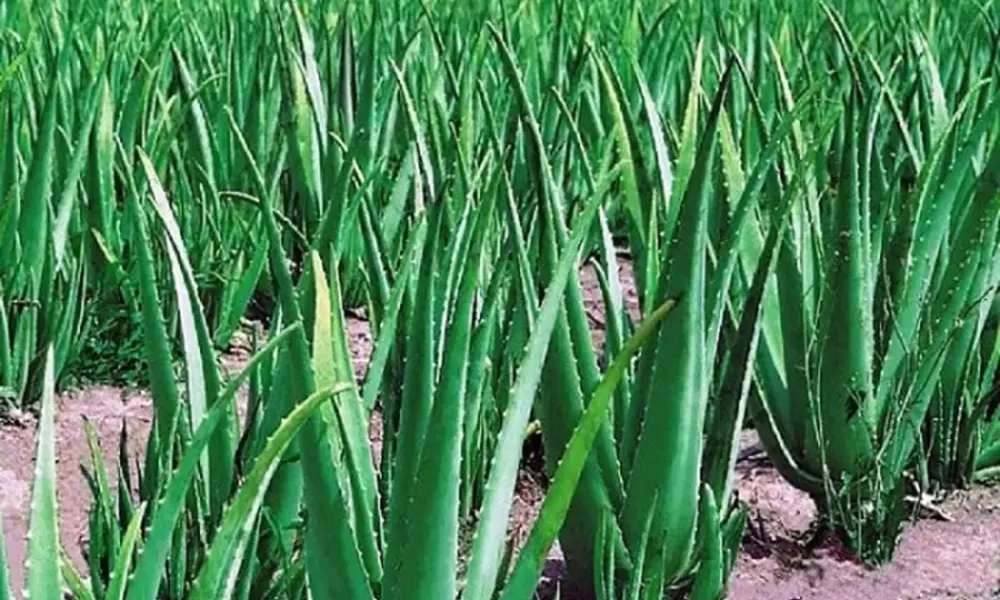
Aloe vera is better suited to a bright indoor position than a dark corner. A sunny windowsill can be a good location if the plant is protected from excessive heat and harsh conditions.
Because aloe stores water in its thick leaves, it does not need frequent watering. Allow the soil to dry before watering again and use a pot with good drainage.
Best for: Bright windowsills and kitchens
Light: Bright light
Care level: Easy
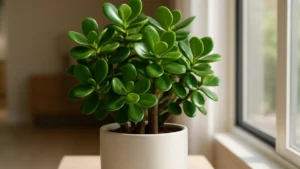
10. Jade Plant

Jade plant is another good choice for a bright room. Its thick leaves store water, so it generally prefers less frequent watering than moisture-loving houseplants.
Place it near a bright window and avoid overwatering. It is especially suitable for people who prefer compact plants for desks, windowsills, and small plant collections.
Best for: Bright windowsills and desks
Light: Bright light
Care level: Easy
How to Choose Indoor Plants for Your Home
For Low-Light Apartments
If your room receives little natural light, start with a snake plant, ZZ plant, pothos, or aglaonema. These are among the more adaptable options for dim indoor spaces. Remember that low light means limited natural light, not complete darkness.
For Small Apartments
Space-saving plants are usually the better choice. Snake plants grow upward rather than spreading widely, while pothos can trail from shelves or hanging pots. ZZ plants and smaller aglaonema varieties can also work well on tables and compact corners.
For Bright Living Rooms
Bright rooms give you more choices. Rubber plants, areca palms, jade plants, aloe vera, and pothos can all work depending on the exact light conditions. Avoid assuming that bright sunlight through glass is automatically suitable because intense afternoon sun can scorch some leaves.
Indoor Plant Care Tips for Indian Conditions
Give Plants the Right Light
Before buying a plant, observe the room during the day. East-facing windows often provide gentler morning light, while west-facing windows can receive stronger afternoon sun. A sheer curtain can help protect sensitive plants from intense sunlight.
Do Not Follow a Fixed Watering Schedule
One of the easiest ways to damage indoor plants is watering simply because it is a particular day of the week. Soil dries at different speeds depending on the plant, pot size, temperature, humidity, and light.
Check the soil first. Plants in low light often use water more slowly, so watering too frequently can leave the roots sitting in wet soil.
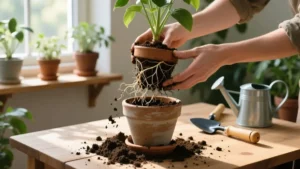
Use Pots With Drainage Holes
Good drainage is essential. Excess water needs somewhere to escape, especially during India’s humid monsoon season. Decorative pots without drainage can trap water around the roots and increase the risk of root problems.
Be Careful With AC
Air conditioning can make indoor air drier. Keep plants away from direct AC airflow and watch for dry or brown leaf edges. Plants that prefer higher humidity, such as peace lilies and areca palms, may need more attention in strongly air-conditioned rooms.
Clean Dust From Leaves
Dust can build up quickly on broad indoor leaves. Gently wiping leaves with a clean, damp cloth can keep them looking fresh and makes it easier to notice pests or other problems early.
E-E-A-T: What to Check Before Choosing a Plant
A reliable indoor plant guide should focus on real growing conditions instead of making exaggerated promises. Plant recommendations here are based on current India-focused gardening sources and established houseplant-care guidance, with particular attention to light, watering, drainage, humidity, and apartment conditions.
It is also important to avoid treating indoor plants as a replacement for ventilation or air filtration. Research-based discussions of houseplants may show potential benefits under controlled conditions, but a few household plants should not be presented as a way to completely remove indoor pollution.
For homes with children or pets, check the safety of each plant before bringing it indoors because some popular houseplants can cause problems if chewed or eaten.
Frequently Asked Questions
Which are the best indoor plants for Indian homes?
Snake plant, money plant, ZZ plant, peace lily, spider plant, aglaonema, and areca palm are popular choices. The best option depends on your home’s light, humidity, available space, and watering routine.
Which indoor plant is best for a low-light Indian apartment?
Snake plant and ZZ plant are two of the strongest choices for low-light spaces. Pothos and aglaonema are also adaptable options, provided the room still receives some natural daylight.
How often should indoor plants be watered in India?
There is no single correct schedule. Check the soil before watering because summer heat, monsoon humidity, AC, pot size, and light can all change how quickly soil dries.
Which indoor plants are best for small apartments?
Snake plants, pothos, ZZ plants, peace lilies, and smaller aglaonema varieties are practical choices because they can fit shelves, tables, corners, or compact floor spaces.
Can indoor plants survive in an air-conditioned room?
Yes. Many indoor plants can grow in AC rooms, but direct cold airflow should be avoided. Snake plants, ZZ plants, and some other hardy plants generally handle these conditions better, while humidity-loving plants may need extra attention.
Are indoor plants enough to clean the air in an Indian home?
No. Plants can add greenery and may contribute to a more pleasant indoor environment, but they should not replace proper ventilation, cleaning, or suitable air filtration where needed. Claims that a few houseplants can completely purify indoor air are overstated.
Conclusion
The best indoor plants for Indian homes are the ones that fit the conditions you already have. Snake plants and ZZ plants are excellent for low-light and low-maintenance spaces, pothos works well when you want flexible placement, and peace lilies add flowers to suitable indoor areas. For brighter and larger rooms, areca palms, rubber plants, aloe vera, and jade plants can bring more variety.
Instead of choosing a plant only because it looks good, check its light, water, space, and humidity requirements first. With the right match and simple care, even a small Indian apartment can have a healthy and attractive green corner.