

Key Takeaways
- A chaotic home emotional effect can include higher stress, reduced focus, and emotional exhaustion.
- Messy home emotions often involve guilt, frustration, and feeling overwhelmed.
- Disorganized home stress can affect relationships, productivity, and everyday routines.
- Small daily habits are more effective than occasional deep cleaning.
- Decluttering one area at a time makes organizing more manageable.
- A functional home is more important than a picture-perfect one.
- Consistent routines help support better home chaos mental health over time.
Quick Answer
A chaotic home can increase stress, reduce focus, create feelings of guilt, and contribute to anxiety or emotional exhaustion. Although clutter does not directly cause mental illness, living in a disorganized environment may make everyday challenges feel more overwhelming. Creating a more organized space can help improve mood, concentration, and overall well-being.
Why Your Home Environment Affects Your Emotions
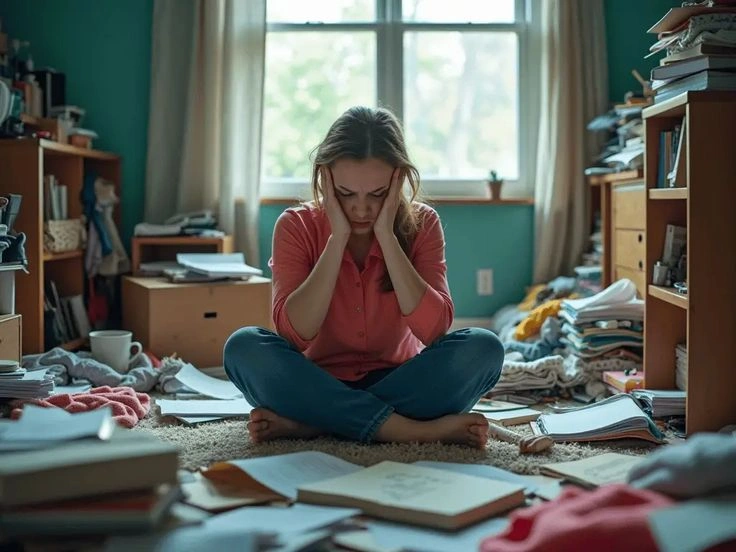
Your surroundings constantly send information to your brain. Every object, sound, and visual distraction competes for your attention, even when you are not fully aware of it.
When your home feels organized, your brain has fewer distractions to process. As a result, you may find it easier to relax, think clearly, and complete daily tasks. On the other hand, excessive clutter can create a sense of unfinished work, making it difficult to switch off and recharge.
This connection between physical surroundings and emotional health explains why many people feel calmer after cleaning a room or organizing a small space. The improvement often comes from reducing mental overload rather than simply making the room look nicer.
Your Brain Notices More Than You Realize
You might think you have learned to ignore the clutter around you. However, your brain continues to process everything within your environment.
For example, piles of laundry, unopened mail, scattered toys, or crowded countertops can serve as constant reminders of unfinished responsibilities. Over time, these visual cues may increase mental fatigue and make it harder to relax.
Rather than feeling like a place of comfort, your home may begin to feel like another source of pressure.
Clutter Can Increase Decision Fatigue

Every day involves hundreds of small decisions. When your surroundings are disorganized, even simple choices become harder.
You may spend extra time looking for your keys, deciding where to put items, or searching for important documents. Although each task seems minor, they add up throughout the day.
Consequently, your mental energy becomes depleted faster, leaving less focus for work, family, or hobbies.
What Makes a Home Feel Chaotic?
A chaotic home is not defined by having a few items out of place. Instead, it usually feels overwhelming because disorder becomes difficult to manage.
Several factors can contribute to this feeling.
Physical Clutter
Rooms filled with unnecessary belongings often feel crowded and stressful. Limited storage space may also make everyday cleaning more difficult.
Constant Noise
Loud televisions, multiple conversations, household appliances, or traffic outside can make it difficult for the brain to rest.
Lack of Routine
Without simple daily habits, dishes, laundry, paperwork, and household tasks can quickly pile up, creating additional stress.
Visual Overload
Too many decorations, crowded shelves, or overflowing storage areas can make a room feel busy, even if everything is technically clean.
Unfinished Projects
Half-completed repairs, unpacked boxes, or ongoing renovations often remind people of tasks they have not completed, increasing emotional pressure.
| Organized Home | Chaotic Home |
|---|---|
| Easy to navigate | Difficult to find everyday items |
| Promotes relaxation | Creates constant mental reminders |
| Supports better focus | Increases distractions |
| Feels welcoming | Feels overwhelming |
| Encourages healthy routines | Makes routines harder to maintain |
The Emotional Effects of Living in a Chaotic Home
Many people underestimate how strongly their surroundings influence their emotions. Over time, a cluttered environment may shape how they think, behave, and interact with others.
Increased Stress
One of the most common emotional responses is stress.
Walking into a cluttered room after a long day can immediately make you feel tense. Instead of relaxing, your attention shifts toward everything that still needs to be cleaned or organized.
Eventually, this constant pressure may become part of your daily routine.
Feelings of Guilt
Many people feel embarrassed about inviting friends or relatives into a messy home.
Others blame themselves for not keeping everything organized, even when they are balancing work, children, health concerns, or financial responsibilities.
These feelings of guilt can lower self-confidence and make people avoid social situations.
Anxiety
Disorganization may also increase anxious thoughts.
People often worry about losing important items, forgetting responsibilities, or falling behind on household tasks. When these concerns build up, they may feel emotionally drained before the day even begins.
Frustration
Repeatedly searching for misplaced belongings wastes both time and patience.
Small inconveniences can quickly become major frustrations, especially during busy mornings when everyone is trying to leave the house on time.
How Home Chaos Impacts Mental Health

A messy environment does not automatically cause anxiety or depression. However, it can make existing emotional challenges more difficult to manage.
For individuals already dealing with stress, burnout, or emotional exhaustion, constant household disorder may add another layer of pressure.
Reduced Ability to Focus
A cluttered environment gives your brain more information to process.
As a result, concentrating on work, homework, reading, or even watching television may become more difficult.
People working from home often notice this effect because their surroundings directly influence productivity.
Emotional Exhaustion
When household responsibilities seem endless, motivation can slowly disappear.
Instead of knowing where to begin, many people feel stuck. This emotional overload sometimes leads to procrastination, which creates even more clutter and stress.
The cycle can continue unless it is broken with small, manageable steps.
Why Some People Are More Affected Than Others
Not everyone reacts to a cluttered home in the same way. Some people can work around a little mess, while others feel overwhelmed almost immediately. The difference often comes down to personality, daily responsibilities, and current stress levels.
For example, someone working long hours or caring for young children may have less energy to keep their home organized. Likewise, people already experiencing anxiety or burnout may find that household clutter adds to their emotional load.
Life Changes Can Create Temporary Chaos
A home can become disorganized during major life events, including:
- Moving to a new house
- Starting a new job
- Having a baby
- Recovering from illness or surgery
- Caring for an aging family member
- Losing a loved one
During these periods, perfection should not be the goal. Instead, focus on creating a space that feels safe, functional, and manageable.
Signs Your Home Is Affecting Your Well-Being
Sometimes the emotional impact of clutter develops so gradually that you hardly notice it. Recognizing the signs early can help you make positive changes before stress builds further.
You Feel Tired at Home
Your home should help you recharge. If you feel mentally exhausted the moment you walk through the door, your environment may be contributing to that feeling.
You Avoid Certain Rooms
If you keep the bedroom, garage, or spare room closed because it feels overwhelming, clutter may be affecting your emotions more than you realize.
You Lose Things Often
Frequently searching for keys, chargers, paperwork, or other essentials can increase frustration and waste valuable time.
You Rarely Invite Guests
Feeling embarrassed about your home’s condition may lead you to avoid family visits or social gatherings. Over time, this can reduce meaningful connections with others.
Household Tasks Feel Impossible
When every room feels messy, deciding where to begin becomes difficult. As a result, many people postpone cleaning altogether.
Practical Ways to Reduce Home Chaos
Creating a calmer home does not require expensive storage systems or a complete makeover. Small, consistent habits often make the biggest difference.
Start With One Small Area
Choose a single drawer, shelf, or countertop instead of tackling the entire house.
Completing one small task builds confidence and creates momentum for the next.
Follow the Five-Minute Rule
If a task takes less than five minutes, do it immediately.
Examples include:
- Folding a blanket
- Washing a few dishes
- Putting shoes away
- Throwing out junk mail
These quick actions prevent clutter from building up.
Create Daily Reset Habits
Spend 10 to 15 minutes each evening returning items to their proper places.
This simple routine keeps small messes from becoming overwhelming.
Keep Frequently Used Items Accessible
Store everyday essentials where they are easy to find.
When everything has a designated place, staying organized becomes much easier.
Let Go of Unneeded Items
Many homes contain belongings that no longer serve a purpose.
Ask yourself:
- Have I used this in the past year?
- Does it add value to my life?
- Would someone else benefit from it more?
Donating or recycling unused items creates more breathing room without sacrificing things you truly need.
Room-by-Room Reset Plan
| Room | Small Change | Emotional Benefit |
|---|---|---|
| Bedroom | Make the bed every morning | Creates a calmer start to the day |
| Kitchen | Clear countertops after meals | Reduces visual stress |
| Living Room | Put items back before bedtime | Makes the space feel welcoming |
| Bathroom | Organize daily essentials | Saves time during busy mornings |
| Home Office | Keep only work essentials on the desk | Improves focus and productivity |
Temporary Mess vs. Chronic Home Chaos
| Temporary Mess | Chronic Home Chaos |
|---|---|
| Happens after busy days | Lasts for weeks or months |
| Easy to clean | Feels overwhelming |
| Doesn’t interfere with daily life | Makes everyday tasks harder |
| Causes little stress | Creates ongoing emotional pressure |
| Improves with routine cleaning | Often needs a long-term organizing plan |
Expert Tips for a More Peaceful Home
- Focus on progress instead of perfection.
- Finish one task before starting another.
- Avoid bringing unnecessary items into your home.
- Involve every family member in daily cleanup.
- Schedule short organizing sessions instead of long cleaning marathons.
- Celebrate small improvements because they encourage lasting habits.
Common Mistakes to Avoid
Many people unintentionally make clutter harder to manage.
Avoid these common mistakes:
- Trying to organize the entire house in one day.
- Buying storage containers before removing unnecessary items.
- Comparing your home to perfectly staged photos online.
- Keeping belongings out of guilt instead of usefulness.
- Waiting until the mess feels overwhelming before taking action.
Calm Home Checklist
Use this simple checklist each week:
- □ Make the bed each morning.
- □ Put items back after using them.
- □ Clear kitchen counters every evening.
- □ Throw away unnecessary papers.
- □ Donate unused belongings regularly.
- □ Keep walkways free from clutter.
- □ Spend 10 minutes tidying before bed.
- □ Organize one small area each weekend.
Frequently Asked Questions
Can a messy home affect mental health?
Yes. A messy home can increase stress, reduce focus, and contribute to feelings of frustration or anxiety. While clutter alone does not cause mental health conditions, it can make existing emotional challenges feel more difficult.
Why does clutter make me feel overwhelmed?
Your brain constantly processes everything you see. Too much visual information can increase mental fatigue and make it harder to relax or concentrate.
How can I organize my home without feeling overwhelmed?
Start with one small space, such as a drawer or countertop. Completing small tasks consistently is more effective than trying to clean the entire house at once.
Is it normal for homes to become messy?
Absolutely. Busy schedules, children, illness, work demands, and major life changes can all lead to temporary clutter. The goal is not perfection but creating a functional and comfortable living space.
Can an organized home improve relationships?
A calmer environment may reduce arguments about household chores, improve communication, and create a more relaxing atmosphere for spending time together.
Conclusion
A home doesn’t have to look perfect to support your well-being. What matters most is whether it helps you feel safe, comfortable, and able to manage everyday life. Even small changes, like clearing a countertop or spending a few minutes tidying each day, can reduce stress and make your space feel more peaceful.
Remember that building better habits takes time. Instead of aiming for perfection, focus on steady progress that fits your lifestyle. A calmer home often leads to a calmer mind, stronger relationships, and a healthier daily routine. At Peeacelily, we believe that creating a peaceful living environment starts with simple, realistic steps that anyone can take.