Aloe vera plant benefits offer a physical way to refresh your living space, but creating a truly balanced home environment involves combining functional botany with mindful energetic practices. While an indoor garden brings concrete physical utility to your rooms, integrating elements like the clear quartz crystal meaning, healing crystals for positive energy, energy cleansing crystals, and the master healer crystal quartz elevates your daily environment into a holistic personal retreat.
Key Takeaways
-
Aloe vera acts as an ornamental piece and an immediate first-aid tool for minor burns and skin hydration.
-
This sturdy succulent thrives on neglect, requiring water only when soil dries out completely.
-
Pairing vibrant greenery with natural quartz crystal shapes creates a visually clean, relaxing home space.
-
Crystals serve as psychological focal points that assist with daily mindfulness and digital breaks.
-
Always drain the yellow aloin latex before using raw aloe gel to prevent severe skin irritation.
What Is Aloe Vera?
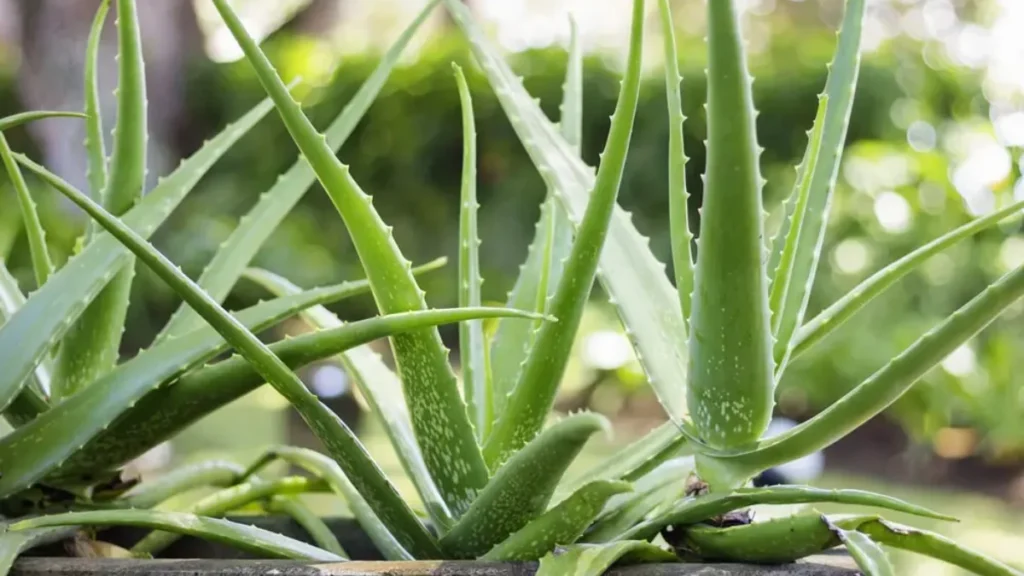
Aloe vera is a perennial, evergreen succulent. It has thick, fleshy green leaves that store water to survive dry climates. It originated in the Arabian Peninsula but thrives today worldwide as a tough indoor houseplant.
Botanically named Aloe barbadensis miller, this plant is a specialized xerophyte built to survive with very little water. Its thick leaves contain an internal tissue that stores water as a clear, thick gel. This smart adaptation helps the plant survive long droughts, so it is an incredibly easy choice for busy indoor gardeners.
Nutritional and Bioactive Compounds in Aloe Vera
The thick inner gel of the aloe vera leaf is roughly 99% water, but the remaining 1% contains a complex matrix of over 75 bioactive compounds. These components work together synergetically to deliver the plant’s documented soothing and regenerative properties.
| Compound Class | Specific Components | Potential Benefit |
| Vitamins | Vitamins A (beta-carotene), C, and E | Strong antioxidant activity, neutralizes free radicals, supports skin barrier. |
| Enzymes | Bradykinase, amylase, catalase, lipase | Reduces excessive inflammation when applied topically, breaks down sugars. |
| Polysaccharides | Acemannan, glucomannan | Stimulates collagen synthesis, accelerates wound healing, retains skin moisture. |
| Amino Acids | 20 of 22 required amino acids (7 essential) | Provides building blocks for skin tissue repair and cellular regeneration. |
Science-Backed Aloe Vera Plant Benefits
Here are the proven Aloe Vera Plant Benefits:
Aloe Vera Plant Benefits for Skin Health
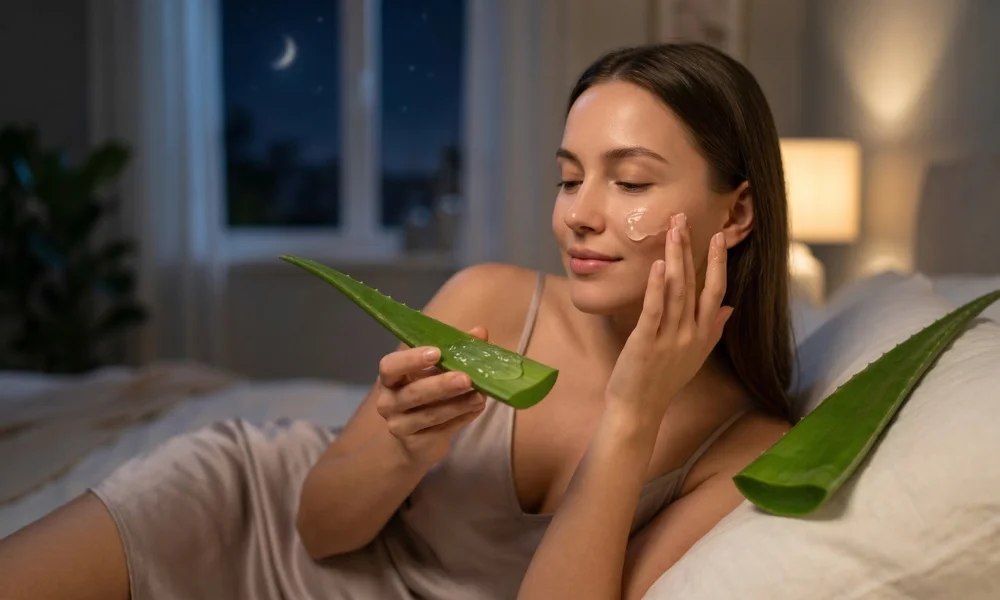
Clinical studies show that topically applied aloe vera gel significantly improves skin hydration. It works as a natural humectant, drawing moisture into the stratum corneum (the outermost layer of the skin) without leaving a greasy residue. The gel contains mucopolysaccharides that bind moisture to the skin, making it an effective choice for individuals managing dry skin conditions or looking for lightweight, non-comedogenic hydration.
Aloe Vera Plant Benefits for Minor Burns and Sun Exposure
Research consistently confirms that aloe vera accelerates the healing process for first-degree and mild second-degree burns, including sunburns. The gel cools the skin surface, reduces blood vessel constriction, and forms a protective barrier over the damaged area.
Aloe Vera Plant Benefits for Hydration and Skin Appearance
By stimulating fibroblasts, aloe vera encourages the production of structural proteins that maintain skin elasticity. Regular application helps reduce the appearance of fine lines caused by dehydration. However, users should note that while it improves texture and suppleness, it cannot permanently reverse chronological aging or replace deep medical dermatological treatments.
Aloe Vera Plant Benefits for Oral Care
Pure aloe vera juice has shown promise as an alternative to chemical mouthwashes. Clinical trials evaluating its impact on dental plaque and gingivitis found that its natural antibacterial properties, driven by compounds called anthraquinones, help inhibit the growth of plaque-forming bacteria like Streptococcus mutans. It provides a soothing option for individuals with sensitive gums or oral ulcers.
Aloe Vera Plant Benefits for Digestive Wellness
When processed correctly to remove the irritating outer latex, oral aloe vera preparations can help soothe irritation in the gastrointestinal tract. Studies suggest it may reduce symptoms of mild irritable bowel syndrome (IBS) due to its anti-inflammatory properties. However, clinical evidence is still mixed, and consumers must exercise caution, as improper consumption can lead to stomach cramps and laxative dependency.
Benefits of Growing an Aloe Vera Plant at Home
Cultivating an aloe vera plant offers practical advantages that go far beyond its biological compounds. It is an exceptionally sturdy plant that adapts beautifully to the realities of modern household environments.
-
Low-Maintenance Care: It does not require daily watering, pruning, or complex fertilizing schedules.
-
Drought Resistance: The plant easily survives weeks of neglect, making it perfect for frequent travelers.
-
Long Lifespan: With proper root management, a single aloe plant can live for over two decades.
-
Easy Propagation: It naturally produces miniature clones, known as “pups,” allowing you to multiply your collection for free.
-
Emergency Access: Provides an immediate, cool gel source for unexpected kitchen burns or scrapes.
For a busy homeowner, these traits mean you get a functional green asset without adding another chore to your weekly to-do list.
| Feature | Aloe Vera Plant | Typical Indoor Plant (e.g., Peace Lily or Fern) |
| Maintenance Level | Very Low; thrives on minimal intervention. | Moderate to High; requires regular monitoring. |
| Water Needs | Low; every 2 to 3 weeks after soil dries completely. | High; requires consistently moist soil conditions. |
| Propagation | Very Easy; separate self-growing pups from base. | Moderate; requires precise stem cuttings or divisions. |
| Longevity | High; easily lives 12 to 20+ years. | Variable; sensitive to sudden indoor climate shifts. |
| Practical Uses | Dual-purpose: Ornamental and topical gel source. | Single-purpose: Purely ornamental or air-filtering. |
Aloe Vera and Holistic Wellness Lifestyles
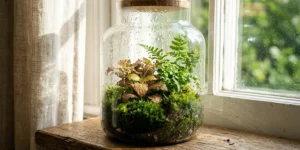
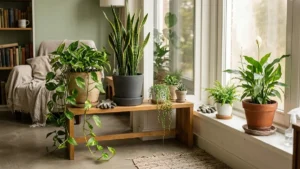
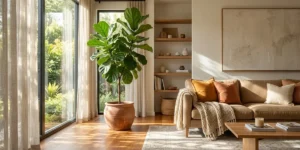
A growing trend in modern interior design involves creating dedicated spaces that support mental and physical well-being. Wellness-oriented homeowners frequently group therapeutic indoor plants like aloe vera alongside natural elements to design mindful living environments. These spaces serve as a visual break from screens, helping people reconnect with natural rhythms inside their homes.
In these intentional spaces, you will often see people explore the clear quartz crystal meaning to bring clarity and balance into a room. Incorporating healing crystals for positive energy or using dedicated energy cleansing crystals helps establish a calming routine.
Many individuals view the master healer crystal quartz as an ideal companion for vibrant green plants, using the combination to create a visually striking, harmonious aesthetic.
Understanding Clear Quartz Crystal Meaning
Aloe vera works well to soothe skin irritations and heal minor burns, but crystals are utilized to bring mental focus into modern living spaces. Among the various minerals used in home design, clear quartz stands out as one of the most versatile stones in traditional wellness history.
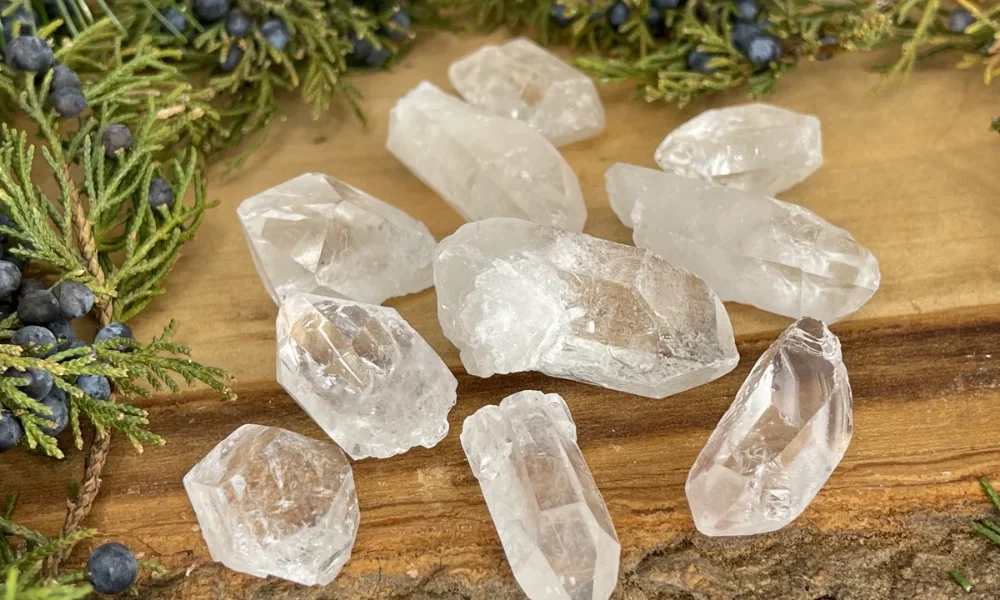
The unique clear quartz crystal meaning revolves around amplification, purification, and clarity of thought. This mineral features a highly organized, symmetrical atomic structure, so it has captured human curiosity since ancient times. Traditional practices suggest this clear gemstone acts as a blank slate that absorbs and releases environmental intentions.
Cultivating Positive Energy: Healing Crystals for Positive Energy
Many homeowners look beyond simple interior design trends, focusing instead on how their surroundings influence their daily emotional well-being. Combining a vibrant aloe succulent with healing crystals for positive energy is a popular way to design a space that actively counters daily work stress.
-
Visual Prompts: Placing bright, light-reflective minerals on window ledges serves as a daily visual reminder to pause and practice deep breathing.
-
Mindfulness Corners: Grouping stones like rose quartz, citrine, or amethyst near your favorite house plants helps establish a quiet, dedicated zone for reading or morning meditation.
-
Intention Setting: Many people use these natural tools to anchor specific personal goals, using the physical beauty of the stone to stay focused on maintaining a calm, positive mindset.
Restoring Balance: Using Energy Cleansing Crystals
Modern homes can easily feel cluttered and chaotic due to constant digital notifications, work-from-home demands, and the fast pace of daily life. Just as we use aloe vera to soothe skin issues after a long day in the sun, many people use energy cleansing crystals to visually reset and refresh the atmosphere of their living spaces.
| Crystal Type | Physical Appearance | Common Placement in Home |
| Black Tourmaline | Jet black, deeply striated, opaque. | Near front entryways or heavy electronic setups. |
| Selenite | Milky white, translucent, fibrous sheen. | On bedroom windowsills or quiet bedside tables. |
| Smoky Quartz | Translucent grey-brown, glassy luster. | Centered on office desks or shared living areas. |
Incorporating these stones into your home layout helps define clear boundaries between stressful work areas and relaxing rest spaces. People frequently place dark, grounding minerals near entryways to symbolize leaving workplace stresses outside the front door.
The Power of the Master Healer Crystal Quartz
Among all traditional minerals, the master healer crystal quartz is considered the cornerstone of mindful crystal practices. Its reputation stems from its historic versatility, as it is believed to strengthen the qualities of surrounding elements, including your living indoor plants.
Integrating the master healer crystal quartz into a room with an aloe vera plant creates a balanced, harmonious look that combines vibrant organic greenery with clean, geometric crystal lines. This classic pairing is an ideal choice for sustainable living advocates who want to celebrate the natural beauty of the earth while building an intentional, low-stress environment that supports daily wellness and deep focus.
Practical Application and Placement Guide
To help you get the most out of your indoor plant and crystal collection, this table breaks down the ideal room placement for each element based on functional or mindful layout goals:
| Wellness Element | Primary Purpose | Ideal Home Location | Best Companion Item |
| Aloe Vera Plant | Soothing topical gel, air accent. | Sunny kitchen window, bright bathroom. | Well-draining terracotta pot. |
| Clear Quartz | Amplification, mental clarity. | Home office desk, creative workspace. | Indoor green plants, planners. |
| Healing Crystals | Positive emotional reminders. | Living room mantle, bedside table. | Morning journals, reading lights. |
| Energy Cleansing Crystals | Visual space boundaries. | Front entryway, near large electronics. | Protective stone groupings. |
| Master Healer Quartz | Central balance, structural focal point. | Central dining table, meditation corner. | Potted aloe pups, salt lamps. |
How to Harvest Aloe Vera Gel Safely
Harvesting gel directly from your plant is simple, but it must be done carefully to protect the plant’s health and ensure the gel is safe to use on your skin.
How to Use Aloe Vera in Daily Life
To use aloe vera in daily life, apply raw leaf gel topically to soothe dry skin, cool minor burns, or moisturize your hair. You can also integrate the plant into your home decor on sunny windowsills, propagate its offsets to expand your garden, or blend the fresh gel into DIY cosmetics.
Integrating this succulent into your daily routine adds simple, natural utility to your week. Here are the most common ways to use it effectively:
-
Spot Treatments: Dab a small amount of cold gel directly onto razor bumps or light kitchen burns for instant cooling relief.
-
Overnight Hydration Face Mask: Mix a teaspoon of fresh gel with a drop of jojoba oil to lock in skin moisture before bed.
-
Decorative Accents: Place small potted aloe pups on bright countertops, office desks, or bathroom shelves that get good natural light.
-
Garden Propagation: Separate small pups from the mother plant’s root system every spring, repot them in coarse, sandy soil, and give them to friends as sustainable gifts.
Who Should Grow an Aloe Vera Plant?
An aloe vera plant is an excellent addition to many households, but it provides the absolute most value to specific groups of people.
-
Total Gardening Beginners: If you struggle to keep plants alive, aloe vera is highly resilient and handles irregular watering schedules easily.
-
Apartment Dwellers: The compact root system fits perfectly into small pots on narrow window ledges or sunny balconies.
-
Busy Homeowners: People who travel often or lack the time for daily gardening chores can enjoy vibrant greenery without constant maintenance.
-
Eco-Conscious Individuals: Perfect for those who want to replace synthetic, chemical-heavy lotions with fresh, single-ingredient topical skin hydration.
Common Myths About Aloe Vera Plant Benefits
Social media platforms are full of exaggerated health advice, and aloe vera is frequently a target of these misleading trends. Let’s look at the facts behind common misconceptions to separate online myths from reality.
-
The Miracle Cure Myth: Online videos often claim that drinking aloe vera juice can instantly cure chronic stomach ulcers or eliminate deep skin acne overnight. This is false. Aloe vera provides mild, soothing support for minor irritations, but it cannot replace targeted medical treatments or prescription therapies.
-
The Instant Scar Removal Claim: Many people believe that putting raw gel on old scars will erase them completely. In reality, aloe vera supports the healing process of fresh wounds by keeping them hydrated, but it cannot dismantle old, hardened scar tissue.
-
The Total Body Detox Misconception: Some wellness influencers promote aloe smoothy diets as a way to flush out internal toxins. The body relies entirely on the liver and kidneys for natural detoxification. The apparent detox effect people feel from raw aloe blends is usually just the laxative action of aloin irritating the bowel.
Conclusion
Maximizing your aloe vera plant benefits requires a basic understanding of its physical needs and healing gel properties. Introducing this resilient succulent to your windowsill gives you immediate access to fresh skin relief, so it protects your physical wellness.
At PeeaceLily.com, we believe that pairing botany with elements like the clear quartz crystal meaning, healing crystals for positive energy, energy cleansing crystals, and the master healer crystal quartz builds a balanced home. This smart combination looks beautiful, as it also supports your ongoing peace of mind.
Frequently Asked Questions
Can I apply aloe vera directly to my face daily?
Yes, you can apply pure aloe gel daily, so it acts as an excellent, lightweight moisturizer for oily skin. But if you have very dry skin, you should also layer a traditional cream over it to lock in that hydration.
How often should I water my indoor aloe vera plant?
Water your aloe plant every 2 to 3 weeks, but always let the soil dry out completely first. Overwatering quickly causes fatal root rot, so it is best to check the bottom of the pot instead of guessing.
What is the primary clear quartz crystal meaning in modern home design?
The primary clear quartz crystal meaning centers on mental clarity and intention amplification. It serves as a clean, visual anchor in your room, so it also helps busy individuals stay calm and focused during hectic workdays.
How do people clean or reset energy cleansing crystals?
People commonly refresh energy cleansing crystals by placing them under full moon light or burying them in dry rice. Still, you must avoid soaking water-soluble stones like selenite in liquid, so use herbal smoke instead.
Is the master healer crystal quartz safe to place inside a plant pot?
Yes, the master healer crystal quartz is completely safe to place directly onto the soil of your aloe plant. Quartz is an incredibly stable mineral, so it will not leach chemicals or disrupt the delicate roots of your succulent.