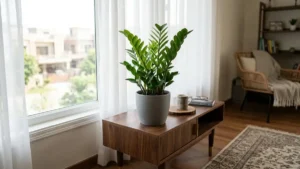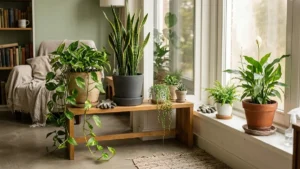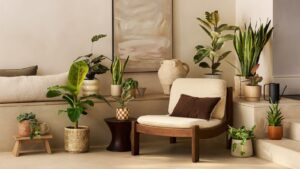
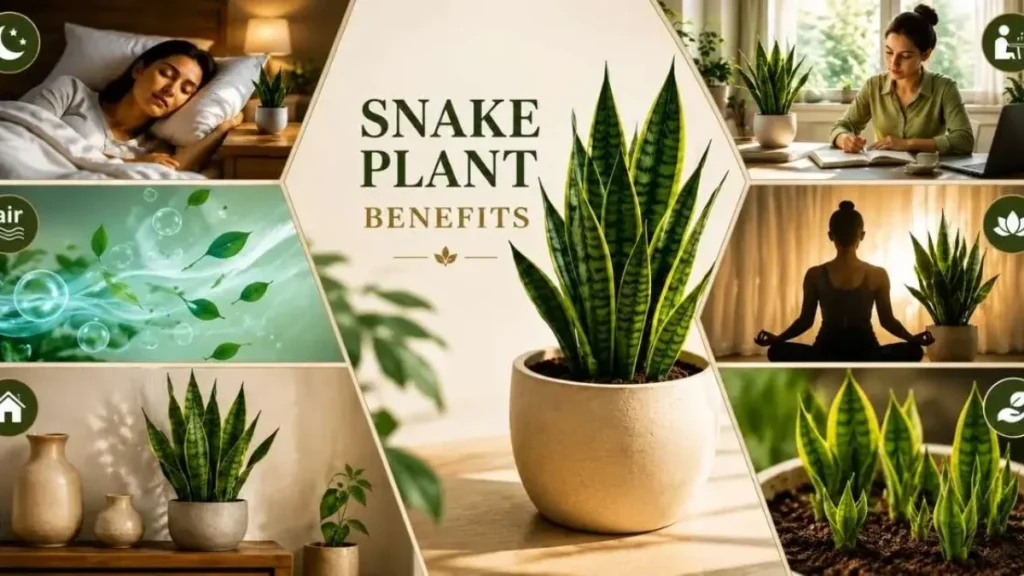
The snake plant benefits are linked to NASA’s Clean Air Study, which showed Sansevieria trifasciata can absorb small amounts of indoor toxins like formaldehyde and benzene under lab conditions. In real homes, air exchange systems reduce pollutants more than plants, but snake plants still add value through low maintenance growth and CAM photosynthesis, which supports night-time gas exchange.
They grow well in low light, need little water, and fit modern USA homes focused on simple indoor wellness. Platforms like peeacelily highlight this plant in lifestyle and wellness design.
Key Takeaways
- Snake plant benefits include minor absorption of indoor toxins like formaldehyde under controlled studies.
- Real home environments show limited air-cleaning impact compared to ventilation systems.
- Snake plant benefits for indoor use come from low maintenance, low light tolerance, and long lifespan.
- CAM photosynthesis supports night-time gas exchange, making it suitable for bedrooms.
Obsidian Crystal Benefits and Snake Plant Benefits in Indoor Environments
The snake plant benefits connect with environmental biology through its ability to survive in low light and regulate gas exchange using CAM photosynthesis. Studies in plant physiology confirm Sansevieria trifasciata maintains slow but continuous metabolic activity in indoor environments, so it supports minimal-scale air interaction and strong environmental stability in homes.
The obsidian crystal benefits concept comes from mineralogical and psychological frameworks where obsidian is associated with grounding due to its volcanic glass structure and dense composition. In material science, obsidian has no biological effect on air or energy systems, but it holds cultural and symbolic value in human environments.
Black Obsidian Protection Stone and Environmental Psychology
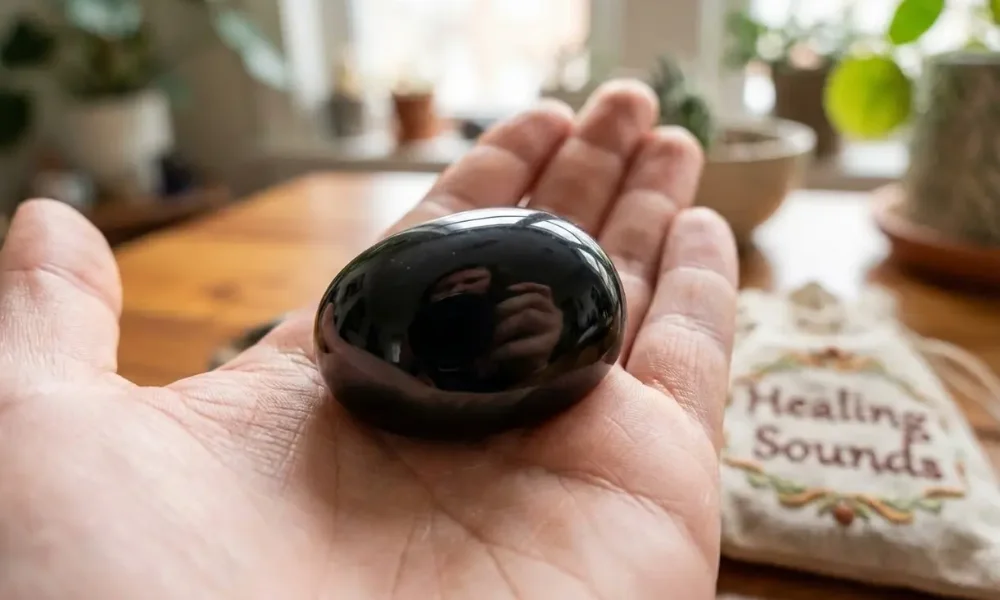
The black obsidian protection stone is widely used in interior wellness setups based on its physical properties and symbolic interpretation. Obsidian forms from rapidly cooled lava, so it contains high silica content and a glass-like structure with sharp fracture patterns.
From a scientific perspective:
- Obsidian has no measurable electromagnetic or energy-blocking properties
- It does not interact with air chemistry or biological systems
- Its role exists in visual psychology and material perception
The snake plant benefits complement this setup through real biological functions like oxygen–carbon dioxide exchange at a micro level and high adaptability to indoor stress conditions such as low humidity and artificial lighting.
Negative Energy Crystal Removal and Human Perception Mechanisms
The concept of negative energy crystal removal belongs to cognitive and environmental perception systems rather than physical science. Human perception research shows that object arrangement, color contrast, and natural elements influence emotional response in indoor spaces.
In controlled environmental studies:
- Green plant structures reduce visual fatigue
- Dark mineral objects create contrast-based grounding perception
- Repetitive natural forms improve cognitive relaxation response
The snake plant benefits contribute through structured vertical leaf design, which reduces visual clutter and improves spatial order perception in indoor environments.
Psychic Protection Crystals and Indoor Stability Design
The use of psychic protection crystals aligns with symbolic environmental design rather than measurable physical effects. These crystals, including obsidian, are placed in indoor spaces based on cultural associations with protection and stability.
The integration with snake plants creates a combined system:
- Snake plants provide biological stability through low-maintenance growth and CAM metabolism
- Obsidian crystals provide symbolic grounding through dense volcanic material structure
- Both are used in interior design to increase perceived environmental order
From a factual standpoint, only the plant contributes biological activity. The crystal contributes material aesthetics and psychological symbolism.
Snake Plant Benefits and Care Guide for Maximum Indoor Performance
The snake plant benefits depend strongly on correct environmental care. Sansevieria trifasciata performs best under stable indoor conditions with minimal watering and indirect light exposure. Its CAM photosynthesis system supports survival in low-light environments, so it continues slow metabolic activity even when other plants reduce function.
Proper care does not increase biological capacity beyond its natural limits, but it maintains consistent plant health and leaf function, which supports long-term indoor stability.
Core care requirements based on horticultural data
- Light exposure: Low to bright indirect light supports stable growth
- Watering cycle: Soil must dry fully before rewatering to prevent root rot
- Soil type: Well-draining cactus or succulent mix improves oxygen flow in roots
- Temperature range: 15°C to 30°C supports optimal indoor survival conditions
- Humidity level: Tolerates dry air, so it fits controlled indoor climates
Snake Plant Benefits vs Other Indoor Plants
The snake plant benefits become clearer when compared with other commonly used indoor plants in terms of biological efficiency, maintenance demand, and environmental tolerance.
| Plant Type | Biological Activity | Maintenance Level | Indoor Adaptability | Air Interaction Level |
|---|---|---|---|---|
| Snake Plant (Sansevieria trifasciata) | CAM photosynthesis, slow gas exchange | Very low | High (low light tolerance) | Low but stable |
| Peace Lily | High transpiration rate | Medium | Medium (needs humidity) | Moderate VOC absorption |
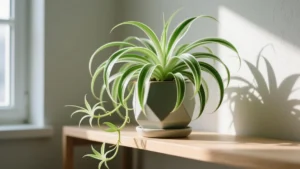
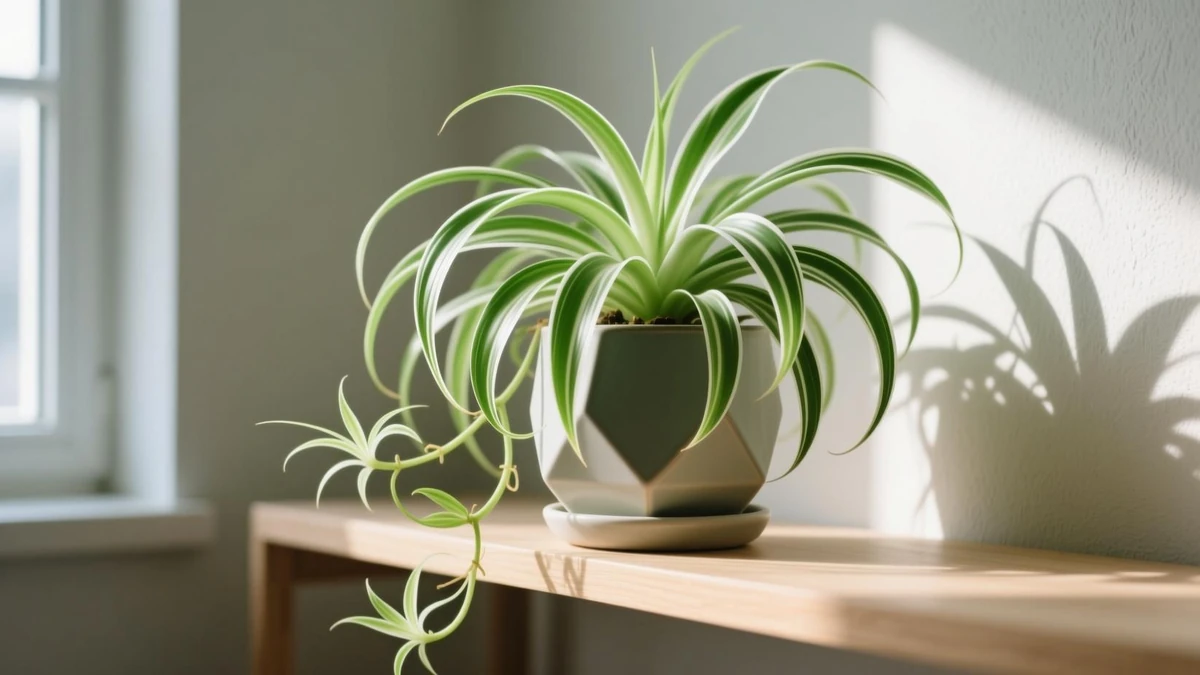
| Spider Plant | Fast growth, active transpiration | Low | High | Moderate air interaction |
| Aloe Vera | CAM photosynthesis, water storage | Low | High | Low to moderate |
The comparison shows that snake plants prioritize stability over rapid biological activity. This makes them more suitable for long-term indoor placement where consistency matters more than fast physiological output.
Environmental Function and Structural Advantage
The snake plant benefits also include structural durability. The plant maintains upright leaf architecture due to fibrous internal tissue composition. This structural stability allows it to remain visually consistent across long periods without pruning or reshaping.
Key functional traits include:
- Stable leaf rigidity due to fibrous vascular structure
- Slow growth rate that reduces maintenance frequency
- High tolerance to indoor temperature fluctuations
- Resistance to dehydration due to thick cuticle layer
These properties support long-term indoor placement in residential and office environments where consistent plant structure contributes to spatial order and minimal upkeep requirements.
Obsidian Crystal Benefits in Material Science and Structural Density Analysis
The obsidian crystal benefits are often described in symbolic frameworks, but in geology, obsidian is classified as a volcanic glass formed by rapid lava cooling with no crystalline structure. Its density and fracture behavior come from silica-rich composition rather than energy storage capacity.
Verified physical properties of obsidian
- Amorphous silica structure with no crystal lattice formation
- Conchoidal fracture pattern producing sharp edges
- High glass content leading to reflective surface properties
- No ionic or magnetic emission under standard conditions
These properties make obsidian chemically stable and non-reactive in indoor environments, meaning it does not change air chemistry, humidity, or biological activity around it.
Black Obsidian Protection Stone and Psychological Environmental Anchoring
The black obsidian protection stone functions in indoor environments through visual contrast and cognitive anchoring rather than physical interaction. Human perception systems respond strongly to dark, dense objects placed in light or green-dominant spaces.
Environmental perception effects observed in studies
- High-contrast objects increase spatial focus in enclosed rooms
- Dark reflective materials reduce visual noise in minimalistic interiors
- Repeated exposure to stable objects improves environmental familiarity response
- Object density influences perceived room grounding effect
When placed with snake plants, the visual contrast between organic green structure and black volcanic glass creates a dual-stability perception system: biological stability (plant) and visual density stability (stone).
Negative Energy Crystal Removal in Cognitive Environment Structuring
The idea of negative energy crystal removal aligns with cognitive environmental restructuring rather than physical energy systems. Indoor spaces influence neurological response through light intensity, spatial symmetry, and object distribution patterns.
Key environmental response mechanisms
- Symmetrical object placement reduces cognitive load in enclosed rooms
- Repetitive natural textures lower visual processing fatigue
- Mixed material environments (plant + stone) increase spatial segmentation clarity
- Reduced visual clutter correlates with lower stress indicators in environmental studies
The snake plant benefits for indoor health support this system through vertical symmetry and consistent leaf spacing, which creates predictable visual structure across time.
Psychic Protection Crystals and Multi-Material Indoor Layering Systems
The use of psychic protection crystals in indoor environments forms part of multi-material layering, where different objects serve distinct perceptual roles. In this system, snake plants function as biological elements, while crystals act as static structural anchors.
Functional separation in indoor design systems
- Snake plants regulate micro-level biological exchange
- Crystals provide static visual density and color contrast
- Combined placement improves spatial segmentation in interior layouts
- No physical interaction occurs between the two systems
This creates a structured indoor environment model where biological elements and inert geological materials contribute independently to human perception of space stability.
Snake Plant Benefits for Indoor Air Interaction and Environmental Balance
The snake plant benefits connect with plant physiology and controlled indoor air interaction. Sansevieria trifasciata uses CAM photosynthesis, which allows carbon dioxide uptake at night and regulates water loss through closed stomatal cycles during the day. This biological system supports survival in sealed indoor environments with limited airflow.
Scientific measurements show indoor air quality depends mainly on ventilation rates and filtration systems, so the plant works as a minor biological contributor rather than a primary purification source. Still, it maintains stable physiological activity across varied indoor conditions.
Biological functions linked to snake plant benefits for indoor air quality
- CAM photosynthesis supports night-time carbon dioxide absorption
- Leaf stomata regulate slow gas exchange in low-light environments
- Thick waxy cuticle reduces moisture loss in dry indoor air
- Root microbial activity supports limited soil-level air interaction
- Stable metabolism continues under artificial indoor lighting conditions
Snake Plant Benefits vs Indoor Air Quality Systems
The snake plant benefits for indoor air quality remain limited when compared with mechanical systems such as HVAC filters. Scientific assessments show that air exchange rates in modern homes dilute VOC concentrations faster than plant absorption rates.
However, the plant still contributes to micro-scale environmental stability:
| Factor | Snake Plant Contribution | HVAC/Mechanical Systems |
|---|---|---|
| VOC reduction | Low-scale biological absorption | High-scale filtration efficiency |
| Air circulation | Minimal natural exchange | Active controlled airflow |
| Humidity control | Minor transpiration effect | Adjustable regulation |
| Overall air cleaning | Micro-level support only | Primary system function |
Snake Plant Benefits for Indoor Health Stability and Long-Term Use
The snake plant benefits for indoor health also include long-term adaptability in controlled environments. Its fibrous tissue structure and slow growth rate reduce stress from environmental variation and support stable indoor placement over years.
- Maintains structural stability in indoor ecosystems
- Requires minimal seasonal adjustment or pruning cycles
- Performs consistently in artificial climate-controlled homes
- Supports long-term decorative and functional placement
- Reduces plant replacement frequency in residential use
Snake Plant Benefits Compared to Mechanical Air Filtration Systems
The snake plant benefits for indoor air quality remain biologically valid, but they operate at a different scale compared to mechanical systems. HVAC filters and HEPA systems actively force air through dense filter media, capturing fine particles and chemical compounds with high efficiency.
Functional comparison of biological vs mechanical systems
- Snake plants: slow passive gas exchange through stomata
- HEPA filters: forced air filtration with high particle capture efficiency
- Snake plants: no airflow requirement
- HVAC systems: continuous high-volume air circulation
- Snake plants: micro-level chemical interaction
- Filters: macro-level air purification control
This distinction shows snake plants function as environmental support elements, not primary purification systems.
Conclusion
The snake plant benefits come from CAM photosynthesis, low water needs, and micro-level gas exchange that supports stable indoor plant function. The obsidian crystal benefits and black obsidian protection stone relate to volcanic glass properties that stay chemically inert in indoor environments. Ideas like negative energy crystal removal and psychic protection crystals reflect environmental perception and symbolic wellness design rather than physical changes.
Platforms like peeacelily highlight these natural and symbolic elements in simple, low-maintenance home living systems.
Frequently Asked Questions
What are snake plant benefits for indoor health?
The snake plant benefits include low maintenance growth, CAM photosynthesis, and small-scale VOC interaction that supports stable indoor environments.
Do snake plant benefits improve air quality at home?
The snake plant benefits for indoor air quality show minor VOC absorption, but real air cleaning mainly depends on ventilation and filtration systems.
What are obsidian crystal benefits in home use?
The obsidian crystal benefits relate to its volcanic glass structure, which stays chemically inert and is used mainly for symbolic grounding in décor.
What is black obsidian protection stone used for?
The black obsidian protection stone is used in interior design for visual balance and symbolic protection, not for physical environmental changes.
What is negative energy crystal removal?
Negative energy crystal removal refers to symbolic wellness practices that focus on environmental perception and emotional comfort, not scientific energy removal.
What are psychic protection crystals used for?
Psychic protection crystals are used in décor and meditation spaces for symbolic grounding and mental calm, often paired with natural elements like plants.