Flowers for anxiety help calm the mind through scent, color, and the simple ritual of daily care. Top picks include lavender, jasmine, chamomile, and gerbera daisies. Place fragrant blooms near your bed or desk for the most benefit. Flowers support a calmer mood but are not a treatment for clinical anxiety.
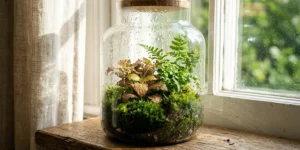
The first time I set a small jar of flowers for anxiety on my windowsill, my shoulders dropped and my breathing slowed. It was just grocery-store chamomile, yet it changed the whole feel of the room. That is the quiet power of blooms.
Flowers help because they reach several senses at once. The soft color calms your eyes, the scent touches the emotional part of your brain, and the daily care gives your busy mind a gentle job to do. Let me show you which blooms work best and how to use them.
Key Takeaways
- Flowers for anxiety work best through scent, color, and the small daily ritual of caring for them.
- Lavender, jasmine, chamomile, and gerbera daisies are the easiest calming blooms to grow.
- Place fragrant flowers near your bed or desk, where stress hits hardest.
- Flowers ease mood, but they are not a cure for clinical anxiety.
- Lilies, peace lilies, and gardenias are toxic to pets, so check before you buy.
Why Do Flowers Make Us Happy?
Why do flowers make us happy? They lift our mood by blending beauty, scent, and ritual into one small daily moment. Color catches the eye, fragrance soothes the brain, and arranging stems quiets a racing mind.
There is real research here. A well-known Harvard study found that people who kept fresh flowers at home felt less anxious and more compassionate. They also woke up in a brighter mood, when stress often peaks. So the joy is not just in your head. It is biology, beauty, and a bit of ritual working together.
How Flowers Help With Anxiety and Stress
Do flowers for anxiety actually work? Yes, in a gentle, supportive way. Calming flowers ease your nervous system through scent, color, and a soothing care routine. They will not erase anxiety, but they soften the edges of a hard day.
Scent and the Calm Response
Smell is powerful. The scent of lavender, jasmine, and rose travels straight to the limbic system, your brain’s emotional hub. Small studies link lavender aroma to a lower heart rate and calmer breathing. I keep English lavender (Lavandula angustifolia) by my reading chair. When I brush the leaves, that warm herbal smell tells me to slow down.
Color and Mood
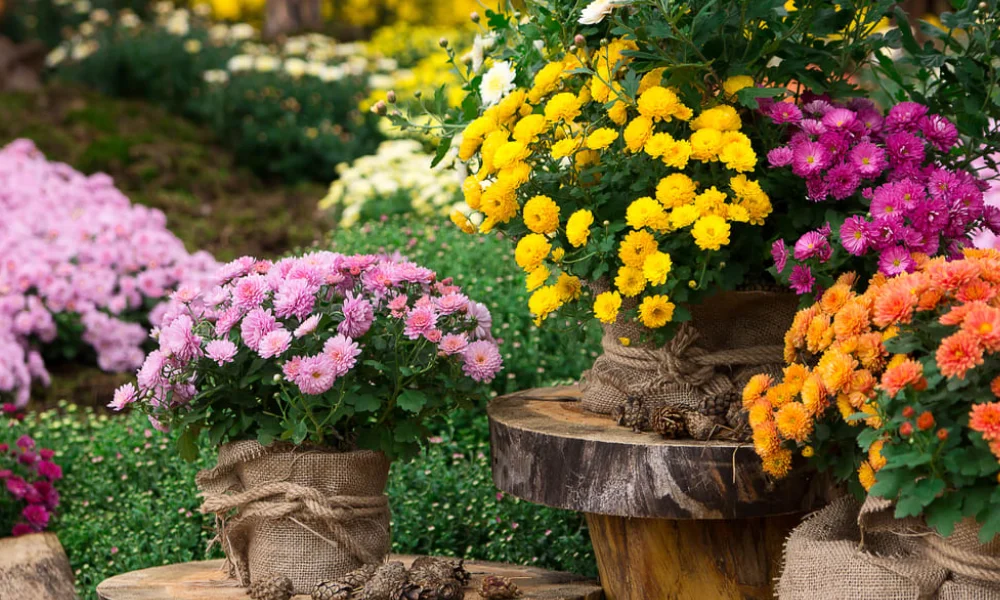
Color matters too. Soft blues, pale purples, and creamy whites feel restful. Bright yellows and oranges, like sunflowers and marigolds, lift a low mood. So your flower choice can match what you need that day.
The Care Ritual
Here is the part people miss. The watering and trimming pull you into the present. That focus is a form of mindfulness, and mindfulness is one of the best tools for anxiety relief. At Peeacelily, this is the heart of what we love. The bloom is the reward, but the care is the real medicine.
12 Best Flowers for Anxiety and Stress Relief
These are the calming flowers I recommend most, with honest notes on light, water, and care.
1. Lavender (Lavandula angustifolia): The classic calming flower. It loves full sun and dry, well-drained soil.
2. Jasmine (Jasminum polyanthum): A night-blooming vine with a sweet perfume. It needs bright indirect light and steady moisture. Many people find its scent relaxing at bedtime.
3. Chamomile (Matricaria chamomilla): Tiny daisy-like flowers with an apple scent. It grows in pots with full sun. You can dry the blooms for a calming tea.
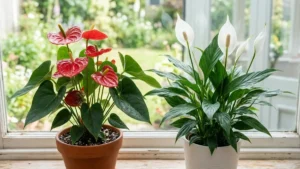
4. Gerbera Daisy (Gerbera jamesonii): Cheerful blooms in pink, orange, and red. Bright light and moist soil keep it happy.
5. Rose (Rosa species): Rose scent is linked to lower stress in several studies. Miniature indoor roses do well in a sunny window with regular water.
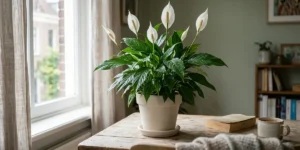
6. Peace Lily (Spathiphyllum): Our namesake bloom. White spathes thrive in low to medium light. It is forgiving for beginners, but it is toxic to pets.
7. Gardenia (Gardenia jasminoides): A rich, creamy fragrance that feels luxurious. It wants bright indirect light, humidity, and steady moisture. The scent is deeply calming.
8. Snake Plant Bloom (Sansevieria): Known for leaves, but mature plants send up fragrant night blooms. It is nearly impossible to kill and freshens bedroom air.
9. Marigold (Tagetes)
Sunny gold flowers that boost a low mood. They love full sun and tolerate dry spells. They also repel some pests.
10. Sunflower (Helianthus annuus): Big, happy faces that bring instant cheer. Dwarf types grow in pots. They need full sun and plenty of water.
11. Orchid (Phalaenopsis): Elegant, long-lasting blooms that feel serene. Patience is rewarded.
12. Passionflower (Passiflora incarnata): A striking vine used for centuries in calming herbal blends. The blooms are a quiet wonder.
The CALM Bloom Method (Peeacelily Framework)
I created this simple four-step method to get the most calm from any bloom. I call it the CALM Bloom Method, and it turns a pretty bouquet into a real anxiety-easing habit.
- C is for Color. Choose blooms that match your need. Soft pastels for rest, warm tones for a flat day.
- A is for Aroma. Pick at least one fragrant flower, like lavender or jasmine. Place it where you can smell it easily.
- L is for Locate. Put the flower in your most stressful spot, like your desk or bedside.
- M is for Mindful Moment. Spend two minutes a day with the bloom. Water it, trim a stem, or just look closely.
Run any flower through CALM, and a plain stem becomes a daily tool for calm. It works because it pairs the bloom with a habit, and habits make the calm stick.
Calming Flowers at a Glance
| Flower | Light Need | Watering | Scent Strength | Pet Safe? |
|---|---|---|---|---|
| Lavender | Full sun | Low | Strong | Yes |
| Jasmine | Bright indirect | Medium | Strong | Mostly* |
| Chamomile | Full sun | Medium | Mild | Yes |
| Gerbera Daisy | Bright light | Medium | Mild | Yes |
| Rose | Full sun | Medium | Medium | Yes |
| Peace Lily | Low to medium | Medium | None | No (toxic) |
| Gardenia | Bright indirect | High | Strong | No (toxic) |
| Marigold | Full sun | Low | Mild | Yes |
| Orchid | Bright indirect | Low | Mild | Yes |
| Passionflower | Full sun | Medium | Mild | Yes |
Some jasmine species are safe, but a few are not. Check the exact type with the ASPCA before buying.
Room-by-Room: Where to Place Calming Flowers
- Bedroom. Choose night-friendly blooms like snake plant flowers, jasmine, or gerbera daisies. They support cleaner air while you sleep.
- Home Office or Desk. A small pot of lavender or a single orchid works well. The bloom gives your eyes a soft rest between tasks.
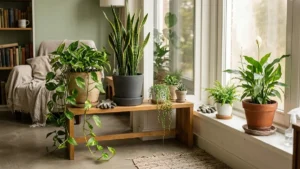
- Living Room. Go bold with peace lilies or roses on a side table. This shared space feels more welcoming with blooms.
- Kitchen. Chamomile and marigold love a sunny window. A cheerful bloom sets a calmer tone for rushed mornings.
- Bathroom. Humidity-loving orchids and gardenias thrive in steamy bathrooms. A bloom by the tub turns a wash into a spa moment.
How to Care for Anxiety-Easing Flowers
Healthy blooms calm you more than wilting ones. Here is a simple routine.
- Check the light. Match each flower to its needs. Sun lovers near a bright window, shade lovers away from harsh rays.
- Water by touch. Push a finger one inch into the soil. Water only when it feels dry. Overwatering is the top killer.
- Use the right soil. Most blooms want a well-draining mix. Add perlite for plants like lavender that hate wet feet.
- Feed lightly. A balanced liquid fertilizer every two to four weeks in spring and summer keeps blooms coming.
- Trim and deadhead. Snip spent flowers to push new growth. This is also a lovely mindful moment.
- Watch the humidity. Tropical blooms like gardenia want moist air. A pebble tray with water helps.
Benefits of Keeping Flowers for Anxiety
The benefits of flowers for anxiety stack up fast once they fill your space.
- Lower stress signals: Scent and color slow a racing mind.
- Better mood in the morning: Fresh blooms greet you on hard days.
- A built-in calm ritual: Daily care pulls you into the present.
- Cleaner air: Plants like peace lilies and gerbera daisies filter some toxins.
- A more inviting home: A styled space feels safer and more restful.
Common Mistakes
- Overwatering. Soggy soil rots roots and drops blooms. Let the top inch dry first.
- Wrong light. A sun-loving lavender will sulk in a dark corner. Match the plant to the spot.
- Scent overload. Too many strong-smelling flowers in one small room feels heavy, not calming.
- Skipping deadheading. Spent blooms tell the plant to stop flowering. Snip them off.
- Buying toxic blooms with pets around. Always check toxicity first.
Best Practices and Expert Tips
Pick one fragrant flower and one cheerful flower to start. That gives you both calm and lift without crowding. Group flowers in odd numbers, like three small pots. It looks natural and pleasing, which adds to the calm.
Rotate your pots a quarter turn each week. Blooms lean toward light, so this keeps them full and even. Keep a small watering can near your flowers. When the tool is handy, the care ritual is easier to keep up.
If you are new, start with near-unkillable choices like a peace lily or a gerbera daisy.
Seasonal Considerations
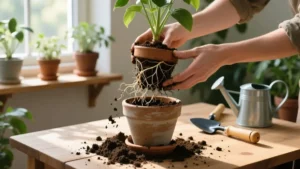
- Spring. Bloom season. Feed your flowers and repot any that have outgrown their homes.
- Summer. Water more often as heat rises. Shade delicate blooms from harsh midday sun.
- Fall. Growth slows. Cut back on feeding and bring outdoor pots inside before the cold.
- Winter. Many blooms go quiet. Reduce watering and keep flowers away from drafts and radiators. I lean on dried lavender to keep that calm going.
Conclusion
Choosing flowers for anxiety is one of the kindest, simplest things you can do for your daily peace. Start with one easy bloom, run it through the CALM Bloom Method, and give it two mindful minutes a day. Here at Peeacelily, we believe small green habits add up to a calmer life. Flowers cannot fix everything, yet they can make your space feel softer and more like home.
FAQ
What flowers are best for anxiety and stress relief?
Lavender, jasmine, chamomile, and gerbera daisies are top picks. Lavender and jasmine calm through scent, while gerbera daisies clean the air and add color.
Do flowers really help reduce anxiety?
Yes, gently. Research links fresh flowers to lower anxiety and a brighter mood. They support calm but are not a treatment for clinical anxiety.
Which calming flowers are safe for cats and dogs?
Chamomile, roses, gerbera daisies, marigolds, and orchids are pet-safe. Avoid true lilies, peace lilies, and gardenias. Always check the ASPCA list first.
Where should I place flowers for the most calm?
Place fragrant flowers where stress peaks. Try bedside jasmine for sleep, desk lavender for work, or kitchen chamomile for busy mornings.
How do I keep anxiety-easing flowers alive?
Match each flower to its light, water when the top inch is dry, and use well-draining soil. Feed lightly in spring and trim spent blooms.