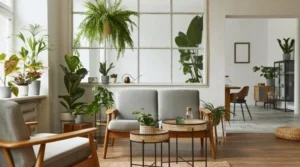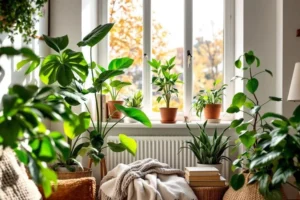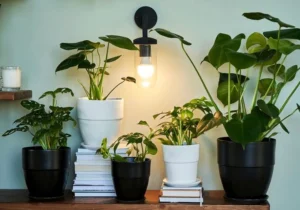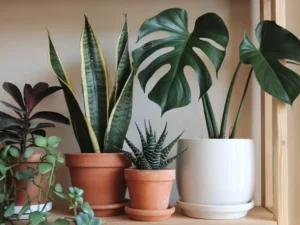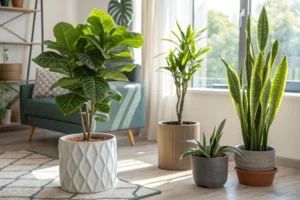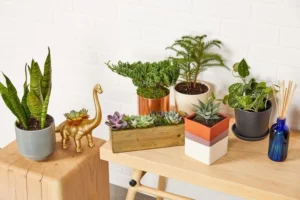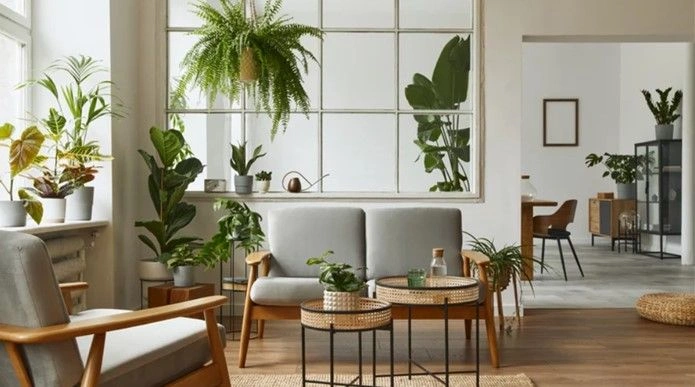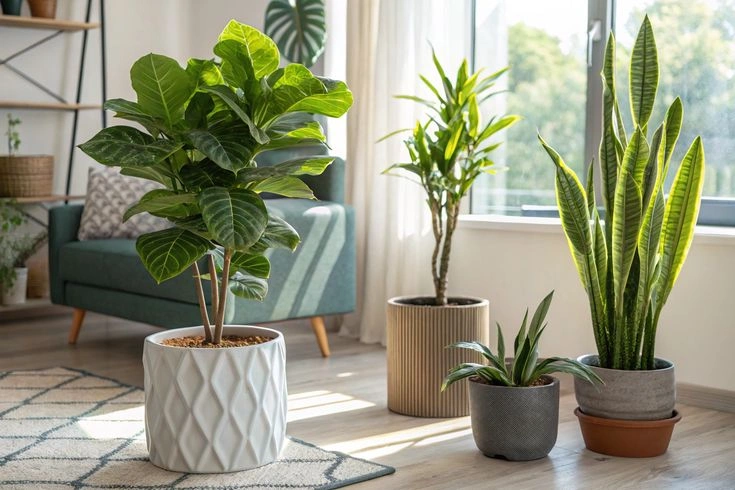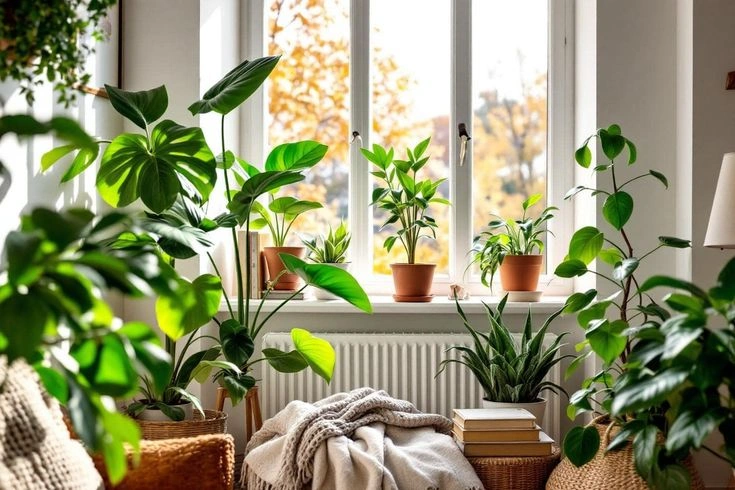
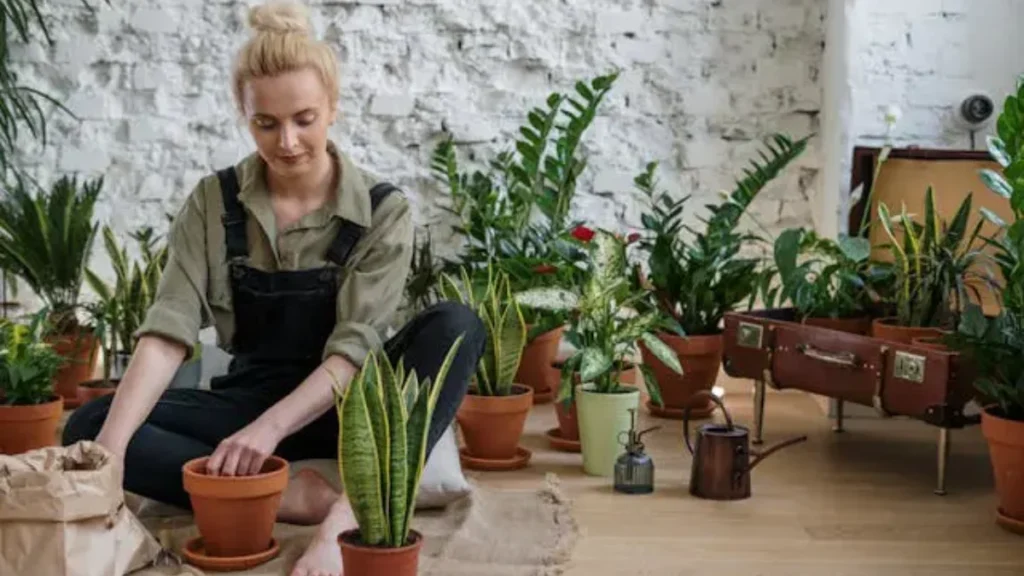
Plant therapy, also called horticultural therapy, uses gardening and plant care to support mental and physical health. A 2022 review of 18 randomized trials measured a medium effect of 0.55 on mental health, and not one study reported harm. The plant therapy benefits are measurable, then, not just nice to imagine. They cover lower stress, a lighter mood, and stronger focus.
The plant therapy benefits people talk about are not soft claims anymore. Real clinical trials back them. About 5% of adults worldwide face depression each year, and many want something gentler than a pill. At Peeacelily, we read the actual studies. Below you get honest numbers, real limits, and simple ways to use plants for mental health at home.
Key Takeaways
- Plant therapy shows a real, medium effect on mental health across 18 clinical trials.
- It eases anxiety and depression, and it sharpens focus.
- Mindful gardening can calm you down inside a single session.
- Plants do far more for your mood than they do for your air.
- Most people notice a shift within a few weeks.
What Is Plant Therapy?
Plant therapy means using plants, gardening, and time in nature to heal the mind and body. Some people call it horticultural therapy. The whole idea sits on a concept named biophilia, the notion that humans carry a built-in pull toward living things. Caring for a plant taps into something old and deeply wired.
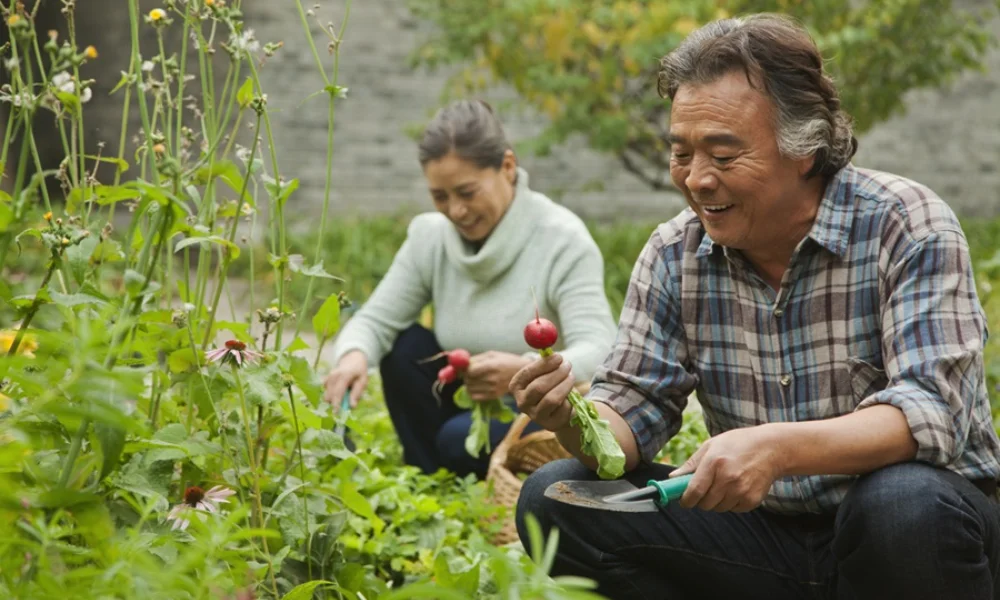
This is where a lot of readers get confused. Plant therapy is not one fixed activity. It stretches from a structured clinical program all the way down to five quiet minutes with the plant on your kitchen sill. The American Horticultural Therapy Association treats it as a serious practice with real training behind it, not a seasonal fad. And because it takes so many shapes, you can match it to the life you actually live.
Types of Plant Therapy
| Type | What It Involves | Best For | How to Start |
|---|---|---|---|
| Horticultural therapy | Guided plant activities with a trained therapist | Clinical depression, anxiety, rehab | Find an AHTA-registered therapist |
| Mindful gardening | Slow, present-focused tending at home | Daily stress, burnout | Keep one low-care plant |
| Indoor houseplants | Caring for and living around potted plants | Mood and focus at home or work | A peace lily or snake plant |
| Nature exposure | Walks, hikes, and time outdoors | Low mood, mental fatigue | A 20 to 30 minute daily walk |
| Aromatherapy | Plant-derived essential oils | Relaxation and sleep support | Lavender or chamomile oil |
Plant Therapy Benefits Backed by Real Science
Most pieces on this subject lean on a vague line like plants make you happ and call it a day. The hard proof sits in controlled trials, and those paint a sharper picture. A 2022 meta-analysis in the Journal of Psychiatric and Mental Health Nursing pulled together 18 randomized trials and landed on a medium effect size of 0.55 for mental health, with no negative outcomes anywhere in the data.
A 2025 systematic review took it apart condition by condition. Every number came back strong.
What the Research Shows
| Outcome | What Studies Found | Source (year) |
|---|---|---|
| Overall mental health | Medium effect (0.55) across 18 trials | Meta-analysis, J. Psychiatric & Mental Health Nursing (2022) |
| Depression | Large gain (g = 1.05), 13 trials | Systematic review, ScienceDirect (2025) |
| Anxiety | Moderate gain (g = 0.70) | Systematic review (2025) |
| Focus and cognition | Clear gain (g = 0.82) | Systematic review (2025) |
| Stress markers | Lower blood pressure, heart rate, cortisol | Scientific Reports, Nature (2024) |
None of these are small shifts. The pattern also holds steady across different ages, settings, and diagnoses. Here is what each result means for the three things people ask about most.
Plant Therapy Benefits for Anxiety and Stress
Anxiety dropped at an effect size of 0.70 in the 2025 review. Your body keeps the receipts too. A 2024 trial in Scientific Reports linked plant activity to lower blood pressure, a slower heart rate, and less cortisol, the hormone that spikes when stress takes over. Your nervous system calms down in a way a monitor can actually pick up.
Plant Therapy Benefits for Depression and Low Mood
Depression showed the largest gain in the research, at an effect size of 1.05, which counts as big in clinical terms. The catch is that the effect grew stronger inside programs that ran past the eight-week mark. Patience earns the payoff. One good weekend in the garden will not carry the whole weight on its own.
Plant Therapy Benefits for Focus and Memory
Greenery helps your attention, not only your mood. That same review measured a solid lift in cognition, at an effect size of 0.82. A scattered, foggy mind often clears a little with a plant nearby. We dug into this for the workday in our Office Plants 2026 guide, and the same effect carries over at home.
How Plants for Mental Health Actually Work
Why does any of this happen? The reasons are physical, and they are more interesting than you might guess.
- Movement lifts your mood. Tending plants gets your body going, and that bumps up serotonin and dopamine, the two chemicals tied to feeling good.
- The soil works too. A bacterium in dirt called Mycobacterium vaccae triggers a serotonin release when you touch it, so bare hands in the dirt shift your brain chemistry for real.
- Nature resets a tired brain. Natural settings let your drained focus refill, yet a glowing screen never offers that.
- Care builds purpose. You water it, you watch, you wait, and then growth shows up. That small loop pulls real weight when mood runs thin.
So plants for mental health are not a trick. They simply pull several honest levers at once.
Mindful Gardening: A Daily Practice for Calm
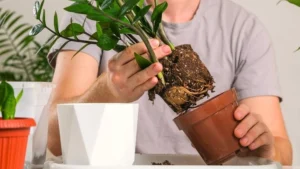
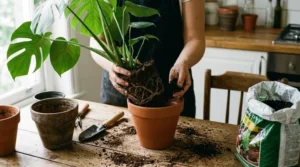
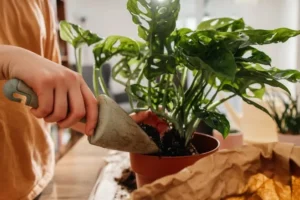
Mindful gardening is the simplest door in, and it costs next to nothing. The practice means tending your plants slowly and with full attention, the same way meditation asks you to stay with your breath. Repetitive tasks like pruning, watering, and repotting tug you straight into the present. The mental chatter finally gets to quiet down.
No yard, no special gear, no expense. One plant and a few unhurried minutes will do.
Give this routine a try:
- Choose one plant and make it your daily check-in.
- Look closely at the leaves, the soil, and any fresh growth.
- Water it slowly, and feel the weight and texture as you pour.
- Take three slow breaths before you walk away.
One reader told us she turned a single peace lily into her morning ritual, and her whole day starts steadier for it. That is the heart of it. Mindful gardening lasts because it stays small, repeatable, and entirely your own.
Do Plants Really Clean Your Air? An Honest Look
This is the spot where most plant blogs trip, and we are not going to feed you the myth. You have almost certainly read that houseplants purify the air in your home. The claim traces back to a 1989 NASA study that sealed plants inside tiny chambers and watched them absorb toxins. The result was real, yet a sealed box shares almost nothing with the living room you sit in.
A team at Drexel University reviewed 30 years of research and crunched the actual figures. To clean the air as well as cracking one window does, you would need somewhere near 680 plants crammed into a 1,500 square foot home. A handful of pots on a shelf barely moves the needle.
Do not take that as bad news, though. The truth is better than that. Plants do far more for your head than your lungs, and that is exactly where the real plant therapy benefits sit. Keep the plant for your mind, and open a window for the air.
How Long Until Plant Therapy Benefits Appear?
Almost nobody answers this one straight, so here is a plain reply. The timing rides on what you actually do, and the research gives clean ranges. Mood can lift fast. Lasting change, though, asks for a routine you keep.
- Mindful gardening at home: you feel calmer inside the same session, and steady gains stack up over a few weeks.
- Nature walks: stress eases within 20 to 30 minutes, and the benefit deepens the more often you go.
- Formal horticultural therapy: most people feel a change by the second or third session, with the strongest evidence landing past eight weeks.
Begin small, hold the habit, and give it room to work. The plant therapy benefits build the longer you stay with them.
Who Should Be Careful With Plant Therapy
Plants help, but they are not a cure, and pretending otherwise would do you no favors. If you carry serious depression, anxiety, or another condition, treat plant therapy as backup, not a replacement for a therapist or your medication. It works best right alongside real care.
A few cautions worth a minute of your time:
- Many favorites, peace lilies, pothos, and snake plants among them, are toxic to cats and dogs.
- Keep a curious toddler clear of any plant you cannot name on sight.
- Essential oils can set off allergies, and a few are unsafe during pregnancy or around pets.
Run a quick safety pass before you load a room with greenery. And if your mood stays low for weeks on end, talk to a professional. Plants are a wonderful tool, yet they remain one tool among many.
Easy Ways to Start Plant Therapy at Home
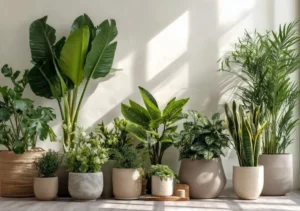
A green thumb is not the entry fee, and starting small beats waiting around for the perfect setup. Pick one forgiving plant, set it somewhere you pass every day, and grow from there. Add a second one once the first is clearly thriving.
Five beginner-friendly picks that lean toward mood and calm:
Beginner Plants for Mental Health
| Plant | Why It Helps | Care Level | Pet-Safe? |
|---|---|---|---|
| Peace lily | Easy blooms and a calming presence | Low | No |
| Snake plant | Tolerates neglect, ideal first plant | Very low | No |
| Pothos | Forgiving, with fast visible growth | Very low | No |
| Spider plant | Hardy and non-toxic | Low | Yes |
| Lavender | Scent supports relaxation and sleep | Medium | No |
Reach for the snake plant or pothos if watering tends to slip your mind. Go with the spider plant if pets or kids share your space, since it is the one safe option on this list. Turn the care into a small daily habit rather than a weekend chore you dread.
For more calming choices, our guide to the Best Plants for Anxiety goes deeper, and for sharper focus at your desk, the office plants picks make a natural next read.
Conclusion
The plant therapy benefits are real, measurable, and open to anyone with a windowsill. The research shows steady gains for mood, stress, and focus, and mindful gardening makes them simple to claim. Skip the air-purifying myth and let plants steady your mind. At Peeacelily, we say start easy. Pick one plant this week, and watch your mood turn.
Frequently Asked Questions
Does plant therapy actually work?
It does, and the evidence holds up. A 2022 review of 18 randomized trials found a medium effect on mental health with no negative results. Later studies showed clear gains for depression, anxiety, and focus. The plant therapy benefits are real, though they pay off best as part of a wider routine rather than a single quick fix.
What are the benefits of plants for mental health at home?
Plants for mental health at home can lower stress, lift your mood, and tighten your focus. Caring for them raises the brain chemicals tied to feeling good, and the plain act of nurture builds a sense of purpose. Quantity is not the point. Even one plant you tend each day can change how a room and your mind feel.
Is mindful gardening the same as horticultural therapy?
Not exactly. Horticultural therapy is a structured program guided by a trained therapist. Mindful gardening is the everyday version you handle solo, with your full attention on the task in front of you. Both settle the mind, yet mindful gardening costs nothing and starts the moment you decide to begin.
Do indoor plants improve air quality?
Barely. A Drexel University review found you would need hundreds of plants to match the airflow of a single open window. Indoor plants do very little for air quality in a real room. They still lift your mood, though, and that is the honest reason to keep them close.
How many plants do I need to feel the benefits?
One is plenty to begin. The mood effect comes from caring for and living near plants, not from the size of your collection. Start with a single low-care plant, build a small daily habit around it, and add more only once you feel ready.