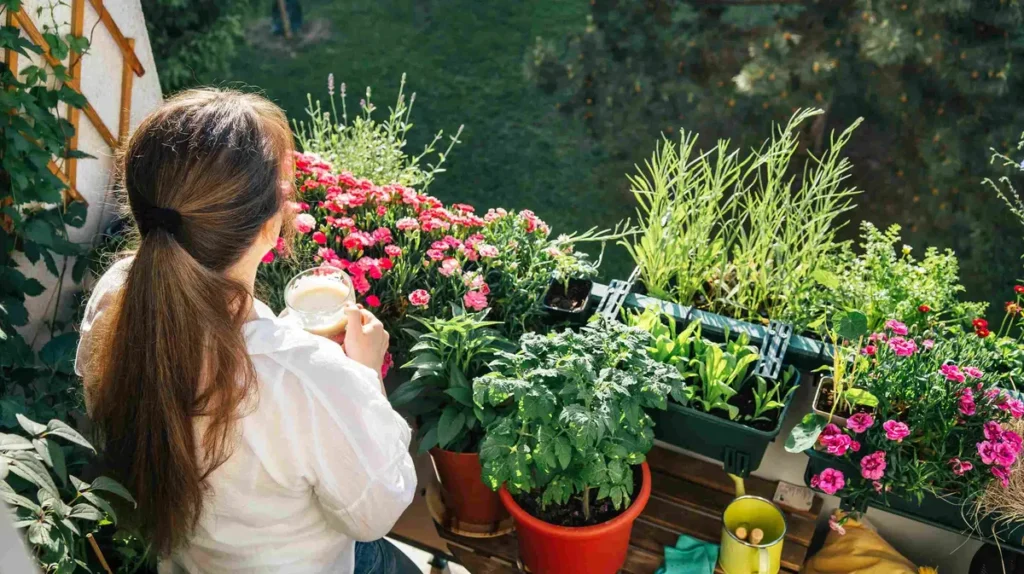
Fall is an ideal planting season because warm soil and cool air help plants develop strong root systems before winter dormancy. Autumn reduces pest pressure and watering needs, making establishment easier. Proper garden cleanup, composting, and mulching improve soil health. Planting cool-season vegetables, perennials, and shrubs in fall leads to faster spring growth and healthier, more resilient gardens.
Introduction
For at least some gardeners, the arrival of that first crisp breeze in late August signifies the closing act of their stage production. The most exciting season, however, is just kicking off at Peeacelily. As you have been looking for a complete fall planting guide, here is a stop for you.
While spring is traditionally associated with the planting season, autumn is really when your garden does its best work! The ground is still warm from the summer sun, but the air has cooled and reduced stress on young plants. If you learn to navigate this peculiar microclimate by practicing strategic seasonal plant rotation, you can develop a root system that explodes into action the second spring arrives.
Why Autumn is the Perfect Time to Plant
By following a structured fall planting guide, you are giving your plants such a huge leg up. The plants face increased heat during spring, together with erratic moisture level. The prolonged, temperate open-window of autumn gives them plenty of time to put down deep and wide root systems before the soil turns hard as concrete. Managing this shift properly is just as vital as executing your thorough autumn garden cleanup routines.
During the fall, when you name plants, they are giving all their energy to sink down into the soil. They reserve energy to the roots as there is no much weight from top-growth or fruit production. By planting shrubs, perennials or cool-season veggies now through an intentional seasonal plant rotation, you’ll be giving them a fighting chance to take root before the coldest winters and come back stronger next year.
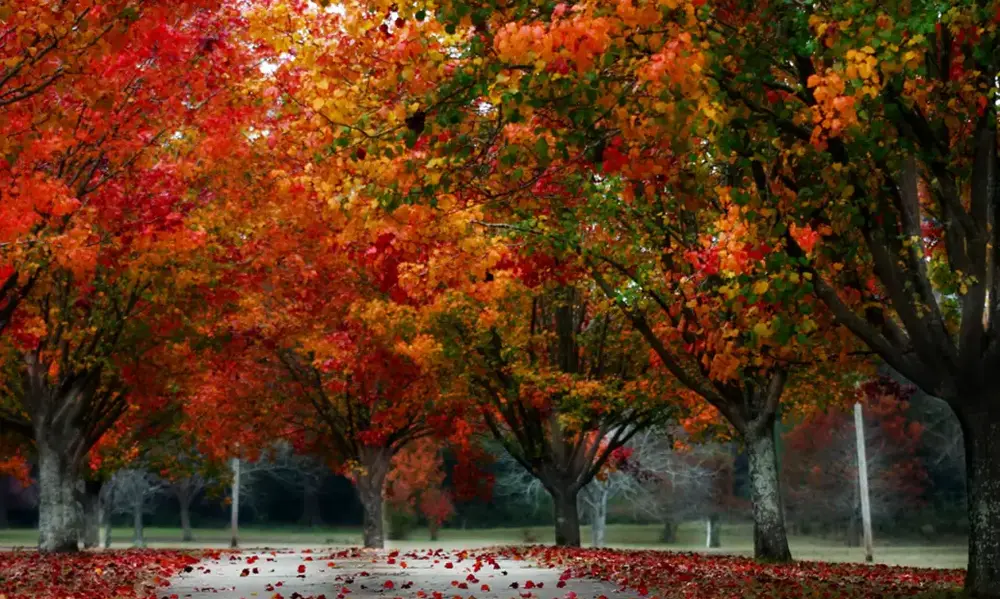
We frequently observe at Peeacelily that autumn seeders suffer vastly lower levels of insect infestation. So by now, most summer insects are done completing their life cycles and will allow your young plants to settle into the ground in peace. This peaceful transition is made even more successful when you integrate your layout with a detailed fall planting guide. Moreover, consistent autumn rains and cooler temperatures mean you spend a lot less time walking around with a hose in your yard.
The Art of Autumn Garden Cleanup
You have to take care of your autumn garden cleanup before you even start planting. It is not just about how tidy your yard looks, but disease prevention and soil health. Proper sanitation ensures your soil beds are perfectly prepared to handle a modern seasonal plant rotation schedule.
Rather than working your backyard to the terracotta flooring, settle for “clean but cautious.” Scrap sick foliage or pest-ridden plants during your autumn garden cleanup, as they are likely to hold pathogens during the winter months. However, leave healthy perennials standing. The dried seed heads serve as an important food source for local birds while the hollow stems provide a nesting place for beneficial native bees!
Strategies for Effective Cleanup
Instead of carting garbage bags down to the curb, think of your garden as a cycle instead. Gathering debris is a core step in any actionable fall planting guide. Gather the fallen foliage, shred them with a lawn mower and produce “leaf mould” that is an outstanding soil modification. Add a thick layer of this material to your dormant beds to curb any weeds and help with temperature control of the soil.
Next, clean up your vegetable patches to complete your comprehensive autumn garden cleanup. When your summer crops have finished for the year, remove them and toss them in a pile to rot down into your compost heap—as long as they are disease free. Following that, use a broadfork to aerate the top layer of soil, then apply a layer of compost. This protects the soil from heavy autumn rains and allows your garden to be perfectly primed for your next seasonal plant rotation cycle.
What to Plant: A Seasonal Selection
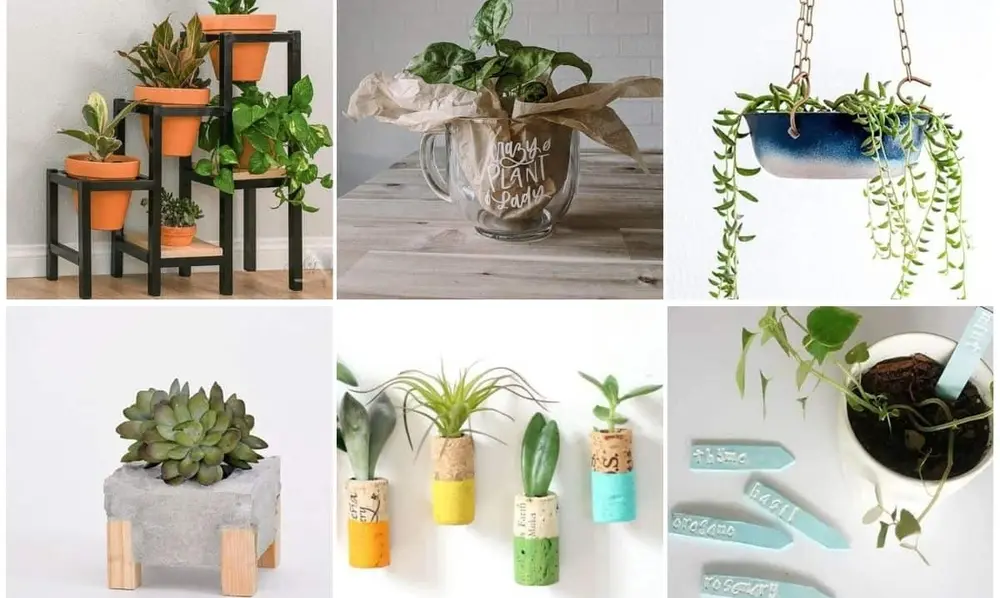
To get the most out of this fall planting guide, you need to focus on species that thrive in cooling soil temperatures while adjusting your layout for a successful seasonal plant rotation.
Cool-Season Vegetables
Many leafy greens and root vegetables actually prefer the conditions of autumn. Frost often sweetens crops like kale and carrots, converting starches into sugars as a natural antifreeze mechanism.
| Crop Type | Planting Window | Estimated Harvest |
| Spinach | Early Sept | Late Autumn |
| Garlic | Mid Oct | Following Summer |
| Kale | Late August | Late Autumn/Winter |
| Radishes | Mid Sept | Late Autumn |
| Winter Lettuce | Early Sept | Late Autumn |
Perennials and Shrubs
Fall is the gold standard for planting round woody ornamentals. The plant is preparing for dormancy, it will not waste energy on leaves or flowers. It bolsters root growth, rather than diverting biological capacity elsewhere.
Be it the inclusion of native shrubs for pollinators or the addition of hardy perennials for structure, your Peeacelily landscape will thrive off the instrumental transpiration rates that characterize this season. Maximizing these results is easy when you clear out dead summer debris during your annual autumn garden cleanup.
Essential Tips for Success
A professional fall planting guide is a lot more than simply digging some holes. You always need to consider your local frost dates when balancing your seasonal plant rotation. Look up the average first frost date (this is your dead line for getting plants in the grown) by checking your local agricultural extension office.
-
Hydrate, Hydrate: Although it felt fairly cool in the air today; newly planted plants require consistent moisture. Keep the root ball moist until the soil starts to freeze.
-
Mulch Wisely: The soil is warmer if a layer of organic mulch (2–3 inches) can be added to retain soil heat, thus lengthening the period of root development. Be sure not to beetle up mulch against the stems of shrubs during your autumn garden cleanup, otherwise that will promote rot.
-
Two harvests out of a single bed: You can achieve this with succession planting and a quick seasonal plant rotation. Plant quick-maturing radish in the same area that just last week had summer tomatoes growing.
Maximizing Your Garden’s Potential
While you should record helpful information of what worked and what did not as you go through your autumn garden cleanup, updating your long-term notebook is essential. Has your spinach gone to seed, almost before you planted it? Did your new perennials demonstrated signs of stress? The experienced gardener documents these variables to perfect their future fall planting guide strategies.

At Peeacelily, we recommend treating the fall months as preparation time for gardeners. Investing the time now into a methodical seasonal plant rotation, you are not simply planting seeds building a self-sustaining ecosystem. If you are putting in a new bed of spring-blooming bulbs, like tulips and daffodils or establishing hearty shrubs, the expressions will demonstrate your hardest work during these last months of the year.
Always keep in mind, the purpose of any comprehensive fall planting guide is to align with rather than work against nature. This enables you to air your activities with the naturally determined languidness of the environment, as though to be better in time with its plant-being.
FAQs
Should I fertilize during autumn planting?
Generally, it is best to avoid high-nitrogen fertilizers in late autumn. You don’t want to encourage tender new growth that will be damaged by the first frost. Focus on adding compost or organic matter to the soil instead while completing your autumn garden cleanup.
How do I know when it is too late to plant?
A good rule of thumb found in almost every fall planting guide is to have everything in the ground at least six weeks before the ground freezes. If you miss this window, you can still plant, but the success rate for overwintering decreases significantly.
Is autumn garden cleanup necessary for soil health?
Yes, but don’t overdo it. Clearing away diseased material during your autumn garden cleanup is essential to prevent fungi from overwintering, but leaving some organic debris provides essential nutrients and habitat for the local ecosystem.
Can I plant perennials if I live in a cold climate?
Absolutely. In fact, many perennials need a period of winter dormancy to bloom successfully in the spring. Just ensure they are planted deep enough to prevent “frost heaving” as part of your localized seasonal plant rotation plan.
What are the biggest mistakes in fall planting?
The most common mistakes highlighted in any standard fall planting guide are under-watering new plants and planting too late. Always treat new additions like seedlings, ensuring they remain hydrated until the soil reaches a freezing temperature.